Iran to resume Umrah for citizens after 6-month suspension. Has it happened before? Know here

&imwidth=600&imheight=450&format=webp&quality=medium "Iran to resume Umrah for citizens after 6-month suspension. Has it happened before? Know here")
Image for presentation Photograph: (AFP)
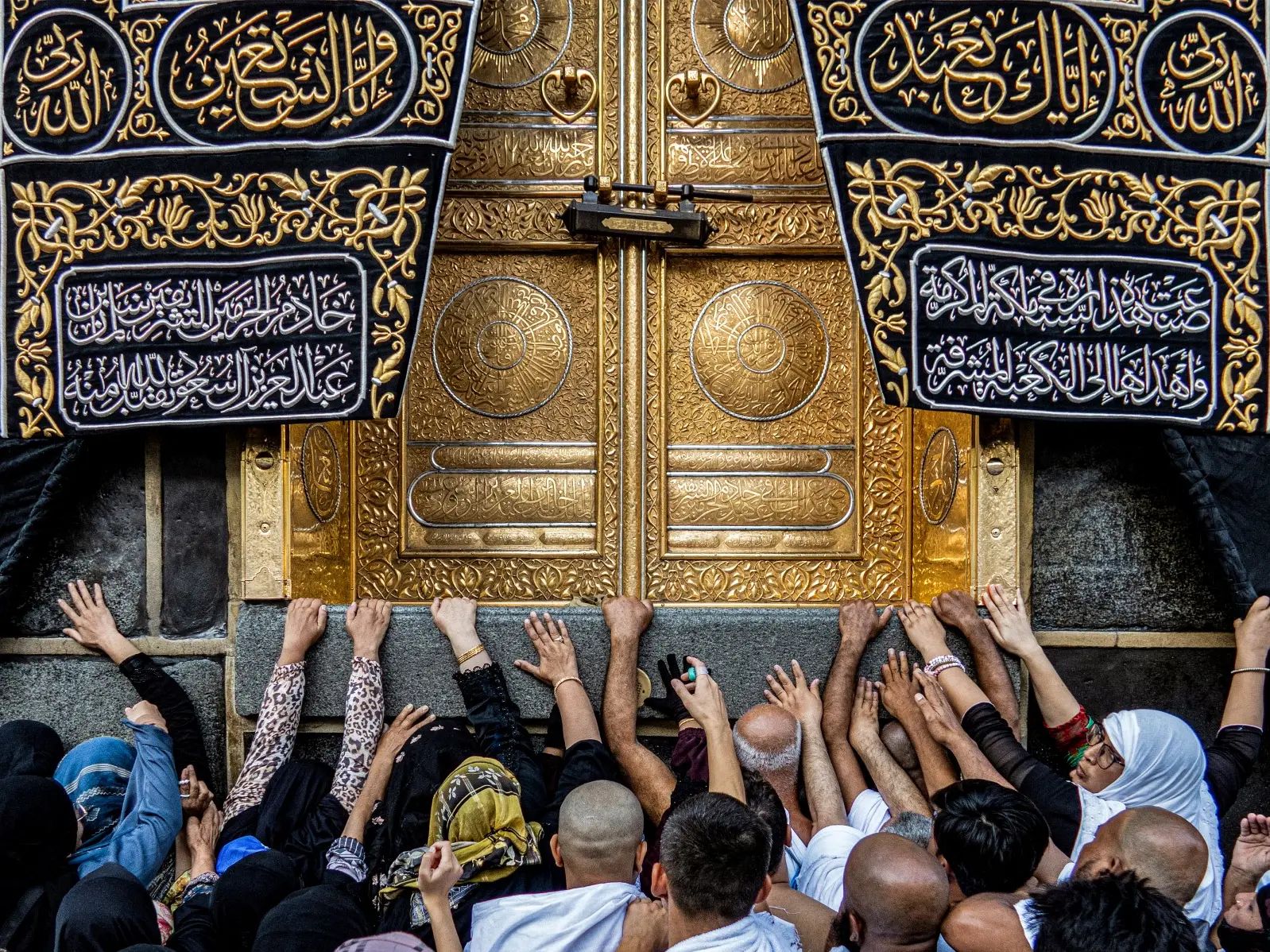
Iran is resuming Umrah pilgrimages for 18,000 citizens after a six-month suspension, reviving a tradition previously halted by historic events, political tensions, health concerns, and diplomatic rifts.
Iran is planning to resume sending pilgrims to Saudi Arabia for Umrah after a six-month suspension, with 18,000 people scheduled to travel in the first phase.
Iran's official Fars News Agency reported that Akbar Rezaei, deputy head of Iran's Hajj and Pilgrimage Organisation for Hajj and Umrah affairs, said one flight would depart every five days from different Iranian provinces during the initial phase.
Registration for Umrah is expected to begin in early Shahrivar, the sixth month of Iran's Solar Hijri calendar, which starts in late August.
18,000 pilgrims in 1st phase
The first phase will cover 18,000 pilgrims, while around five million people holding Umrah registration vouchers are currently waiting to travel.
In previous periods, about 200,000 Iranians travelled to Saudi Arabia for Umrah in less than a year. Towards the end of last year, more than 1,300 pilgrims a day were travelling from Iran to Saudi Arabia.
Trending Stories
)
)
)
)
)
)
)
)
)
)
)
)
)
)
)
)
)
)
)
)
)
)
)
)
)
)
)
)
)
)
)
)
)
)
&im=FitAndFill=(700,400))
)
)
)
)
Also read: ‘Don’t beg,’ Pakistan strictly warns its Umrah pilgrims, tells them to fully comply with Saudi laws
The expansion of the programme will depend on the Hajj and Pilgrimage Organisation finalising flight arrangements and securing the foreign currency needed for the trips.
Part of the cost of Umrah is linked to foreign currency, while limited flight availability could also affect future departures. The pace of increasing capacity will therefore depend on both available flights and access to foreign currency.
The history of pauses
Going back in history, one finds that the very first time the pause in the Umrah pilgrimage by Iran was imposed was after the Qarmatian Sect Attack, which was from 930 AD to 940 AD. It's the longest continuous stoppage, lasting for a decade.
Here are some other notable phases of the pause:

