Iran says it ‘will not bow to any threats’ after Trump orders Hormuz blockade

&imwidth=600&imheight=450&format=webp&quality=medium "Iran says it ‘will not bow to any threats’ after Trump orders Hormuz blockade")
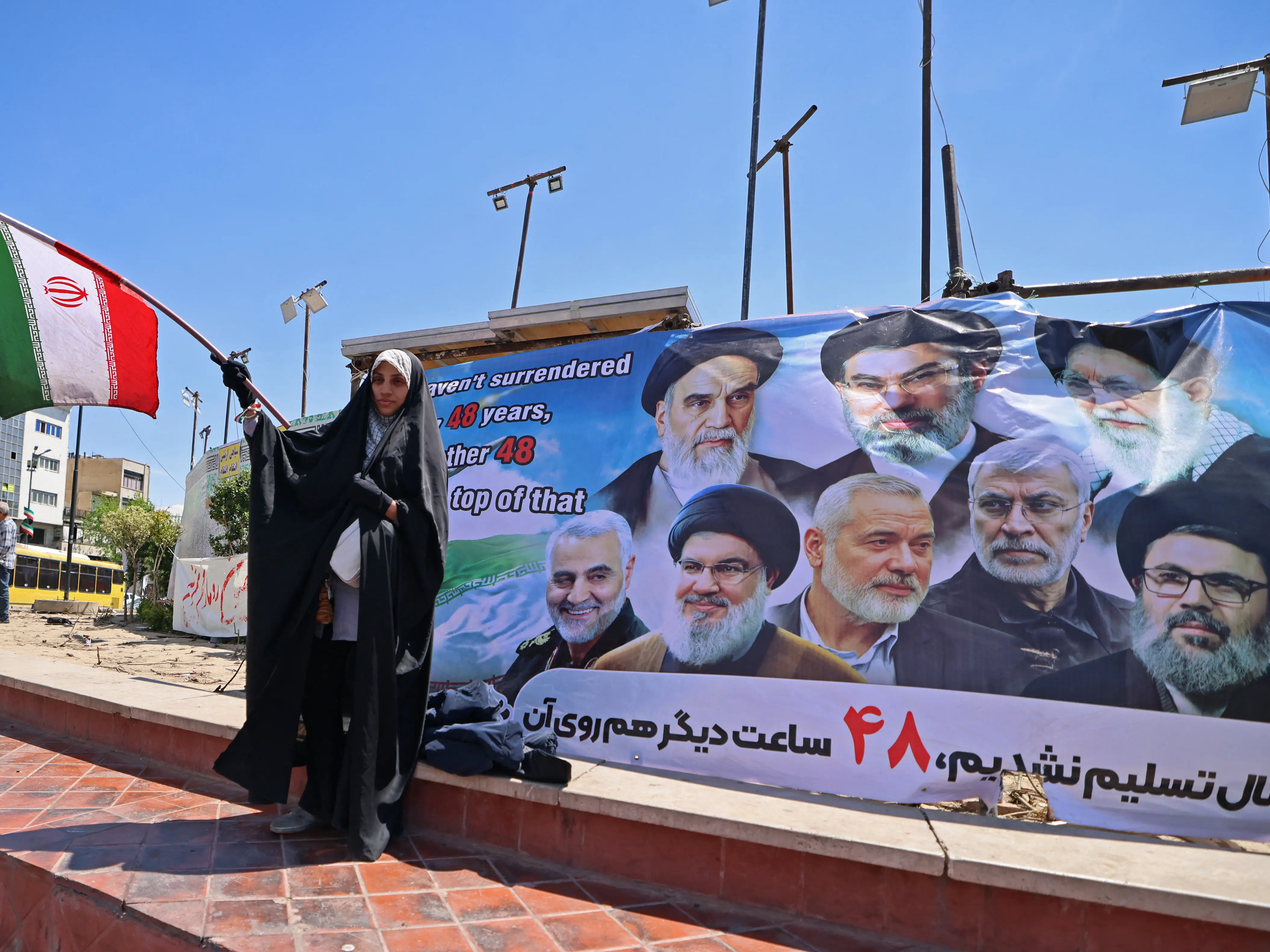
A woman waves Iran's national flag at the Revolution Square in Tehran on April 12, 2026. Photograph: (AFP)
Iran’s navy chief Shahram Irani dismissed the US move as unrealistic, calling Trump’s threat “ridiculous”.
Iran’s Parliament Speaker Mohammad Bagher Ghalibaf on Sunday (April 12) said Tehran would not bow to pressure after Donald Trump ordered a naval blockade of the strategic Strait of Hormuz following stalled talks in Pakistan.
Speaking after returning from Islamabad, where he led negotiations with the United States, Ghalibaf struck a defiant tone. “If they fight, we will fight, and if they come forward with logic, we will deal with logic. We will not bow to any threats. Let them test our will once again so that we can teach them a bigger lesson,” he told reporters, according to Iranian media.
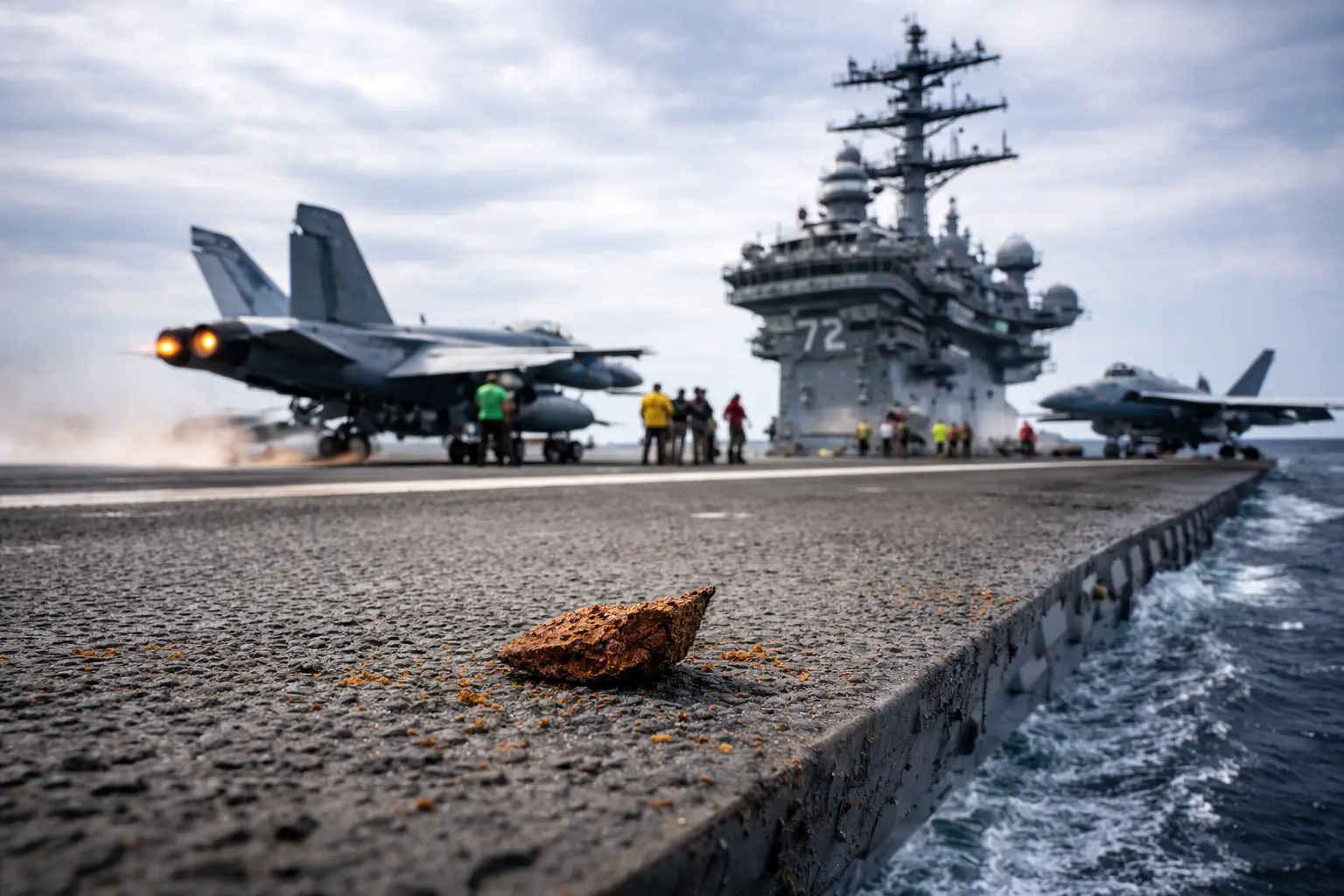
His remarks came hours after Trump announced a sweeping naval move following the failure of talks in Islamabad. “Effective immediately, the United States Navy… will begin the process of blockading any and all ships trying to enter, or leave, the Strait of Hormuz,” he said, adding that “at some point, we will reach an ‘all being allowed to go in, all being allowed to go out’ basis.”
The statement marked a sharp escalation in tensions in the region, with the Strait of Hormuz remaining a critical global oil transit route.
Iran’s navy chief Shahram Irani dismissed the US move as unrealistic, calling Trump’s threat “ridiculous”. “The brave men of the naval force of the Army of the Islamic Republic of Iran are monitoring and supervising all the movements of the aggressive American army in the region. The threats of the US president to blockade Iran at sea are very ridiculous and funny,” he said, according to state television.
Trending Stories
&im=FitAndFill=(700,400)&imwidth=280&imheight=210&format=webp&quality=medium)
&imwidth=280&imheight=210&format=webp&quality=medium)
&imwidth=280&imheight=210&format=webp&quality=medium)
&imwidth=280&imheight=210&format=webp&quality=medium)
&imwidth=280&imheight=210&format=webp&quality=medium)
&imwidth=280&imheight=210&format=webp&quality=medium)
&imwidth=280&imheight=210&format=webp&quality=medium)
&imwidth=280&imheight=210&format=webp&quality=medium)
&imwidth=280&imheight=210&format=webp&quality=medium)
&imwidth=280&imheight=210&format=webp&quality=medium)
&imwidth=280&imheight=210&format=webp&quality=medium)
&imwidth=280&imheight=210&format=webp&quality=medium)
&imwidth=280&imheight=210&format=webp&quality=medium)
&imwidth=280&imheight=210&format=webp&quality=medium)
&imwidth=280&imheight=210&format=webp&quality=medium)
&imwidth=280&imheight=210&format=webp&quality=medium)
&imwidth=280&imheight=210&format=webp&quality=medium)
&imwidth=280&imheight=210&format=webp&quality=medium)
&im=FitAndFill=(700,400)&imwidth=280&imheight=210&format=webp&quality=medium)
&imwidth=280&imheight=210&format=webp&quality=medium)
&imwidth=280&imheight=210&format=webp&quality=medium)
&imwidth=280&imheight=210&format=webp&quality=medium)
&imwidth=280&imheight=210&format=webp&quality=medium)
&imwidth=280&imheight=210&format=webp&quality=medium)
&imwidth=280&imheight=210&format=webp&quality=medium)
&imwidth=280&imheight=210&format=webp&quality=medium)
&im=FitAndFill=(700,400)&imwidth=280&imheight=210&format=webp&quality=medium)
&imwidth=280&imheight=210&format=webp&quality=medium)
&imwidth=280&imheight=210&format=webp&quality=medium)
&imwidth=280&imheight=210&format=webp&quality=medium)
&imwidth=280&imheight=210&format=webp&quality=medium)
Meanwhile, Iran’s President Masoud Pezeshkian signalled conditional openness to diplomacy while criticising Washington’s stance. “If the American government abandons its totalitarianism and respects the rights of the Iranian nation, ways to reach an agreement will certainly be found,” he said.
Pezeshkian also praised the negotiating team, including Ghalibaf, for their efforts, even as the talks failed to produce a breakthrough. The developments underline rising tensions in West Asia after negotiations between Tehran and Washington ended without a deal, raising concerns over further escalation in the strategically vital region.