'Jet Killers': Why a tiny rust flake on the USS Abraham Lincoln flight deck is deadly

A tiny rust flake on the USS Abraham Lincoln's 4.5-acre flight deck can destroy a $14 million jet engine. Sailors conduct daily manual inspections to remove debris and battle saltwater corrosion, ensuring the carrier remains combat-ready.
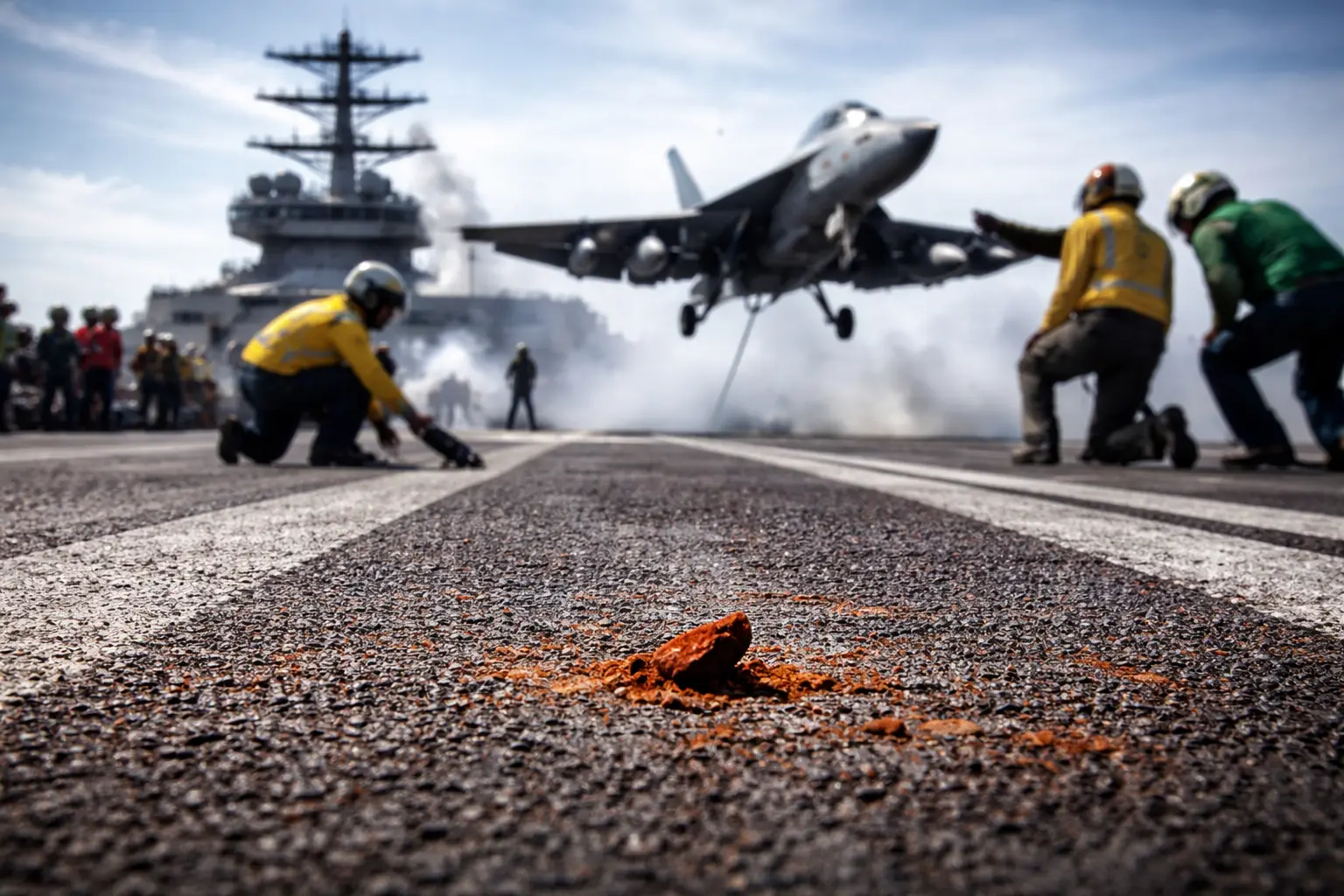
Giant 4.5-Acre Flight Deck
The Nimitz-class USS Abraham Lincoln features a massive 4.5-acre flight deck. Operating in severe maritime environments, the carrier is constantly exposed to saltwater and moisture. This harsh setting makes rust control a critical daily mission for the crew.
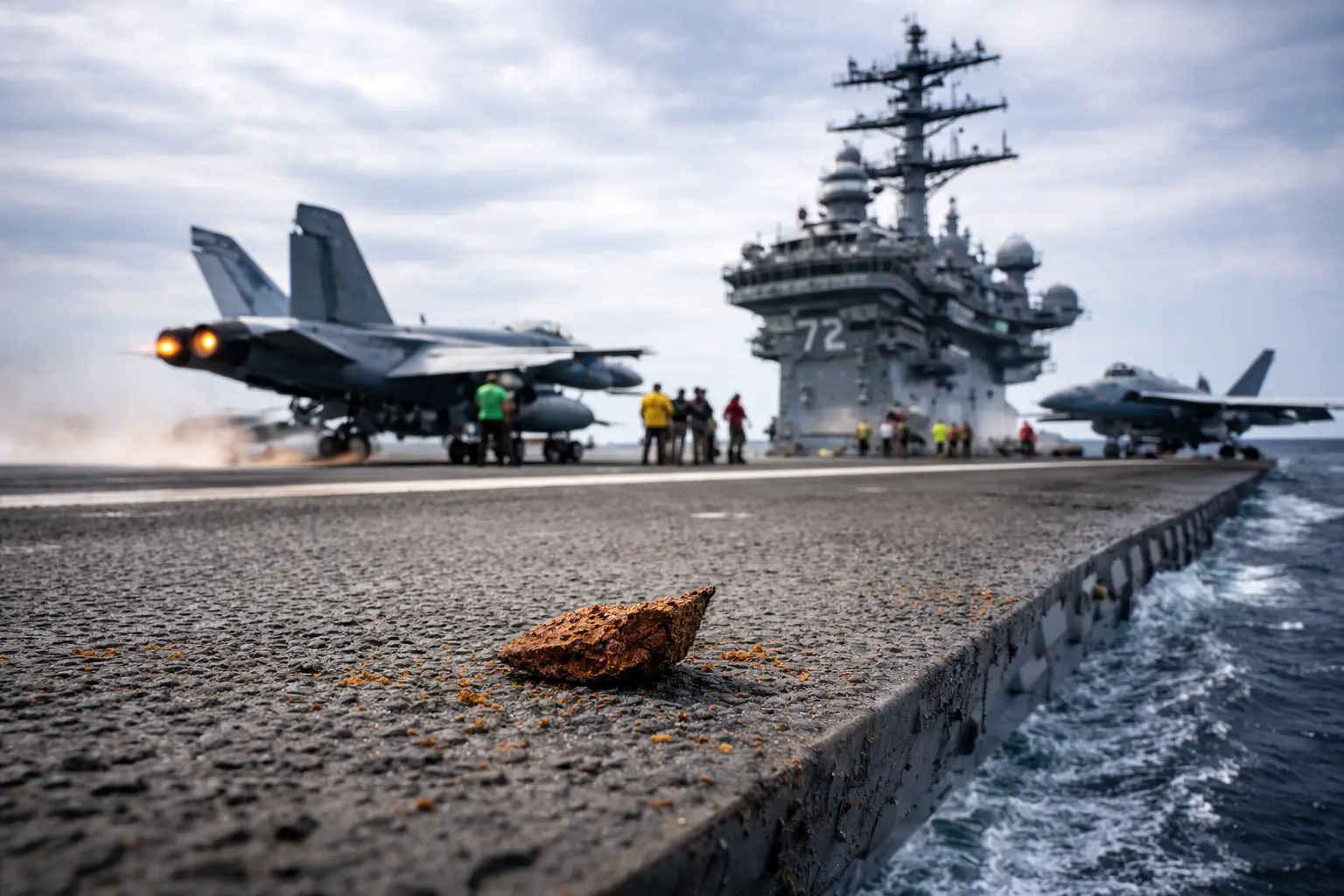
Deadly 2-Gramme Rust Flakes
A tiny rust flake peeling from the carrier's structure transforms into a deadly weapon. This is known in naval aviation as Foreign Object Damage. Even a piece of debris weighing just two grammes can destroy an advanced aircraft engine.
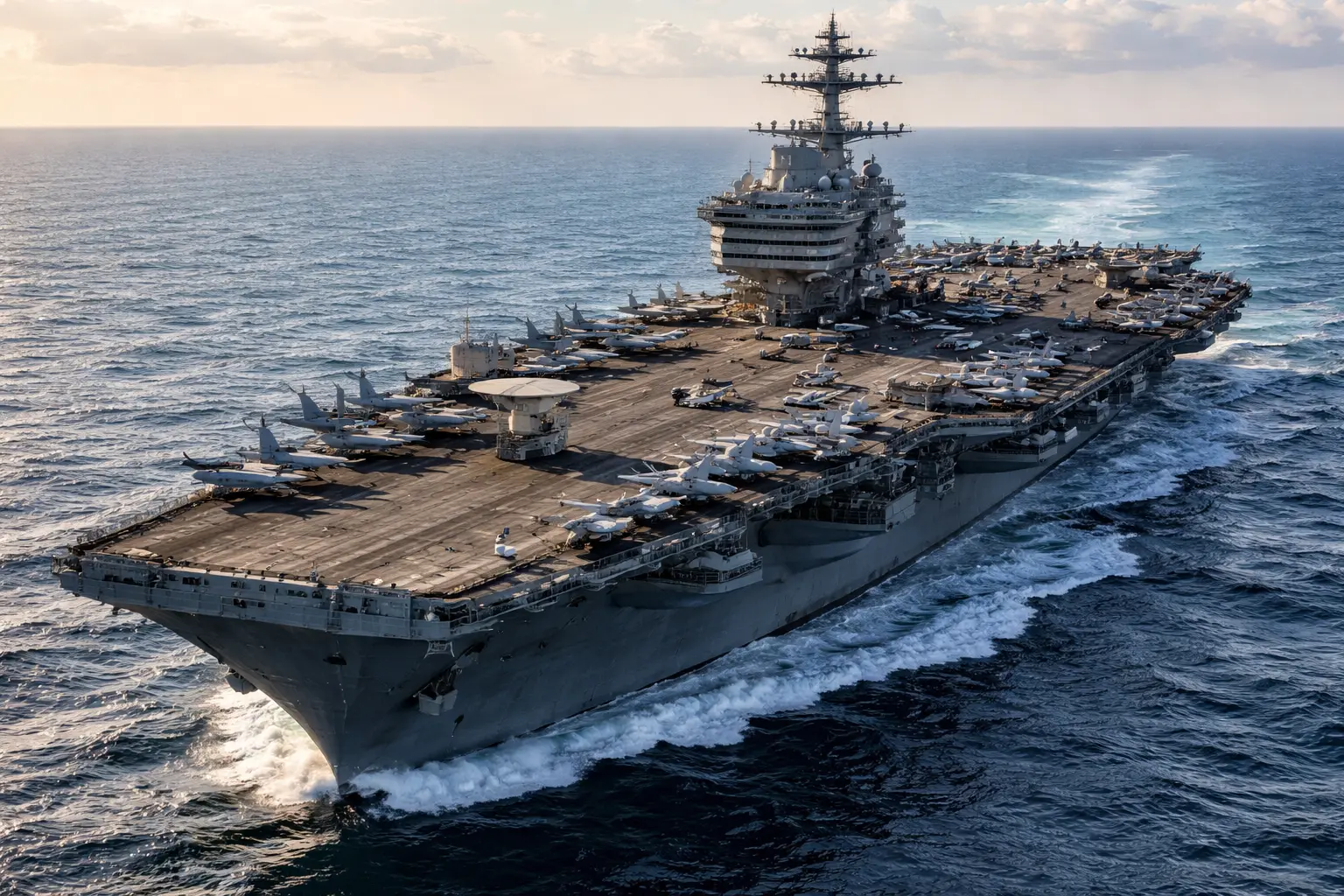
Vacuum Pulls Massive Volumes
Modern fighter jets like the F-35C Lightning II feature engines that act like giant vacuums. They can pull in massive volumes of air during takeoff. Any loose rust flake near the intake is instantly sucked into the delicate machinery.
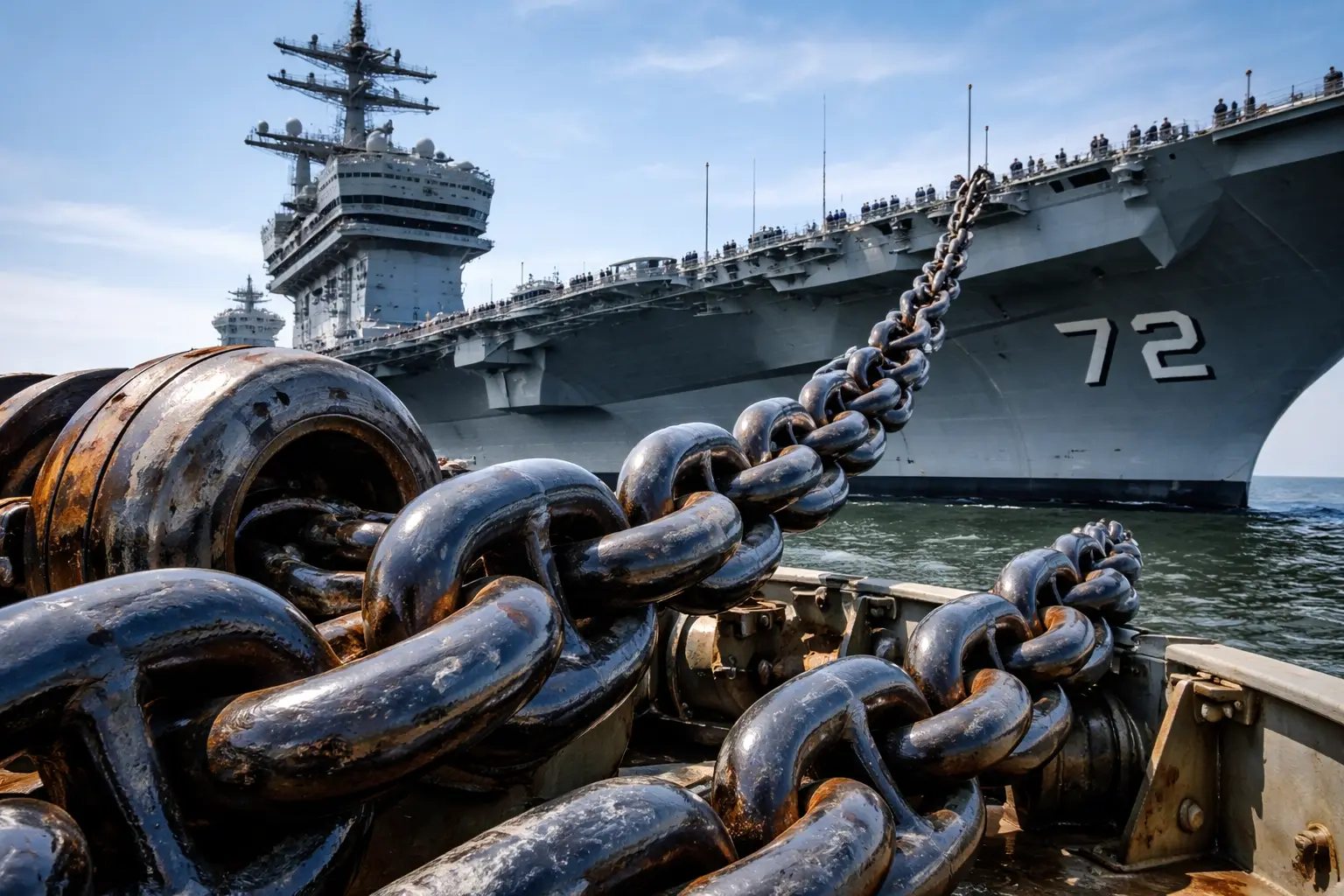
Blades At 15,000 RPM
Jet engine turbine blades rotate at incredible speeds during intense catapult launches. When a hard rust flake strikes these titanium blades at high velocity, it causes immediate structural fractures. The high-speed collision instantly shuts down the aircraft.
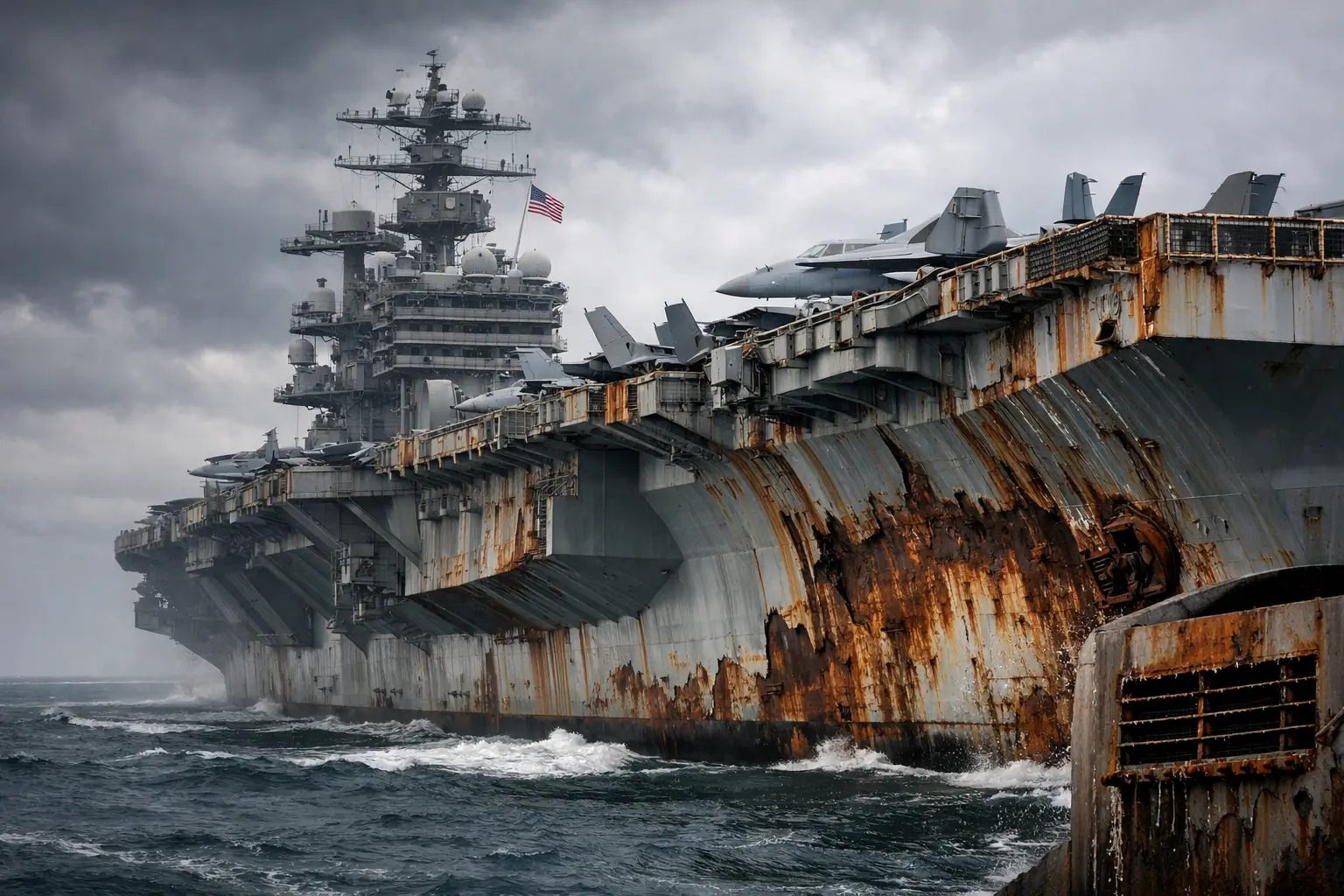
Engine Costs $14 Million
An engine destroyed by a tiny rust flake requires a complete overhaul or total replacement. Replacing a damaged F-35C turbofan engine can cost over $14 million. This also instantly removes a crucial combat asset from an ongoing mission.
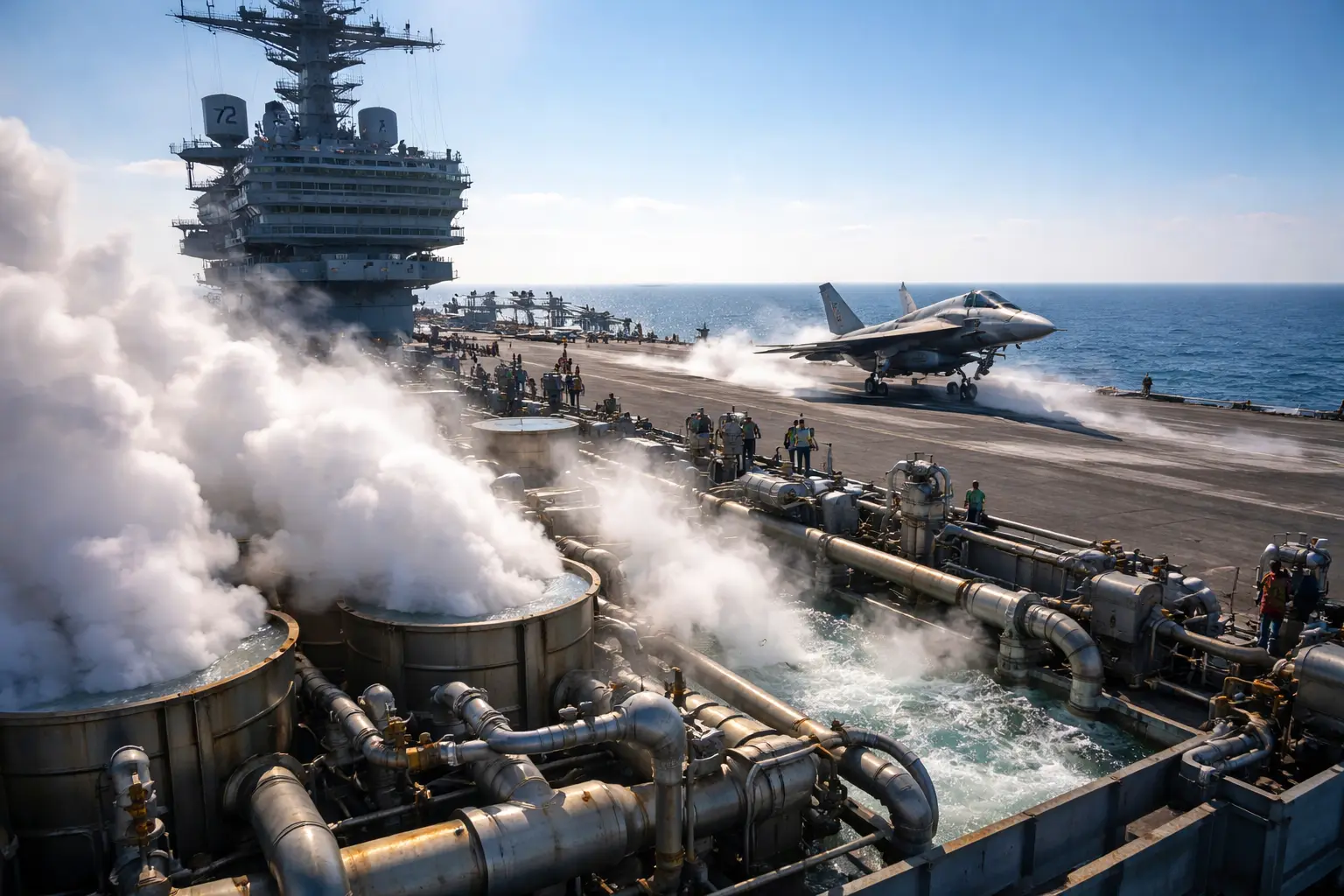
100 Per Cent Humidity
The aircraft carrier operates in severe marine environments where saltwater and 100 per cent humidity constantly degrade metal. Managing this corrosion is a continuous operation. Maintenance teams must scrape and repaint steel structures constantly to prevent rust formation.
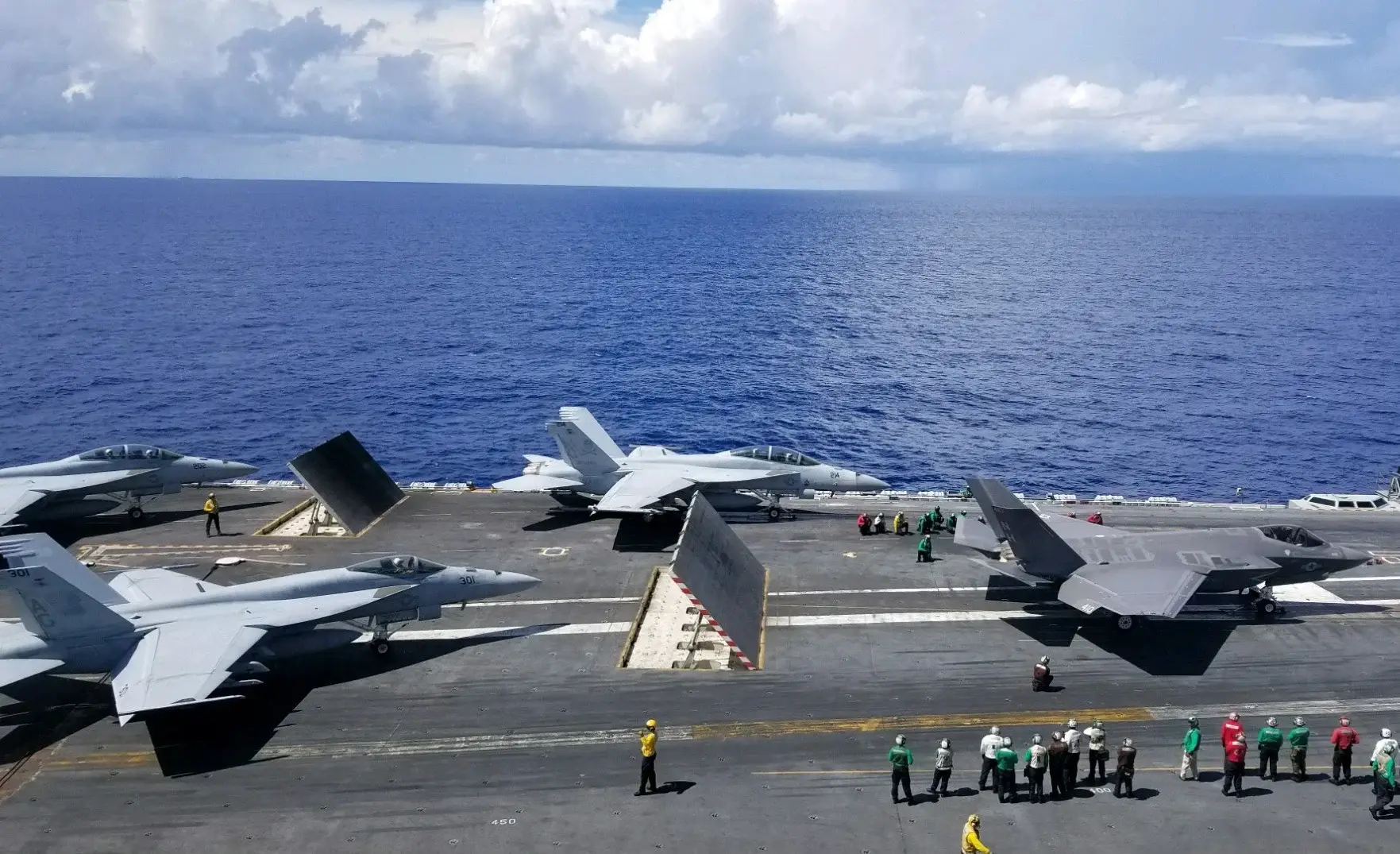
1,000 Sailors Scan Daily
To prevent these catastrophic accidents, the crew performs mandatory walkdowns every day. Hundreds of sailors line up shoulder-to-shoulder to manually inspect the entire 4.5-acre deck. They physically search for and remove every single rust flake to ensure safety.
)
)
)
)
)