
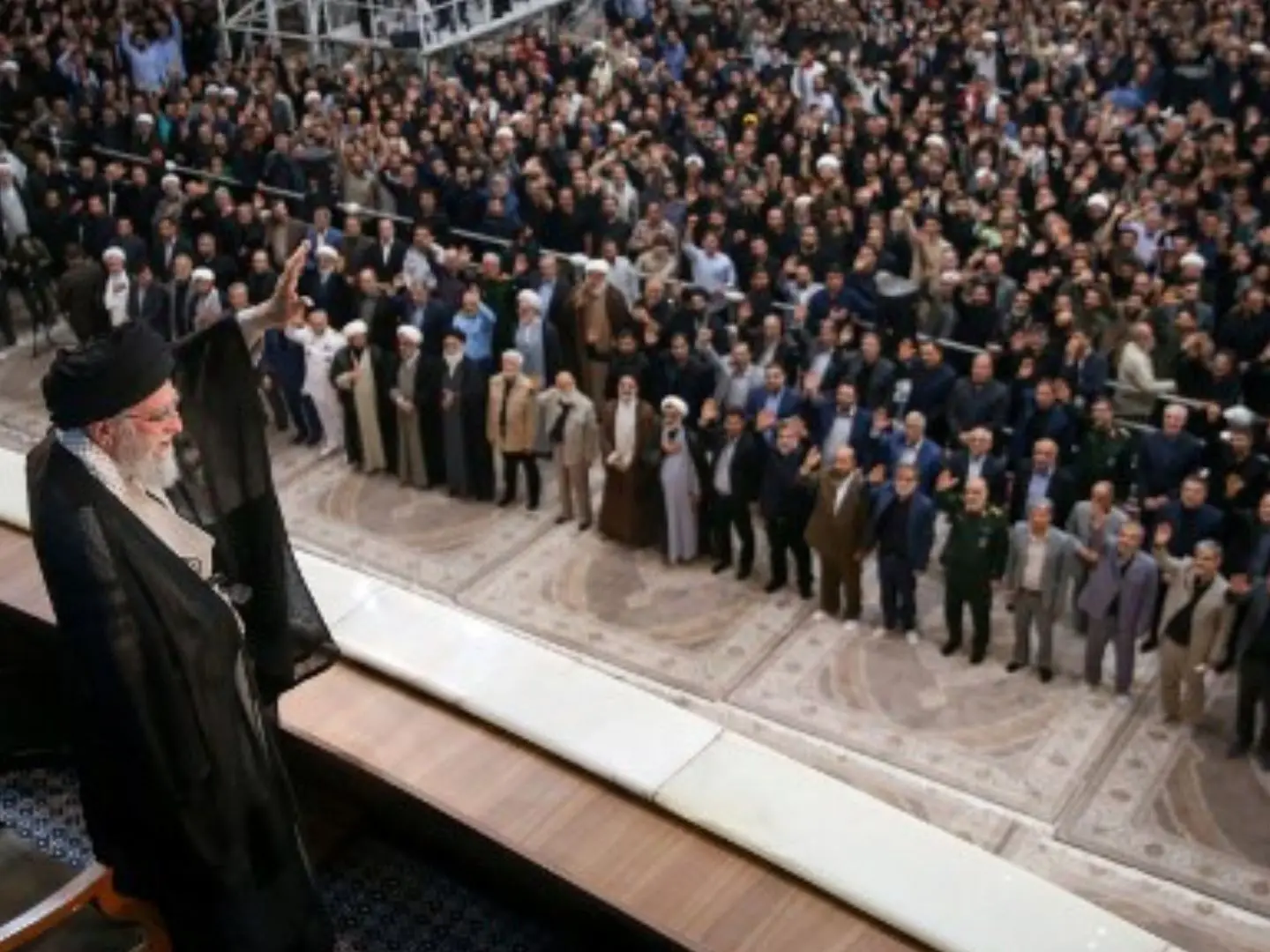
&imwidth=800&imheight=600&format=webp&quality=medium "Iran remains defiant for nuclear power, ditching diplomatic playbook")
Following the pre-emptive air strikes, Iran remains defiant in its pursuit of nuclear power, underscoring not just its resilience but also doubling down with its rhetoric, claiming it as its ‘sovereign right’ to nuclear enrichment and missile power.
"One should not speak to such a predatory regime except in the language of power," Iran declared, “The world now better understands Iran’s insistence on the right to enrichment, nuclear technology, and missile power.”
While this seems like the usual rhetoric from Iran but the timing, tone, and consequences of this declaration point to a significant escalation in the region.

Iran ditching the diplomatic playbook
For years, Iran has walked a thin line between its nuclear ambitions and, at the same time, insisting it was committed to peaceful energy use, by remaining a party to the Joint Comprehensive Plan of Action (JCPOA)
But this latest statement is devoid of any diplomatic pretence. Instead, it embraces an unambiguous and confrontational assertion, one that leaves the talks in Oman in the dark. Iran will pursue its nuclear plans as a national right but not as a diplomatic concession; furthermore, its refusal to comment on the diplomatic talks with the United States hints at the end of the era of nuclear negotiation, as it is approaching weapon-grade uranium enrichment.
Trending Stories
)
IND vs AFG, 1st T20I: When and where to watch live streaming in India?
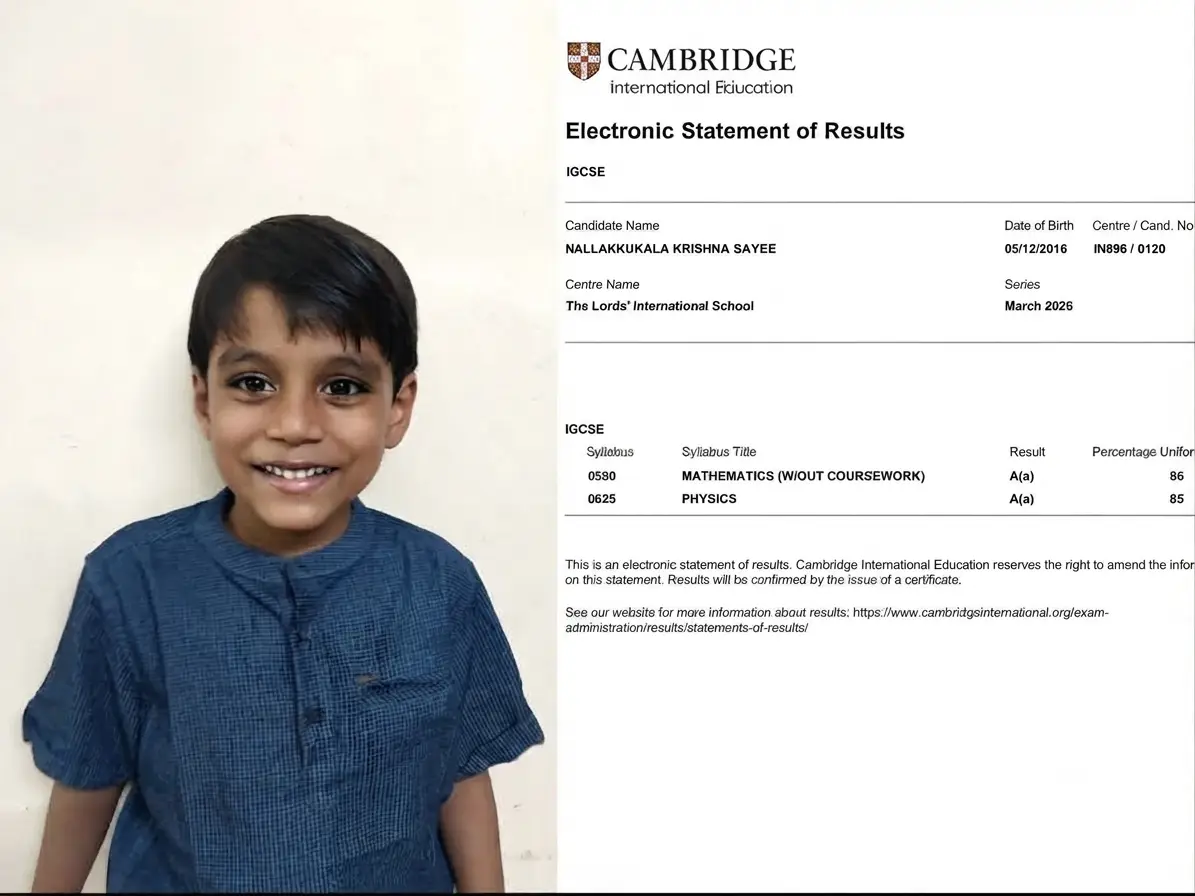)
9-year-old Chennai prodigy clears Cambridge IGCSE grade 10 exams
)
Bigg Boss 20: Qazi Touqeer gets a special ‘rockstar’ moment from Salman Khan
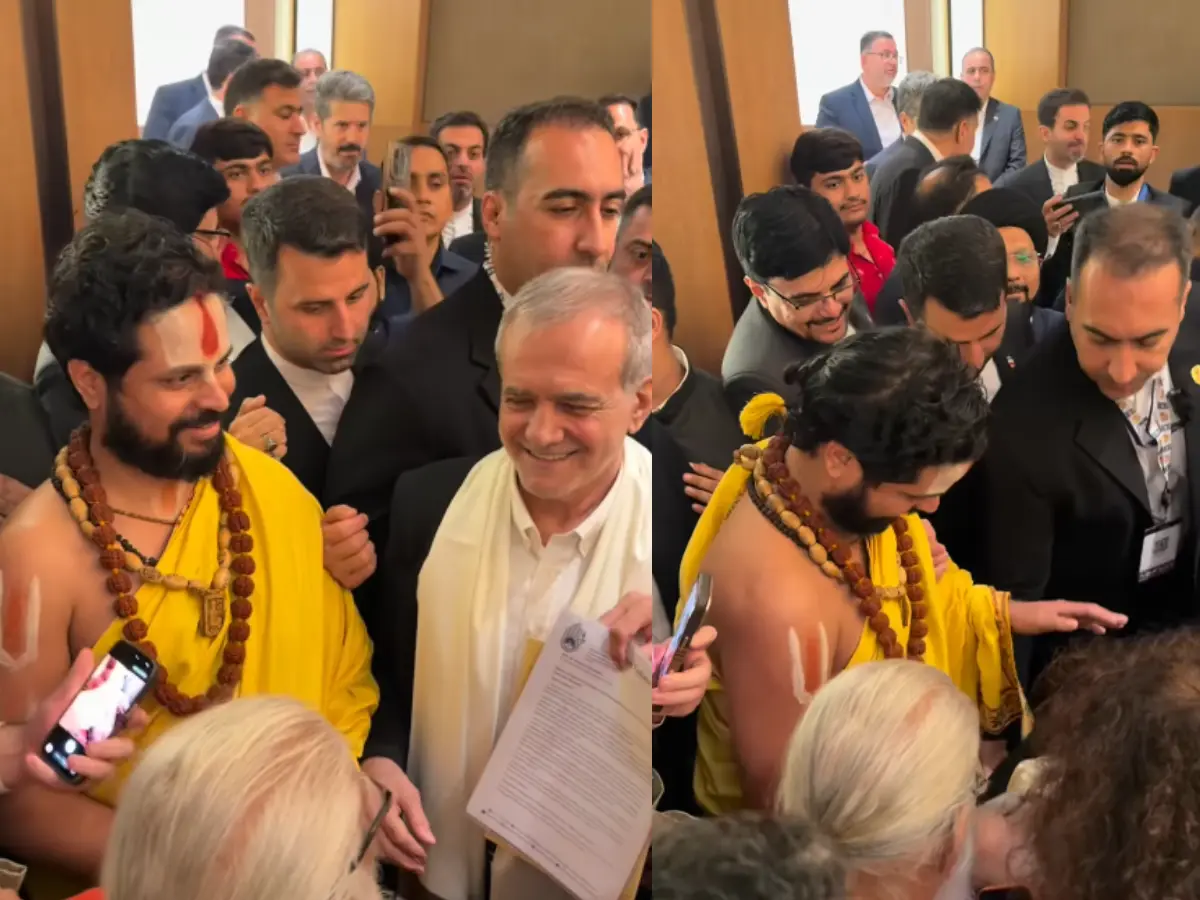)
Did Iran President Pezeshkian touch feet of Hindu spiritual leader at Delhi event as shown in viral video?
&im=FitAndFill=(700,400))
Meet top 5 batters fastest to 3000 runs in T20Is
)
BRICS Summit 2026: PM Modi to hold bilateral with leaders of seven countries
)
‘Partners, not rivals’: Xi outlines four point plan for stronger India-China ties
)
Could staying indoors all day affect your health?
)
Who is the smiling man beside Modi, Putin and Xi at BRICS Summit 2026?
)
BRICS Summit day 1: New Delhi declaration adopted with full consensus, big diplomatic win for India
)
800 million years old - Scientists discover 'fingerprints' of supercontinent Gondwana in ancient rocks
)
BRICS Summit 2026: PM Modi addresses Day 2 of 18th BRICS summit
)
Houthis launch cross-border strike on Saudi Arabia as Yemen war escalates
)
BRICS Summit 2026: PM Modi, Xi reach key consensus on ties, China to assume BRICS chairmanship in 2027
)
Top 5 places to visit in Goa beyond its famous beaches
)
How does the loss of forests affect the way wildlife lives and moves?
)
Humans may lose control of AI: Anthropic CEO calls for slowdown, Altman, Musk back him
)
War is making Russia stronger? How Ukraine is shaping Moscow’s next generation of weapons
&im=FitAndFill=(700,400))
Why do air defence missiles explode near their target instead of hitting it?
)
BRICS Summit 2026: Chinese president Xi Jinping departs from New Delhi after attending BRICS summit
)
Why asking questions could be more important than memorising answers
&im=FitAndFill=(700,400))
Why Chinese PL-15 air-to-air missiles use dual-pulse motors compared to European interceptors
)
Trump says Canada eager to reach a deal, it could come ‘fairly soon’ if Ottawa treats US farmers better
)
Why going digital does not always mean becoming more efficient
)
'He is popular...': Malaysian PM Anwar Ibrahim's praise for PM Modi during bilateral meeting | WATCH
)
Osama Bin Laden ‘planned’ to target India, CIA reveals dozens of declassified documents
)
BRICS Summit 2026: Global leaders of BRICS nations attend main open session
)
'Iran won't surrender': Pezeshkian sends blunt message to US while attending BRICS Summit in India
)
Why dehydration is the hidden cause of travel fatigue on long flights
)
Why does your skin need protection from UV rays?
)
Frustrated man demolishes his kitchen after thousands flock to see Mother Mary his wife spotted on the wall
)
BRICS Summit 2026: Consensus on joint declaration, diplomatic win for India
)
Why does your body need time to adjust after a long journey?
)
BRICS Summit 2026: Iran's Pezeshkian praises PM Modi at BRICS
)
PM Modi and China's Xi offered to help resolve Russia-Ukraine war: Kremlin
)
From severe mobility problems to recovery: Madhuri the elephant’s journey of wildlife care
)
Why do wild animals need quiet places to survive?
)
Ramanathaswamy temple takes centre stage as PM Modi welcomes world leaders at BRICS
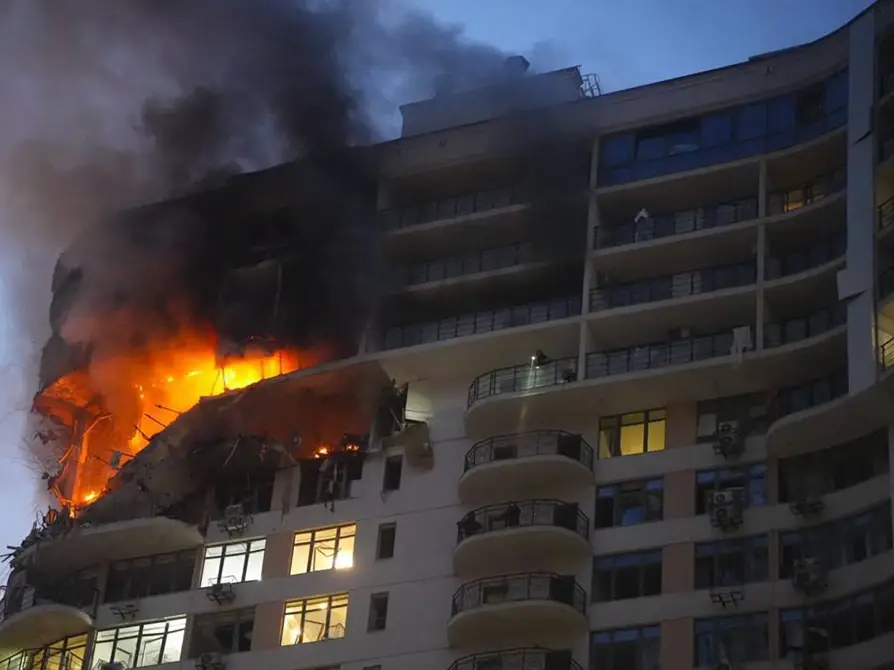
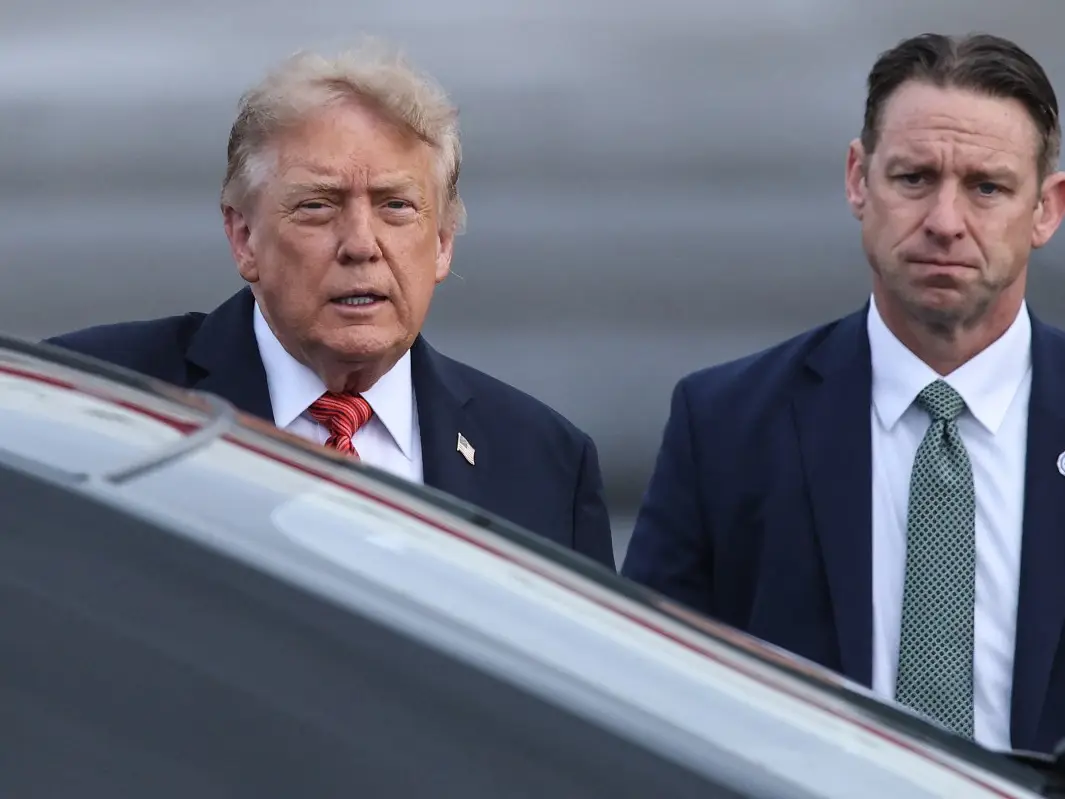
This comes as a response to Israel's covert and overt operations in Iran, which targeted 100 nuclear and military sites, and killed several top leaders in its armed forces. The air strike, which had used US intelligence, had outraged Iran. Though the United States maintain the strike was unilateral from Israel, it has claimed awareness about the planning of the same. US President Donald Trump has changed his tone from professing caution and restraint to Israel to pride and praise of its military excellence, which leaves little room for the resumption of the talks.
This should raise concern across the world, as Iran is not just any simple nation; it is a theocratic state which believes it has a divine right to rule. It poses as the leader of the Islamic world, but this rhetoric is not just for deterrence but of ideological conviction and narrative dominance. Tehran's bold posture will embolden its proxies like Hezbollah, Houthi, Iraqi Militia and Hamas and will destabilise the region.
More than anything, this implies a strategic failure or at least a setback for the United States' foreign policies, which failed to contain Iran diplomatically. Israel is acting independently, and possibly with U.S. approval, even if it's unofficial. For critics, US policy is more reactive than strategic. The US perceived Iran as weak, and it might remain silent or retaliate slowly; instead, it took the situation to silently exit the JCPOA.

