Iran ceasefire deal: Talks with US in Islamabad on Friday; approved by Mojtaba Khamenei — Reports

&imwidth=600&imheight=450&format=webp&quality=medium "Iran ceasefire deal: Talks with US in Islamabad on Friday; approved by Mojtaba Khamenei — Reports")
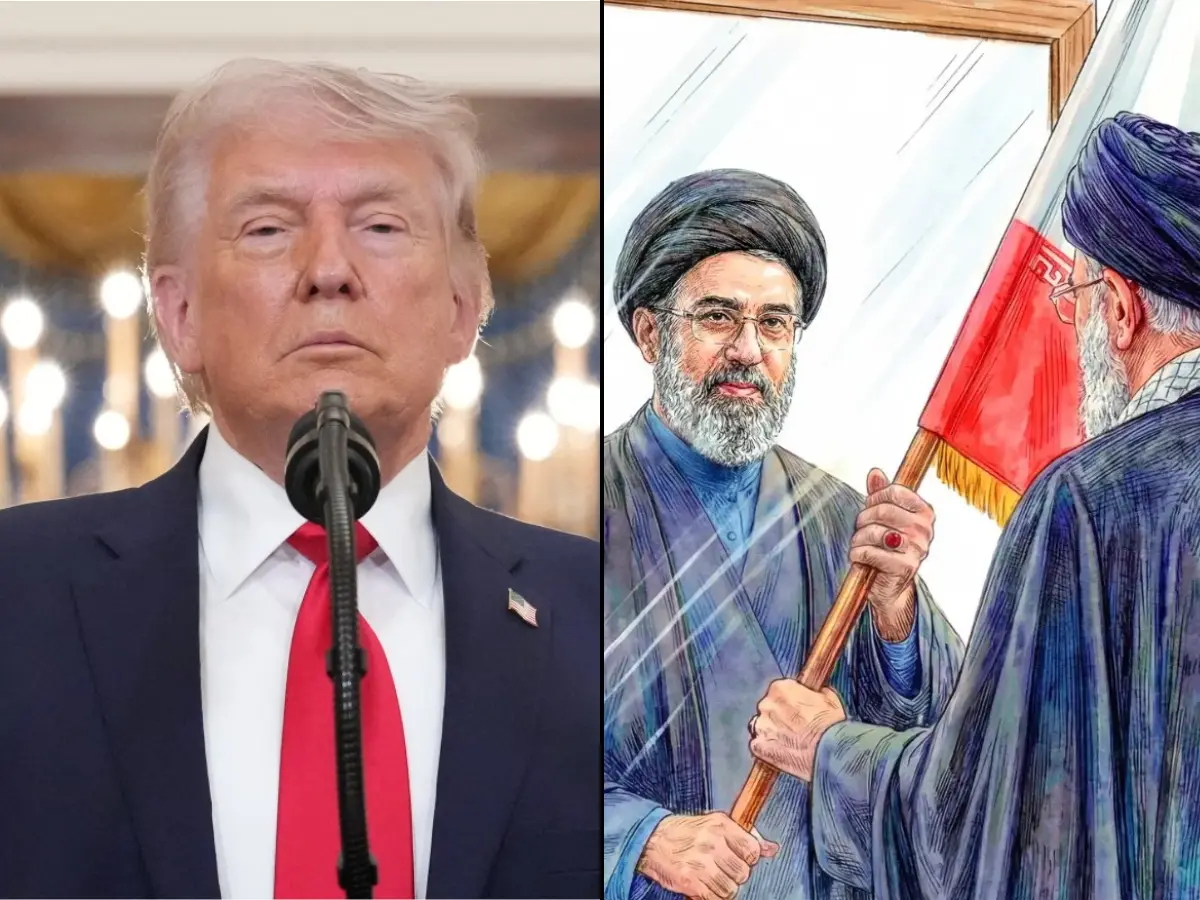
Iran confirmed that negotiations with the United States will be held in Islamabad Photograph: (AFP, Khamenei IR/X)
As per reports, Iran accepts Pakistan-backed ceasefire after China intervenes; US talks set to take place on April 10 in Islamabad as Tehran pushes 10-point plan demands
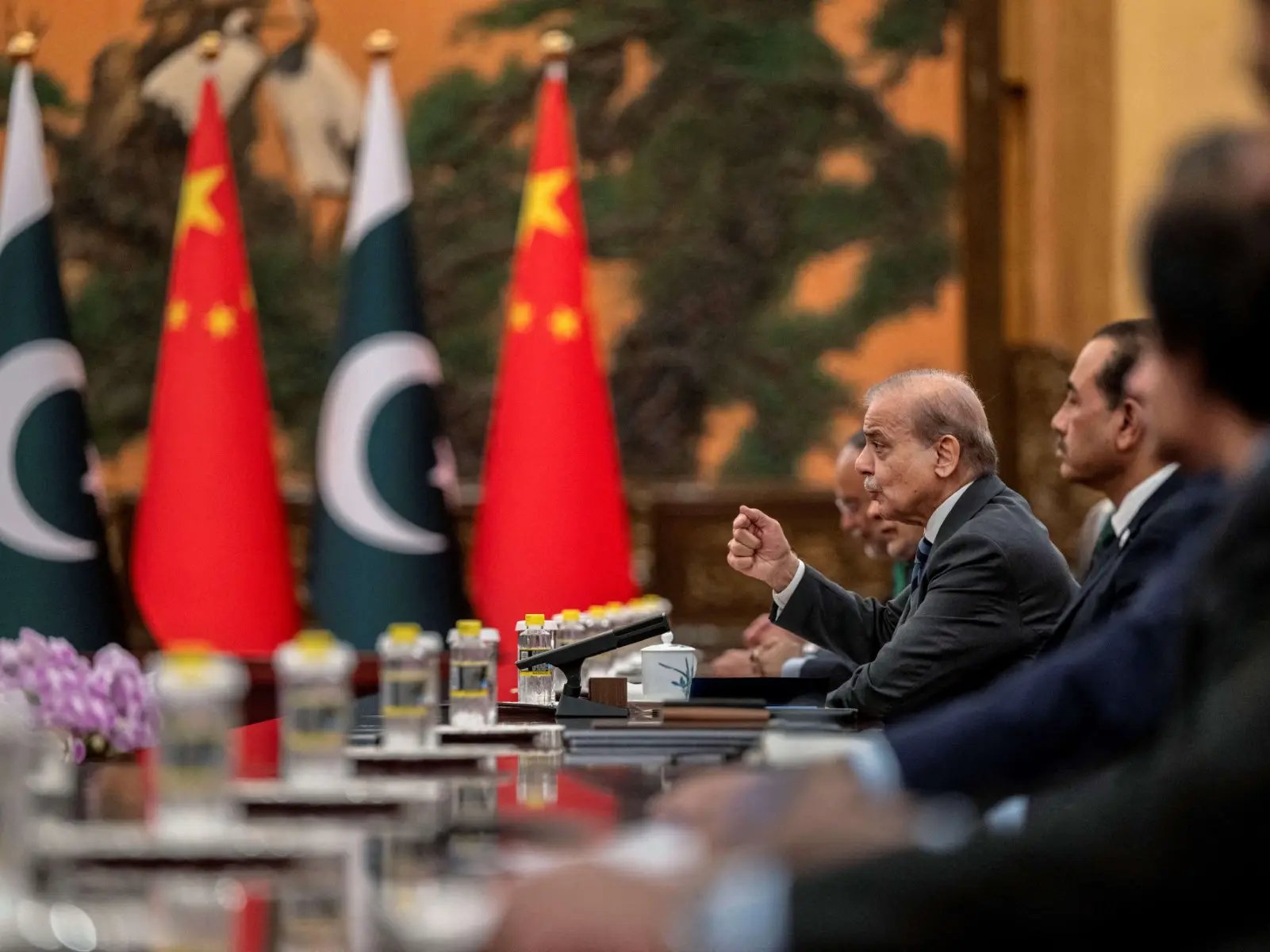
Iran has accepted a two-week ceasefire proposal mediated by Pakistan following intense diplomatic efforts and last-minute intervention by China, according to three Iranian officials cited by The New York Times. The officials said the decision came amid rising concerns over economic damage caused by strikes on critical infrastructure. The ceasefire was reportedly approved by Iran’s new Supreme Leader, Ayatollah Mojtaba Khamenei.
In a statement, Iran’s National Security Council declared the outcome a “victory,” congratulating the Iranian people for their resistance during the five-week conflict involving the United States and Israel. “We congratulate the people of Iran for this victory and reiterate that until the final details of the victory are finalized, officials and people must remain united and defiant,” the council said.
Also Read: 'Agree to suspend bombing of Iran for two weeks', says Trump; calls it 'double-sided ceasefire'
The statement also claimed that the United States had agreed in principle to Iran’s 10-point peace framework, which includes guarantees against future attacks, Iranian oversight of the Strait of Hormuz, and compensation for war-related losses. However, US President Donald Trump struck a more cautious tone, saying in a post on Truth Social that Washington was willing only to discuss the proposal.
Negotiations to take place in Islamabad: Reports
According to Reuters, Iran confirmed that negotiations with the United States will be held in Islamabad to finalize the ceasefire framework. Iranian officials said the talks are expected to begin on Friday, April 10, and could extend beyond 15 days if both sides agree. The stated goal of the negotiations is to translate Iran’s battlefield gains into political outcomes within a defined timeframe.
Trending Stories
&im=FitAndFill=(700,400)&imwidth=280&imheight=210&format=webp&quality=medium)
&imwidth=280&imheight=210&format=webp&quality=medium)
&imwidth=280&imheight=210&format=webp&quality=medium)
&imwidth=280&imheight=210&format=webp&quality=medium)
&imwidth=280&imheight=210&format=webp&quality=medium)
&imwidth=280&imheight=210&format=webp&quality=medium)
&imwidth=280&imheight=210&format=webp&quality=medium)
&imwidth=280&imheight=210&format=webp&quality=medium)
&imwidth=280&imheight=210&format=webp&quality=medium)
&imwidth=280&imheight=210&format=webp&quality=medium)
&imwidth=280&imheight=210&format=webp&quality=medium)
&imwidth=280&imheight=210&format=webp&quality=medium)
&imwidth=280&imheight=210&format=webp&quality=medium)
&imwidth=280&imheight=210&format=webp&quality=medium)
&imwidth=280&imheight=210&format=webp&quality=medium)
&imwidth=280&imheight=210&format=webp&quality=medium)
&imwidth=280&imheight=210&format=webp&quality=medium)
&imwidth=280&imheight=210&format=webp&quality=medium)
&im=FitAndFill=(700,400)&imwidth=280&imheight=210&format=webp&quality=medium)
&imwidth=280&imheight=210&format=webp&quality=medium)
&imwidth=280&imheight=210&format=webp&quality=medium)
&imwidth=280&imheight=210&format=webp&quality=medium)
&imwidth=280&imheight=210&format=webp&quality=medium)
&imwidth=280&imheight=210&format=webp&quality=medium)
&imwidth=280&imheight=210&format=webp&quality=medium)
&imwidth=280&imheight=210&format=webp&quality=medium)
&im=FitAndFill=(700,400)&imwidth=280&imheight=210&format=webp&quality=medium)
&imwidth=280&imheight=210&format=webp&quality=medium)
&imwidth=280&imheight=210&format=webp&quality=medium)
&imwidth=280&imheight=210&format=webp&quality=medium)
&imwidth=280&imheight=210&format=webp&quality=medium)
What is in Iran’s 10-point plan?
Iranian state media reported that the proposed 10-point plan includes:
- Controlled transit through the Strait of Hormuz under coordination with the Iranian armed forces
- An end to military action against Iran and its allied groups
- Withdrawal of US combat forces from regional bases
Despite agreeing to talks, Iran emphasized that negotiations do not signify the end of the war. Officials reiterated that any formal conclusion to the conflict will depend on final agreements aligned with the 10-point proposal.
Disclaimer: WION takes utmost care to accurately and responsibly report ongoing conflicts in West Asia involving Israel, Iran, the US, Gulf nations, and non-state actors like Hezbollah, Hamas, Houthis, Islamic State, and others. Claims and counterclaims, disinformation and misinformation are being made online and offline. Given this context, WION cannot independently verify the authenticity of all statements, social media posts, photos, and videos.

