Iran and Oman assert joint control over Strait of Hormuz to end 'dual blockade'

&imwidth=600&imheight=450&format=webp&quality=medium "Iran and Oman assert joint control over Strait of Hormuz to end 'dual blockade'")
Iran and Oman assert joint control over Strait of Hormuz to end 'dual blockade' Photograph: (Credit: X/@araghchi)
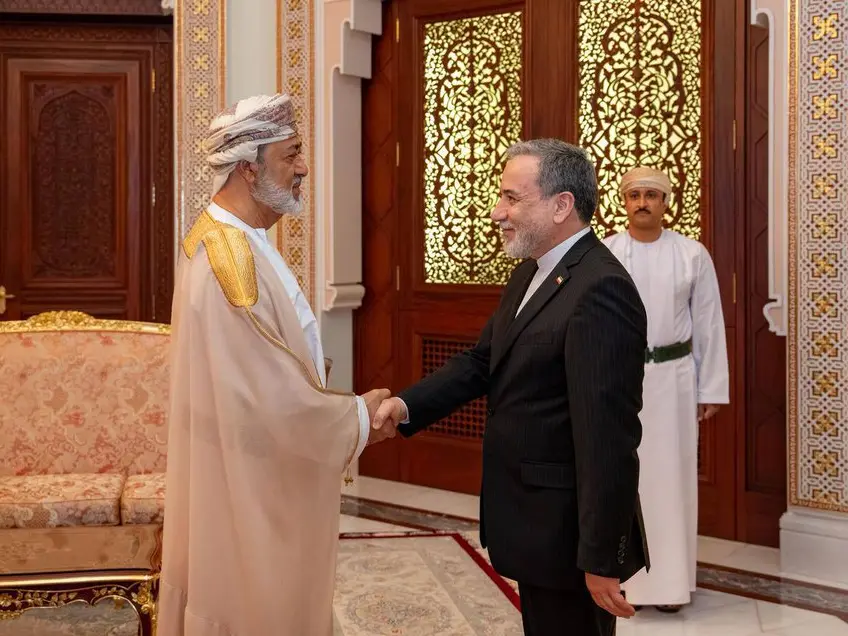
In a major diplomatic shift, Iran and Oman have aligned their maritime strategies to secure the Strait of Hormuz. Following high-level talks in Muscat, both nations are pushing for a regional solution to the naval blockade.
In a significant shift, Iran and Oman have formally aligned their positions on the Strait of Hormuz. Following high-level talks in Muscat, Iranian Foreign Minister Abbas Araghchi and Omani Foreign Minister Badr Albusaidi issued coordinated statements emphasising a "neighbour-first" policy that seeks to de-escalate the current "dual blockade" without extra-regional interference.The alignment is a direct pushback against the US Navy's counter-blockade of Iranian ports, which began on April 13. By framing Hormuz as a bilateral Omani-Iranian concern, the two nations are attempting to create a new "navigation regime".
Oman, traditionally a neutral mediator, has notably shifted its tone. While the Sultanate continues to push for a peaceful reopening of the Strait, FM Albusaidi emphasised that the war "is not of Iran's making" and that lasting freedom of navigation requires "practical solutions" rather than military coercion said Oman Ministry of Foreign Affairs.
The market has responded with cautious optimism. However, Brent Crude remains volatile at $107.49, as traders wait to see if the US will respect this new Omani-Iranian framework or continue its naval enforcement.
Trending Stories
&imwidth=280&imheight=210&format=webp&quality=medium)
&imwidth=280&imheight=210&format=webp&quality=medium)
&imwidth=280&imheight=210&format=webp&quality=medium)
&imwidth=280&imheight=210&format=webp&quality=medium)
&imwidth=280&imheight=210&format=webp&quality=medium)
&imwidth=280&imheight=210&format=webp&quality=medium)
&imwidth=280&imheight=210&format=webp&quality=medium)
&imwidth=280&imheight=210&format=webp&quality=medium)
&imwidth=280&imheight=210&format=webp&quality=medium)
&imwidth=280&imheight=210&format=webp&quality=medium)
&imwidth=280&imheight=210&format=webp&quality=medium)
&imwidth=280&imheight=210&format=webp&quality=medium)

&imwidth=280&imheight=210&format=webp&quality=medium)
&imwidth=280&imheight=210&format=webp&quality=medium)
&imwidth=280&imheight=210&format=webp&quality=medium)
&imwidth=280&imheight=210&format=webp&quality=medium)
&imwidth=280&imheight=210&format=webp&quality=medium)
&imwidth=280&imheight=210&format=webp&quality=medium)
&im=FitAndFill=(700,400)&imwidth=280&imheight=210&format=webp&quality=medium)
&imwidth=280&imheight=210&format=webp&quality=medium)
&imwidth=280&imheight=210&format=webp&quality=medium)
&imwidth=280&imheight=210&format=webp&quality=medium)
&imwidth=280&imheight=210&format=webp&quality=medium)
&imwidth=280&imheight=210&format=webp&quality=medium)
&imwidth=280&imheight=210&format=webp&quality=medium)
&imwidth=280&imheight=210&format=webp&quality=medium)
&im=FitAndFill=(700,400)&imwidth=280&imheight=210&format=webp&quality=medium)
&imwidth=280&imheight=210&format=webp&quality=medium)
&im=FitAndFill=(700,400)&imwidth=280&imheight=210&format=webp&quality=medium)
&imwidth=280&imheight=210&format=webp&quality=medium)
&imwidth=280&imheight=210&format=webp&quality=medium)
&im=FitAndFill=(700,400)&imwidth=280&imheight=210&format=webp&quality=medium)
&imwidth=280&imheight=210&format=webp&quality=medium)
&imwidth=280&imheight=210&format=webp&quality=medium)
&imwidth=280&imheight=210&format=webp&quality=medium)
In contrast, ranian Parliament Speaker Mohammad Bagher Ghalibaf listed Iran’s strategic leverage as mostly "unplayed," signaling room for escalation:
- SOH (Partly Played): The Strait of Hormuz
- BEM (Unplayed): The Bab-el-Mandeb Strait
- Pipelines (Unplayed): Regional energy infrastructure
The Speaker’s most pointed jab was directed at the American public. Ghalibaf suggested that the "summer vacation" season—a period of peak fuel demand in the US would become a "nightmare" of soaring pump prices unless Washington lifts its naval blockade of Iranian ports. "Washington brags about holding the cards, but they are playing with an empty deck," Ghalibaf reportedly stated.

