Indonesian President tightens security for ministers after attack

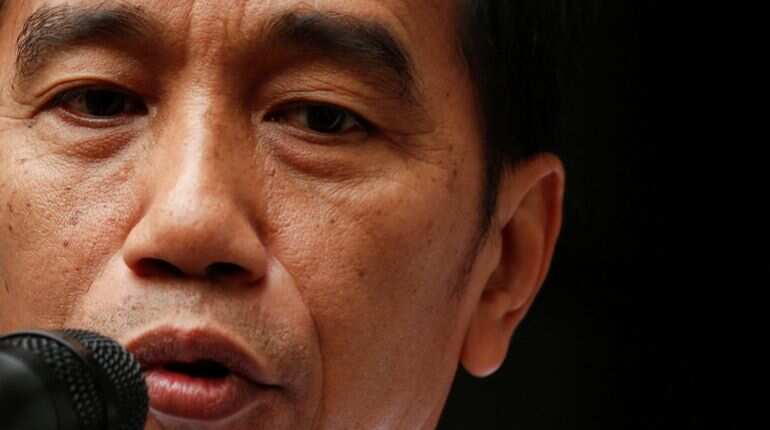
Indonesia's President Joko Widodo
IndonesianPresidentJoko Widodo said on Friday he had ordered tightersecurityfor state officials a dayaftera suspected Islamist militant stabbed the chiefsecurityminister as he was greeting crowds in a provincial town.
Indonesia, which is the world’s biggest Muslim-majority country, is grappling with a resurgence in militancy and hundreds of suspects have been detained under tighter new anti-terrorism laws since the beginning of 2019.
Minister Wiranto, 72, who like manyIndonesians uses just one name, underwent surgery in Jakartaaftersustaining two wounds to the stomach in theattackafterhe opened a university building in Pandeglang town.

He was the first senior politician to beattacked in recent years and thepresidentsaid he should be the last.
"Even when we already havesecuritymeasures in place, they should be tightened so that what happened to Wiranto won't happen again," Widodo told reporters at the hospitalaftervisiting the minister.
"He is getting better, he was able to communicate with me," Widodo said, adding that thesecurityminister had asked to take part in government meetings.
)
Wildfire tears through forests in Spain's Valencia
)
Pakistan boycotts chess match against Israel at Olympiad
)
Sydney Sweeney defends provocative ad choice, the internet is still not impressed
)
The Early Spring season 2 is happening, but fans have one request - 'don't change the actors'
)
Pakistan: Imran Khan's sons Kasim & Sulaiman claim their father is 'tortured' in jail
)
US trade tariff: 100% tariff targets Russian buyers amid trade tensions
)
Lionel Messi for 2026 Ballon d’Or over Mbappe and Yamal, says Diego Simeone
)
240-million-year-old bizarre 'pig with a tusk' creature creates new dilemma over origin of dinosaurs
)
Prime Minister Narendra Modi's birthday: Italian PM Meloni sends birthday wishes
)
Trump praises India’s Opium crackdown, hails anti-drug efforts
)
US Treasury rallies global financial institutions for Op Economic Outcast to isolate Iran
)
Trump calls Canada-EU associate membership plan ‘laughable’ and threatens 'very serious tariffs'
)
Trump gets new power to hit India, China with up to 100% tariffs as US Senate clears Russia sanctions bill
&im=FitAndFill=(700,400))
Suriya and Jyothika say ‘I do’ again after 20 years! See their dreamy wedding pics
)
Hong Kong unveils 11 new measures to boost birth rates, offers higher cash bonuses and housing perks
)
Formula One reveals the 2027 race calendar; Monaco to host sprint race for the first time
)
UN General Assembly 2026: What is veto power. Which countries have it and how does it work?
)
US House votes 417-3 to pass Ratepayer Protection Act targeting AI data center electricity costs
)
Pakistan naval vessel returns to harbour with 'severe damage' after collision with Indian warship in Arabian Sea
)
Protests erupt over migrant housing plan in Piddington
)
All Indian goods to get duty-free access to New Zealand
)
Veteran actor Anant Nag honoured with Indian cinema’s highest award
)
Former India player Diana Edulji wants Smriti Mandhana to replace Harman as skipper at the earliest
)
No Pandya as Auqib Nabi earns maiden ODI call-up; Mayank returns for WI T20Is| check full squads
)
India breaks silence on US Russia sanctions bill, 100% tariff threat: ‘Committed to energy security’ for 1.4 billion
)
Abhishek Sharma rises to No. 2 in T20Is; ENG’s Robinson 3rd after record Pakistan Tests
)
Saudi Vs Houthis: Yemeni military rebels clash with Houthis
)
Europe wants a common playbook for security threats, seeks security beyond NATO
)
Bigg Boss 20: Mahhi Vij reveals she lost Yuva role to Kareena Kapoor; 'didn’t work out in my favour'
)
Saudi vs Houthis: Riyadh claims to have shot Houthi drone targeting Mecca
)
Want to get married within a year? Why 18 lakh people rush to Jaipur for ‘sacred henna’
&im=FitAndFill=(700,400))
New OTT releases this week (September 14-20, 2026): Lust Stories 3, Waiting Hai, Irumudi- 5 new titles coming on Netflix, Prime Video and more
)
Pak batter Rizwan's petition against being questioned by cyber crime agency rejected by court
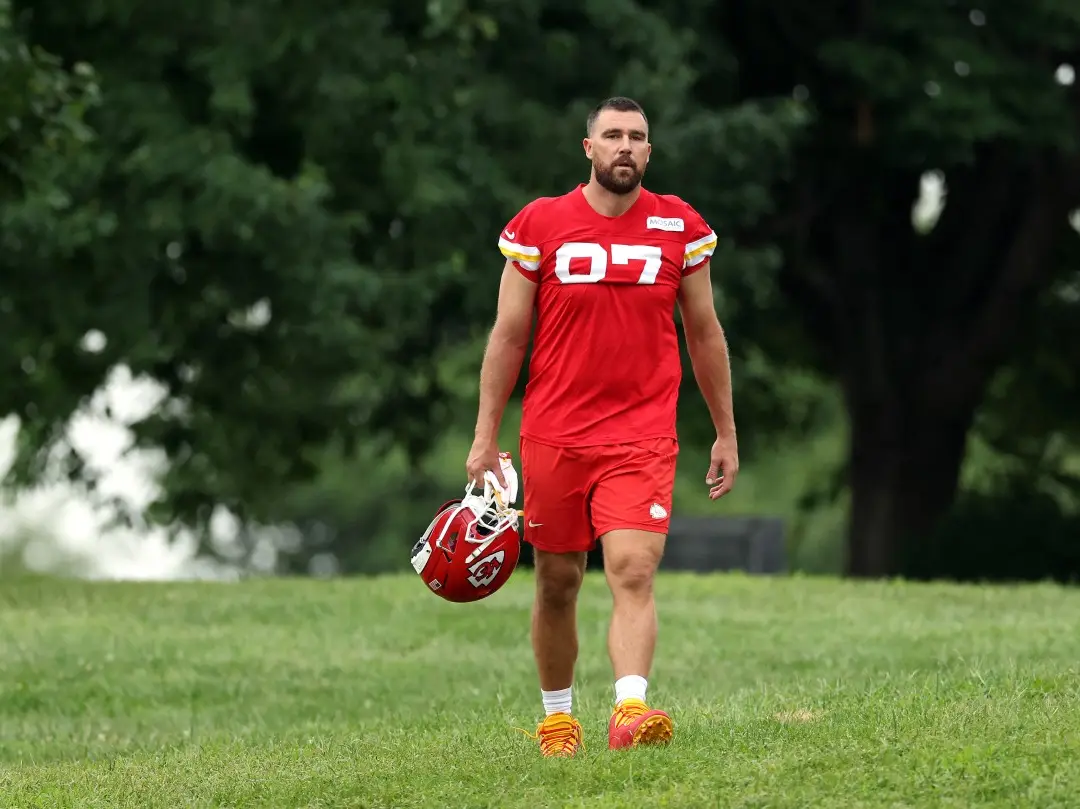)
Chiefs tight end Travis Kelce named one of the victims in $35 million ponzi scheme
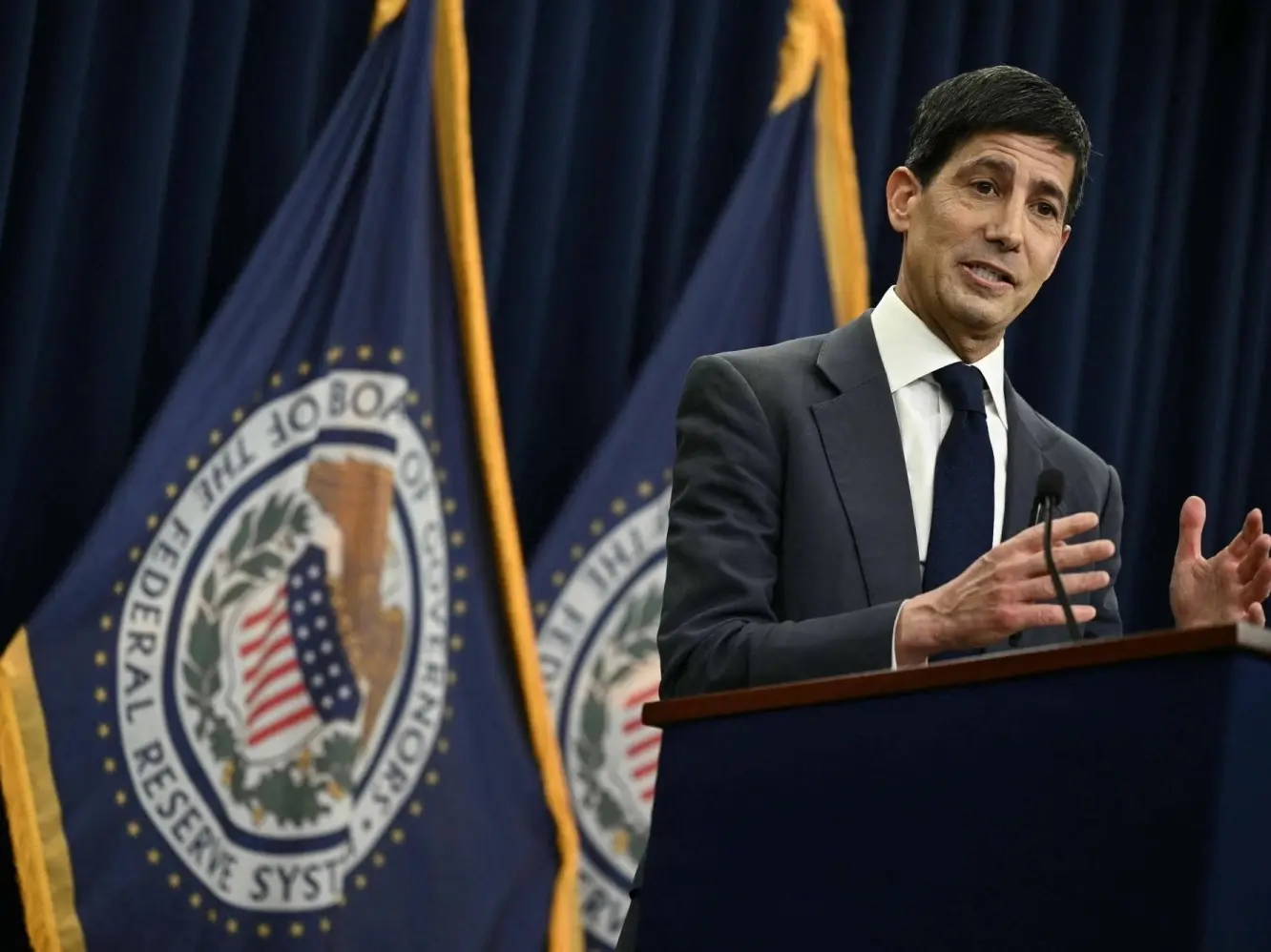)
Fed raises rates for first time in 3 years, Kevin Warsh defies Trump as inflation mounts
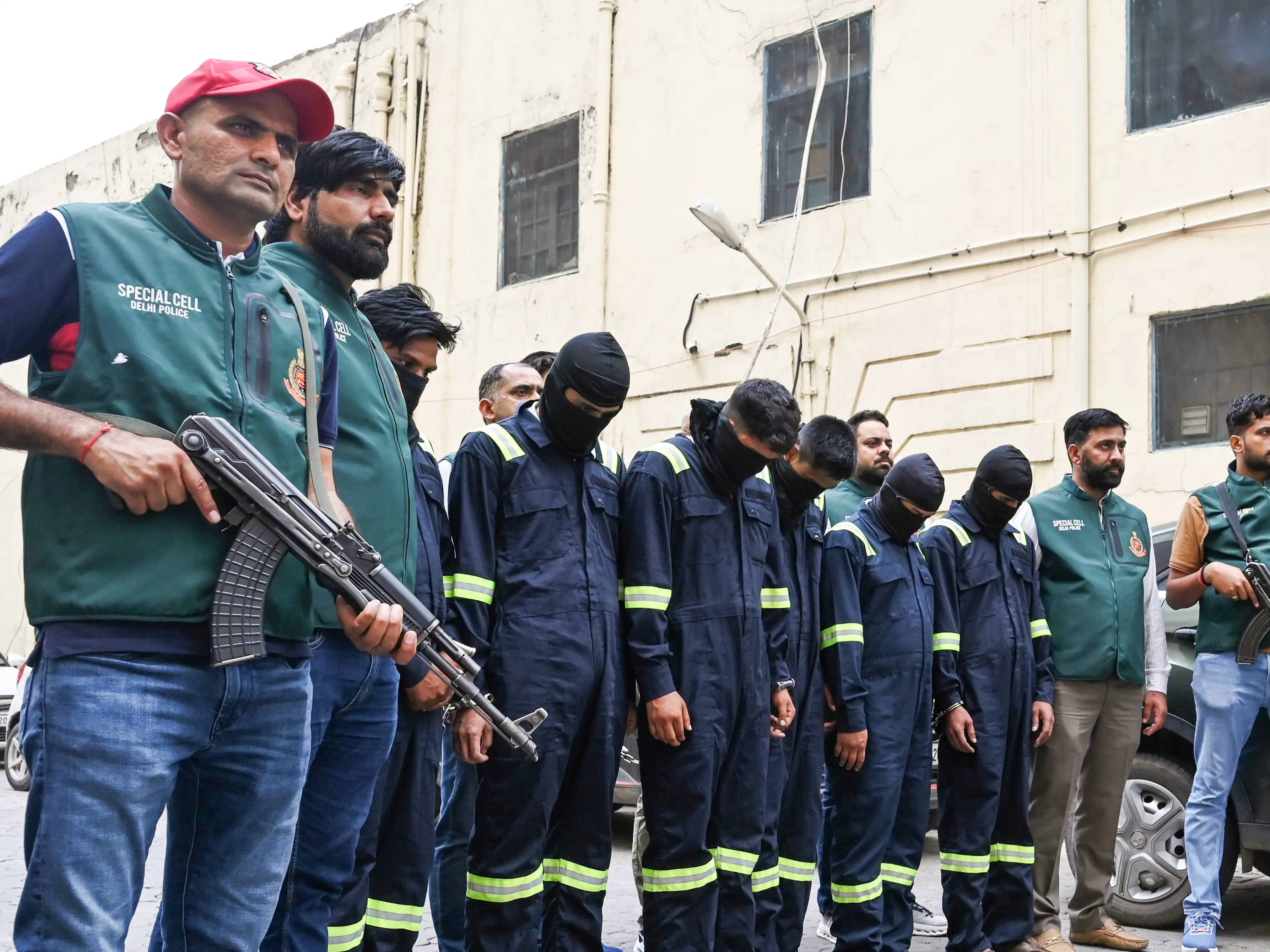)
Shahzad Bhatti Network declared terrorist organisation under UAPA: Govt order
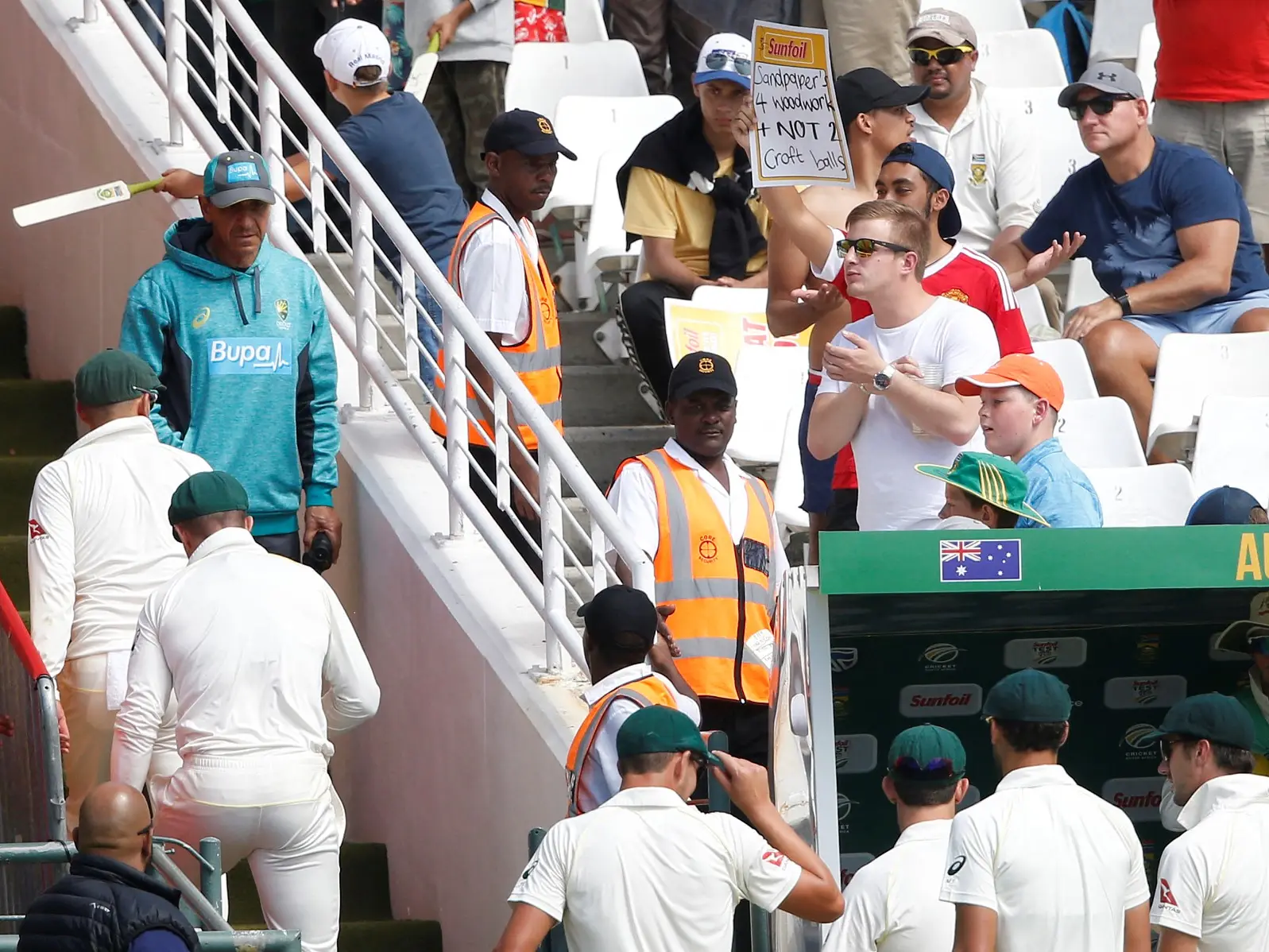)
AUS vs SA: Steve Smith still gets 'little flashbacks' from sandpaper gate
)
‘Imagine 50 AI fighters cornering one manned jet’: India’s mobbing doctrine eyes a new era of air warm
)
Daayra movie review: Kareena Kapoor, Prithviraj Sukumaran shine in Meghna Gulzar’s cop-versus-cop crime thriller
)
Katrina Kaif’s postpartum weight is not the problem; your gaze is
)
Taiwan seeks deeper India ties as direct flights restart soon and chip projects advance
)
Former OpenAI researcher warns of growing risks from Artificial Intelligence
Police arrested a man and a woman they suspected were a couple and confiscated sharp objects that they were carrying, including knives and scissors.
The head of Indonesia's main intelligence agency, Budi Gunawan, said that the perpetrators were affiliated with the Islamic State-linked militant group Jamaah Ansharut Daulah (JAD).
The government scrambled to tighten its anti-terrorism lawsaftera series of suicide bombings linked to the JAD group killed more than 30 people in the city of Surabaya last year.
Theattackcame days before Widodo is due to be sworn in for a second term in office on October 20.
Luhut Pandjaitan, the coordinating minister overseeing maritime and natural resources, told reporters on Friday that theattackwould not have an impact on the inauguration.
Wiranto has served as chiefsecurityminister in Widodo’s cabinet since 2016.
A retired general, he is considered a product of the late former strongman Suharto’s “New Order” administration, which gave a big political role to the military and stifled opponents.
His appointment drew criticism from rights groups for his involvement as chief of the armed forces in the bloody upheaval in East Timor.
Wiranto was indicted by a U.N. panel over the bloodshed surrounding East Timor's 1999 independence vote, when about 1,000 people were killed. He denied any wrongdoing in East Timor.