How row over gag order could derail the celebration of UN's 75 anniversary

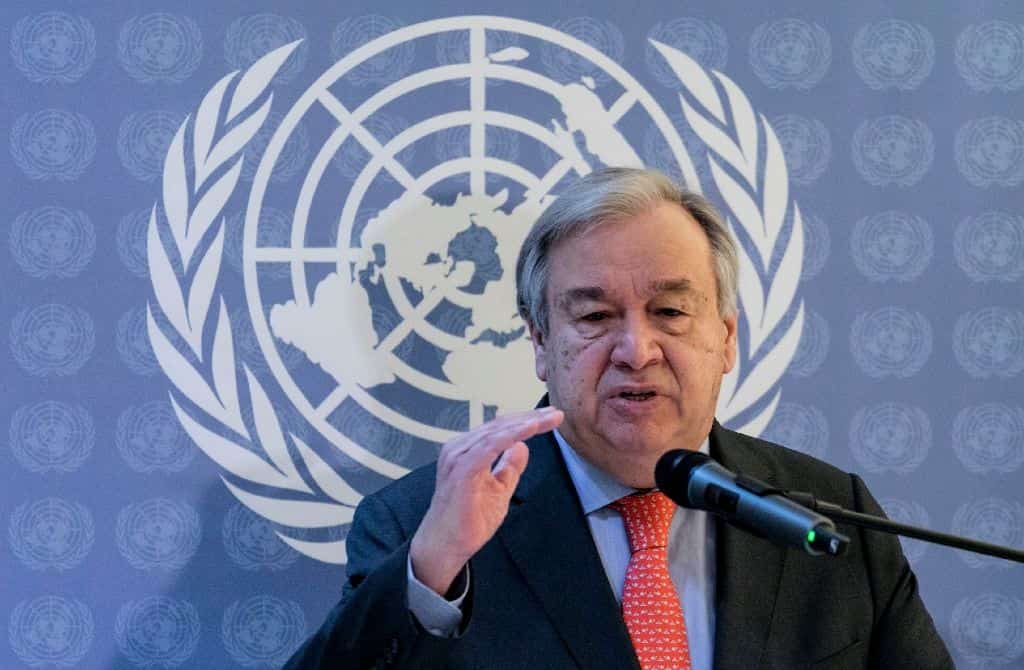
UN chief Antonio Guterres
A major row over the gag order issued earlier this year can derail the celebration of the 75th-anniversary of theUnited Nations onOctober 24.
TheUnitedNationswas created when countries came together after World War Two to prevent another such conflict and to replace an ineffective League ofNations.
On June 26, 1945, representatives of 50 countries met in San Francisco at theUnitedNationsConference on International Organization to draw up theUnitedNationsCharter. Those delegates deliberated on the basis of proposals worked out by the representatives of China, the Soviet Union, theUnitedKingdom, and theUnitedStates at Dumbarton Oaks,UnitedStates in August-October 1944. The Charter then came into force on October 24, 1945.

TheUnitedNations' past has been as fraught as its present and future seems to be. It was hamstrung during the Cold War by superpower rivalry, leading it to near inertia as theUnitedStates, former the Soviet Union, and China either threatened to or did, veto resolution after resolution.
&imwidth=180&imheight=135&format=webp&quality=medium)
Poland: 19-year-old stabs several at Polish vocational school
&imwidth=180&imheight=135&format=webp&quality=medium)
'Baseless and misconceived': India issues statement after Elon Musk's 'oligarchs' claim over Starlink delay
&imwidth=180&imheight=135&format=webp&quality=medium)
‘Team first and team ahead’: India coach Gambhir pens heartfelt wish for chief selector Ajit Agarkar
&imwidth=180&imheight=135&format=webp&quality=medium)
Trump's naked 23-karat gold statue unveiled near European Parliament
&imwidth=180&imheight=135&format=webp&quality=medium)
Nana Patekar: Remembering a legend of the Indian cinema
&imwidth=180&imheight=135&format=webp&quality=medium)
Captain Smit Machchhar on feet again, walks 10 steps as recovery continues after Flydubai flight attack
&imwidth=180&imheight=135&format=webp&quality=medium)
'They came in, they hit us': New videos show Iranian attacks on US Camp Buehring in Kuwait | Watch
&imwidth=180&imheight=135&format=webp&quality=medium)
Ronaldo sends 'a hug' after Messi says he misses 'wearing the blue and white'
&imwidth=180&imheight=135&format=webp&quality=medium)
Trump distances himself from senior political advisers over work for pro-Russian government
&imwidth=180&imheight=135&format=webp&quality=medium)
Narendra Modi Stadium bomb threat declared hoax; India & Australia U19 squads safe
&imwidth=180&imheight=135&format=webp&quality=medium)
US midterms 2026: Why the Latino vote could shape control of Congress
&imwidth=180&imheight=135&format=webp&quality=medium)
BTS agency HYBE announces first-ever Weverse Con Festival in India
&imwidth=180&imheight=135&format=webp&quality=medium)
US Midterms 2026: Barack Obama hits campaign trail to boost Democratic candidates
&imwidth=180&imheight=135&format=webp&quality=medium)
Shia LaBeouf and Mia Goth head for divorce after nearly 10 years
&imwidth=180&imheight=135&format=webp&quality=medium)
Nicolas Maduro, wife likely to face new charges over alleged torture of US citizens: Report
&imwidth=180&imheight=135&format=webp&quality=medium)
Texas man executed by lethal injection; first US execution since botched Christa Pike execution
&imwidth=180&imheight=135&format=webp&quality=medium)
Jon Rahm quits LIV Golf as breakaway tour attempts to relaunch itself
&imwidth=180&imheight=135&format=webp&quality=medium)
Christa Pike wakes after failed execution, asks 'Where am I and who are you?'
&imwidth=180&imheight=135&format=webp&quality=medium)
Christa Pike 'angry' and 'confused' after failed execution; judge orders to preserve evidence
&imwidth=180&imheight=135&format=webp&quality=medium)
Nigerian President Bola Ahmed Tinubu hails Modi’s 25-year leadership milestone, calls for deeper Nigeria-India strategic ties
&im=FitAndFill=(700,400)&imwidth=180&imheight=135&format=webp&quality=medium)
US midterms 2026: 10 leaders and candidates to watch in the battle for Congress
&imwidth=180&imheight=135&format=webp&quality=medium)
Nana Patekar's #MeToo controversy: From Tanushree Dutta’s allegations to court ruling
&imwidth=180&imheight=135&format=webp&quality=medium)
Veteran actor Nana Patekar dies at 75 after suffering cardiac arrest
&imwidth=180&imheight=135&format=webp&quality=medium)
Musk alleges ‘oligarchs’ blocking Starlink in India, here is what we know so far
&imwidth=180&imheight=135&format=webp&quality=medium)
Lightning strikes IndiGo Patna-Lucknow flight at 17,000 feet, damages nose; all 110 safe
&imwidth=180&imheight=135&format=webp&quality=medium)
Mall of America attack: FBI arrests man over alleged ISIS-inspired mass shooting plot with AK-47 and 200 rounds
&imwidth=180&imheight=135&format=webp&quality=medium)
France holds talks with Taliban government amid diplomatic outreach
&imwidth=180&imheight=135&format=webp&quality=medium)
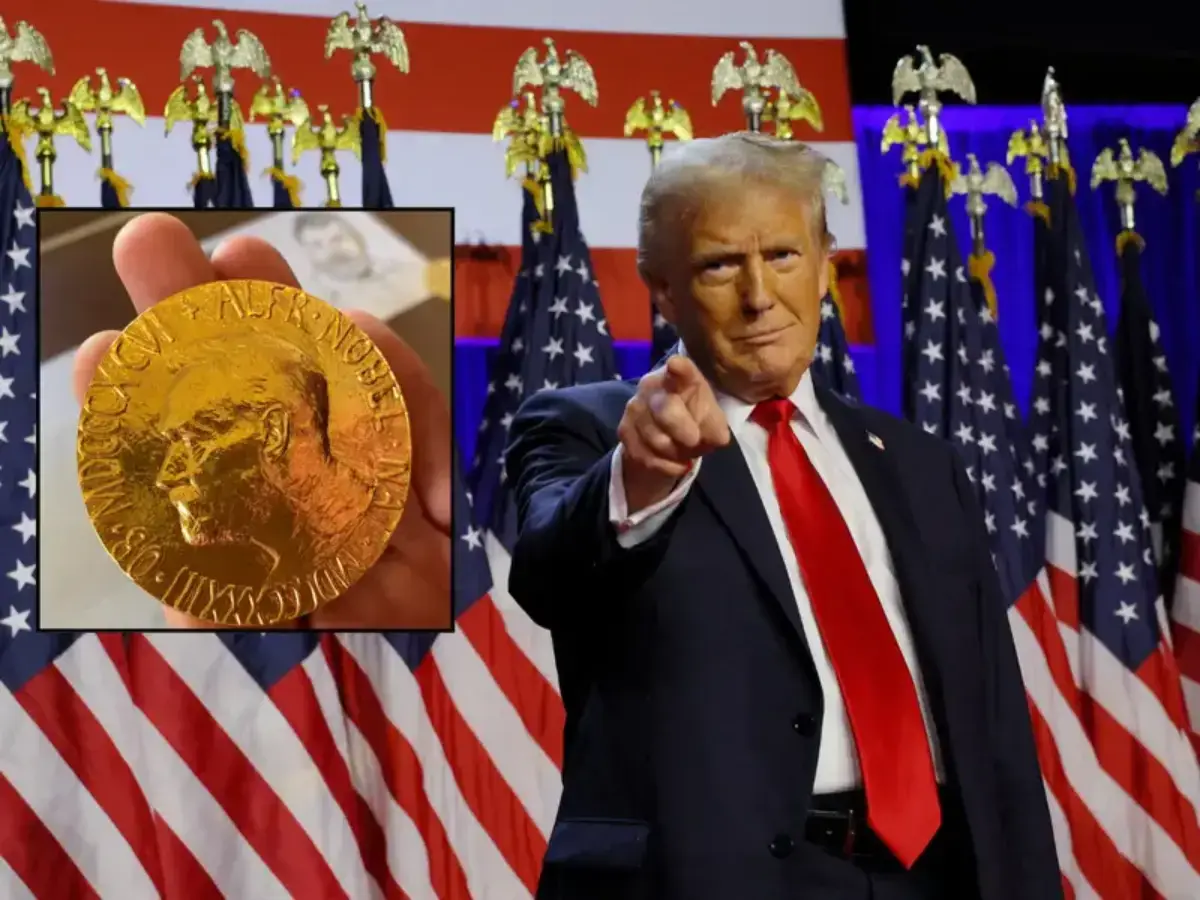
'I should win it': Trump renews Nobel Peace Prize claim ahead of 2026 announcement
&imwidth=180&imheight=135&format=webp&quality=medium)
IndiGo flight struck by lightning at 17,000 feet, nose of Patna-Lucknow flight damaged
&imwidth=180&imheight=135&format=webp&quality=medium)
US readying to strike Iran? Report suggests Trump preparing to put on show of strength ahead of US midterms
&im=FitAndFill=(700,400)&imwidth=180&imheight=135&format=webp&quality=medium)
World’s top vehicle producers: Top 10 countries making the most cars. Check where India stands
&imwidth=180&imheight=135&format=webp&quality=medium)
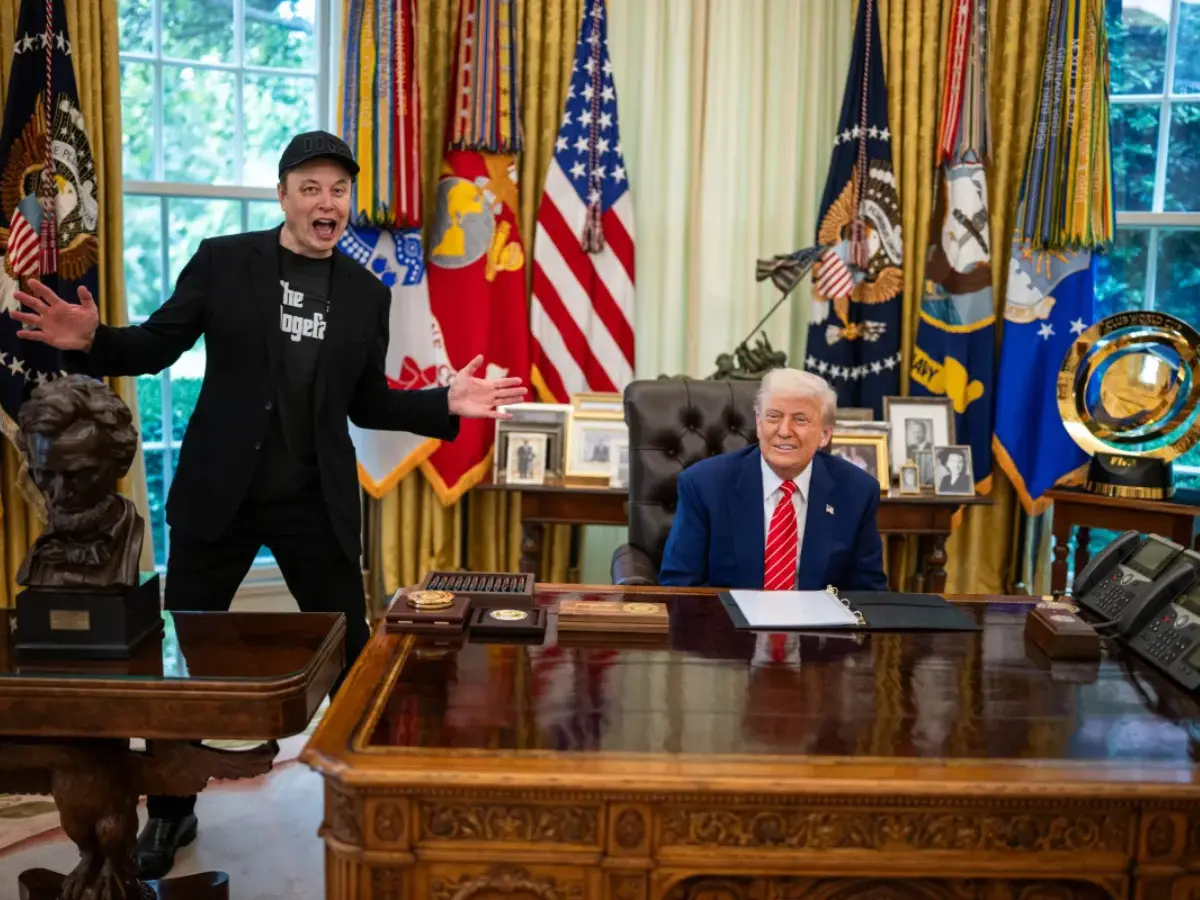
Trump to honour Elon Musk, Sergey Brin and Jensen Huang with top science honour at White House. Check the full list here
&imwidth=180&imheight=135&format=webp&quality=medium)
'We don't think so': Trump says Russian plague lab worker's death not linked to bio-weapon
&imwidth=180&imheight=135&format=webp&quality=medium)
France protests: How a Gen Z school movement turned into a political war | The Verdict
In the 90s its reputation was badly damaged by its apparent helplessness to end to the conflict in former Yugoslavia -- let alone manage a successful peacekeeping and humanitarian operation.
Inthe summer of 2020, as anti-racism demonstrations spread around the globe in response to the murder of George Floyd, UNcivil servants who wanted to show solidarity with the Black Lives Matter movement were up in arms about instructions from the UNethics office telling personnel to steer clear of public demonstrations, even in their free time.
The directive, which was initially endorsed by the UN chiefAntonio Guterresexpressly banned participation in the protests.
Guterres then reversed course, assuring UNemployees at a hastily arranged town hall meeting in June that they could take part, as long as they didn’t wave the UNflag. In a letter to staff on June 9, Guterres insisted that “there is no ban on personal expressions of solidarity or acts of peaceful civic engagement, provided they are carried out in an entirely private capacity.”
But his statement didn’t put the matter to rest—or give an explicit green light to UNstaffers to participate in political demonstrations, UNofficials contend. Staffers at an organization founded to advance fundamental human rights and freedoms now wonder if they can even advocate for those rights, or if they’re going to be gagged to avoid courting public controversy.
On June 22, less than two weeks after Guterres sent the letter, the UNDevelopment Program reissued its own gag order. “The international, impartial nature of your role limits your freedom to publicly express views on controversial matters,” the UNDP’s Code of Ethics document, which was revised this year, states. “For example, you cannot take part in political demonstrations, or wear politically-themed clothing or buttons. You may not publicly criticize governments, or run for or hold political office at any level while working for UNDP.”
The internal debate over the UNresponse to the Black Lives Matter movement raises difficult questions about the rights of international civil servants to express support for core UNvalues, including the promotion of equality and human rights, if they are viewed as controversial by member states. It also places the UNleadership in the awkward position of urging countries around the world to promote free expression and assembly, while restraining their own staff from exercising those same rights.
The UNdevelopment agency—which relies on the cooperation of foreign governments to carry out its work—has been among the UN’s most risk-averse entities, seeking to avoid offending member states at almost any cost. But the guidance did not sit well with some UNDP staffers, who argued that it didn’t comply with the policy laid out by Guterres.
Niall McCann, an Irish national who works in UNDP’s Brussels office, filed a complaint against UNDP’s administrator and ethics office with the development agency’s internal Office of Audit and Investigations, and he requested an investigation into the matter. The ban on participation in demonstrations, McCann wrote, constituted an “abuse of authority.”
“This assertion directly contradicts the UNSecretary-General, who specifically commented on this matter, in the context of the ongoing Black Lives Matter protest movement in the United States,” he wrote in the complaint, which was reviewed byForeign Policy. McCann argued that there was no legal basis for the protest prohibition, insisting that it is not expressly banned by the key directives governing staff conduct: the UN Standards of Conduct for the International Civil Service or the Staff Regulations and Rules of the United Nations.
He also accused UNDP’s ethics chief, Peter Liria, of seeking to “muzzle UNDP staff standing up against racism.”
Several leaders have called for a reform of theUnitedNationsand in particular the 15-member Security Council, arguing it was unfair that theUnitedStates, Russia, China, France and Britain were the only permanent veto-wielding powers.
With barely days left for the United Nations Day, the world body finds itself in an awkward spot.
The United Nationspushes member countries to promote free speech, expression, and the right of assembly. But as an organisation it is restricting its own staff from exercising the same fundamental rights.