How India, Pakistan, Bangladesh will be affected as Qatar halts gas liquefaction and declares force majeure in LNG trade

&imwidth=600&imheight=450&format=webp&quality=medium "How India, Pakistan, Bangladesh will be affected as Qatar halts gas liquefaction and declares force majeure in LNG trade")
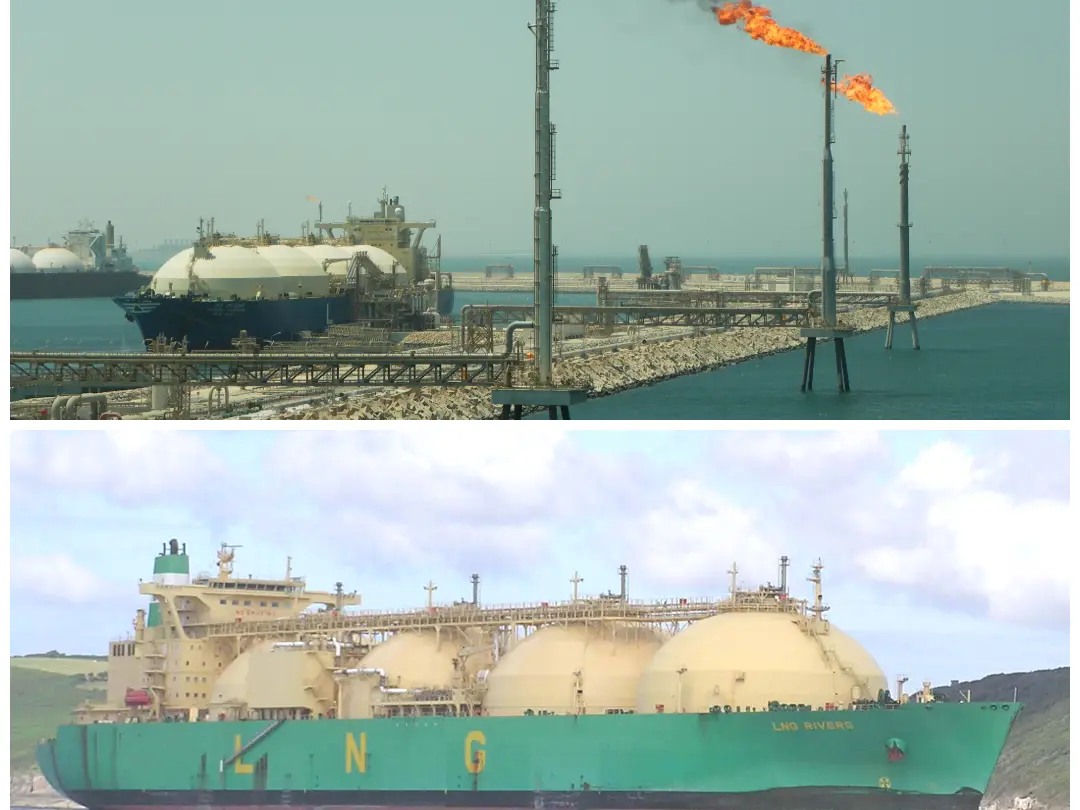
Qatar's halting of LNG liquefaction can hit supplies to India and other nations Photograph: (Others)
Amid the Iran conflict, Qatar halted LNG production and declared force majeure on gas trade. The shutdown threatens global supply, sending prices soaring and hitting major importers in Asia and Europe. India, Pakistan and Bangladesh are among countries that would be hit hard
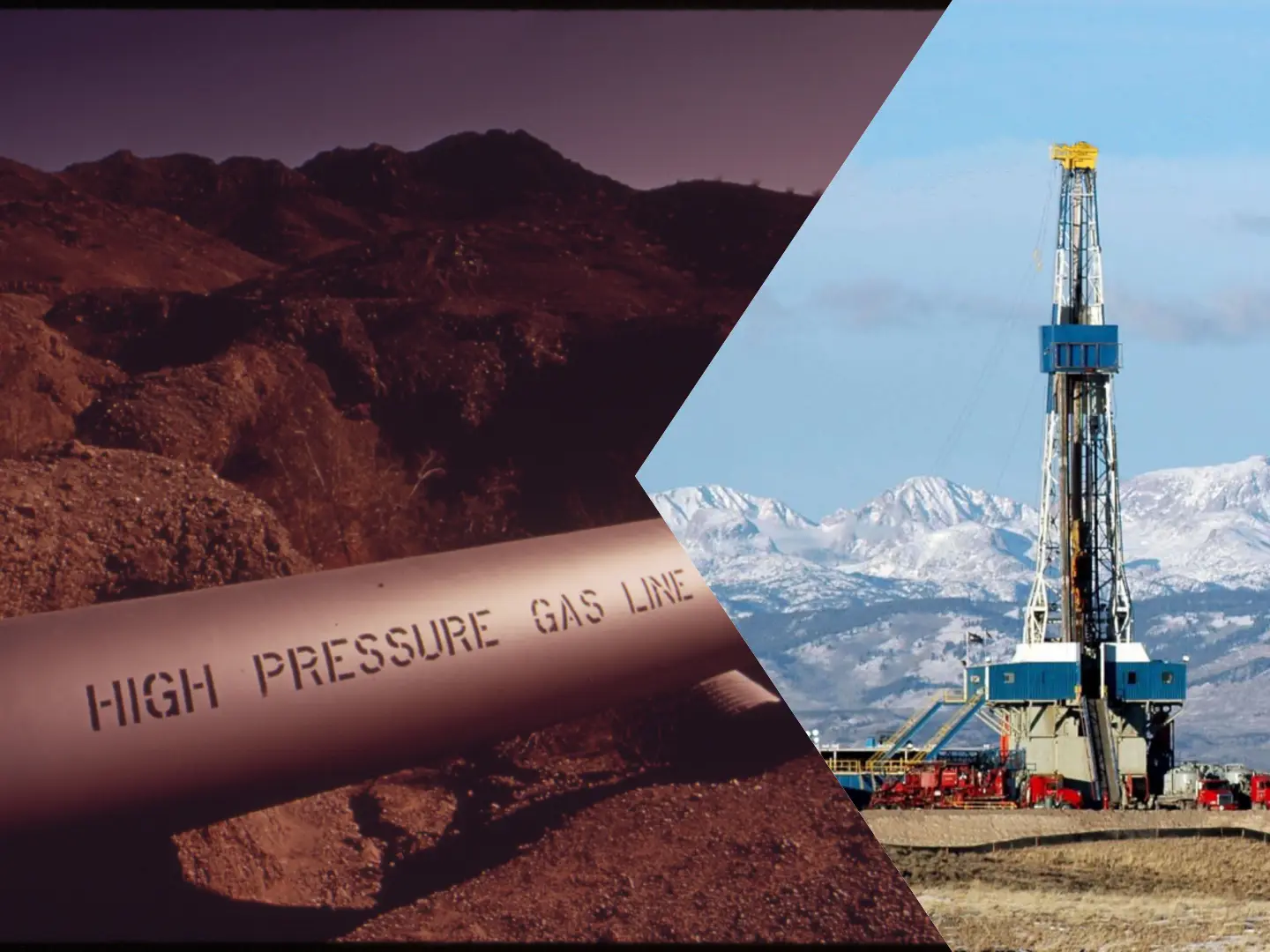
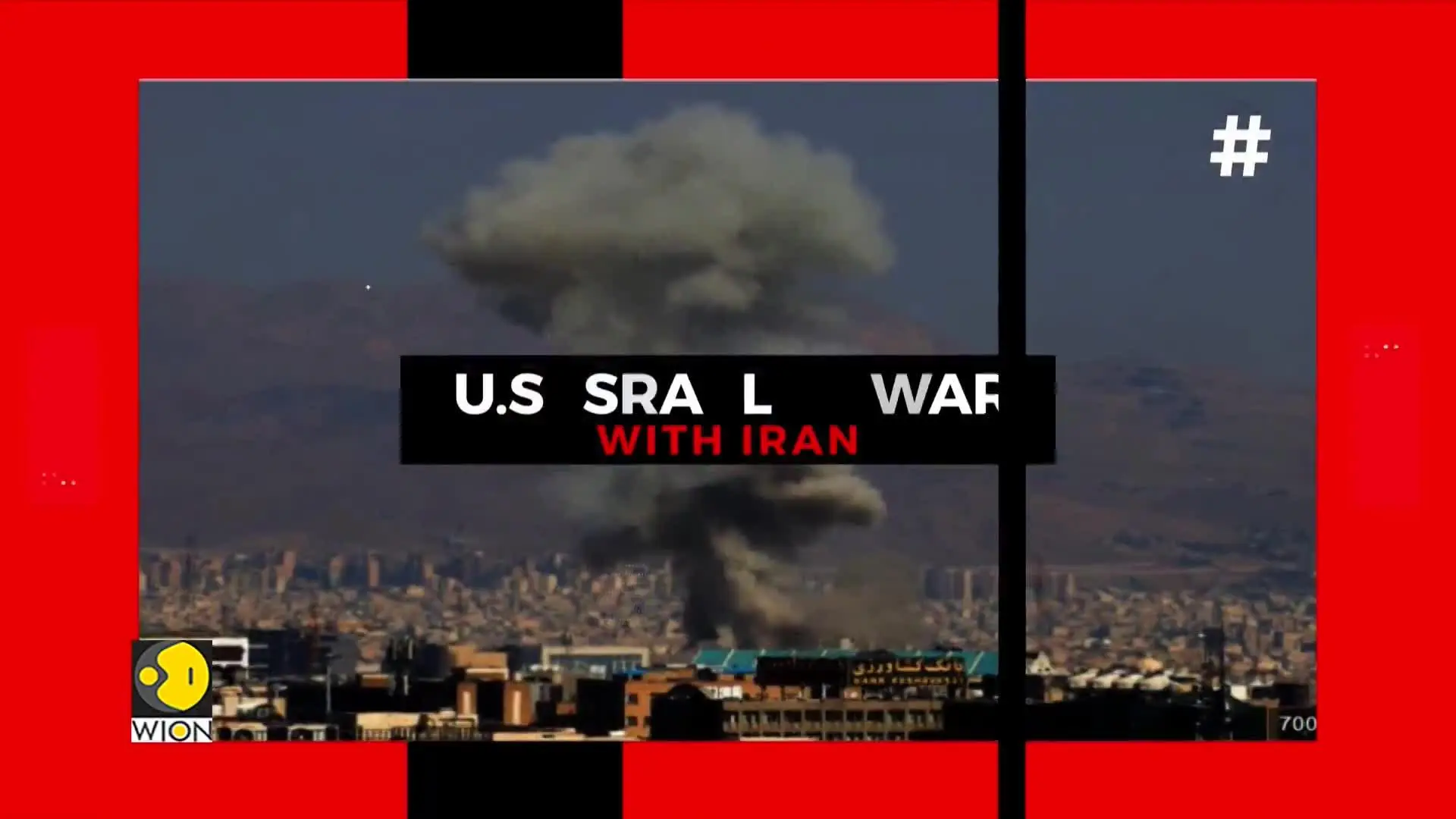
Qatar has halted the liquefaction of natural gas and declared force majeure on exports after missile and drone strikes from Iran damaged key energy facilities amid the Islamic Republic’s ongoing conflict with the US and Israel. Qatar's gas production and supply shutdown coincides with disruptions to tanker traffic in the Strait of Hormuz, a key route handling about 20 per cent of global LNG trade, worsening the supply crunch.
Qatar halts liquefaction of gas
State-owned QatarEnergy shut down liquefaction operations on Wednesday (4 March) at Ras Laffan Industrial City, the world’s largest LNG export hub, and Mesaieed Industrial City following the Iranian attacks. Liquefaction is the industrial process of cooling natural gas to about -162 degrees Celsius to convert it into liquefied natural gas. LNG takes up about 1/600th the volume of gaseous natural gas, making it easier and more economical to store and transport using specialised ships to global markets.
Qatar, one of the world’s largest LNG producers, relies heavily on the liquefaction process at facilities such as Ras Laffan Industrial City to export gas.
Force majeure declared on Qatar gas supplies
Force majeure is a standard mechanism in energy contracts used to handle “acts of God” or geopolitical crises. It is a legal clause that excuses a party from fulfilling its contractual obligations if an unforeseen and uncontrollable event such as war, natural disasters or strikes prevents it from doing so. QatarEnergy has formally notified buyers that it cannot deliver contracted LNG shipments due to external disruptions, without facing penalties or legal liability. Force majeure therefore allows the company to suspend LNG delivery obligations because of the extraordinary circumstances.
Trending Stories
&imwidth=280&imheight=210&format=webp&quality=medium)
&imwidth=280&imheight=210&format=webp&quality=medium)
&imwidth=280&imheight=210&format=webp&quality=medium)
&imwidth=280&imheight=210&format=webp&quality=medium)
&imwidth=280&imheight=210&format=webp&quality=medium)
&imwidth=280&imheight=210&format=webp&quality=medium)
&imwidth=280&imheight=210&format=webp&quality=medium)
&imwidth=280&imheight=210&format=webp&quality=medium)
&imwidth=280&imheight=210&format=webp&quality=medium)
&imwidth=280&imheight=210&format=webp&quality=medium)
&imwidth=280&imheight=210&format=webp&quality=medium)
&imwidth=280&imheight=210&format=webp&quality=medium)
&imwidth=280&imheight=210&format=webp&quality=medium)
&im=FitAndFill=(700,400)&imwidth=280&imheight=210&format=webp&quality=medium)
&imwidth=280&imheight=210&format=webp&quality=medium)
&imwidth=280&imheight=210&format=webp&quality=medium)
&imwidth=280&imheight=210&format=webp&quality=medium)
&imwidth=280&imheight=210&format=webp&quality=medium)
&imwidth=280&imheight=210&format=webp&quality=medium)
&imwidth=280&imheight=210&format=webp&quality=medium)
&imwidth=280&imheight=210&format=webp&quality=medium)
&imwidth=280&imheight=210&format=webp&quality=medium)
&imwidth=280&imheight=210&format=webp&quality=medium)
&imwidth=280&imheight=210&format=webp&quality=medium)
&imwidth=280&imheight=210&format=webp&quality=medium)
&imwidth=280&imheight=210&format=webp&quality=medium)
&imwidth=280&imheight=210&format=webp&quality=medium)
&imwidth=280&imheight=210&format=webp&quality=medium)
&imwidth=280&imheight=210&format=webp&quality=medium)
&imwidth=280&imheight=210&format=webp&quality=medium)
&imwidth=280&imheight=210&format=webp&quality=medium)
&imwidth=280&imheight=210&format=webp&quality=medium)
&imwidth=280&imheight=210&format=webp&quality=medium)
&imwidth=280&imheight=210&format=webp&quality=medium)
&imwidth=280&imheight=210&format=webp&quality=medium)
&imwidth=280&imheight=210&format=webp&quality=medium)
Qatar gas supply halt will hit India, Pakistan and Bangladesh hard
Qatar supplies nearly half of India’s annual LNG imports of around 27 million tonnes. India’s city gas distribution sector, which relies on LNG for compressed natural gas (CNG) and piped cooking gas, could face a crisis with supply cuts of up to 40 per cent if alternatives are not secured fast enough. India is seeking cargoes from the spot market, where prices have surged by up to 50 per cent and shipping rates have doubled to about $200,000 per tanker. If the situation persists, inflation and disruption to industrial output could follow.
Bangladesh depends on Qatar and the UAE for nearly 72 per cent of its LNG imports. Severe shortages could lead to prolonged power outages in the country and greater use of coal. Bangladesh may also need to import more electricity from India to mitigate the impact.
Nearly all of Pakistan’s LNG imports come from Qatar and the UAE, making it extremely vulnerable to supply disruptions from Gulf producers. Increasing domestic natural gas production and reducing regasification demand are possible responses. Greater use of solar energy could help prevent daytime power cuts, but overall shortages could still lead to outages and economic strain for Pakistan.
How global LNG supplies will be hit by Qatar moves
The shutdown will be a major shock to global energy markets as Qatar supplies roughly 20 per cent of the world’s LNG. The crisis has already pushed up gas prices in Europe and Asia by as much as 93 per cent.
Asia, which accounts for nearly 82 per cent of Qatar’s LNG exports, will be the hardest hit, particularly Japan, South Korea and China besides India, Pakistan and Bangladesh.
European buyers including the UK, Italy and Belgium also face supply pressure and higher prices.
Analysts said other major producers such as the US and Australia, have limited spare capacity to quickly replace Qatar’s lost exports.
When is Qatar LNG supply likely to resume?
The halt in liquefaction is intended to allow initial repairs and safety checks at the affected production facilities. Reports say this process is expected to take at least two weeks.
Another two weeks will likely be required to restore full production after liquefaction resumes. In total, the supply disruption could last around one month or longer.
Disclaimer: WION takes utmost care to accurately and responsibly report ongoing conflicts in West Asia involving Israel, Iran, US, Gulf nations and non-state actors like Hezbollah, Hamas, Houthis, Islamic State, and others. Claims and counterclaims, disinformation and misinformation are being made online and offline. Given this context, WION cannot independently verify the authenticity of all statements, social media posts, photos and videos.