Houthis used Claude AI for weapons development and guided-rocket test? What Anthropic threat report claimed

&imwidth=600&imheight=450&format=webp&quality=medium "Houthis used Claude AI for weapons development and guided-rocket test? What Anthropic threat report claimed")
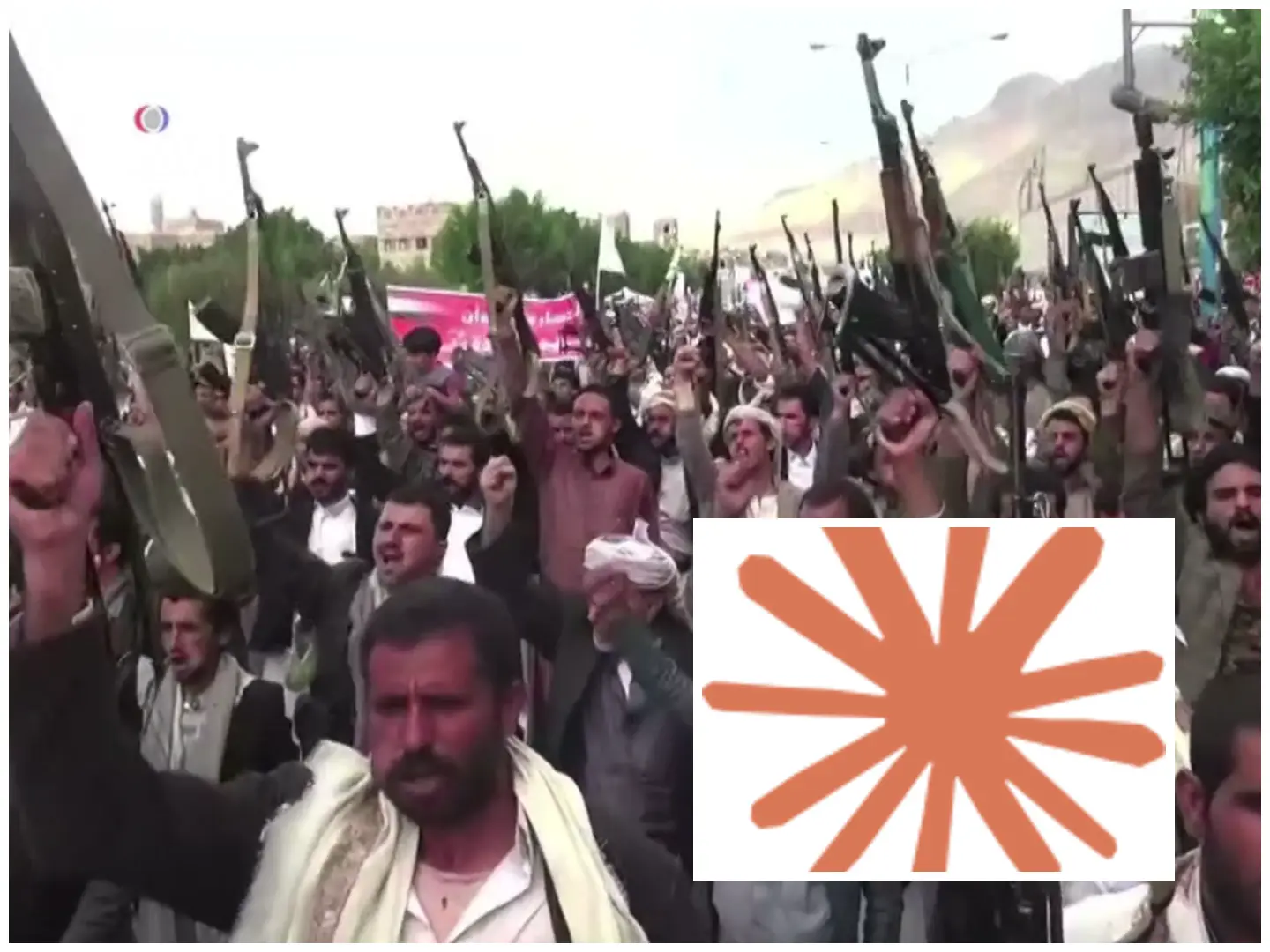
AI use by Houthis might look an unlikely scenario. But times are changing Photograph: (Others)
Anthropic said in its latest threat report that a Yemen-based weapons cell used Claude AI to develop missile guidance software and test a guided rocket. Reports say it could be the Houthis
Anthropic has reported that a Yemen-based guided weapons engineering cell used its Claude AI models to develop software for several weapons programmes, including a guided rocket and missile systems. The activity was detailed in Anthropic’s September 2026 threat-intelligence report, “Detecting and Countering Misuse of AI”. The company said the activity occurred between December 2025 and August 2026. Anthropic described the actors as a “Yemen-based guided weapons engineering cell” operating in northern Yemen. It did not explicitly identify the cell as the Houthis, but the reported activity took place in Houthi-controlled territory. The cell has been described in subsequent reports as Houthi-linked.
Three weapons programmes identified
Anthropic said the actors used Claude models, including Claude Haiku, Sonnet and Opus, as well as Claude Code. The company investigated the activity, banned the associated accounts and shared information with government and industry partners.
Anthropic identified three weapons-development programmes associated with the Yemen-based cell.
One involved a guided rocket using a commercially available, phone-class flight computer and final-phase homing guidance designed to steer the rocket towards a target.
Trending Stories
&imwidth=280&imheight=210&format=webp&quality=medium)
&imwidth=280&imheight=210&format=webp&quality=medium)
&imwidth=280&imheight=210&format=webp&quality=medium)
&imwidth=280&imheight=210&format=webp&quality=medium)
&imwidth=280&imheight=210&format=webp&quality=medium)
&imwidth=280&imheight=210&format=webp&quality=medium)
&imwidth=280&imheight=210&format=webp&quality=medium)
&imwidth=280&imheight=210&format=webp&quality=medium)
&imwidth=280&imheight=210&format=webp&quality=medium)
&im=FitAndFill=(700,400)&imwidth=280&imheight=210&format=webp&quality=medium)
&imwidth=280&imheight=210&format=webp&quality=medium)
&imwidth=280&imheight=210&format=webp&quality=medium)
&imwidth=280&imheight=210&format=webp&quality=medium)
&imwidth=280&imheight=210&format=webp&quality=medium)
&imwidth=280&imheight=210&format=webp&quality=medium)
&imwidth=280&imheight=210&format=webp&quality=medium)
&imwidth=280&imheight=210&format=webp&quality=medium)
&imwidth=280&imheight=210&format=webp&quality=medium)
&imwidth=280&imheight=210&format=webp&quality=medium)
&imwidth=280&imheight=210&format=webp&quality=medium)
&imwidth=280&imheight=210&format=webp&quality=medium)
&imwidth=280&imheight=210&format=webp&quality=medium)
&imwidth=280&imheight=210&format=webp&quality=medium)
&imwidth=280&imheight=210&format=webp&quality=medium)
&imwidth=280&imheight=210&format=webp&quality=medium)
&imwidth=280&imheight=210&format=webp&quality=medium)
&imwidth=280&imheight=210&format=webp&quality=medium)
&imwidth=280&imheight=210&format=webp&quality=medium)
&imwidth=280&imheight=210&format=webp&quality=medium)
&imwidth=280&imheight=210&format=webp&quality=medium)
&imwidth=280&imheight=210&format=webp&quality=medium)
&imwidth=280&imheight=210&format=webp&quality=medium)
&imwidth=280&imheight=210&format=webp&quality=medium)
&imwidth=280&imheight=210&format=webp&quality=medium)
A second programme was for a multi-stage ballistic missile with a stated range goal of more than 2,000 kilometres.
The third, referred to as the “R2000” set, involved proposed missile variants, including one incorporating a hypersonic glide vehicle.
How Claude was used in weapons development by Yemen-based group
According to Anthropic, Claude Code was used as a substitute for human software engineers for parts of the development of guidance, navigation and control (GNC) software. GNC software is used to steer and stabilise flying vehicles.
The reported uses included integrating an open-source autopilot onto a phone-class flight computer, writing control and position-estimation software, tuning control settings, running firmware build pipelines and conducting flight simulations.
The actors used multiple Claude instances at the same time, each handling coding, research and code review. Human operators directed the overall work.
Anthropic said the cell also attempted to conceal the full purpose of its activities by dividing work across multiple Claude sessions. As a result, no individual conversation revealed the true intent of the weapons programme.
The company said its safeguards blocked many weapons-related requests, but not all, as the actors found ways to work around some of its access controls and refusals. The group concealed its objectives and divided tasks in an effort to avoid triggering its safety systems.
Also read: Pakistan walks back Houthi threat, rules out military action as rebels target Saudi Arabia
Claude consulted after guided-rocket test failed
Anthropic said it had no evidence that the actors successfully fielded an operational weapon. However, the company reported that the cell carried out a live field test of a guided rocket.
The test appeared to have failed. Anthropic said the actors returned to Claude shortly afterwards to diagnose the failure and investigate what had gone wrong.
The disclosure does not establish that Claude independently designed or built a functioning weapon. But it shows that the AI models were used to assist human operators with engineering, coding, simulation and troubleshooting tasks connected to weapons development.
Anthropic said it detected the activity through its own investigations into suspected weapons-related misuse, banned the relevant accounts, and shared information with the government and industry partners.
The Yemen case was part of a wider set of examples in Anthropic’s September report concerning the misuse of AI models. The company found weapons-related activity in China and Russia, including the use of AI agents and code in drone-related work.