Historic shipwreck uncovered in Florida provides glimpse into 19th-century life

Florida shipwreck
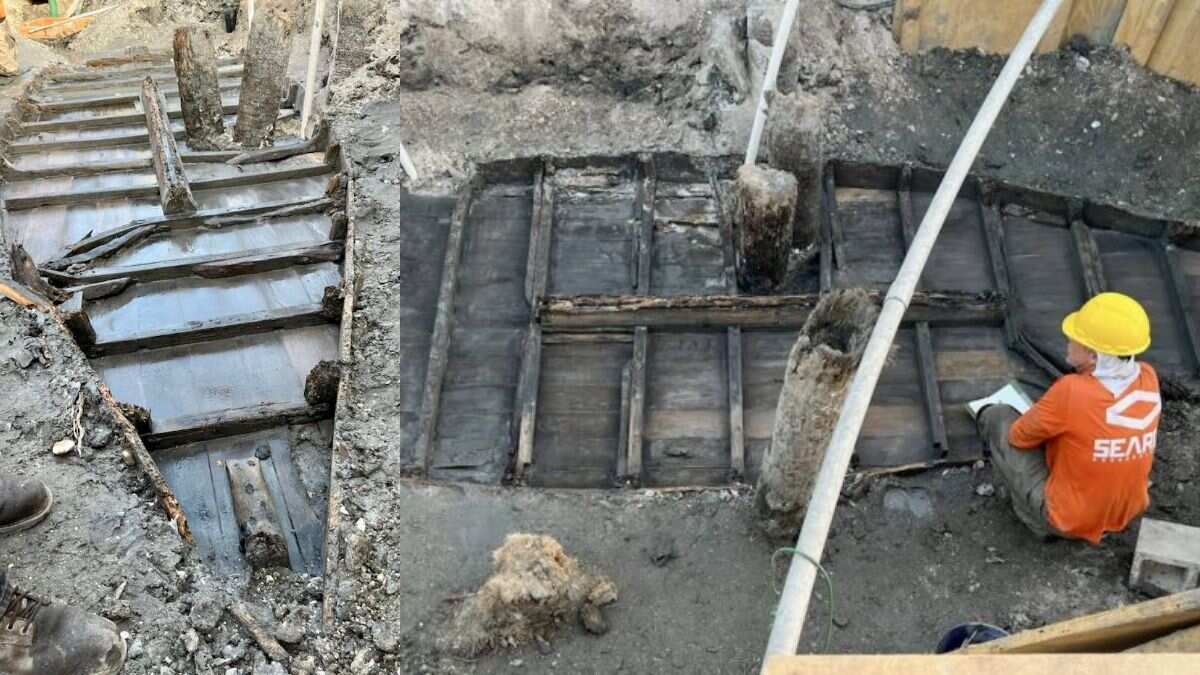
During an infrastructure project in Florida's northeastern city of St. Augustine, construction crews made a remarkable find: the remnants of a shipwreck dating back to the 19th century.
Last week, the construction crew from the Florida Department of Transportation (FDOT) were working on a $42 million drainage improvement initiative in the downtown area, when they uncovered the historic wooden fragments, reportedTV station WFLA.
The find

Described as a single-masted, shallow-draft sailboat used for coastal fishing, the recovered ship's lower hull measured between 24 and 28 feet originally. The excavation team has recovered 19 feet of the intact remains.
Alongside the vessel, various artifacts were found. According to the Guardian report citing Jacksonville Today, these include the base of a kerosene lamp, two coconut shells likely repurposed as drinking cups, leather shoes presumed to belong to a crew member, and 19th-century coins.
)
Oxford United's new clothing line featured 'United 93' phase
)
Pentagon revives mandatory testosterone testing for male troops aged 30 and above
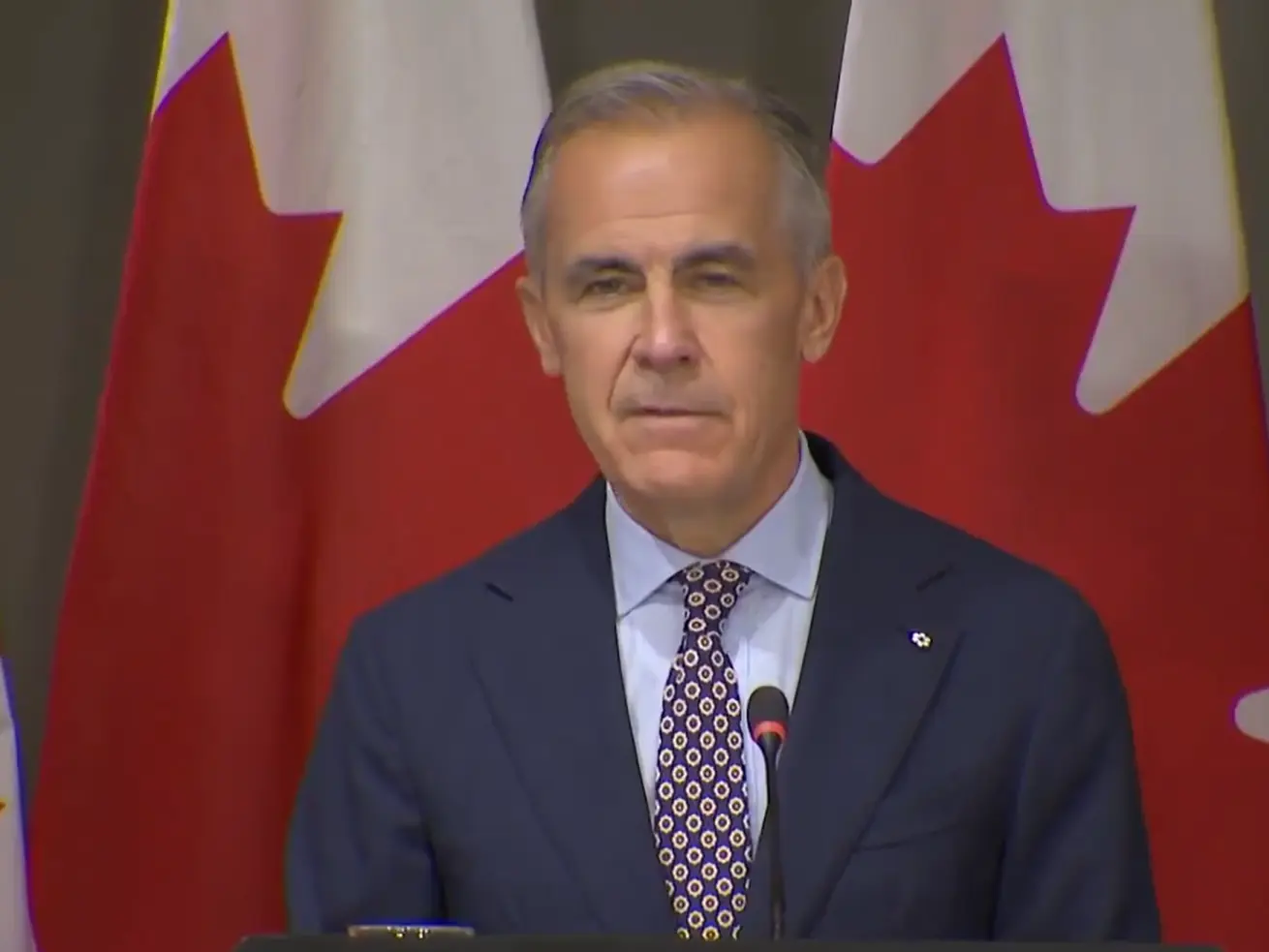)
Mark Carney mimics Trump in hilarious moment over C$70 billion clean-energy investment; room erupts in laughter
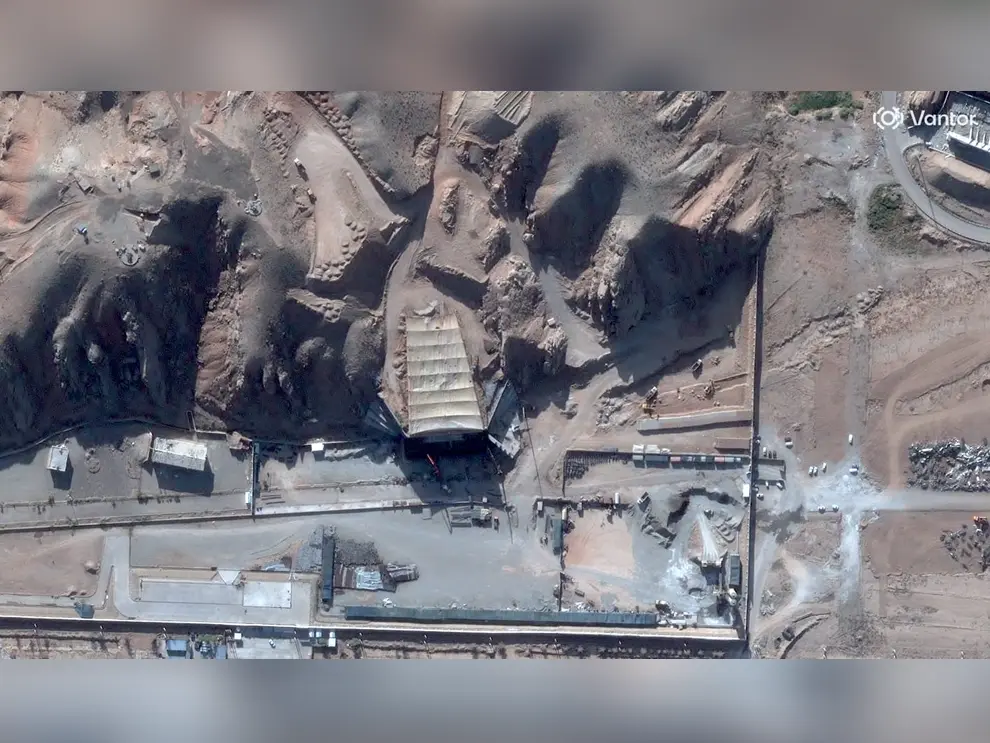)
Iran rebuilding nuclear facilities? New satellite images show Tehran may be rapidly restoring bombed Parchin base
)
It's a girl! Deepika Padukone and Ranveer Singh welcome their second child
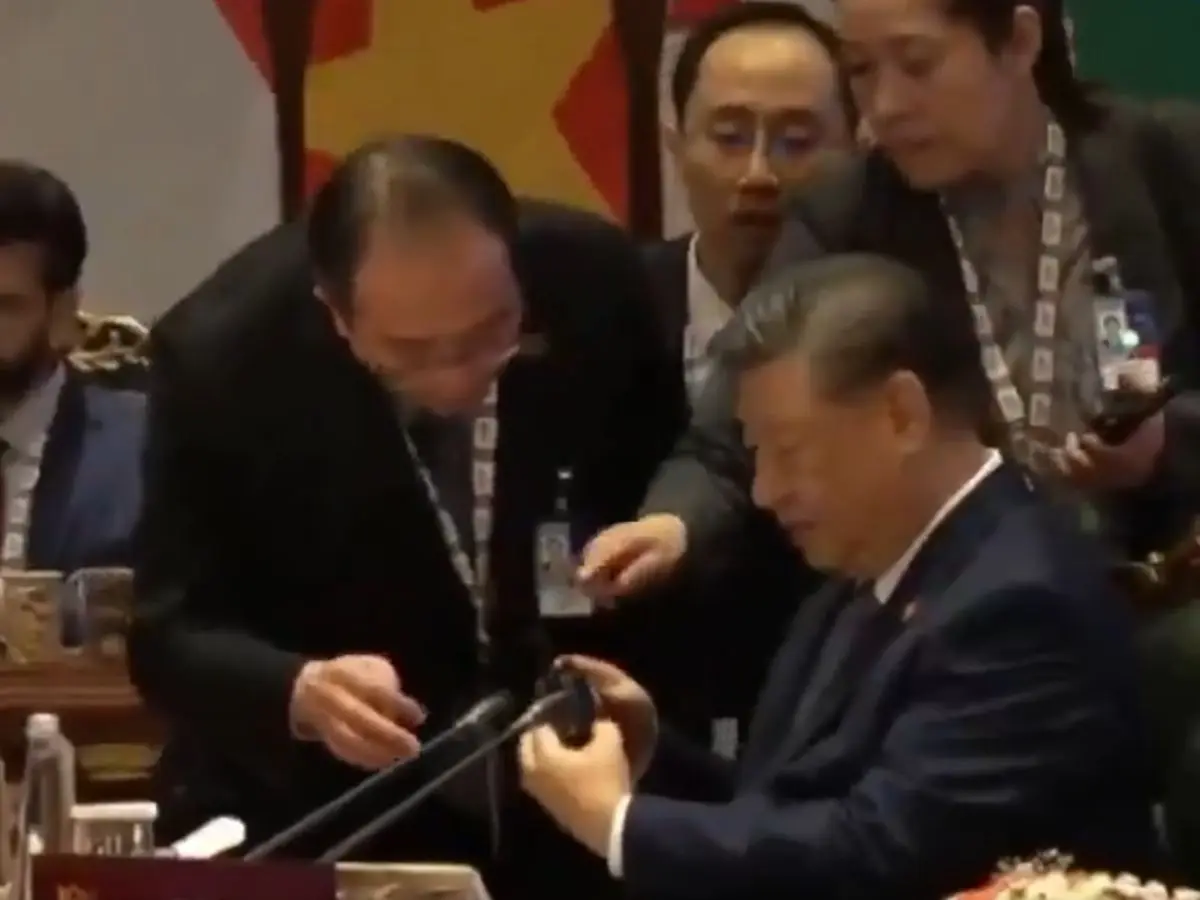)
FACT CHECK: Why did PM Modi ask Xi ‘is it okay’ at BRICS Summit? New video reveals...
)
Putin: European leaders using war rhetoric to save falling ratings
)
China may have gained access to US's classified F-35 jets; parts meant for repairs diverted to Hong Kong, sparking Pentagon inquiry
)
Trump announces ‘AI Force’ as debate grows over AI risks and regulation
)
Arvind Kejriwal, family members, Delhi CM Rekha Gupta get SIR notices
)
Cochin shipyard starts building Indian Navy's next-gen missile vessels
)
Russia extends ban on Western food imports for two more years in extended sanctions countermeasure
)
Brigitte Bardot’s private collection set for Paris auction; key items and prices revealed
)
Why Ranveer Singh’s Dhurandhar missed India’s Oscar entry; FFI jury member reveals what happened
)
How did an Australian river with 500 crocodiles pass the Olympic test? Here's how
)
‘Will go to any extent’: Pakistan vows to defend Saudi Arabia amid Houthi attacks
&im=FitAndFill=(700,400))
Ananya Panday to Sharvari: 5 actresses serving major princess vibes
66 years of the Indus Waters Treaty: How India and Pakistan settled a bitter river dispute
)
The Verdict | When precision fails: US commits war crime in Minab school strike, UN finds
)
Trump signs Russia sanctions bill into law, targets Moscow’s energy sector
Russia attacks Ukraine with 174 drones, kills 8; 2 vessels hit in Black Sea
)
Pak: A series of counter terrorism operations in Khyber Pakhtunkhwa
)
Flying cars in UAE: Ras Al Khaimah signs deal with Chinese company to test new transport
)
Reacher star Alan Ritchson opens up about alleged blackmail, suicide attempt during difficult period
)
Africa is splitting, and a lot sooner than estimated, giving way to a new ocean
)
Ajit Agarkar’s future as chief selector to be decided at right time, says BCCI secretary
)
Trump bans CNN, MS NOW and Politico from White House over ‘FAKE NEWS’
)
Trump 2.0: Dark days ahead for America’s ‘imperial presidency’
)
New brain discovery could aid neurological disease studies
&im=FitAndFill=(700,400))
How many F-35s does Britain, Japan and Israel have?
)
Tirupati Laddu ghee adulterated with chemicals, says ED, supplier arrested
)
IIT Bombay student dies by suicide, was caught seeking AI help during exams
)
Trump extends H-1B visa's $100,000 fee until September 2027: What it means for Indians?
)
Russia holds first parliamentary elections since the beginning of the Ukraine war
&im=FitAndFill=(700,400))
Meet top 5 Indian batters with fastest T20I centuries
)
)
To ensure the proper handling of any potential discoveries, FDOT had enlisted the support of Southeastern Archaeological Research (Search), an archaeology firm.
James Delgado, the senior vice president at Search, along with archaeologist Sam Turner, co-led the excavation of the vessel.
The find ultimately proved to be a "very humble but important little water craft" from 19th-century. The "small single-masted, shallow-draft" sailboat, as per Delgado was used "to extract fish and shellfish from coastal waterways and directly offshore."
Excavation process
Using controlled water pressure, the team meticulously removed the layers of sediment veiling the vessel, progressively revealing its structure.
Delgado expressed the fascination of being the first to witness this unveiling process, and said: "The first moment of seeing little bit to seeing it systematically exposed as we worked through the different layers was, as always, fascinating...because you're the first eyes to see this."
FDOT District 2 Secretary Greg Evans praised the exceptional preservation of the sunken vessel, and said that "It’s truly an incredible find".
The ship was preserved well as "it was encapsulated in soil and mud, so there was no air contact for it to decay."
For Delgado, the discovery not only shed light on the historical context but also spoke to the enduring spirit of toil and resilience among "everyday people".
"What it speaks to is the reality of life for so many people, then as well as now. You get up, you go to work, and you make a living to put food on the table. You work hard," he remarked.
(With inputs from agencies)
WATCH WION LIVE HERE
You can now write for wionews.com and be a part of the community. Share your stories and opinions with us here.

