Heard of 'Kimjongunism'? That's North Korea's brand new doctrine, coined by Kim Jong-un

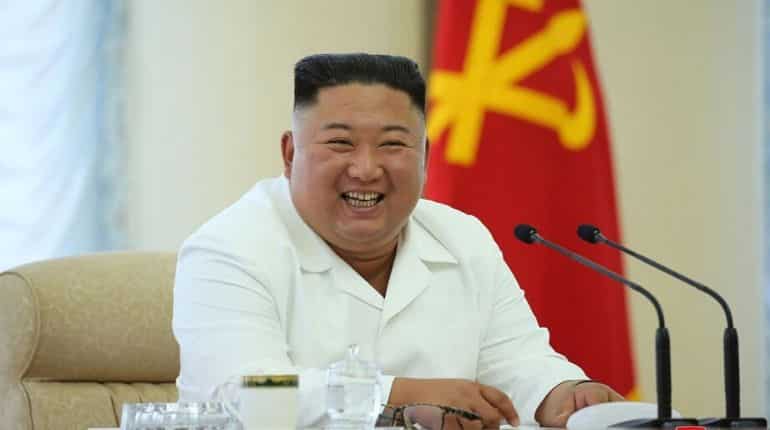
Kim Jong-un
In an attempt to shed the shadow of his predecessors, Kim Jong-un has ordered authorities to promote the doctrine of 'Kimjongunism,' as well as remove paintings of his father and grandparents.
North Korean dictator Kim Jong-un, 37, has taken down portraits of the country's venerated founder, Kim Il-sung and his predecessor as supreme leader, Kim Jong-il,from Pyongyang's main buildings.
The phrase 'Kimjongunism' is being promoted in official circles, according to South Korea's intelligence service, and Kim is being referred to as 'Great Leader' in state media, a title usually reserved for his grandfather Kim Il-sung.
Also read | Kim Jong-un's bizarre food strategy: Orders North Koreans to eat 'delicious' black swans

Experts think the decision reflects Kim's determination to establish his own dictator, as deference to predecessors has been a hallmark of the Kim dynasty thus far.
Kim objects to several components of his father and grandfather's system, particularly the one that ties the successor's legitimacy to his predecessors' reverence.
The present leader aspires to be an authoritarian in his own right.
)
Why asking questions could be more important than memorising answers
)
BRICS Summit 2026: Iran's Pezeshkian praises PM Modi at BRICS
)
Osama Bin Laden ‘planned’ to target India, CIA reveals dozens of declassified documents
)
'Iran won't surrender': Pezeshkian sends blunt message to US while attending BRICS Summit in India
)
BRICS Summit 2026: Global leaders of BRICS nations attend main open session
)
PM Modi and China's Xi offered to help resolve Russia-Ukraine war: Kremlin
)
Why dehydration is the hidden cause of travel fatigue on long flights
&im=FitAndFill=(700,400))
Meet top 5 batters fastest to 3000 runs in T20Is
)
Top 5 places to visit in Goa beyond its famous beaches
)
'He is popular...': Malaysian PM Anwar Ibrahim's praise for PM Modi during bilateral meeting | WATCH
)
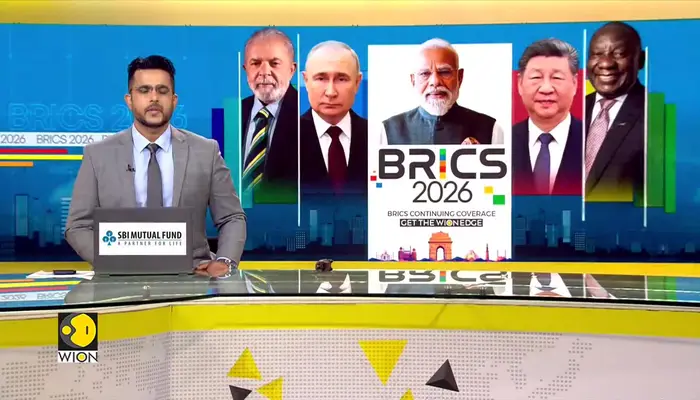
BRICS Summit 2026: PM Modi, Xi reach key consensus on ties, China to assume BRICS chairmanship in 2027
)
BRICS Summit 2026: Consensus on joint declaration, diplomatic win for India
)
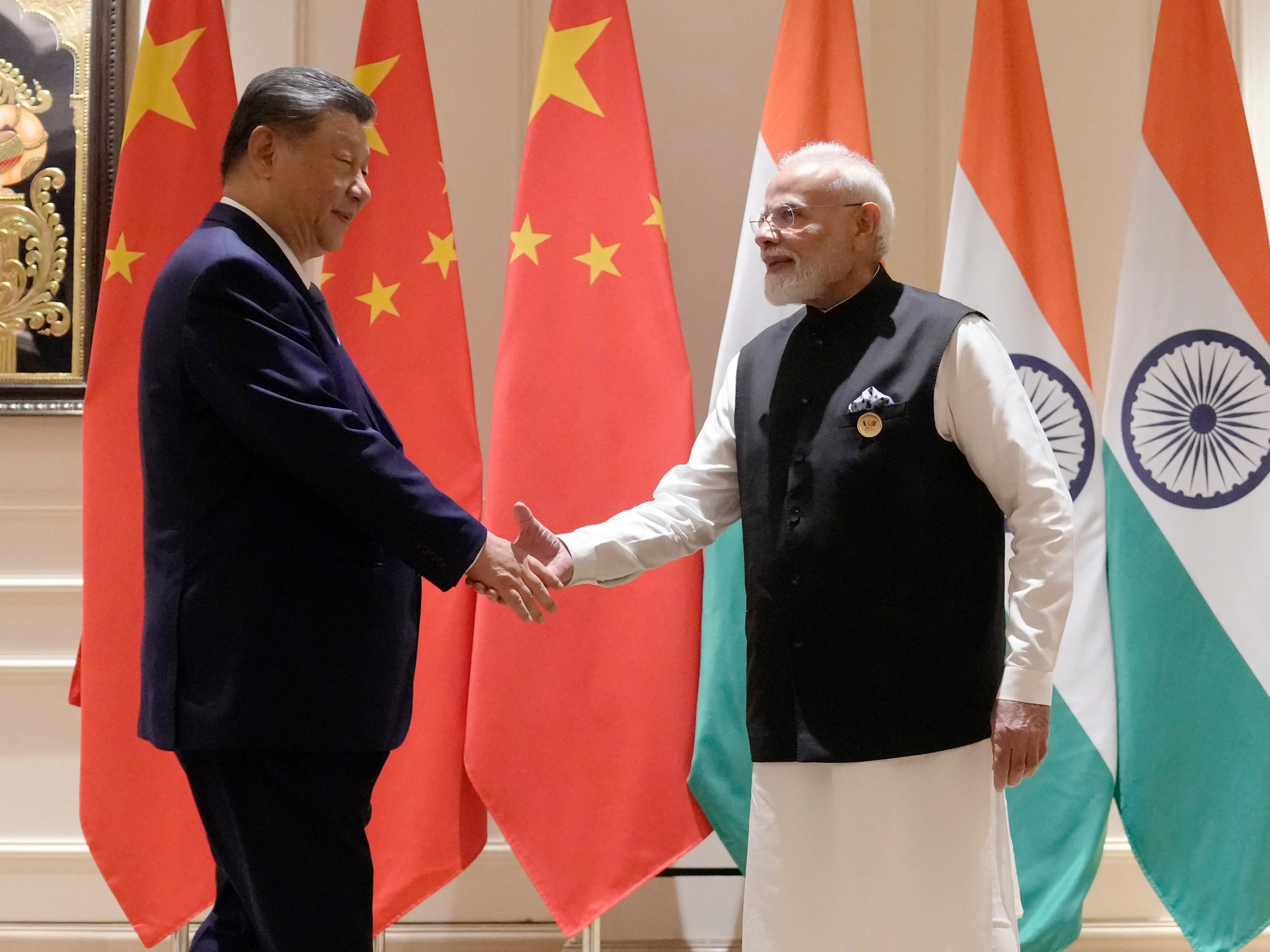
Trump says Canada eager to reach a deal, it could come ‘fairly soon’ if Ottawa treats US farmers better
)
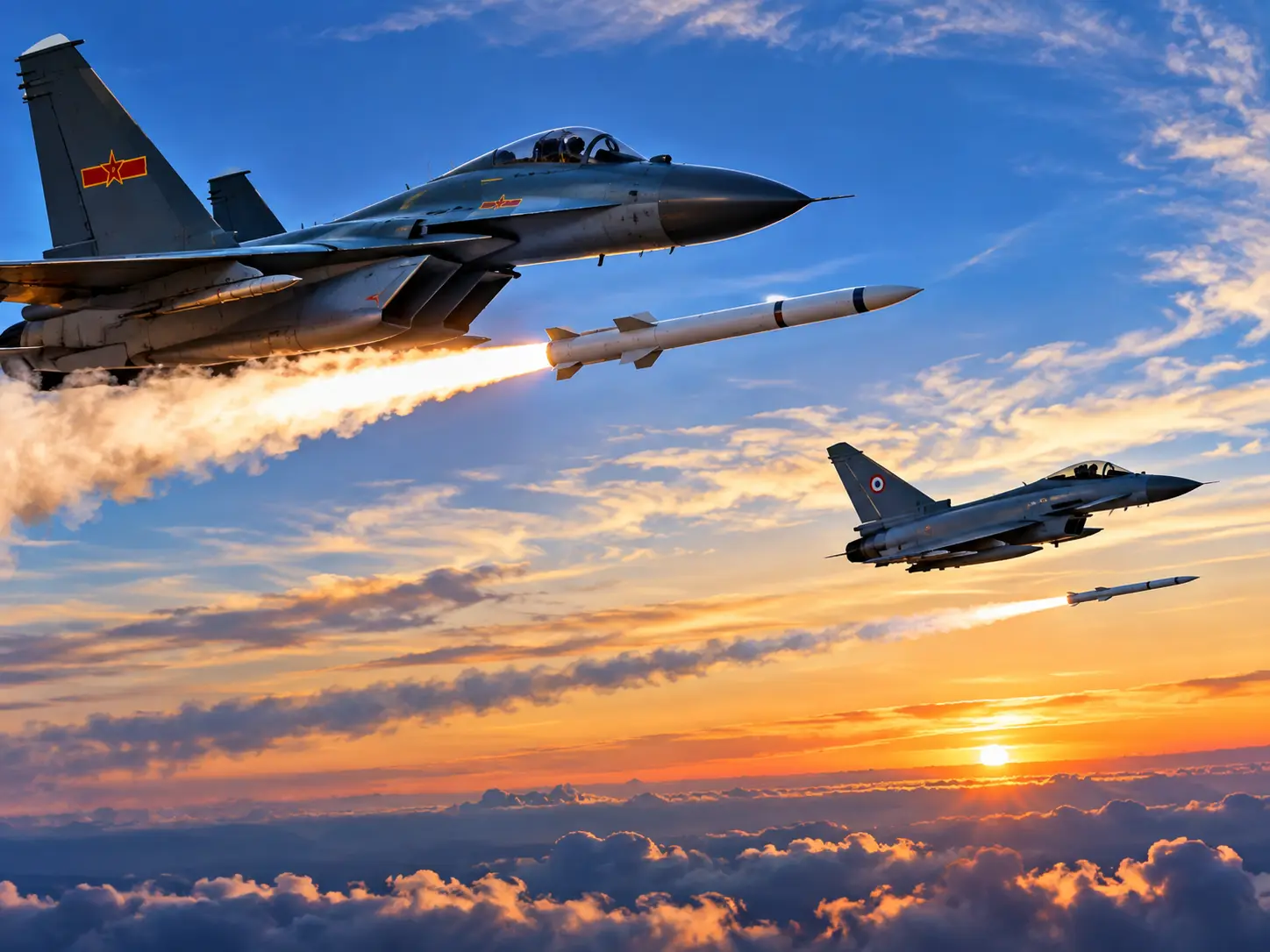
‘Partners, not rivals’: Xi outlines four point plan for stronger India-China ties
&im=FitAndFill=(700,400))
Why Chinese PL-15 air-to-air missiles use dual-pulse motors compared to European interceptors
)
Could staying indoors all day affect your health?
)
BRICS Summit 2026: PM Modi addresses Day 2 of 18th BRICS summit
)
Who is the smiling man beside Modi, Putin and Xi at BRICS Summit 2026?
)
800 million years old - Scientists discover 'fingerprints' of supercontinent Gondwana in ancient rocks
)
Why going digital does not always mean becoming more efficient
&im=FitAndFill=(700,400))
Why do air defence missiles explode near their target instead of hitting it?
)
War is making Russia stronger? How Ukraine is shaping Moscow’s next generation of weapons
)
From severe mobility problems to recovery: Madhuri the elephant’s journey of wildlife care
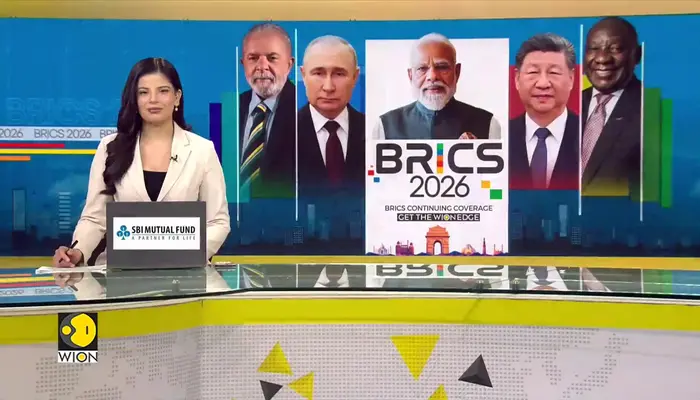)
BRICS Summit day 1: New Delhi declaration adopted with full consensus, big diplomatic win for India
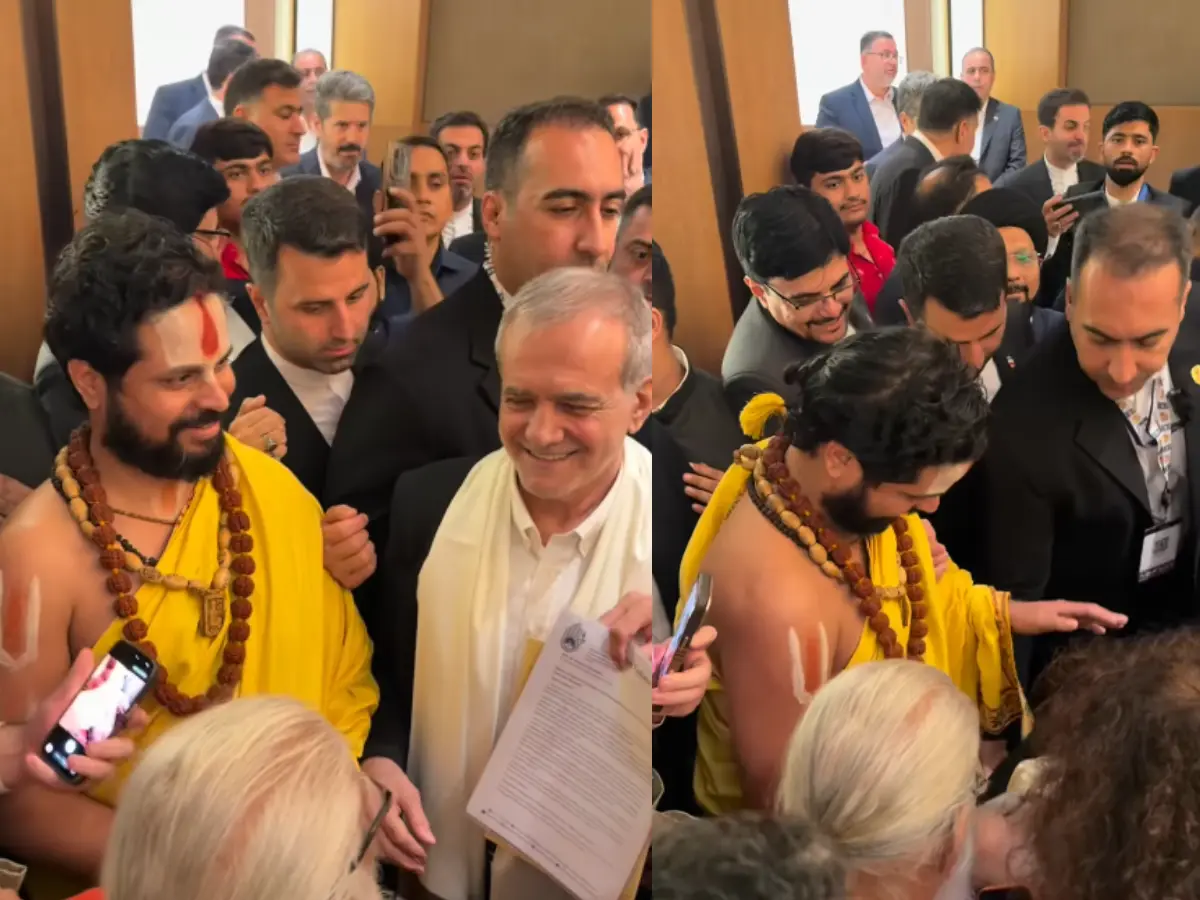)
Did Iran President Pezeshkian touch feet of Hindu spiritual leader at Delhi event as shown in viral video?
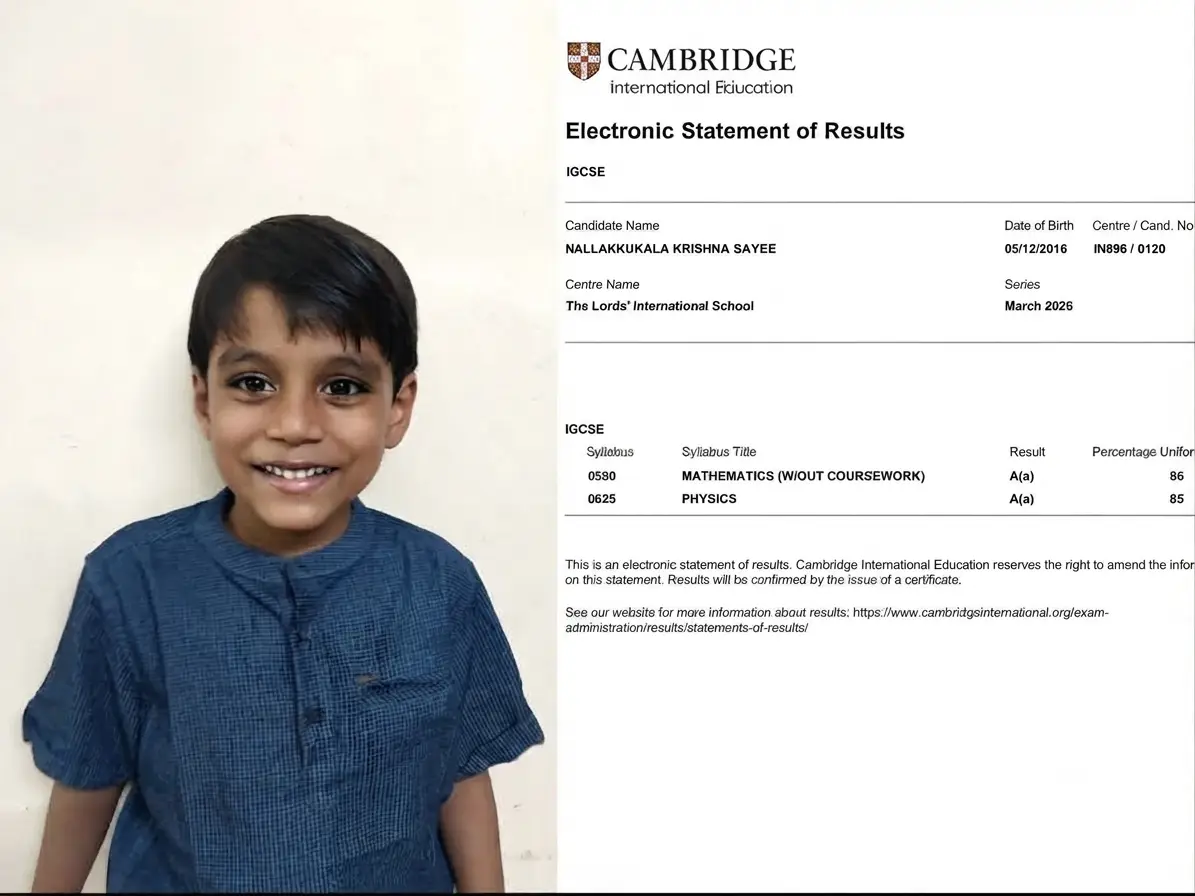)
9-year-old Chennai prodigy clears Cambridge IGCSE grade 10 exams
)
Why does your body need time to adjust after a long journey?
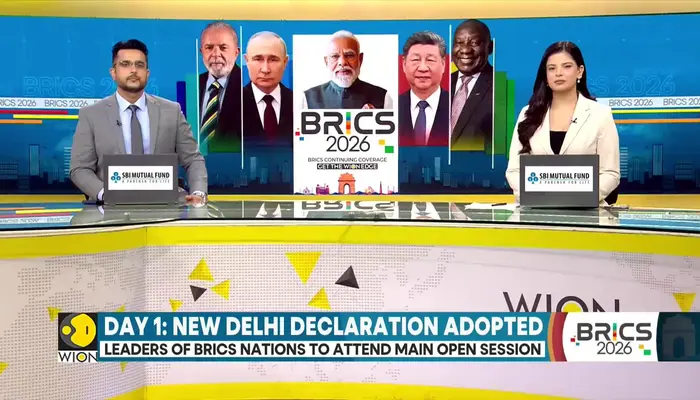)
BRICS Summit 2026: PM Modi to hold bilateral with leaders of seven countries
)
Ramanathaswamy temple takes centre stage as PM Modi welcomes world leaders at BRICS
)
Houthis launch cross-border strike on Saudi Arabia as Yemen war escalates
)
BRICS Summit 2026: Chinese president Xi Jinping departs from New Delhi after attending BRICS summit
)
Why does your skin need protection from UV rays?
)
How does the loss of forests affect the way wildlife lives and moves?
)
IND vs AFG, 1st T20I: When and where to watch live streaming in India?
)
Why do wild animals need quiet places to survive?
)
Bigg Boss 20: Qazi Touqeer gets a special ‘rockstar’ moment from Salman Khan
)
Humans may lose control of AI: Anthropic CEO calls for slowdown, Altman, Musk back him
The Kim family dynasty has long been known for their reverence for their forefathers, and analysts say the action is unparalleled.
Watch | Gravitas: Is North Korean dictator Kim Jong Un sending an SOS signal to the world?
However, in an attempt to marginalise his ideological forefathers and establish his own legacy, Kim Il-sung banned writings by Karl Marx, Vladimir Lenin, and Joseph Stalin.
According to The Times, the new move indicates that Kim feels secure in his hold on power barely a month before the tenth anniversary of his ascension to dictator.
NK News spoke with Fyodor Tertitskiy, a North Korea expert at Kookmin University in Seoul, who said: 'The signal could not be clearer.'
In the 1970s, the term 'Kimilsungism' was adopted to designate Kim's grandfather's beliefs.
The phrase 'Kimilsungism-Kimjongilism' was coined in the next decade to describe the relationship between the country's founder and his heir apparent.
Kim Il-sung's innovative, creative, and revolutionary contribution to national and world thinking is described in the country's state philosophy, 'juche,' which means self-reliance.
The spiritual systems of Kim's two forefathers have also given their names to flowers, raising uncertainties about what Kimjongunism would pick.
Kimjongilia is a begonia, whereas Kimilsungia is a purple orchie.
(With inputs from agencies)