‘Hazard remains high’: NASA captures images of new lava-emitting fissures in Iceland

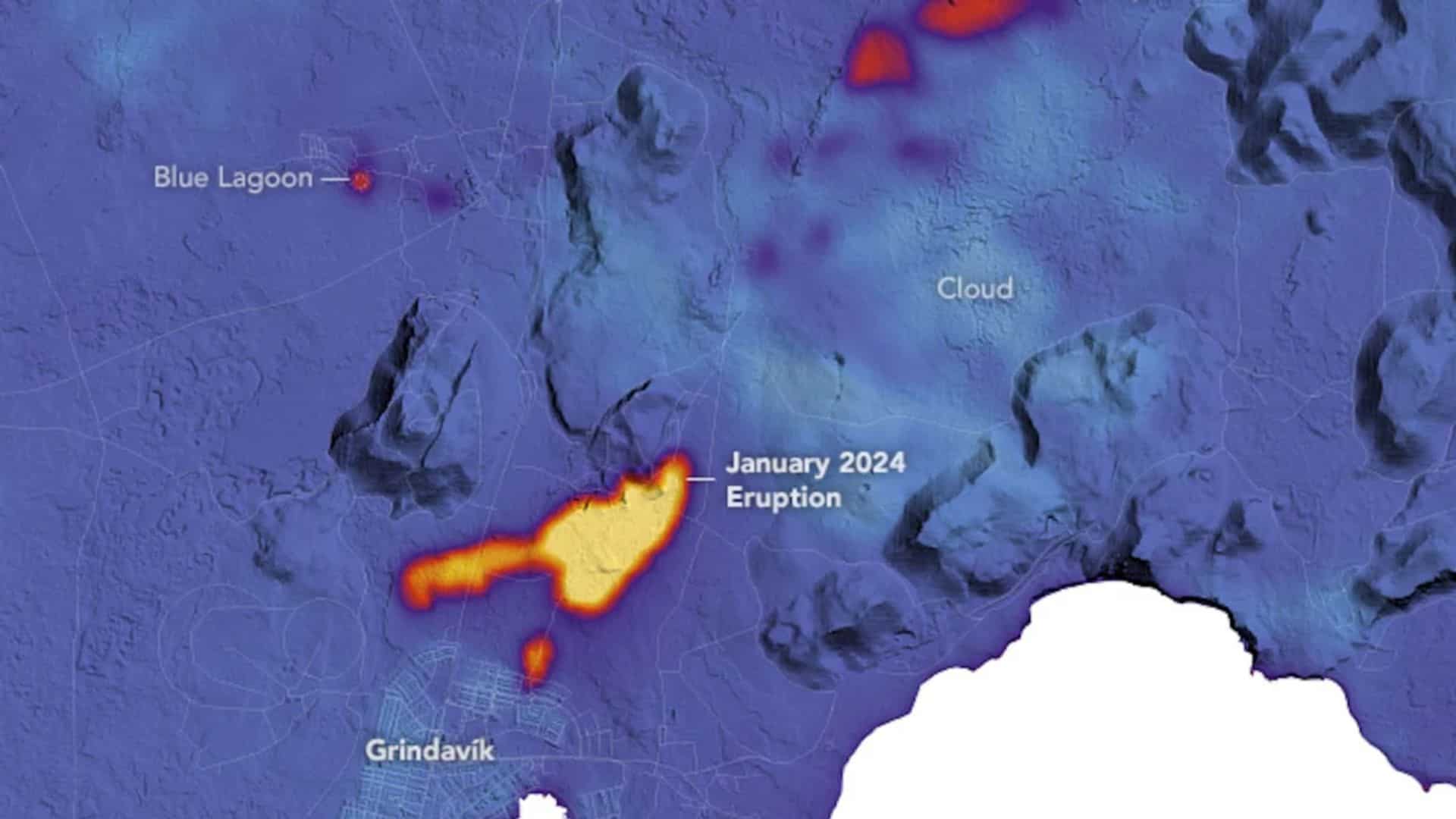
NASA image shows volcanic fissures opening up and red-hot lava oozing out of them.
NASA has captured images of the ancient volcanic fissures in Iceland that cracked open, spewing red-hot lava and posing a significant threat to towns, particularly Grindavik, where evacuations took place.
The most recent eruption on January 14 intensified fears as it engulfed homes shortly after villagers had been safely relocated.
The region has been on high alert since December due to a series of eruptions, leaving Grindavik in a precarious position.

However, the Icelandic Met Office has warnedthat the peril is far from over, with ongoing risks of fault movements, unpredictable lava flows, and the sudden emergence of new fissures.
)
He predicted COVID-19 and 2008 economic crisis, was labeled fearmonger. Now he has another dire warning
)
'Is that a back-up Trump?' Mysterious look-alike standing behind Donald Trump baffles netizens
)
US-Iran war cost hits $37.5 billion as Hegseth seeks $67 billion more for Pentagon
)
UP BTech gold medalist dies by suicide after failing in nearly 50 govt job attempts, leaves note for father
)
'This should not happen in a democracy': Shashi Tharoor slams detention of Rahul Gandhi, Priyanka Gandhi after protest outside PM Modi's residence
)
FBI arrests alleged $547mn medicare fraud fugitive after 3-year global manhunt
&im=FitAndFill=(700,400))
Meet top 5 batters with most runs in India vs Zimbabwe T20Is
)
Maharashtra Bandh call on July 23: What all you need to know
)
Salman Khan breaks silence on health concerns after viral Mumbai appearance
)
'Don't waste...': CJI Surya Kant breaks silence on Delhi police brutality against protesting students
)
Sonam Wangchuk's connection with George Soros and Ford Foundation explained!
)
Trump announces 200% tariff on generic drugs: Here's what it means for 'Pharmacy of the World' India
)
'What is wrong...': Anna Hazare breaks silence on Sonam Wangchuk's protest, makes an appeal to Centre
)
'Guru is the...': Indian Education Minister Dharmendra Pradhan shares message on education amid calls for his resignation
)
ICC ODI Rankings: Joe Root jumps big, India trio close in on No. 1 spot
)
Dharmendra Pradhan's 1997 paper leak protest surfaces amid calls for resignation
)
Student union leaders call off hunger strike at Jantar Mantar after civil society appeal, but protest continues
)
IND vs ZIM, 1st T20I: When and where to watch live streaming in India?
&im=FitAndFill=(700,400))
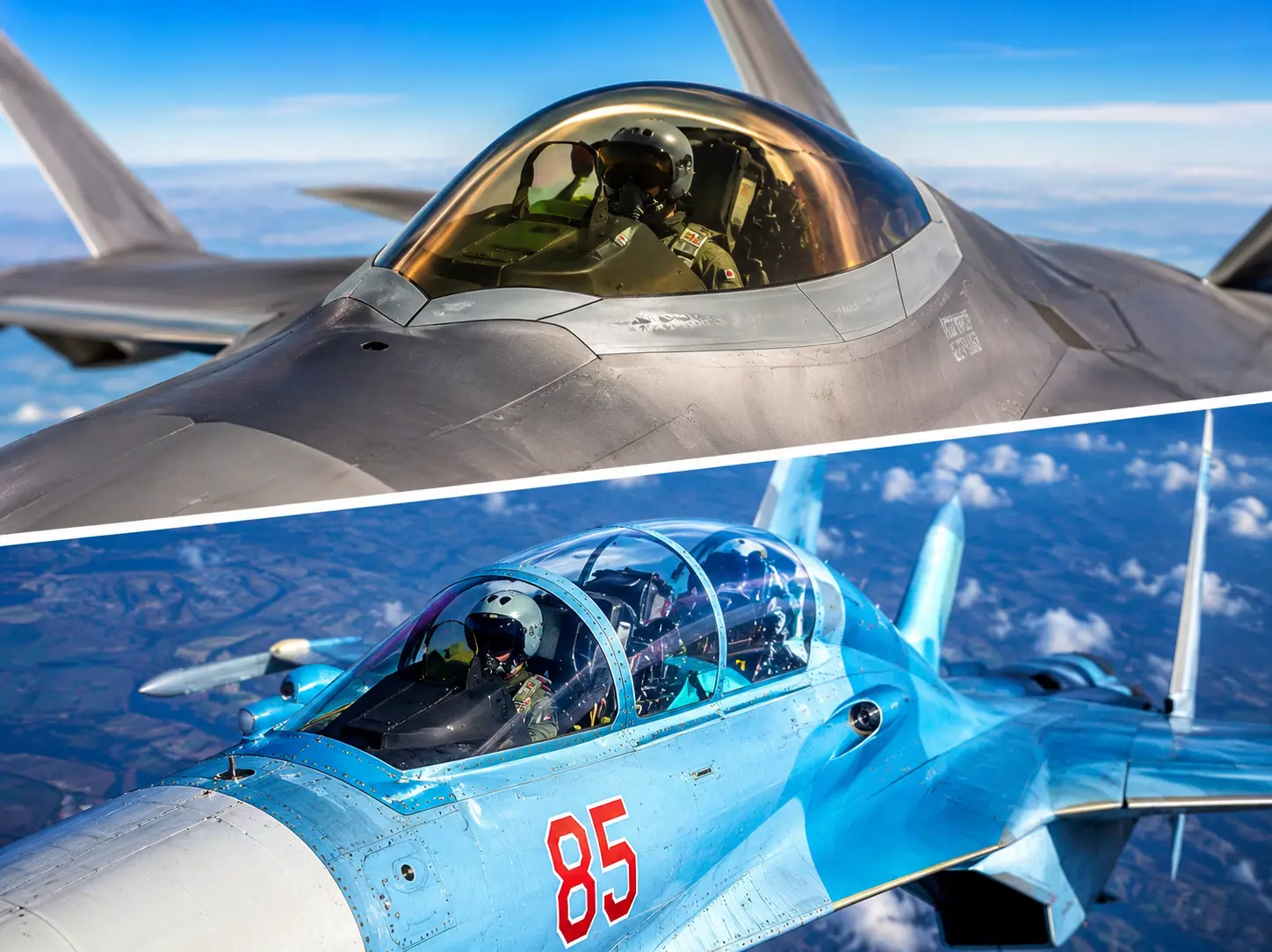
Why US fighter jets use seamless bubble canopies compared to Russian jets
)
FIFA 2026 | 'I am truly sorry': Argentina's Enzo Fernandez, who get red card in final, reacts to loss
&im=FitAndFill=(700,400))
World's top 7 most liveable cities in 2026 — Check where India and Pakistan stand
)
Kaylee Hottle was unconscious: Shocking details from first responders revealed after teen star's death
&im=FitAndFill=(700,400))
New OTT releases this week (July 20-26, 2026): Musafir Cafe, Adarsh Baal Vidyalaya, 72 Hours- 5 new titles coming on Netflix, Prime Video and more
&im=FitAndFill=(700,400))
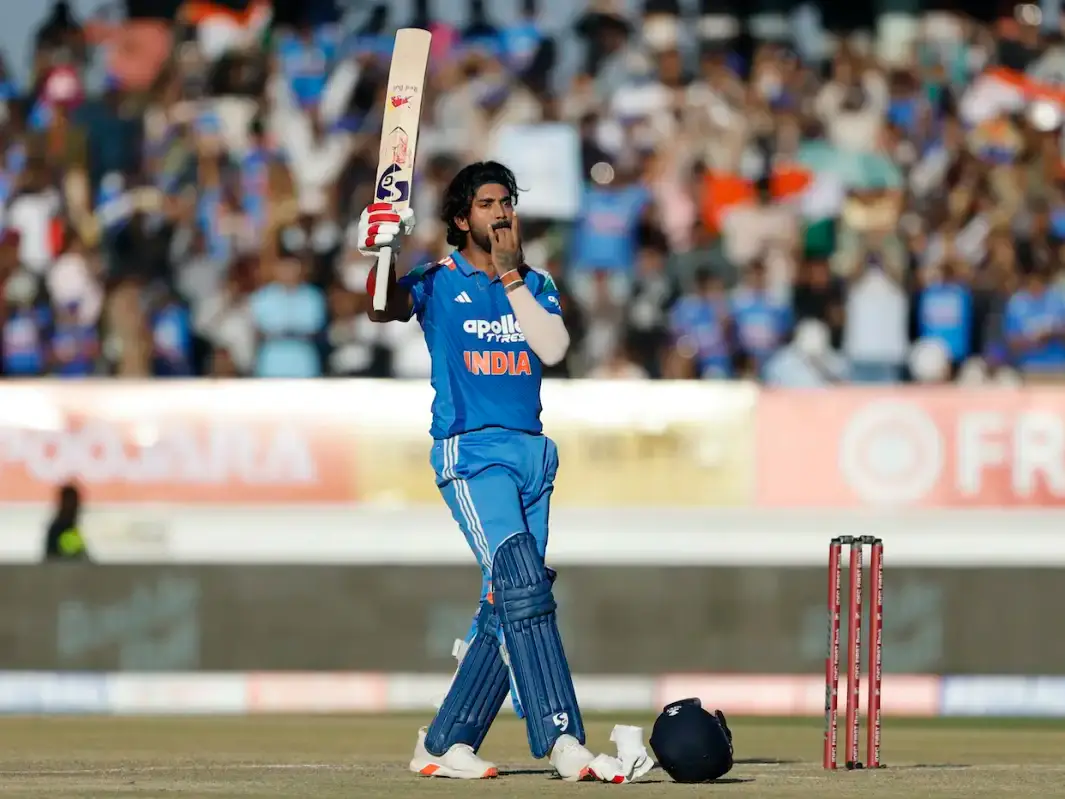
Meet top 5 Indian batters with most T20I runs against Zimbabwe
)
'We acted immediately...': Indian PM Modi breaks silence on paper leaks as NEET protest, calls for Education Minister's resignation grows
)
'George Soros playbook': Understanding the foreign funding network around Sonam Wangchuk
)
Trump blames AI for viral video of mystery objects thrown from White House window, WH says ‘maintenance’. Who's lying?
NASA's thermal insight into the volcanic unrest
NASA's Landsat 9 satellite captured the unfolding crisis by usinga thermal infrared sensor. A recently released map depicts the substantial heat emanating from the fractured land surface near Grindavik. The image vividly showsthe massive fissures filled with intensely hot lava.
Despite recent evacuations, Grindavik remains susceptible to additional fault movements and unpredictable lava flows. The NASA data, collected on January 16, reveals ground deformation of up to 1.4 metres(4.6 feet) beneath Grindavik due to magma movement. Experts caution that the area may experience cyclical bursts of volcanic activity, underscoring the persistent dangers.
Last month, the eruption in the Svartsengi volcanic system heightened tensions. Beginning on December 18, it prompted the evacuation of Grindavik's 4,000 residents and the closure of the popular tourist destination, the Blue Lagoon geothermal spa.
Iceland's unique geological position
Positioned between the Eurasian and North American tectonic plates, Iceland faces heightened seismic and volcanic activity. As these two colossal plates move in opposite directions, the country remains a dynamic hotspot for geological phenomena, adding to the ongoing challenges posed by natural forces.
(With inputs from agencies)