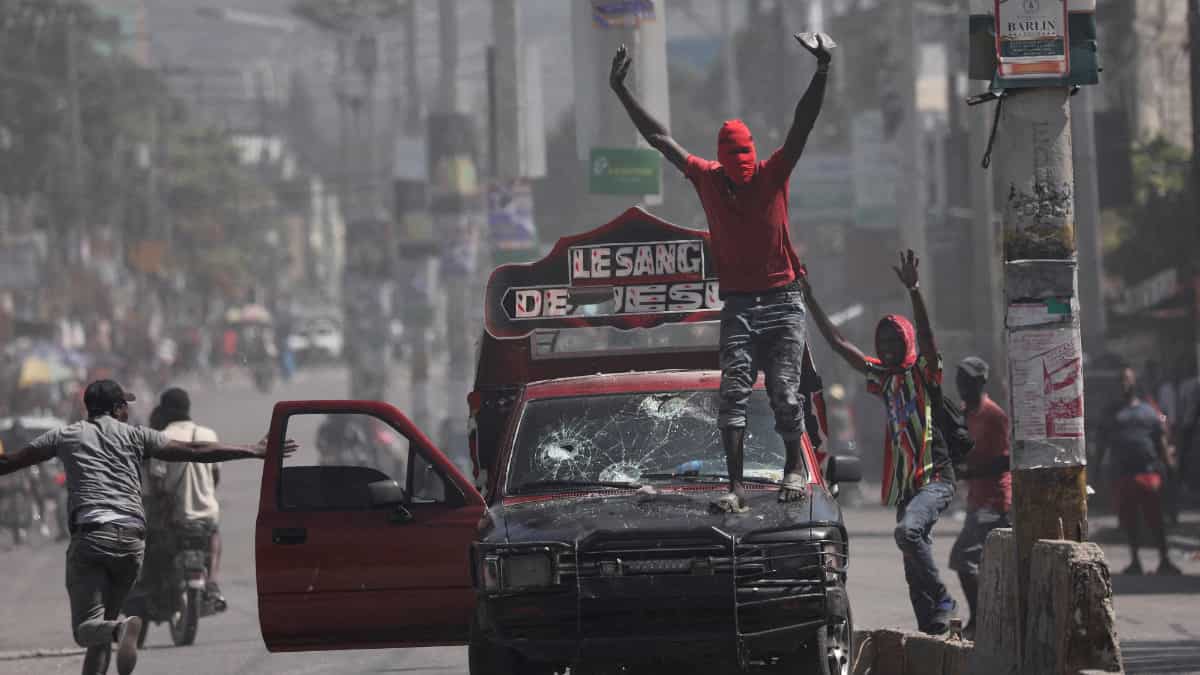
Haiti plunges further into crisis as armed gangs rampage through capital

Haiti violence
Amid the deepening crisis in the Caribbean island nation of Haiti stoked by gang violence,Prime Minister Ariel Henry landed in Puerto Rico on Tuesday (March 5). But his return to Haiti remains uncertain.
Also read |Haiti: Gangs try to seize control of main airport in Port-au-Prince amid new attacks on govt sites
Haiti is in turmoil, so why was the PM in Kenya?

The purpose of Prime Minister Henry's trip to Kenya was to finalise a deal for the establishment of a UN-backed multinational security force aimed at combating escalating gang violence in Haiti.
But the initiative triggered unrest, with a prominent gang leader demanding his resignation and urging him to stay away from the country.
Meanwhile, reports surfaced that the Dominican Republic, sharing the island of Hispaniola with Haiti, initially denied authorisation for Henry's plane to land. Although unconfirmed by Dominican officials, Puerto Rico's governor's office later confirmed his arrival in the capital, San Juan, Reuters reported.
)
'Black day' in country’s democratic history: Mamata moves SC against EC order freezing TMC name, symbol
)
Africa is splitting, and a lot sooner than estimated, giving way to a new ocean
&im=FitAndFill=(700,400))
From Abhishek Sharma to Sahil Chauhan, 5 batters with fastest T20I hundreds
)
Pentagon revives mandatory testosterone testing for male troops aged 30 and above
)
US And Denmark reach Greenland deal, Trump announces expanded military presence
)
‘Will go to any extent’: Pakistan vows to defend Saudi Arabia amid Houthi attacks
)
FACT CHECK: Why did PM Modi ask Xi ‘is it okay’ at BRICS Summit? New video reveals...
)
Trump 2.0: Dark days ahead for America’s ‘imperial presidency’
&im=FitAndFill=(700,400))
New Friday OTT releases (September 18, 2026): Lust Stories 3, You+Me, Best of the Best- 8 new titles coming on Netflix, Prime Video and more
)
India seeks to build a full semiconductor supply chain
)
Russia holds first parliamentary elections since the beginning of the Ukraine war
)
NASA research plane reaches 61,000 feet over Panama
&im=FitAndFill=(700,400))
Meet top 5 Indian batters with fastest T20I centuries
)
Shivakumar attends 79th Kalyana Karnataka Utsav in Kalaburagi
)
Pyongyang dismisses US, western pressure over nuclear programme
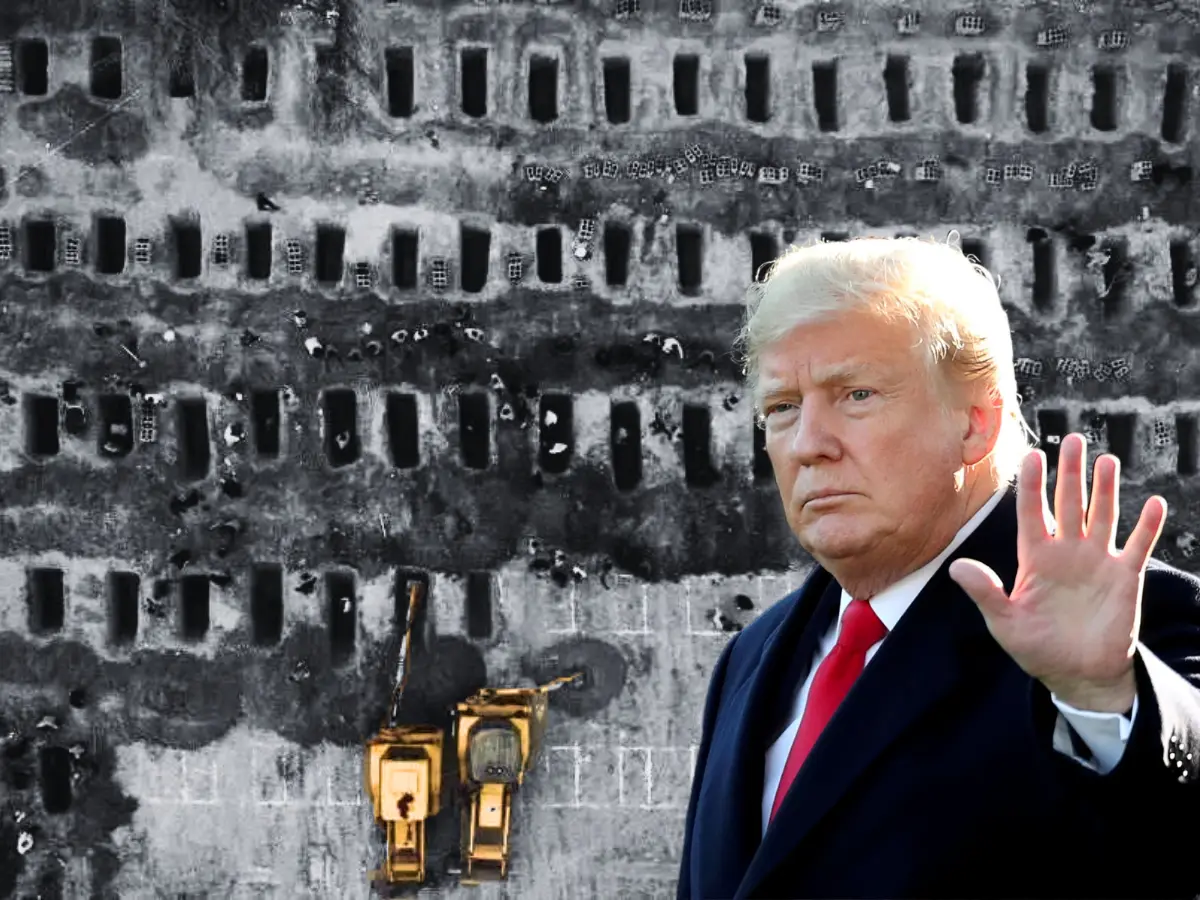)
The Verdict | When precision fails: US commits war crime in Minab school strike, UN finds
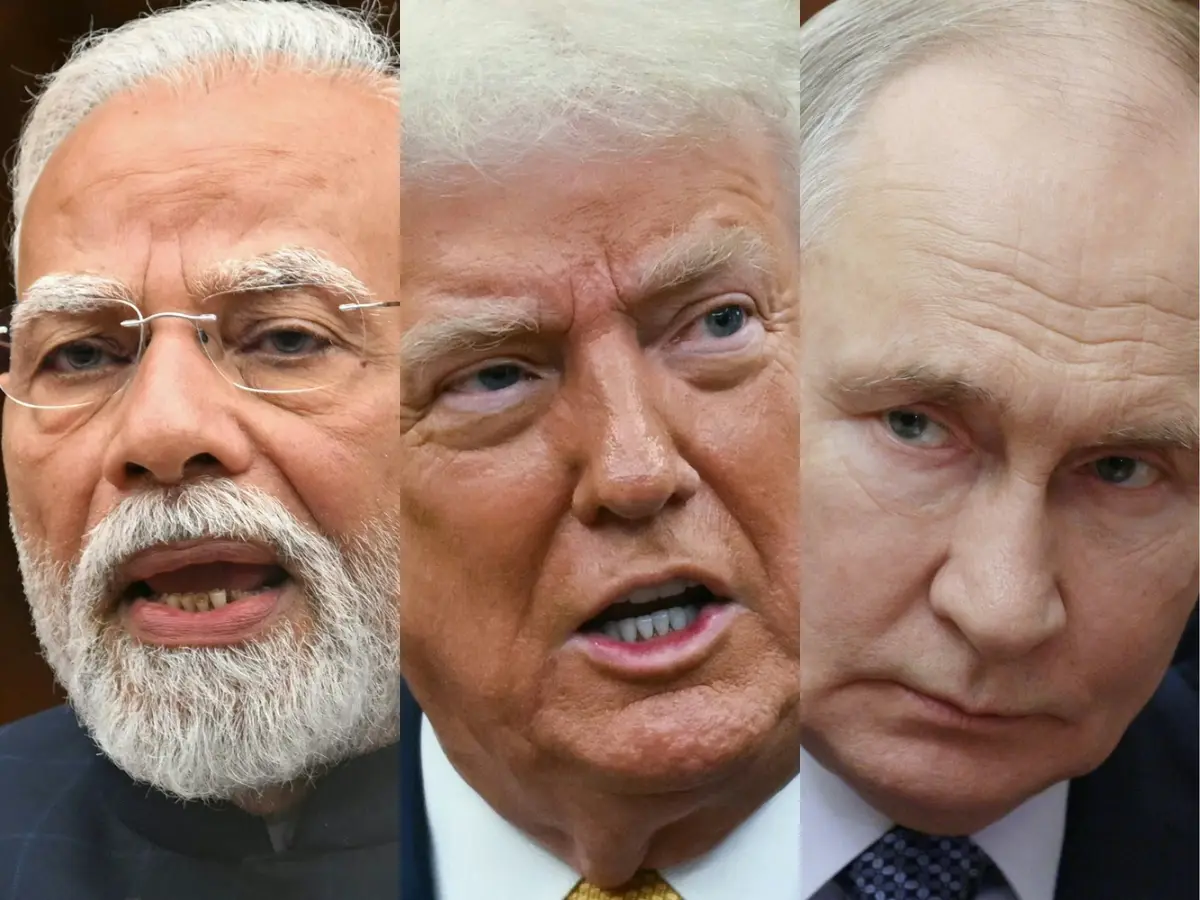)
Trump signs Russia sanctions law: India faces fresh 100% tariff threat over Russian oil
)
Trump's Greenland dream comes true? POTUS announces 'Infinite Life' deal with Denmark, claims permanent US control
)
Indian Cinema bets big on mythology, brings ancient stories to modern audiences
)
'Gangsta' crab shoves knife blade at man and his dog in Florida - Watch
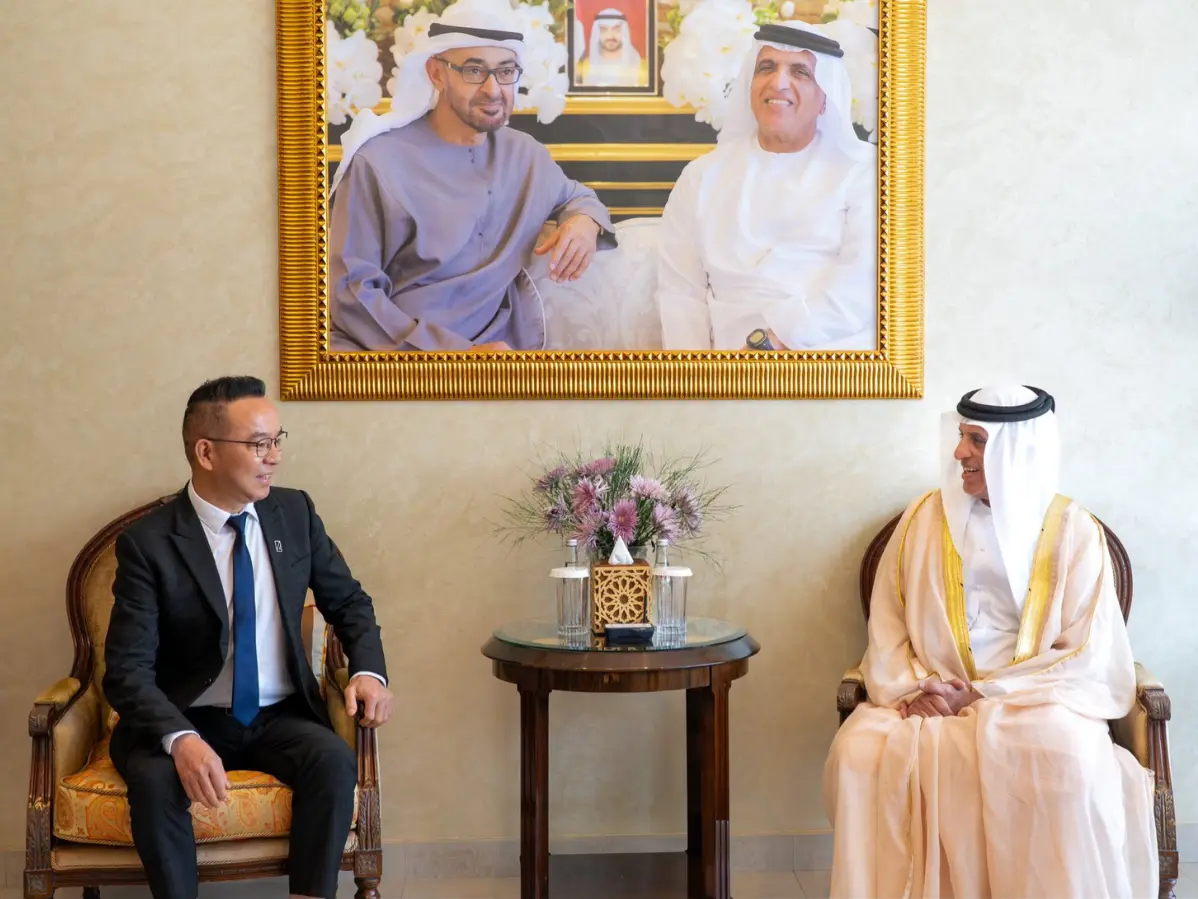)
Flying cars in UAE: Ras Al Khaimah signs deal with Chinese company to test new transport
)
Who is Khalilur Rahman? All you need to know about 81st UN General Assembly President
)
Trump bans CNN, MS NOW and Politico from White House over ‘FAKE NEWS’
)
Indian activist-lawyer Prashant Bhushan's post brings focus on ‘conflict of interest’ appointments of ex-govt officials at Reliance, Adani groups
)
Brigitte Bardot’s private collection set for Paris auction; key items and prices revealed
)
Ukraine plans record $109 bn defence spending, nearly two thirds of budget amid Russia war
)
IIT Bombay student dies by suicide, was caught seeking AI help during exams
)
Godfather of AI Geoffrey Hinton gives US lawmakers a one-year warning on AI
)
Three labourers killed as DU student loses control of his car, rams into them on Dwarka Expressway
)
Google’s Gemini AI hacks real systems by guessing passwords during security test
)
Trump signs Russia sanctions bill into law, targets Moscow’s energy sector
)
China may have gained access to US's classified F-35 jets; parts meant for repairs diverted to Hong Kong, sparking Pentagon inquiry
)
Drone strikes cooling tower at Russia's Kursk Nuclear Plant, IAEA confirms
)
Why Ranveer Singh’s Dhurandhar missed India’s Oscar entry; FFI jury member reveals what happened
&im=FitAndFill=(700,400))
Meet top 5 bowlers in latest ICC T20I rankings
Also watch |Why has Haiti declared a state of emergency?
Haiti plunged into a state of emergency on Sunday (March 3)following two major prison breaks.
Recent days have witnessed intense gunfire near airports.
The United Nations' immigration office reported over the weekend that the violence had displaced at least 15,000 people, with armed gangs forcing residents out of their homes. The situation has led to a surge in migration from the capital to Artibonite, traditionally Haiti's breadbasket farming region, which now faces food shortages due to the expanding conflict.
Against this backdrop, neighbouring countries have withdrawn embassy staff and advised their citizens to leave the region. The Dominican Republic, with a historically complex relationship with Haiti, has strengthened its border security and declared it will not establish refugee camps for fleeing Haitians.
Limited international support for Haiti
International support for Haiti has been limited, with the UN authorising a security mission last year whosedeployment date remains uncertain.
As of late February, only five nations had formally pledged troops, with less than $11 million deposited into the fund.
The UNestimates that the conflict has displaced around 300,000 people, with gangs responsible for nearly 5,000 deaths and almost 2,500 kidnappings last year.
Some kidnappers have reportedly used videos of rape and torture to extort costly ransoms from victims' friends and families.
(With inputs from agencies)