Grave of Syria’s Iron ruler Hafez al-Assad dug up: Is this the final fall of the Assad dynasty? | Video

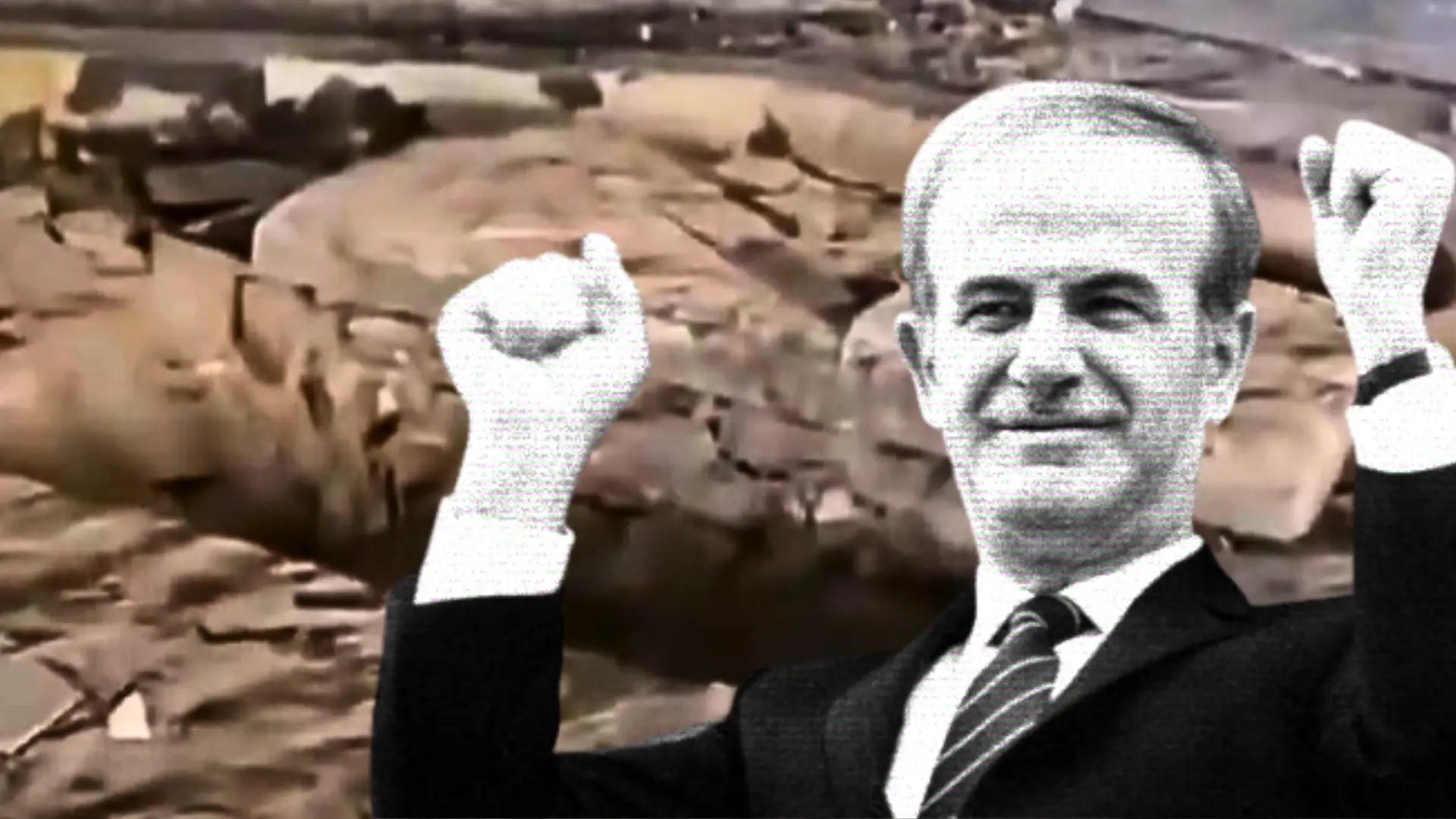
World: The burial site had already been attacked and set on fire shortly after the collapse of Bashar al-Assad’s regime a few months ago.
The tomb of Syria’s former president and long-time strongman, Hafez al-Assad, in the western city of Qardaha has reportedly been exhumed, according to activists and local media.
Photos and videos that appeared on social media on Monday (April 28) showed the grave heavily damaged and emptied, looking more like a burnt-out pit. People dressed in military uniforms were spotted at the scene, although their identities and affiliations remain unclear.
The footage, some of which was shared by the Syrian news outlet Zaman al-Wasl, is believed to date back to 17 April. Activists said unknown individuals dug up the grave and moved Hafez al-Assad’s remains to an undisclosed location. Some blamed armed groups active in the region for the act.
This is the first time that images have emerged showing the late ruler’s tomb desecrated in such a way.
Background of the incident
Trending Stories
)
)
)
)
)
&im=FitAndFill=(700,400))
)
)
)
)
)
)
)
)
)
)
)
)
)
)
)
)
)
)
)
)
)
&im=FitAndFill=(700,400))
)
)
)
The burial site had already been attacked and set on fire shortly after the collapse of Bashar al-Assad’s regime a few months ago.
Following the withdrawal of government forces from Qardaha, a known Assad family stronghold in Latakia province, regime opponents stormed the site. Videos from that time showed protesters setting fire to the mausoleum and, in acts of public defiance, even urinating on the tombstone.
For more than twenty years, the Assad regime had treated Hafez al-Assad’s tomb as a shrine, requiring visiting dignitaries, soldiers, and ordinary citizens to publicly pay their respects to the late president.
While some hailed him for bringing stability to Syria, critics accused him of setting the stage for repression, corruption, and the brutal sectarian divides that eventually erupted during the 2011 uprising and the subsequent civil war.
Collapse of the Assad regime
After the fall of Bashar al-Assad’s rule, resentment among locals in Qardaha grew louder. Many expressed anger over the grand mausoleum’s presence in a town that had long suffered from poverty, while the Assad family lived in luxury and power.
The reported exhumation has sparked mixed reactions online. Some activists praised the removal of Assad’s remains as necessary to "cleanse Muslim lands of the tyrant," according to one post on X. Others pointed out that while symbolic, it would do little to mend Syria’s deeply fractured society.
As of now, the exact date of the exhumation and the whereabouts of the remains remain unknown.
