German MP blasts ‘Kamikaze’ leadership over ‘failed’ Russian sanctions

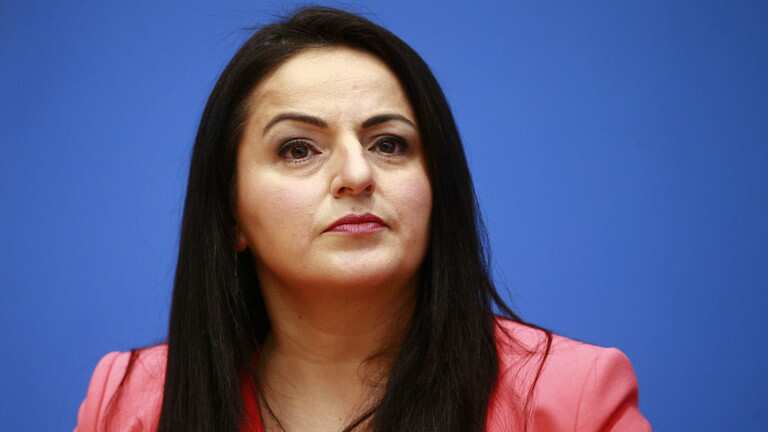
Sevim Dagdelen, a German MP from the Left Party (Die Linke)
A German lawmaker has lashed out at her government for imposing sanctions on Russia that were now “jeopardising” their own economy.
Sevim Dagdelen, a German MP from the Left Party (Die Linke), recently penned an op-ed for the Berliner Zeitung, in which she came down heavily on the German government for taking actions against Russia that were now “backfiring.”
“In order to ruin Russia, it was hoped that the punitive measures that violate international law will have a long-lasting effect. But the reality is different. Even the Russian auto industry is recovering. Chinese companies are stepping in for the German manufacturers who leave Russia,” Dagdelen wrote in her op-ed.

She also claimed that sanctions were actually strengthening Russia while stagnation looms over the German economy.
“Contrary to what was hoped, Russia has not been ruined. The consequences of the sanctions are evident, but on our side. While Germany’s economy collapsed by 0.3% in the last quarter and stagnation is also threatening the Eurozone, Russia is now forecast to grow by 2.5% this year. As is often the case, a merciless idealism characteristic of the German ruling party obscures the view of reality,” She wrote.
‘German govt acting like Kamikaze pilot’
)
Harry Brook targets long reign at top of T20I rankings after Sri Lanka sweep
)
North Korea's nuclear tests triggered 1,399 earthquakes: Earth is still shaking | Gravitas
)
China now makes advanced memory chips without the machines it was banned from buying
)
Ed Sheeran addresses Macklemore's removal, Gaza conflict during Philadelphia concert: 'I cannot hide how I feel'
)
Sikh bus driver assaulted, bus stolen and rammed into cars in England; video surfaces
)
Munich Mayor taps first keg to kick off Oktoberfest
)
Trump in ‘deciding mode’ on Iran, says ‘very big things’ going to happen soon
&im=FitAndFill=(700,400))
Top 10 countries in mathematics: See the world’s best performers in 2026
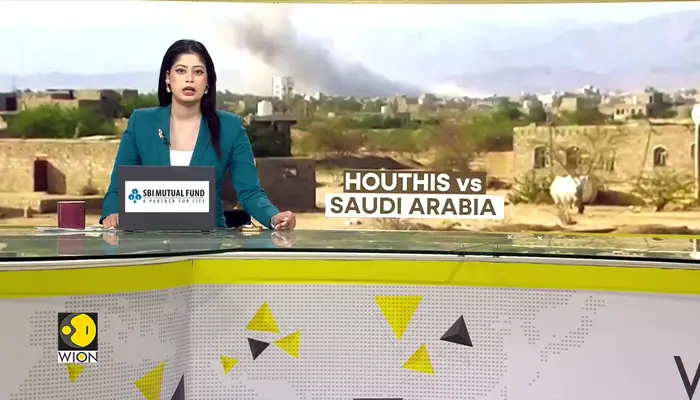)
Saudi vs Houthis: Houthis claim missiles & drones used in attack on key Saudi sites
)
Trump defends AI amid growing alarm, announces new 'AI force' and promises an 'AI czar'
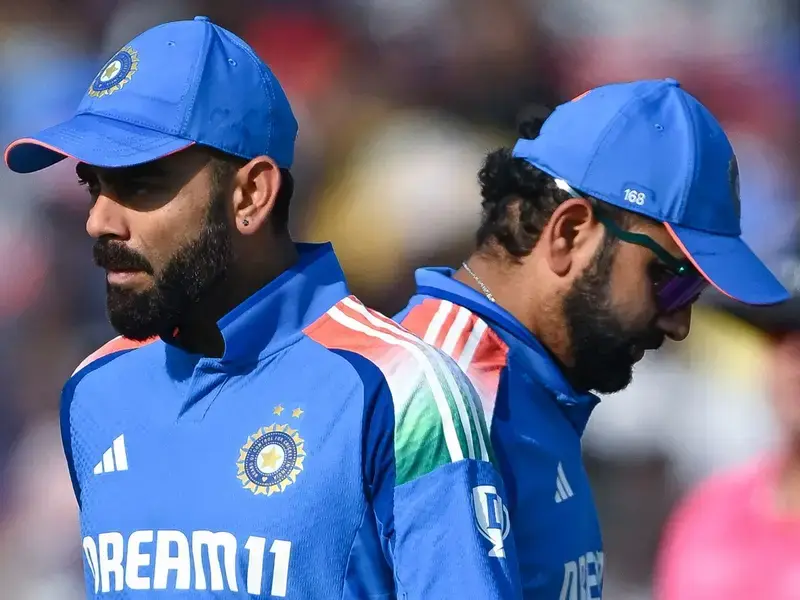)
'Lot of things to learn from experienced players': Jayasuriya backs Rohit, Virat for 2027 ODI World Cup
)
BTS' fans question iHeartRadio’s treatment of group after brief festival set
)
Arvind Kejriwal, family members, Delhi CM Rekha Gupta get SIR notices
&im=FitAndFill=(700,400))
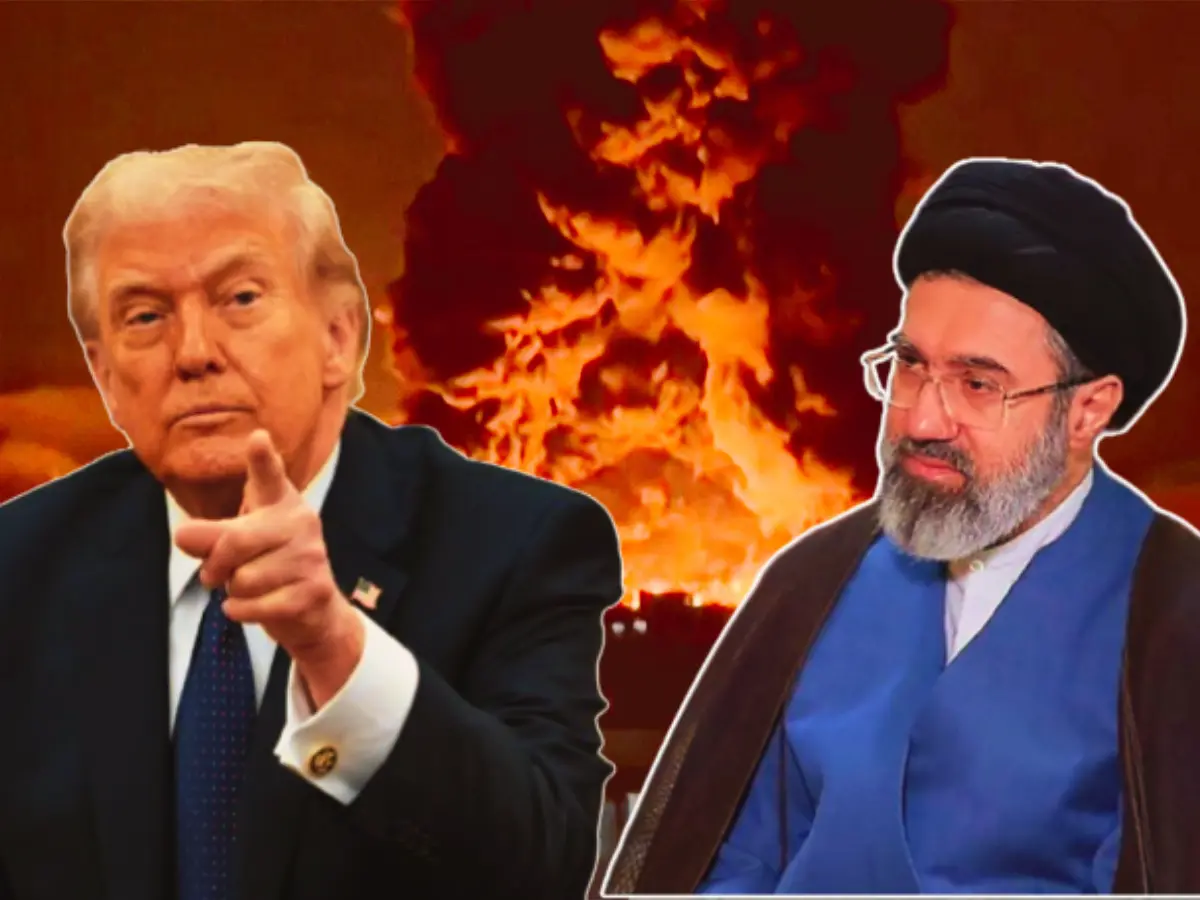
What TSMC's 2nm technology means for Apple
)
Iran sets 7 conditions to end war with US: What are Tehran’s demands?
)
S Jaishankar, former Army chief among high-profile names issued Delhi SIR notices
)
'Were you here to sell chickpeas?': Wasim Akram criticises Babar Azam's captaincy
)
West Indies Squad for India Series: Hetmyer included for T20Is, Holder rested
)
Mark Carney mimics Trump in hilarious moment over C$70 billion clean-energy investment; room erupts in laughter
)
US ships in Indian Ocean ‘will be attacked’ if war resumes, warns Iran
)
‘0% chance’: Nvidia CEO Jensen Huang dismisses AI extinction fears by 2030
)
Saudi Arabia exits China-led mBridge digital currency platform amid Saudi-Houthi conflict
)
Several petrol pumps, other businesses to refuse UPI payments above Rs 2,000 from Oct 16: Is it legal?
)
AUS vs ZIM, 3rd ODI: Ellis stars as Australia edge Zimbabwe by one wicket in last-over thriller
)
Israeli President pardons combat medic who shot dead a badly wounded Palestinian attacker
)
Samsung raises Galaxy S26 prices by Rs 20,000: Here’s what each model now costs
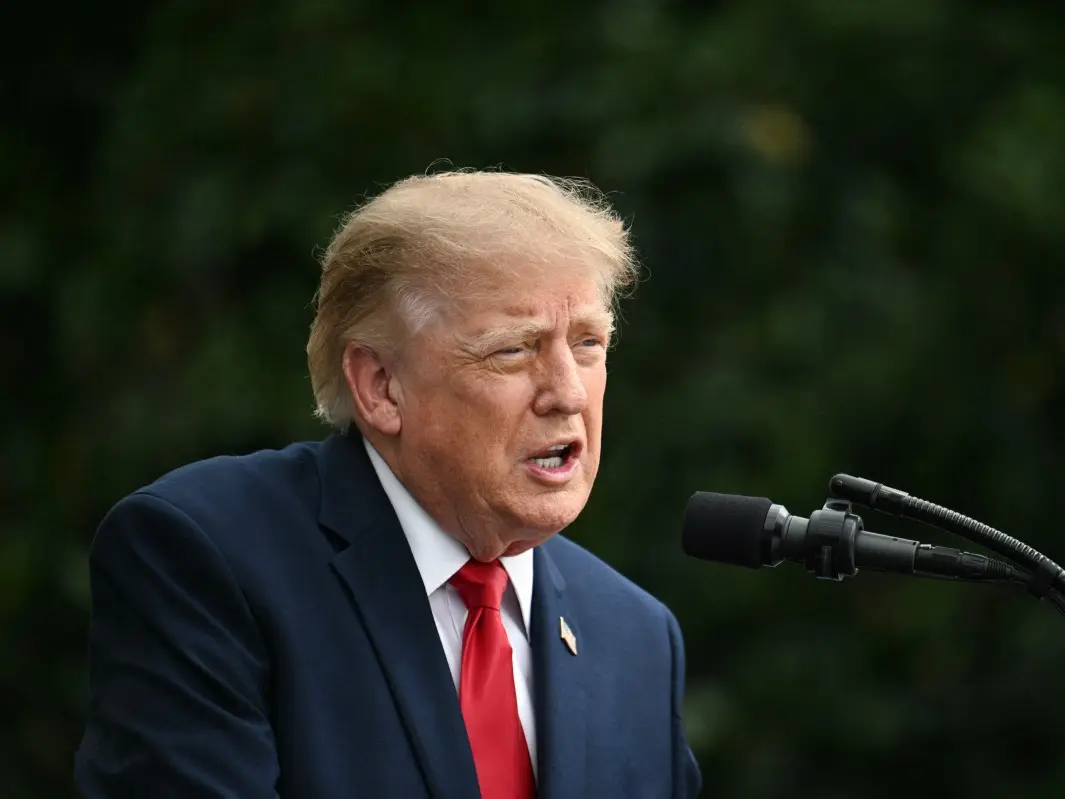)
Trump announces ‘AI Force’ as debate grows over AI risks and regulation
)
Kampala-Ankara rift deepens: Uganda suspends military ties, seeks Fred Lumbuye's extradition
)
Trump signs Russia sanction bill. How will it impact India? WION Explains
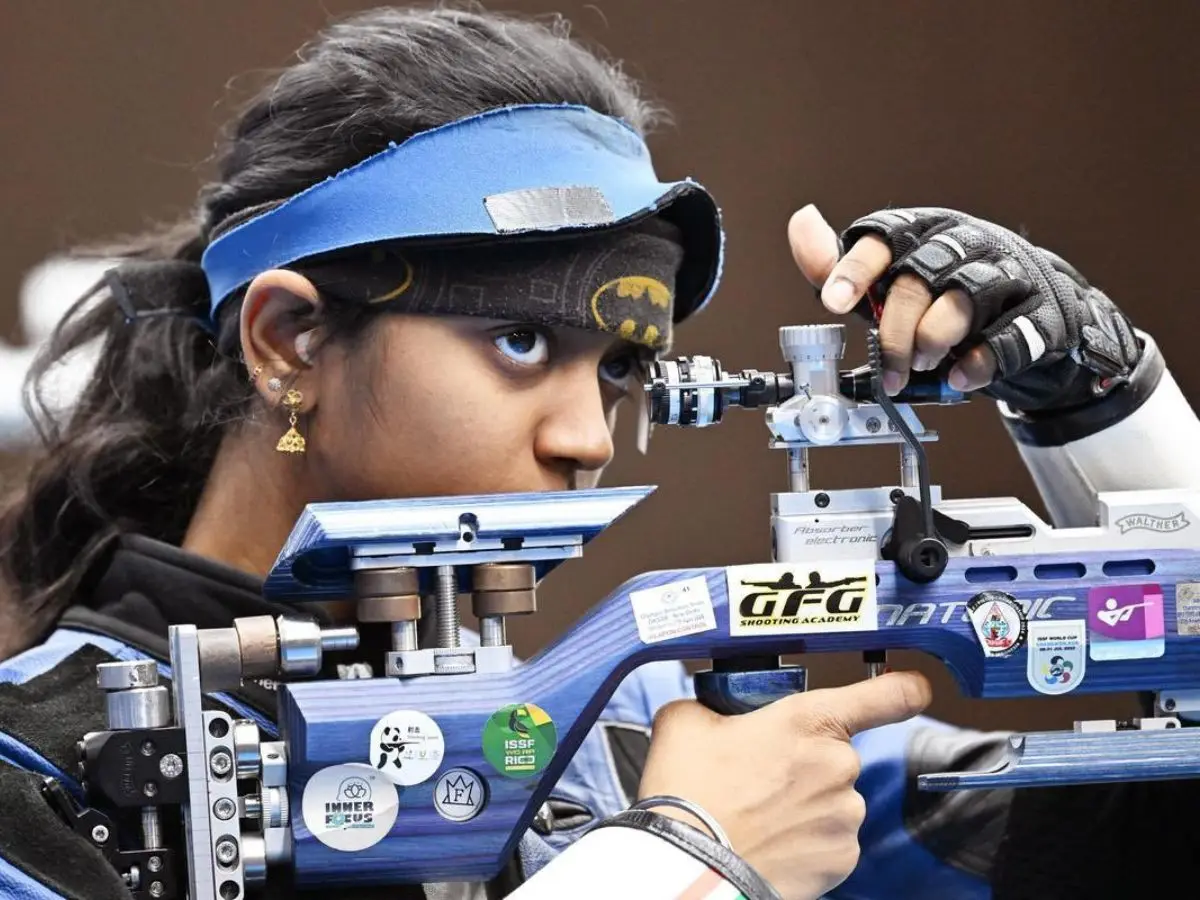)
Asian Games 2026: India win first medal as women’s 10m air rifle team claims silver
)
AI actress Tilly Norwood glitches mid-interview, switches from English to Chinese | Watch
)
9 women found dead near Johannesburg: South Africans rally, demand 'enough' to femicide
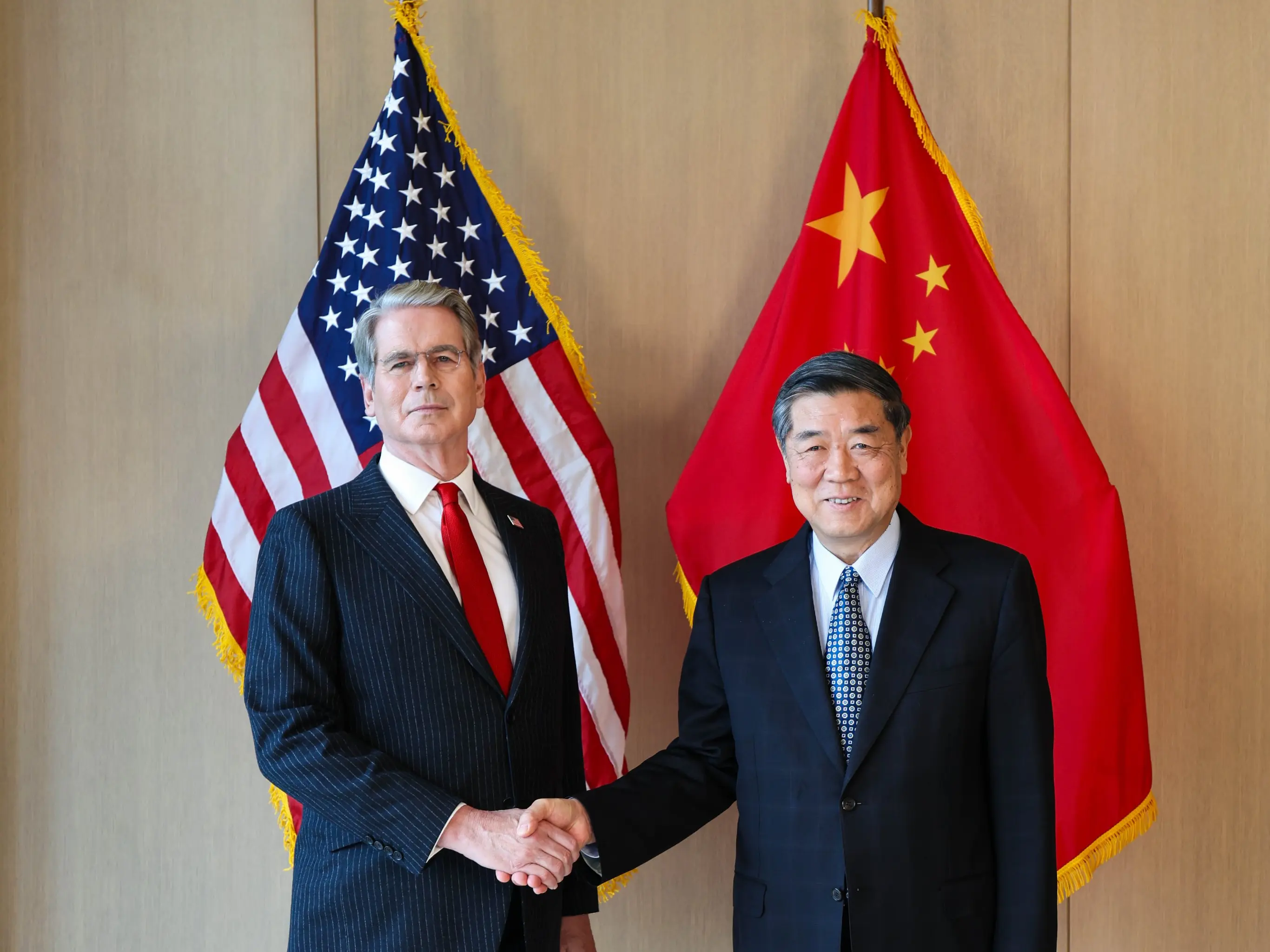)
Bessent meets China’s He Lifeng to prepare for Trump-Xi summit
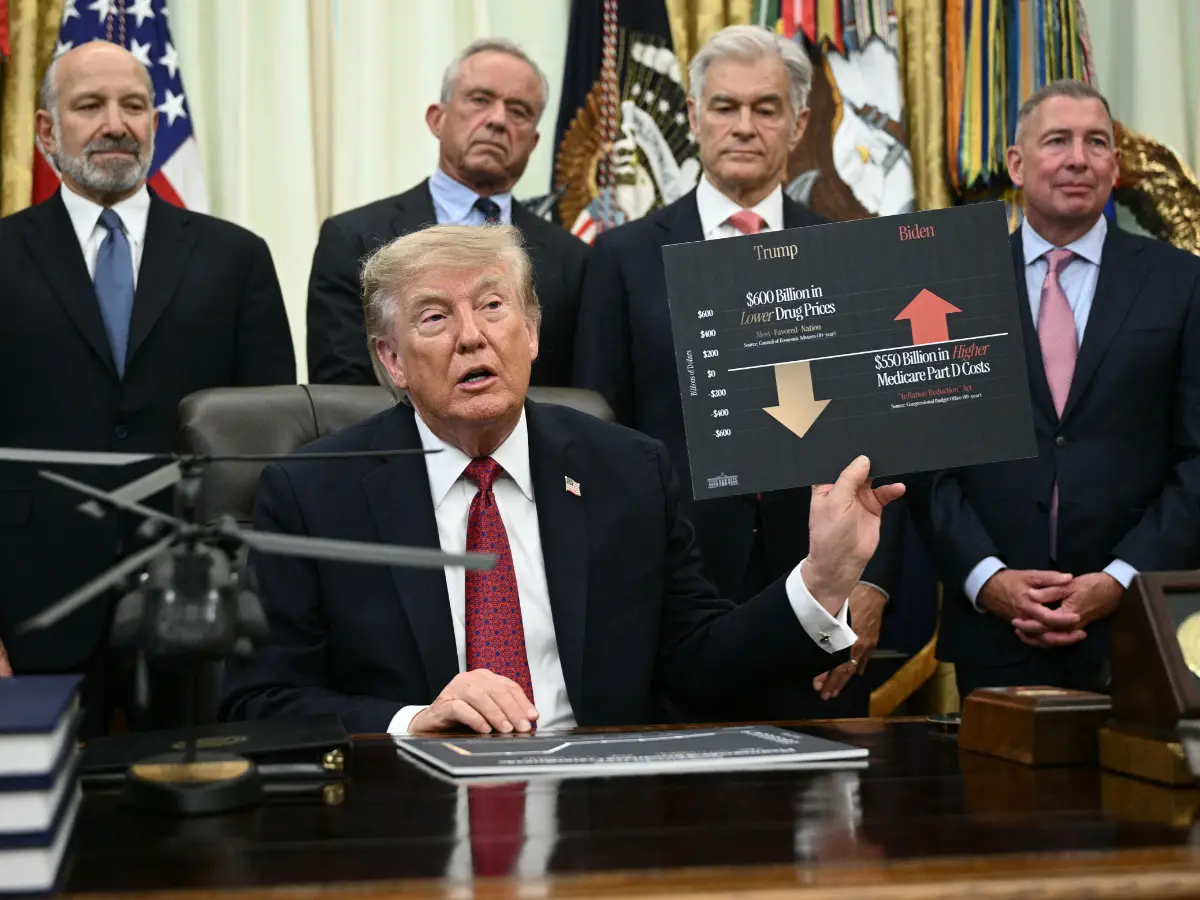)
Trump says he'll build an 'AI Force' and appoint a czar, for 'high IQ' people only
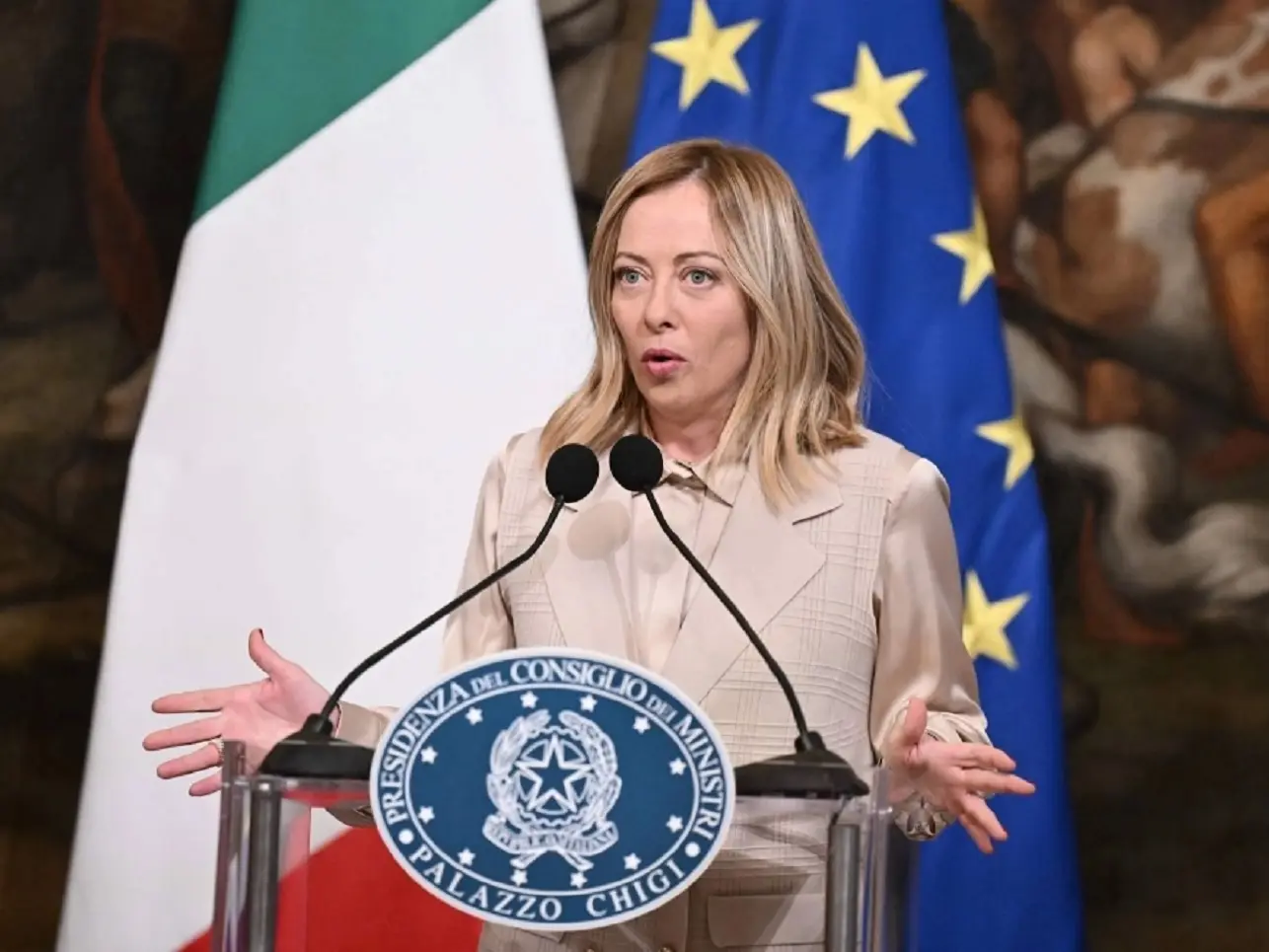)
Italy to ban burqa and hijab in schools, limit foreign students per class: PM Giorgia Meloni
While launching a scathing attack on the German government, the lawmaker then goes on to draw a parallel between Kamikaze pilots and the German leadership. Kamikaze pilots would crash their planes into major enemy military installations to inflict losses on the other side, but which would also kill them instantly.
“The federal government acts here like a kamikaze pilot, replacing politics with dubious morality and is happy about a friendly nod from Washington,” she stated, noting that double-digit inflation in Germany is the product of sanctions, as well as the “ever increasing military support for Ukraine.”
Russian economy still afloat
Western sanctions are undeniably exacerbating challenges for the Russian economy, particularly through targeting Russia's income from oil and gas exports. Nevertheless, the Kremlin has various strategies at its disposal to sustain its military-focused economy, as reported by the Financial Times
One feasible approach might include increasing withdrawals from Russia's National Welfare Fund, essentially a reserve of readily available assets such as gold and Chinese renminbi intended for emergency situations. Additionally, the government could opt to expand domestic bond issuance to generate much-needed funds.
Watch:Russian grain belt struggles with acute fuel deficit
To address issues like capital flight and the devaluation of the ruble, there are further options to consider. This might involve imposing capital controls and mandating that exporters convert their foreign earnings into Russian currency.
Furthermore, the government might choose to raise taxes or reduce non-military government expenditures, or even pursue a combination of these measures.
WATCH WION LIVE HERE