G7 summit: How China is the elephant in the room

&imwidth=600&imheight=450&format=webp&quality=medium "G7 summit: How China is the elephant in the room")
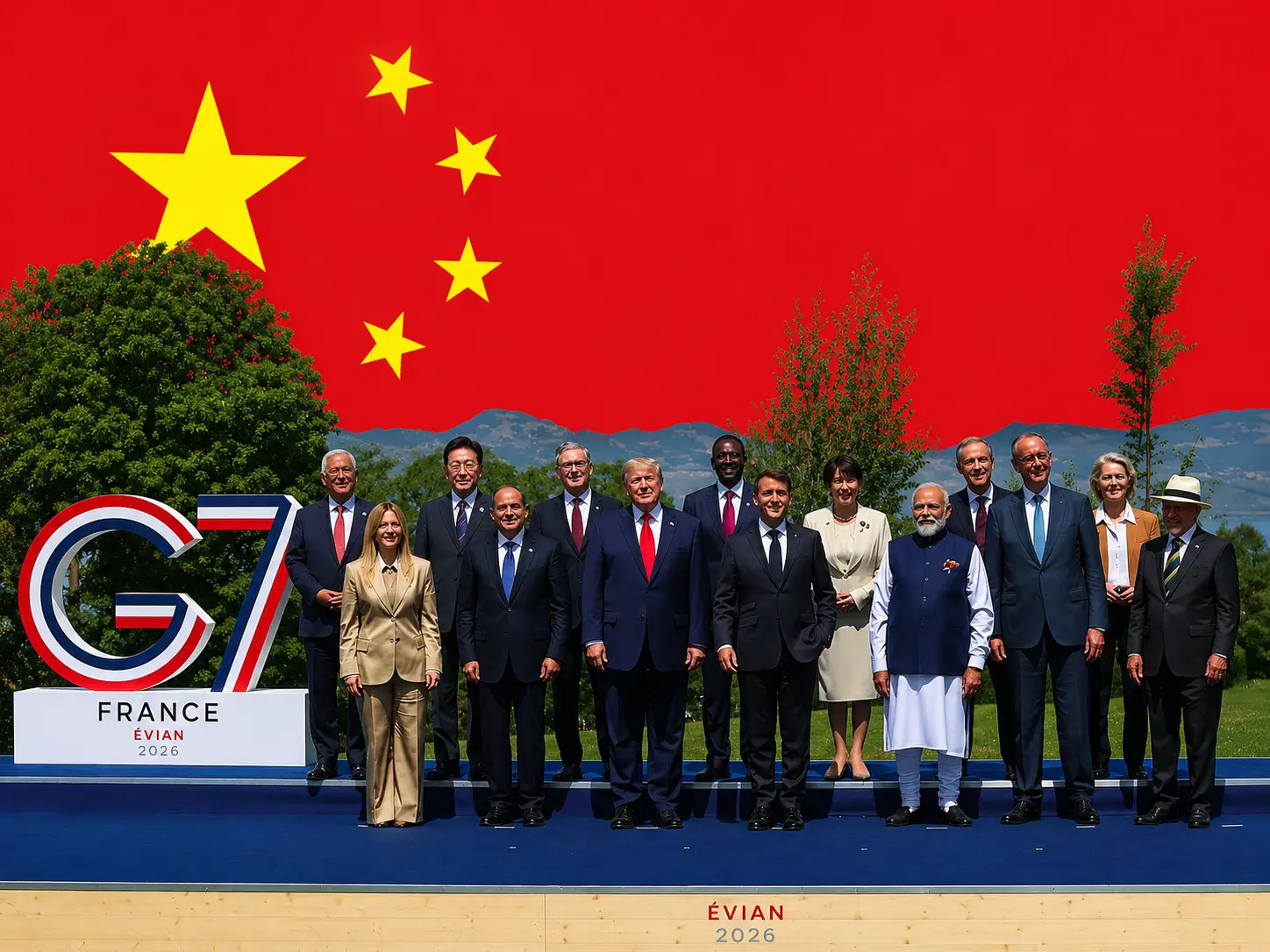
G7 language carefully avoids China, unlike explicit mentions of former member Russia. But China's rise is a concern Photograph: (Others)
Despite being the second-largest economy, China is not part of the G7, which comprises the world's richest democracies. But China is the underlying theme of many of G7's discussions on security, critical minerals, trade, AI and economic security
The G7 comprises the richest democracies in the world, which makes it obvious why China is not in the gathering. The G7 leaders have been careful to avoid turning their summits into explicit anti-Beijing positioning, unlike how they openly confront and criticise a former member, Russia. Yet, the Asian power is the elephant in the room.
Security concerns over China are an undercurrent in the G7
Individually and collectively, G7 members are worried about China’s expanding military capabilities and its actions with regard to Taiwan, the South China Sea and the wider Indo-Pacific region. China's growing influence in strategic regions is a challenge to the existing security order established by the US-led Western democracies. China’s deepening partnerships with countries viewed as strategic rivals of the West, most notably Russia and North Korea, contribute to G7 strategic calculations. For the United States and some of its allies, Chinese military modernisation and its confident foreign policy raise questions about deterrence and regional stability.
Even as they are averse to open confrontations with China, the European members of the G7 are seeking to reduce strategic vulnerabilities with regard to Beijing. They want to ensure that economic ties with Beijing do not create excessive dependence or undermine long-term economic security.
Also read: G7's new reality: India, Brazil and other middle powers are becoming impossible to ignore
Rare earths: The China dependency problem
Trending Stories
)
)
)
)
&im=FitAndFill=(700,400))
)
)
)
)
)
)
)
)
)
)
)
)
)
)
&im=FitAndFill=(700,400))
)
)
)
)
)
)
)
)
)
)
&im=FitAndFill=(700,400))
)
)
)
&im=FitAndFill=(700,400))
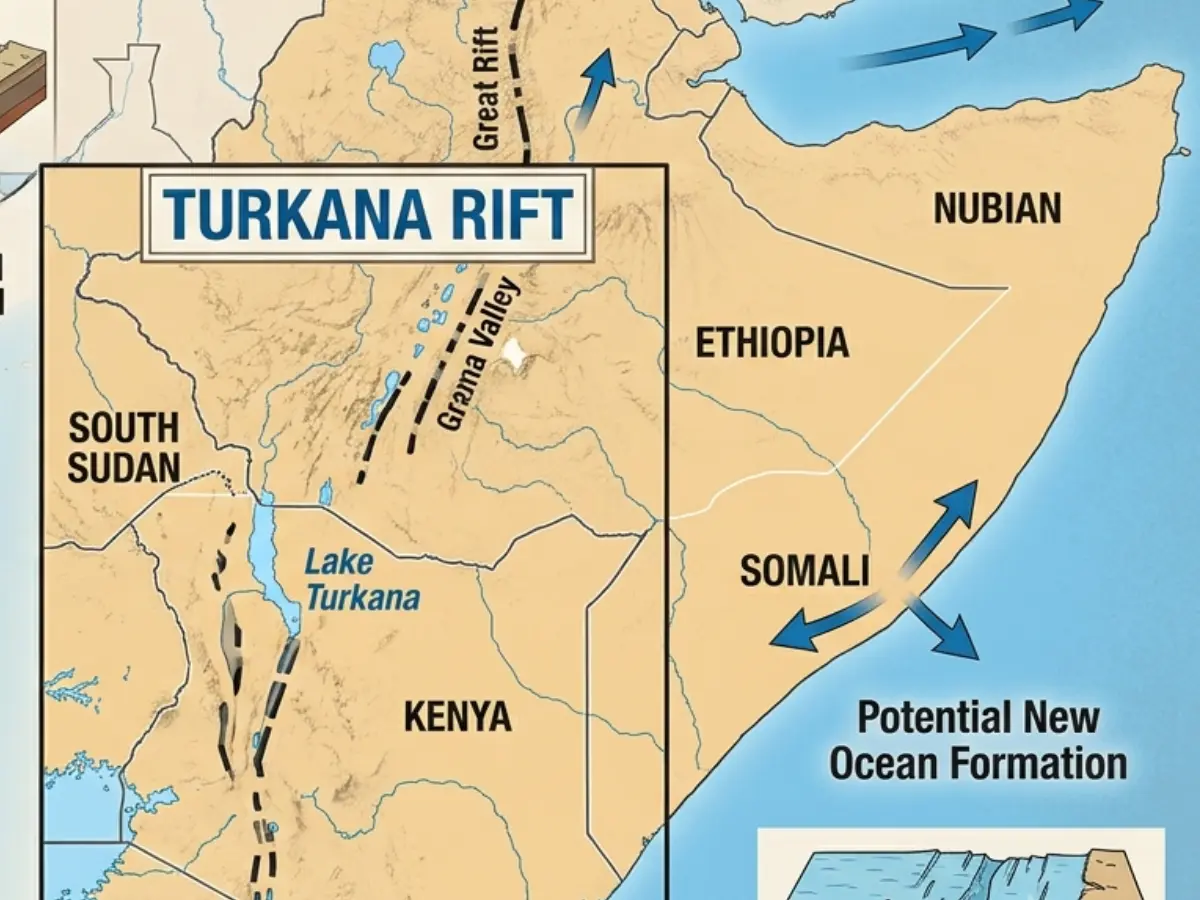
Critical minerals are one of the central themes for G7 members. They are seeking ways to reduce dependence on China’s dominance in rare earth processing and supply chains. Beijing’s recent export restrictions on rare earth-based magnets exposed the vulnerability of Western industries, with everything from electric vehicles and renewable energy to defence manufacturing affected.
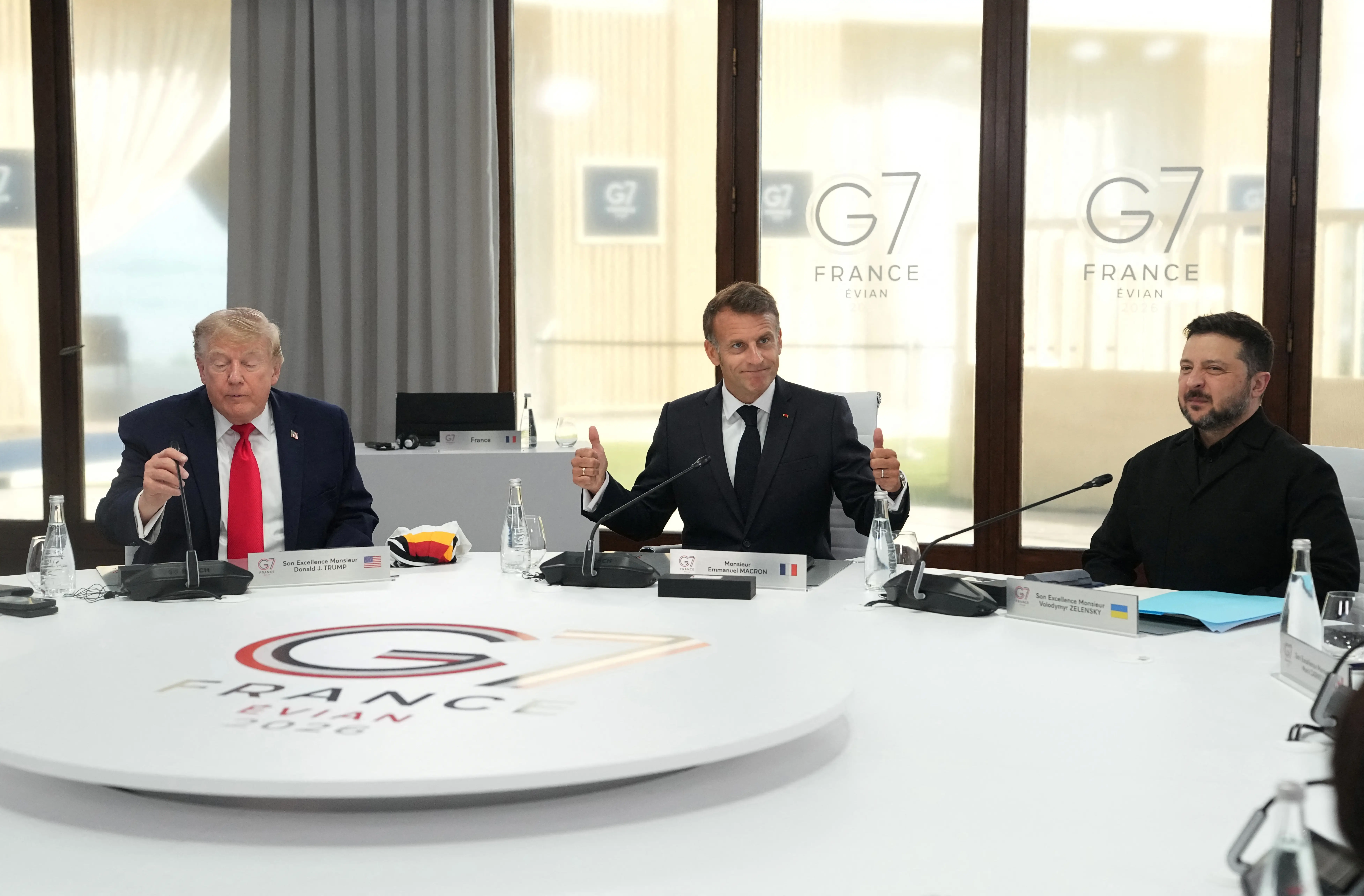
France, the current G7 summit host, has traditionally pushed for a joint approach focused on diversifying mineral supply chains and preventing future supply shocks, which is largely about China, albeit without naming it directly.
The “economic coercion” debate reflects concerns over China
G7 trade discussions have criticised “economic coercion” and export restrictions, particularly those affecting critical minerals. This has been widely interpreted as a reference to China without directly naming the country. The broader concern is that dependence on Chinese manufacturing and raw materials is becoming a strategic vulnerability for G7 nations.
The US has already moved towards creating a Western critical minerals bloc to reduce reliance on China. This includes price supports, subsidies and mechanisms to encourage mining outside China. However, European allies of the US have raised concerns over costs, governance and whether Washington should control such a system.
This exposes an irony: while the G7 wants to counter China’s state-backed industrial model, its members are still debating whether to adopt interventionist tools similar to those used by the US or continue more transactional engagements with China.
G7, China and the AI race
China’s shadow is appearing indirectly in the global AI race too. While the G7 discussed technology governance, there is concern about dependence on technology ecosystems dominated by US and Chinese players. It is not just China but also the US that controls much of the infrastructure and standards underpinning the AI-led technological era.
China and G7 membership
China was never part of the original G7 and is very unlikely to become a member. Today, its absence raises questions about whether the G7 still reflects the real balance of global economic power. Excluding China may preserve G7 unity around democratic principles, but it also limits the group’s ability to address contemporary global realities.
The G7 summits are increasingly exposing a paradox: some of the biggest conversations revolve around Beijing’s economic power. The summit’s core anxieties are all connected to China’s rise. One wonders whether the G7 can manage global economic challenges while leaving out the world’s second-largest economy.