Fukushima plant water release: Russia follows China, suspends all Japanese seafood imports

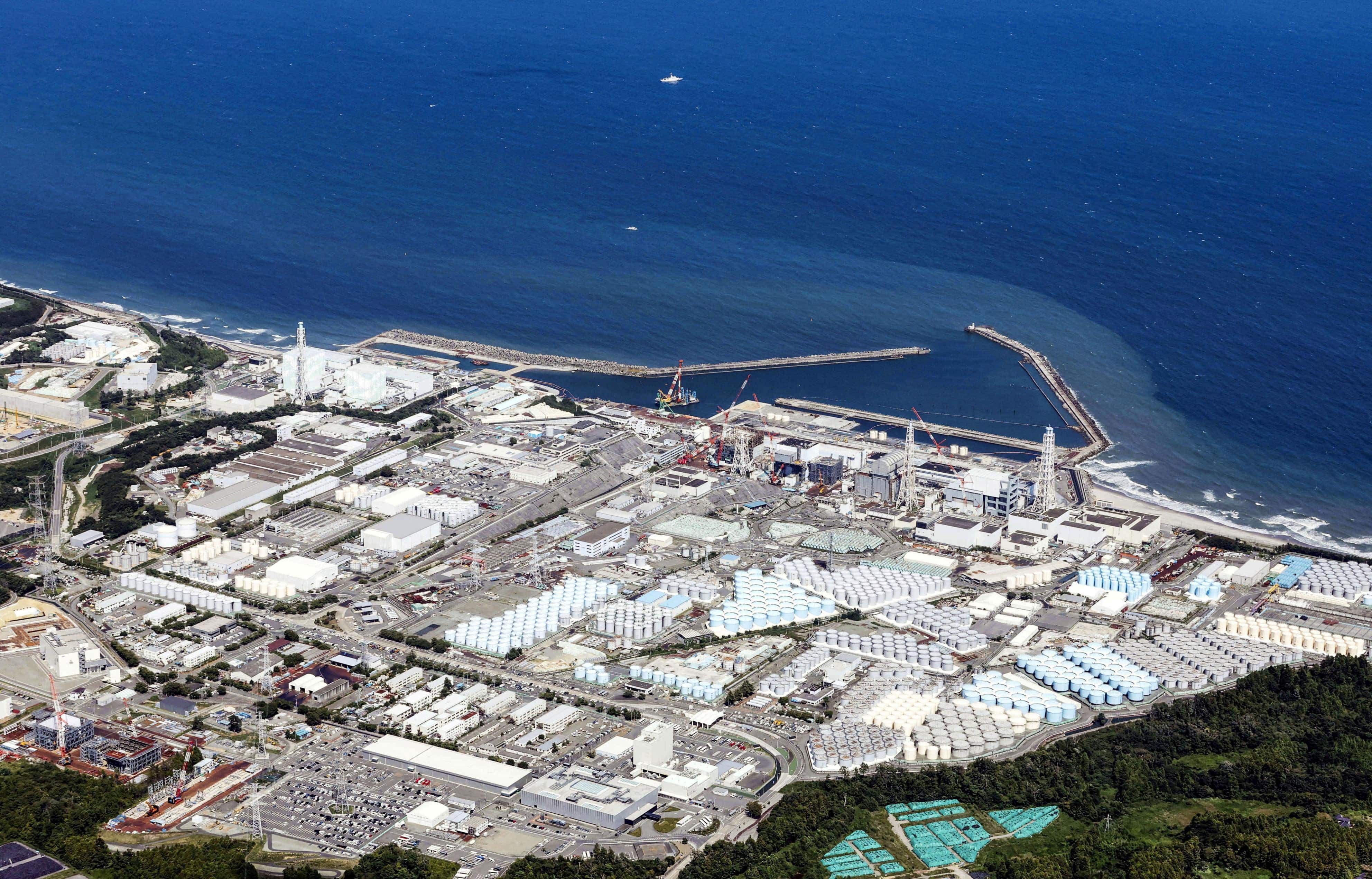
File photo of the Fukushima Daiichi nuclear power plant.
Russia on Monday (Oct 16) suspended all Japanese seafood imports in the aftermath of Tokyo's release of wastewater from the Fukushima nuclear plant.
Previously, China had suspended the imports, saying that Tokyo has not proved the authenticity and accuracy of the nuclear wastewater data, nor that the ocean discharge of the water is harmless to the marine environment and human health.
China was Japan's biggest market for fish, accounting for more than $500 million worth of exports in 2022.

Japan recently released treated radioactive water into the sea from its defunct nuclear reactor in Fukushima after the International Atomic Energy Agency approved the plan.
A nuclear accident occurred at the Fukushima Daiichi Nuclear Power Plant nuclear plant during the 2011 tsunami when a large quantity of radioactive material was released, causing significant human suffering.
After the tsunami hit, some of the nuclear facility's reactors went into meltdown as the cooling systems were overwhelmed, causing a nuclear accident — the worst since Chernobyl.
The water was distilled after being contaminated from contact with fuel rods at the reactor. The tanks on the site now hold about 1.3 million tonnes of radioactive water, which is massive. It is a mixture of groundwater, rain that seeps into the area, and water used for cooling.
On Mar 11, 2011, Japan was struck by a massive magnitude 9.0 earthquake which was centred in the Pacific Ocean about 80 kilometres east of the city of Sendai.
The quake led to a powerful tsunami. According to the US Geological Survey, it was the largest earthquake ever recorded in Japan and the fourth largest recorded worldwide since 1900.
As per the data released officially, the number of those confirmed dead or listed as missing from the 2011 disaster was about 18,500. Another estimated it to be at least 20,000. Reports have mentioned that the majority of those killed were drowning victims of the tsunami waves.
What did Russia say?
Ever since it released the treated water, Japan has faced the wrath of some nations and a number of environmentalists.
Japan has also criticised Russia for its invasion of Ukraine, while Tokyo's relations with Beijing, which has deepened ties with Moscow, have worsened.
As reported by the news agency AFP, Rosselkhoznadzor, Russia's body responsible for regulating agriculture products, said that as a "precautionary measure", it was "joining China's provisional restrictive measures on the import of fish and seafood products from Japan as of October 16, 2023".
It added that the restrictions would remain in place "until the necessary exhaustive information to confirm the safety of seafood produce ... is forthcoming".
(With inputs from agencies)
WATCH WION LIVE HERE
You can now write for wionews.com and be a part of the community. Share your stories and opinions with us here.