From IRGC commander to chief negotiator: Ghalibaf’s rise in a changing Iran

&imwidth=600&imheight=450&format=webp&quality=medium "From IRGC commander to chief negotiator: Ghalibaf’s rise in a changing Iran")
From IRGC commander to chief negotiator: Ghalibaf’s rise in a changing Iran Photograph: (Credit: AFP)
Explore the rise of Mohammad Bagher Ghalibaf, the former IRGC commander turned chief negotiator, emerging as the ambitious public face of Iran's post-Khamenei power structure.
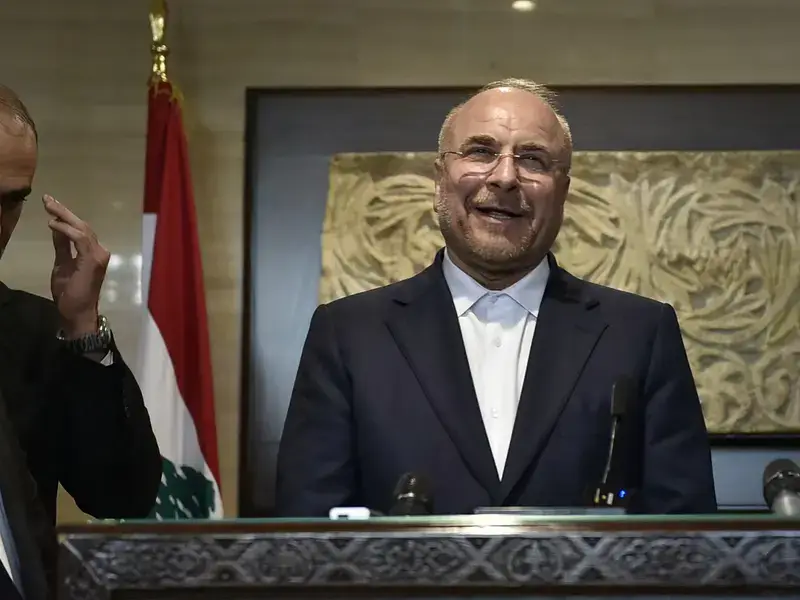
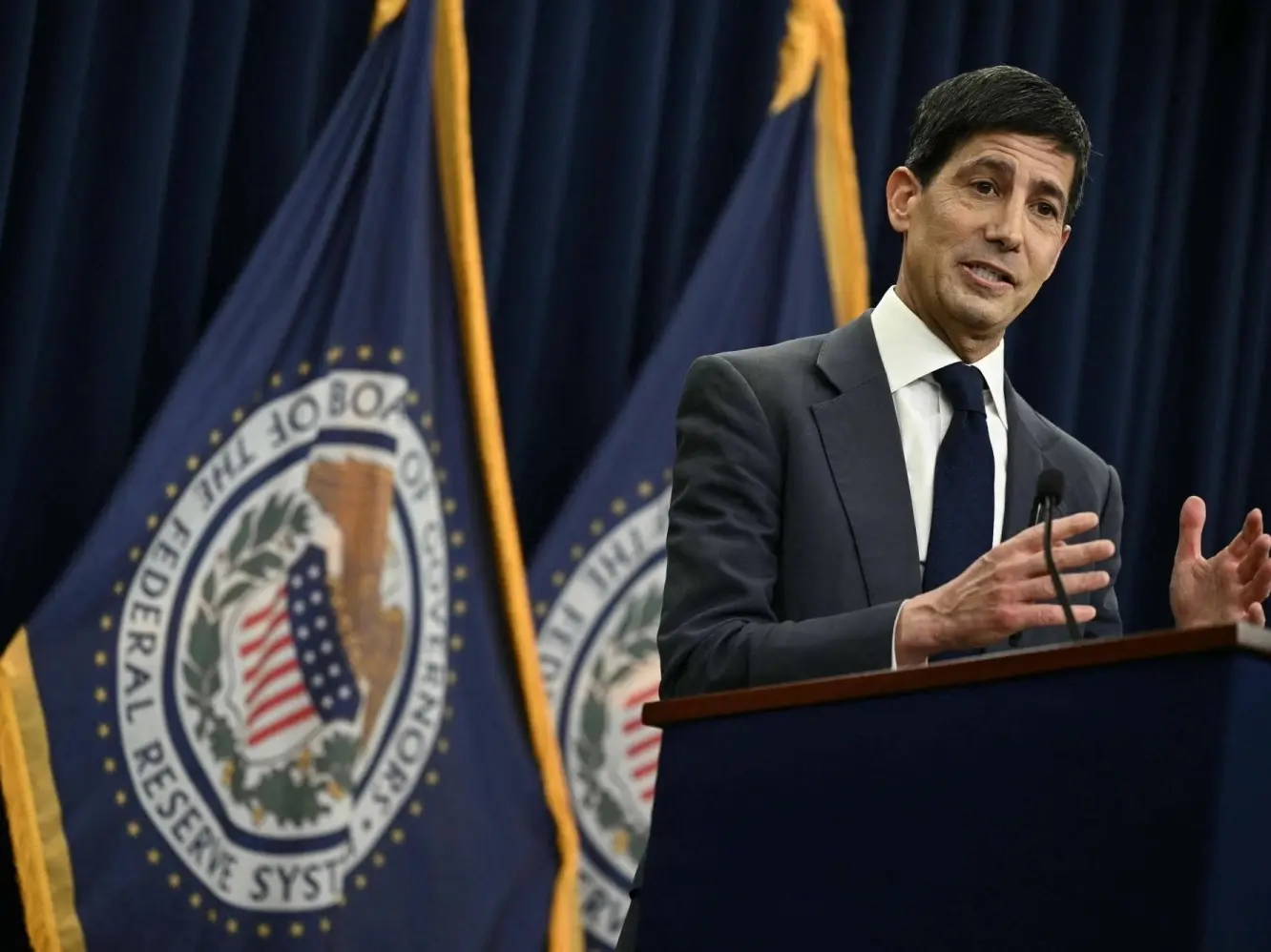
Amid US-Israeli war peace talks, Iranian Parliament Speaker Mohammad Bagher Ghalibaf has emerged as a central negotiator and one of the most prominent figures within the Islamic republic's leadership. The 64-year-old, a pillar of the Iranian establishment for nearly three decades and one of its foremost non-clerical officials, spearheaded the war effort and led the high-stakes negotiations that resulted in Monday's (June 15) agreement to halt hostilities.
Ghalibaf survived more than five weeks of US-Israeli military strikes on Iran. The attacks killed several key figures, including the country’s supreme leader Ali Khamenei and top security official Ali Larijani. Following Larijani’s assassination, Ghalibaf became the new public face of Iran's diplomacy and war effort, though analysts note he still answers to higher authorities in Tehran, including the Revolutionary Guards and Mojtaba, Khamenei's son. Mojtaba Khamenei was named as his father's successor but has not appeared publicly after reportedly being wounded in an airstrike.
Ghalibaf made his first public appearance in weeks during April, leading the Iranian delegation in Islamabad for talks with the United States. There, he met with US Vice President JD Vance, marking the highest-level contact between the two nations since before the 1979 Islamic revolution. Images released by Iranian embassies showed Ghalibaf taking center stage during the negotiations, appearing animated while Foreign Minister Abbas Araghchi was occupied with teacups.
Though the Islamabad talks did not succeed, The Washington Post reported that Ghalibaf left a strong impression on the US delegation, who viewed him as a refined, professional bargainer and a potential leader of a new Iran. In May, his influence expanded further when he was appointed to oversee Iran's vital relationship with China, the primary buyer of Iranian oil.
Trending Stories
)
)
)
)
)
)
)
)
)
)
)
)
)
)
)
)
)
)
)
)
)
)
)
)
)
)
)
&im=FitAndFill=(700,400))
)
)
)
)
)
)
)
)
&im=FitAndFill=(700,400))
)
)
While the Islamabad trip was his first physical public appearance since the war began, Ghalibaf maintained a high profile online, publishing almost daily social media posts. His posts on X, written in idiomatic American English, drew significant attention and raised questions regarding authorship, as Ghalibaf is not known to speak English fluently. On April 1, responding to threats of a ground invasion, his account posted: "You come for our home... you're gonna meet the whole family. Locked, loaded and standing tall. Bring it on." News outlet IranWire reported claims that a former US-based adviser authored the posts, though this remains unconfirmed.
Ghalibaf’s extensive career spans both military and civilian roles, including service as an aerospace forces commander in the Revolutionary Guards, Tehran police chief, mayor of Tehran, and speaker of parliament. It remains unclear, however, if he is fully trusted by the current hardline hierarchy of the Guards.
Known as ambitious and cautious, Ghalibaf has successfully navigated the upper echelons of Iranian power without being purged. A qualified pilot who boasts of his ability to captain jumbo jets, he has run for the Iranian presidency multiple times without success, notably losing in 2005 to Mahmoud Ahmadinejad. Human rights organizations have accused Ghalibaf of playing a key role in suppressing various protests throughout his career, including the 1999 student demonstrations, the 2009 Green movement, and the nationwide protests that peaked in January 2026, just prior to the outbreak of the war.

