Former French President Nicolas Sarkozy sentenced to 5 years in jail in case of receiving campaign funds from Libya’s Gaddafi

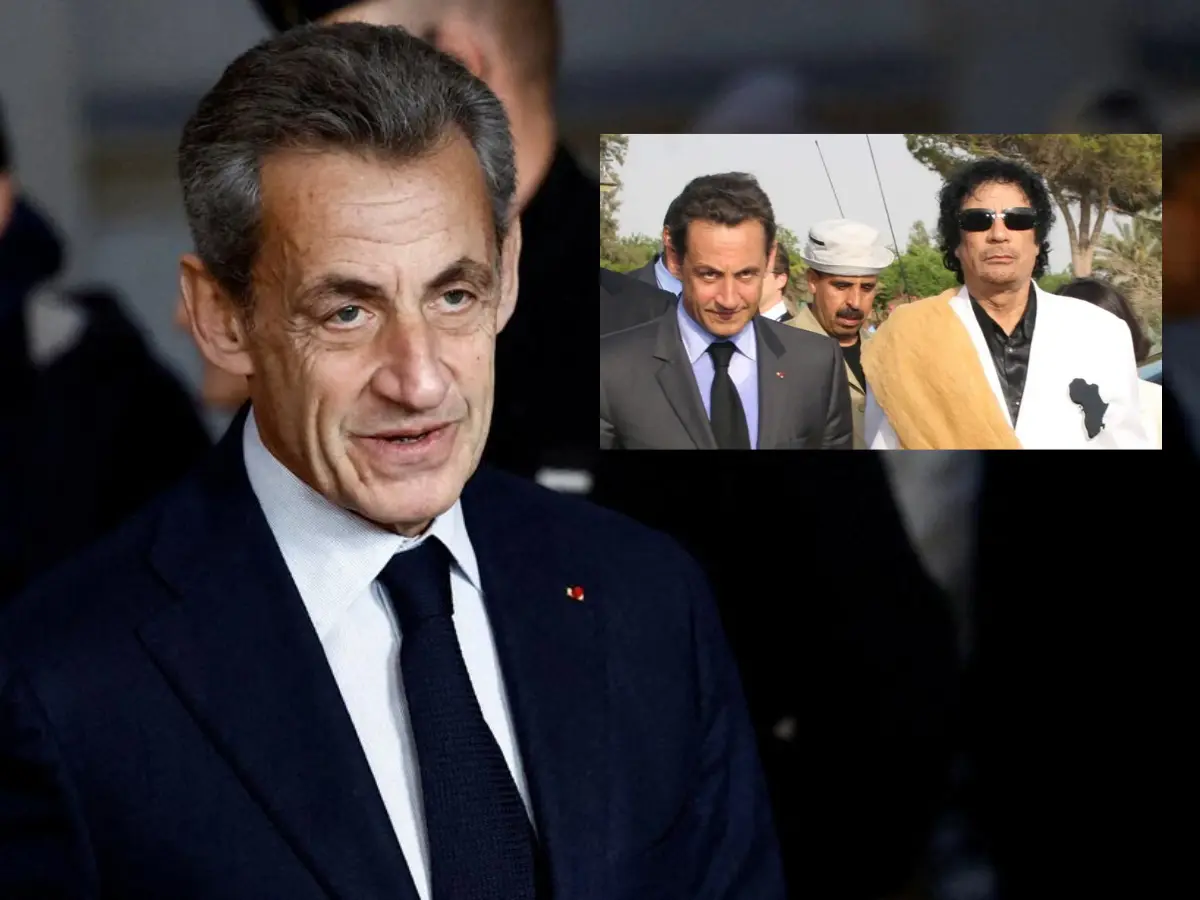&imwidth=600&imheight=450&format=webp&quality=medium "Former French President Nicolas Sarkozy sentenced to 5 years in jail in case of receiving campaign funds from Libya’s Gaddafi")
Former French president Nicolas Sarkozy Photograph: (Reuters, AFP)
Former French President Nicolas Sarkozy was sentenced to five years in jail for criminal conspiracy linked to Libyan funding for his 2007 campaign. Acquitted of other charges, Sarkozy still faces jail time despite an appeal, in a verdict tougher than expected.
Former French president Nicolas Sarkozy has been sentenced to five years in jail on Thursday (Sep 25). He has been found guilty of criminal conspiracy to procure funds for his 2007 presidential bid from Libya during the rule of late dictator Muammar Gaddafi. Sarkozy was accused of making a deal with Gaddafi in 2005, when he was France's interior minister. The deal allegedly included campaign financing in exchange for supporting Gaddafi's Libyan government on the international stage.
Reacting to his sentence, Sarkozy called it ‘extremely serious for the rule of law’.
What the court said about the case?
Though, Sarkozy was acquitted by the Paris court of all charges, including corruption and receiving illegal campaign financing, the former president will spend time in jail because he has been found guilty of criminal conspiracy for having let close aides get in touch with people in Libya to try and obtain campaign financing. The judge said there was no proof that Sarkozy made the deal with Gaddafi, nor that money that was sent from Libya reached Sarkozy's campaign coffers, or he used it in his campaign. Among the other accused in the trial were Sarkozy's former right-hand man Claude Gueant and former Interior Minister Brice Hortefeux. The court found Gueant, also a former Interior Minister, guilty of corruption, among other charges. Hortefeux was found guilty of criminal conspiracy.
Who is Nicolas Sarkozy?
He recently met with his former protege, Prime Minister Sebastien Lecornu, and has also lent credibility to the National Rally (RN), led by Marine Le Pen, saying the far-right, anti-immigrant party now forms part of the “republican arc.” Sarkozy has faced several legal battles since leaving office. Last year, France's highest court upheld his conviction for corruption and influence peddling, ordering him to wear an electronic tag for a year, a first for a former French head of state. The tag has now been removed. Also last year, an appeals court confirmed a separate conviction for illegal campaign financing over his failed re-election bid in 2012. A final ruling from France's highest court is expected on that case next month.
)
)
)
)
)
)
)
)
)
)
)
)
)
)
)
)
)
)
)
)
)
&im=FitAndFill=(700,400))
)
)
)
)
)
)
&im=FitAndFill=(700,400))
)
)
)
)
)
)
)
)
)

