Forgetting 1962, can India and China be friends?

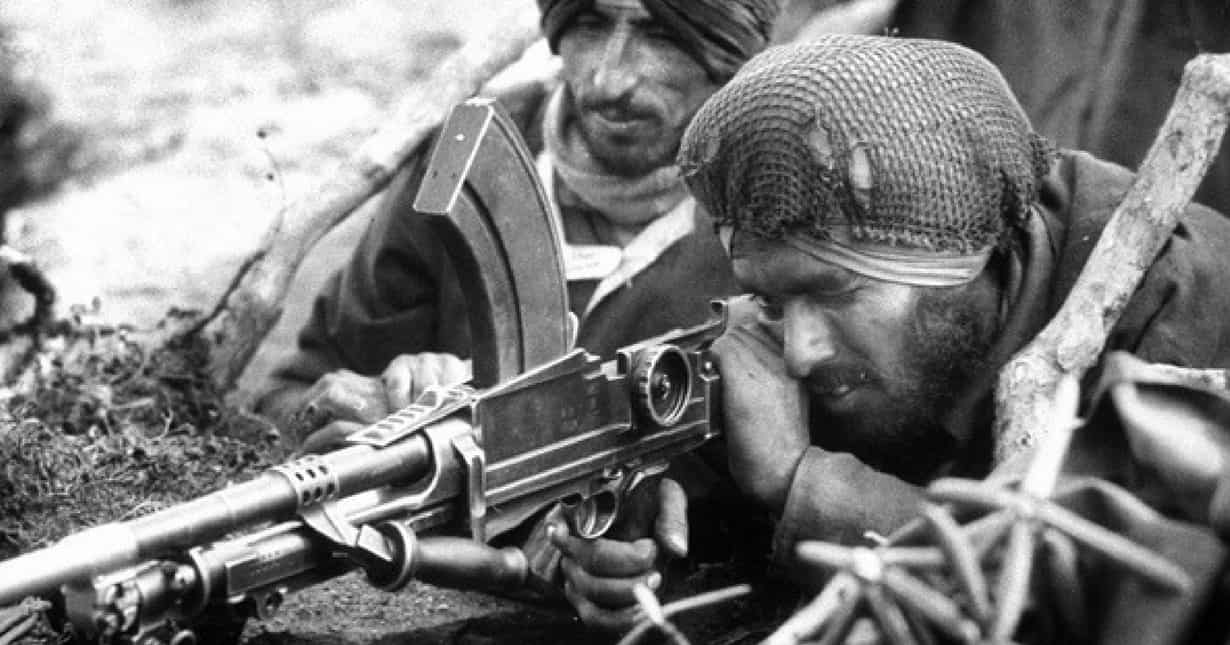
Sino-India war
We need a dreamer in our midst who can bring back the True spirit of Hindi, Chini bhai bhai and make the subcontinent the Centre of World Existence
Momentous 1962
It was a year of many firsts – American John Glenn became the first American to orbit the Earth in February, 1962, Beatles recorded their single “Love me Do”, America’s sweetheart Marilyn Monroe sang Happy Birthday to President Kennedy which was also her last public appearance before her death a few months later.
Spider-man of Marvel made his maiden appearance in a comic.

Brazil beat Czechoslovakia 3-1 to win the 1962 World Cup and Pele became a household name the world over.
The United States created the Navy Seals and the first Walmart store opened in the same year. Oscar-winning movie Lawrence of Arabia opened for public in December.
And amid all this between October 20th to November 20th, when the Indian subcontinent trembled as India and China went to war, the Cuban missile crisis was at its height with America & Russia close to World War III.
)
Justice eludes Air India 1985 bombing victims as Canada probe goes 'inactive' | Gravitas
)
Trump revives India-Middle East-Europe economic corridor as India emerges central to West Asia’s future: What is it?
)
Erdogan again raises Kashmir issue at UNGA, calls for dialogue under UN Charter
)
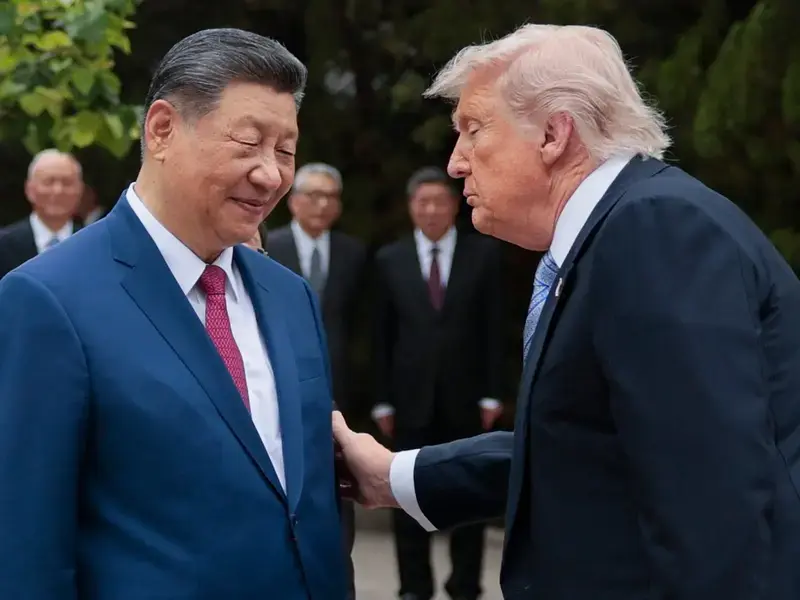
Will Trump-Xi set the tariff benchmark?
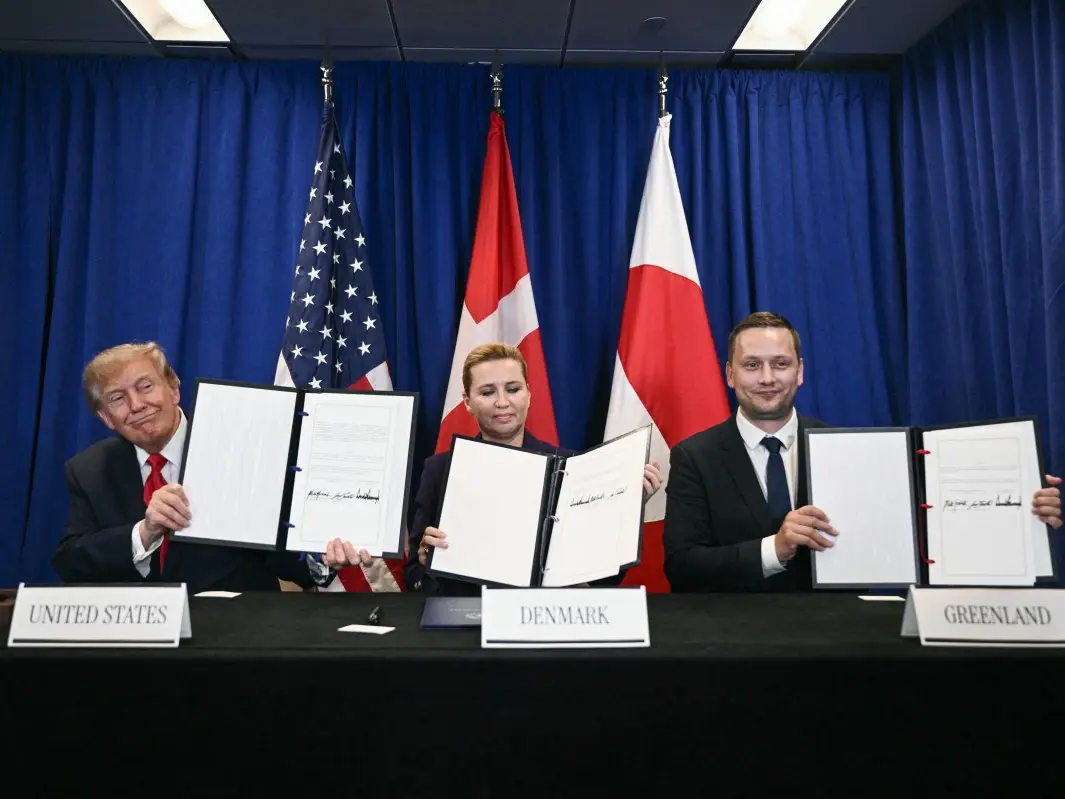)
Trump signs Greenland security deal with Denmark, paving way for two new US military bases
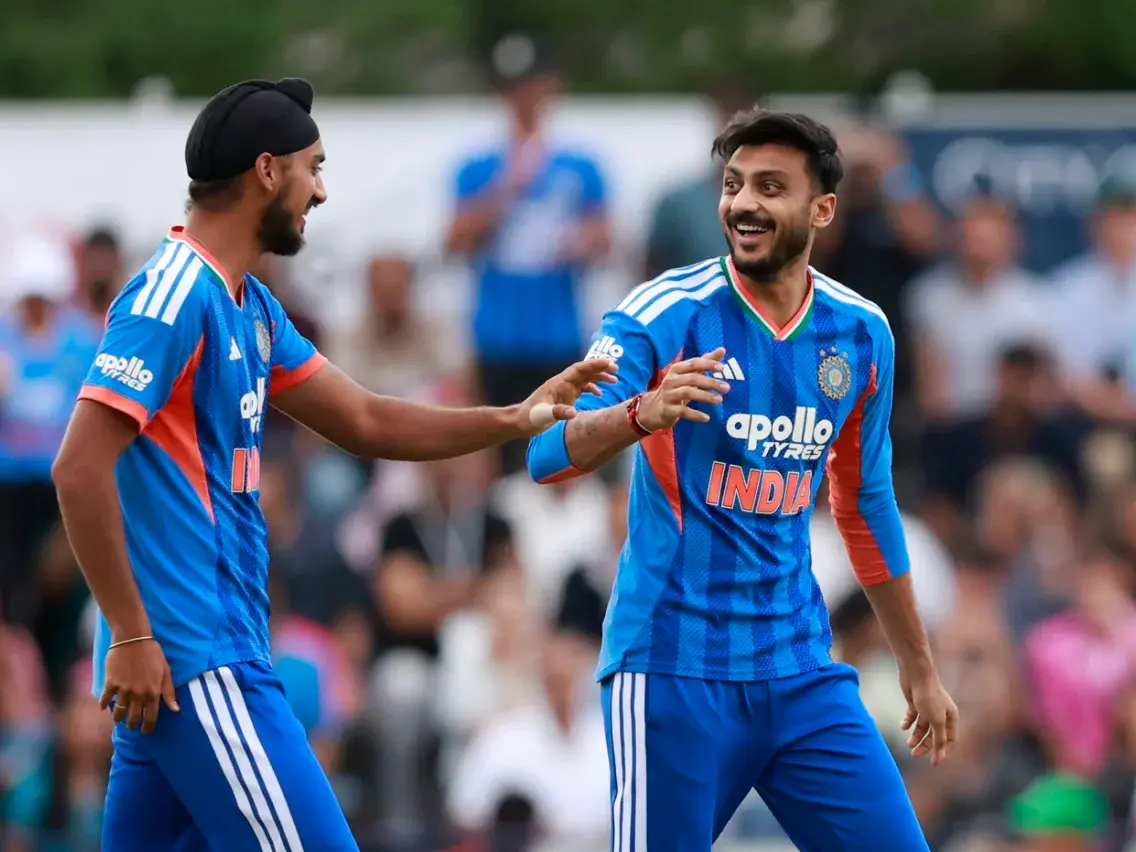)
IND vs JPN T20I: How an overturned wide became point of difference between India's win and a tie
)
Trump-Xi summit: From trade to Taiwan, what will the US and Chinese presidents discuss in Washington?
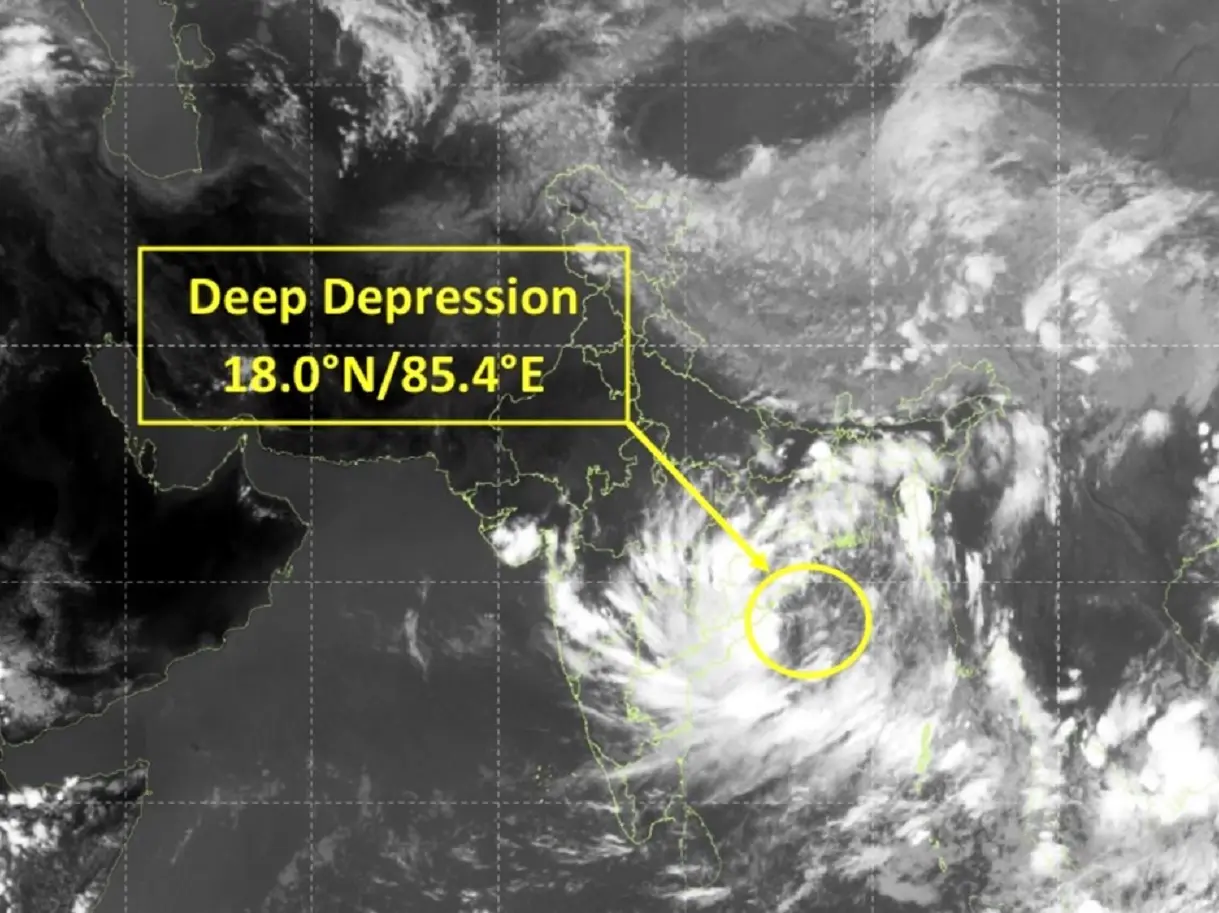)
Cyclone Arnab: Landfall expected before midnight tomorrow as IMD issues orange alerts across six states
)
ICC plans T20I expansion and fewer ODIs in 2027–2031 FTP cycle: Report
)
US-China tech war: Businesses in the front line
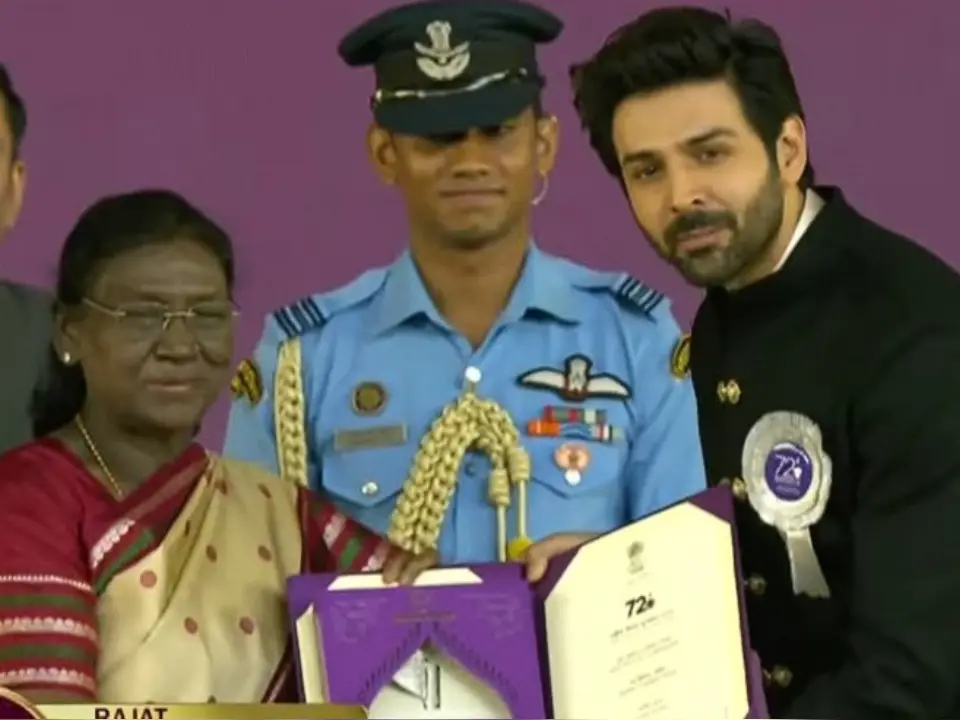)
'Mumma’s boy from Gwalior who dared to dream': Kartik Aaryan pens long note after first National Award win
)
Gravitas | Boosting NHS productivity could save 20,600 lives in UK annually: Report
)
Nor'easter could batter 13 US states this week. What you should know
)
US and China vie for AI dominance as calls grow for regulation | Gravitas
)
Yemen clashes kill 154 people in two days as cornered Saudi battles Houthi offensive | Gravitas
)
Bomb scare in New York amid UNGA: Suspicious suitcase found near UN headquarters
)
IND vs JPN, one-off T20I: Japan captain Kendel on pushing India to the brink - ‘It was special’
)
Mikel Arteta verbally agrees to three-year extension with Arsenal after title-winning Premier League season
)
WION Iconic Tourism Summit and Awards 2026: Key voices to discuss India’s tourism future
)
WION Iconic Tourism Summit and Iconic Awards 2026: India's travel economy leaders gather in Delhi
&im=FitAndFill=(700,400))
New OTT releases this week (September 21-27, 2026): Shaque: Trust No One, Hunkkaar, Don’t Be Shy- 5 new titles coming to Netflix, Prime Video and more
)
81st UN General Assembly: Burnham announces UK-US AI defence tie-up
)
Trump calls on nations to quit ‘rogue’ and ‘out-of-control’ International Criminal Court, rips UN
)
Infections transmitted from pregnant woman linked to autism risk
)
'What kind of confession is this?': Pakistan PM Shehbaz Sharif’s 'terrorists would be roaming New York' remark goes viral, raises alarm online. Watch
)
Elephants hide behind trees, stage surprise attack on poachers targeting rhinos in South Africa
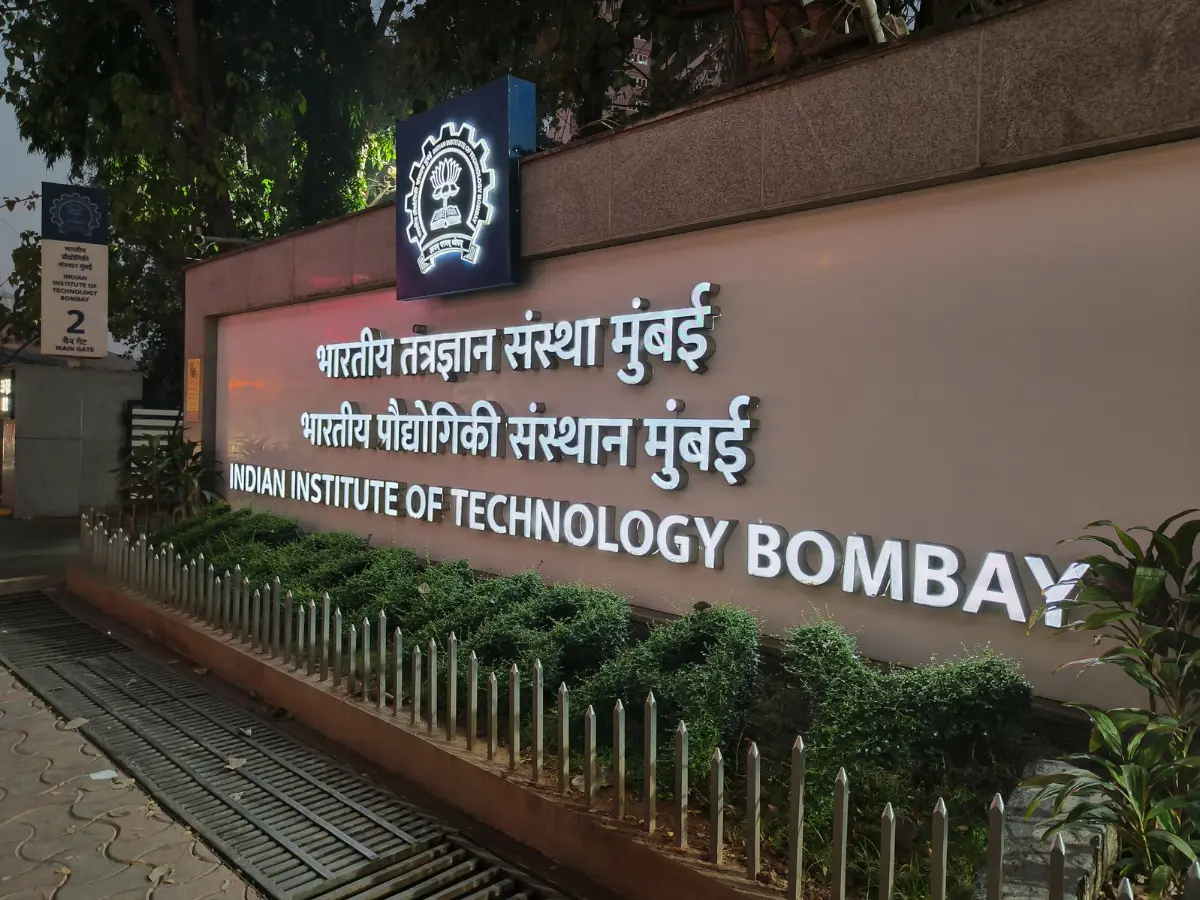)
IIT Bombay professor Suryanarayana Doolla sent on leave amid Sahil Wakode death probe
&im=FitAndFill=(700,400))
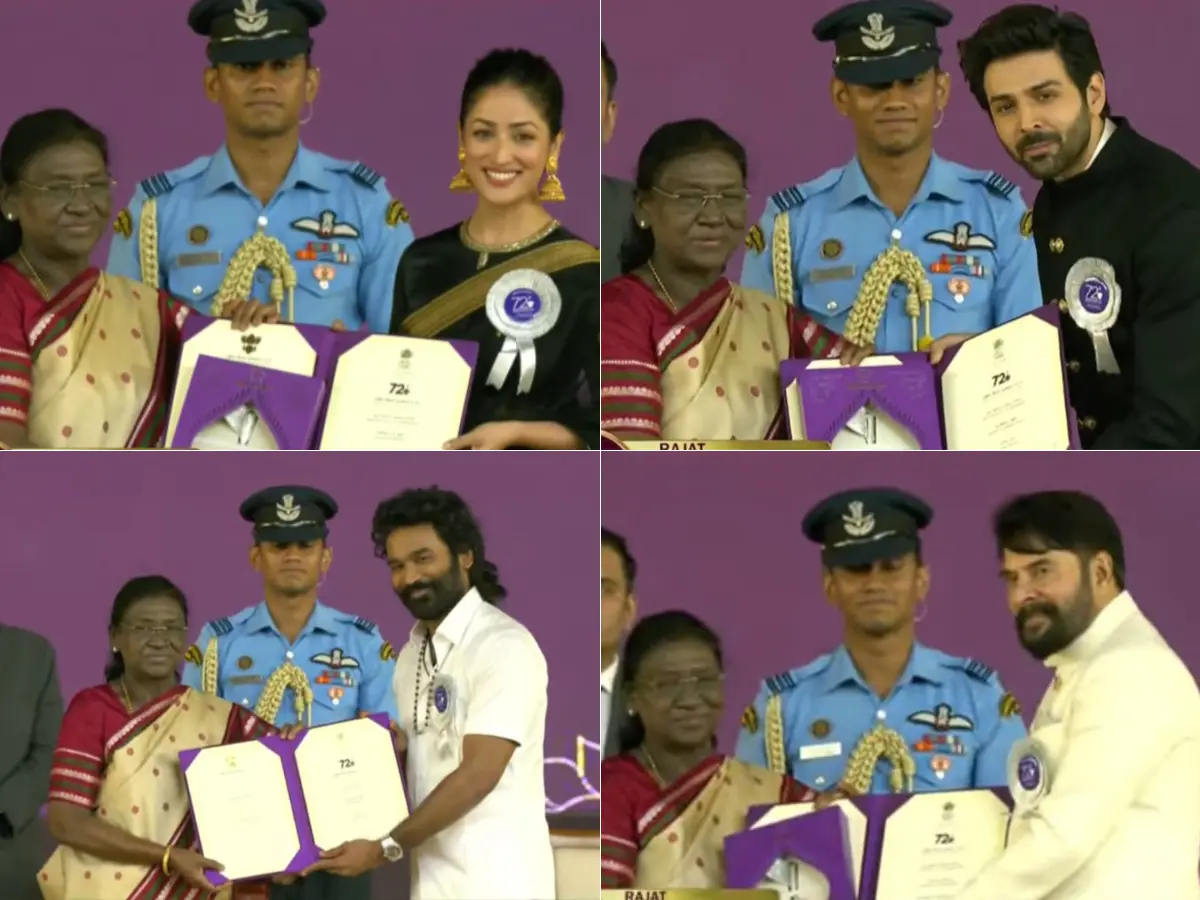
National Film Awards 2026: Kartik Aaryan, Mammootty, Yami Gautam, Randeep Hooda and other key winners
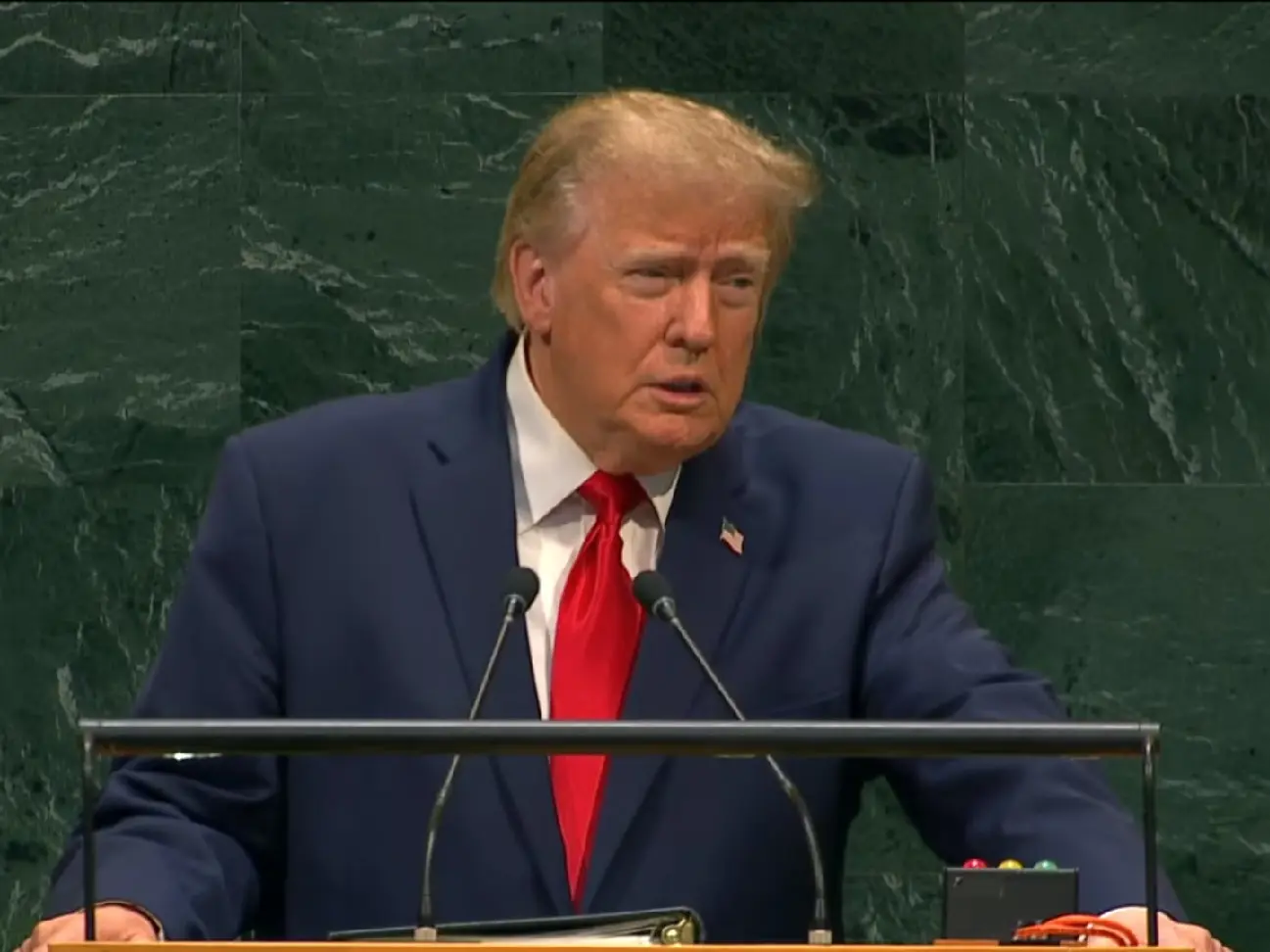)
‘Strike a deal or drive Iran into hell’: Trump issues fresh warning to Tehran at UNGA
)
Anne Hathaway to run in supporting race for Nolan's epic
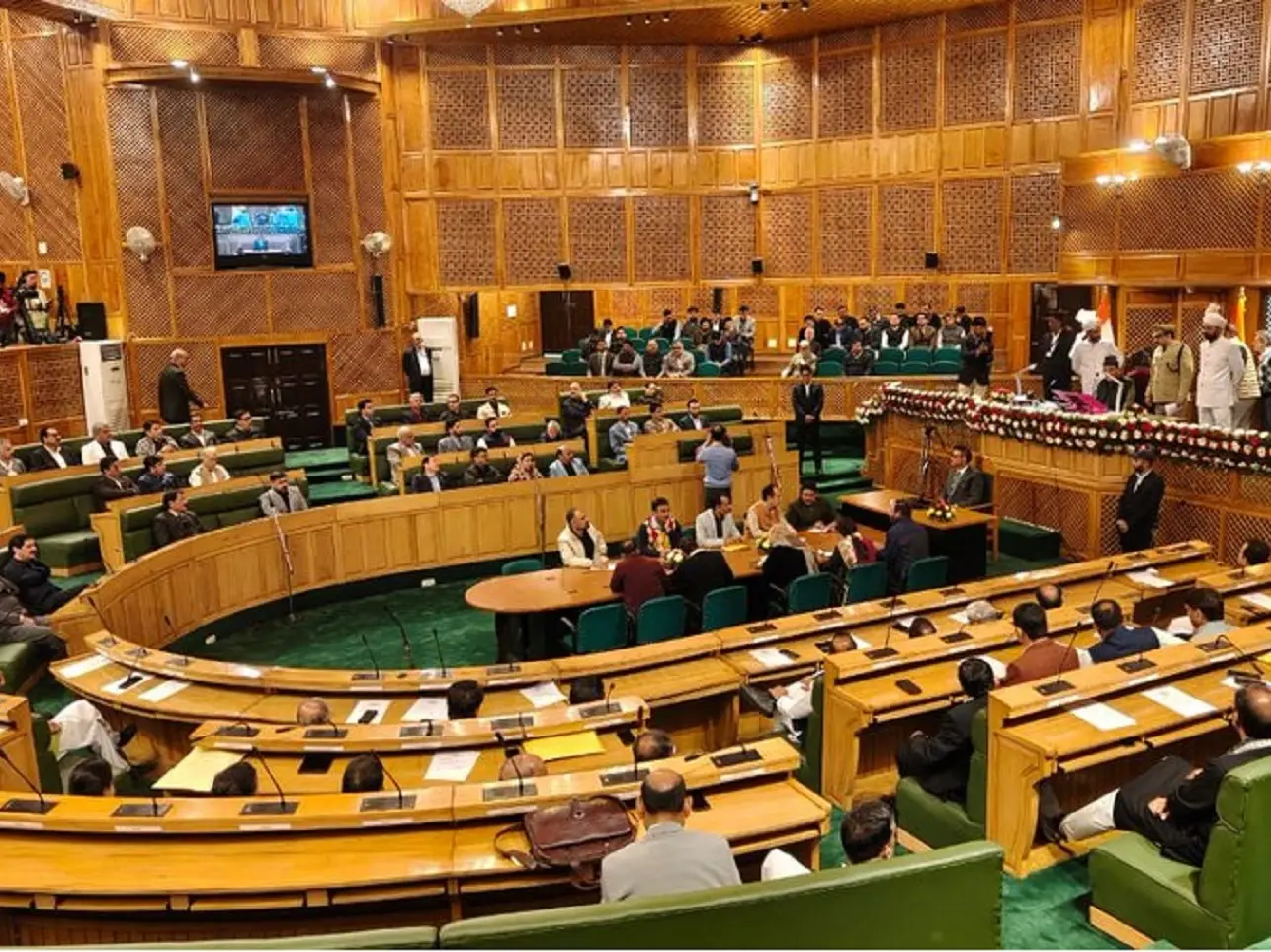)
Over 4,200 books withdrawn from circulation in J&K colleges, 94% from Kashmir
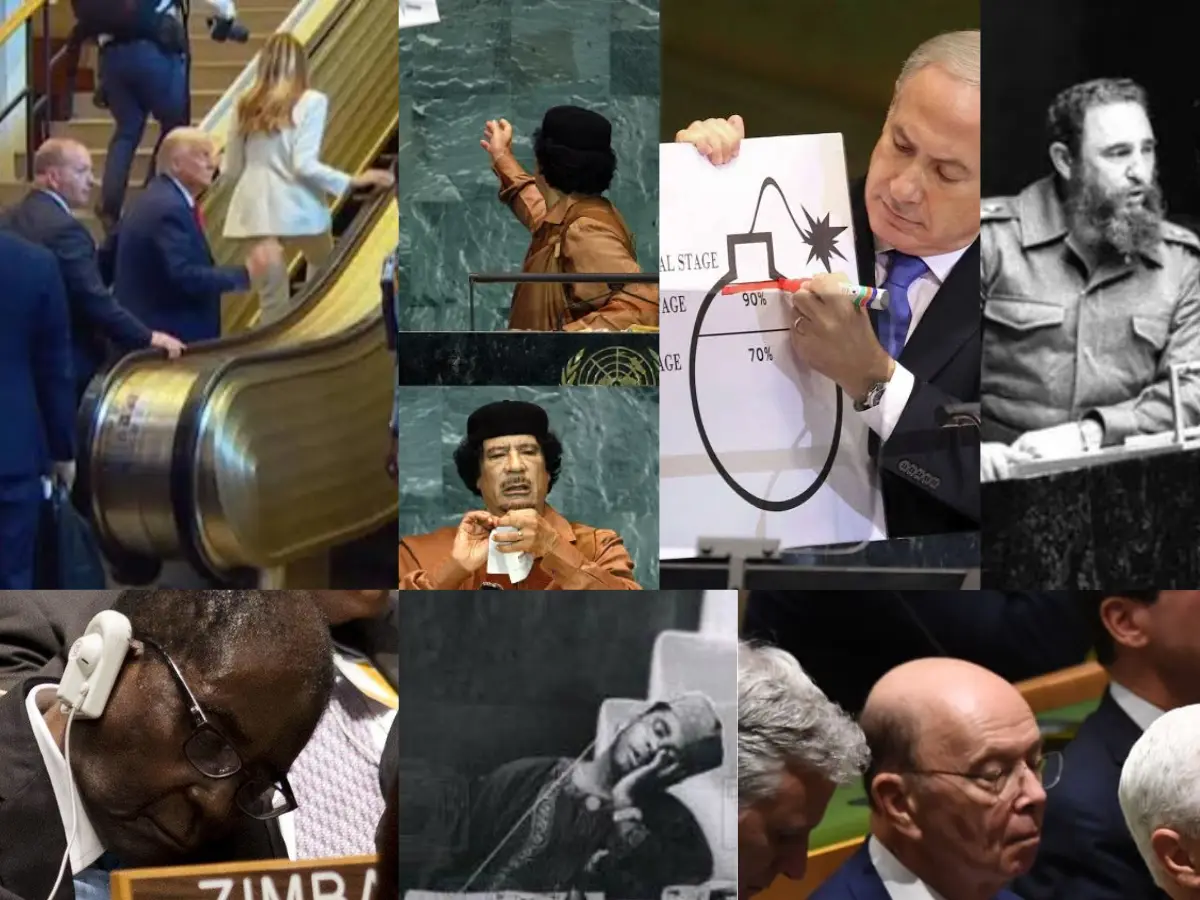)
From Gaddafi tearing up UN Charter to Trump’s ‘escalatorgate’: Most unforgettable UNGA moments
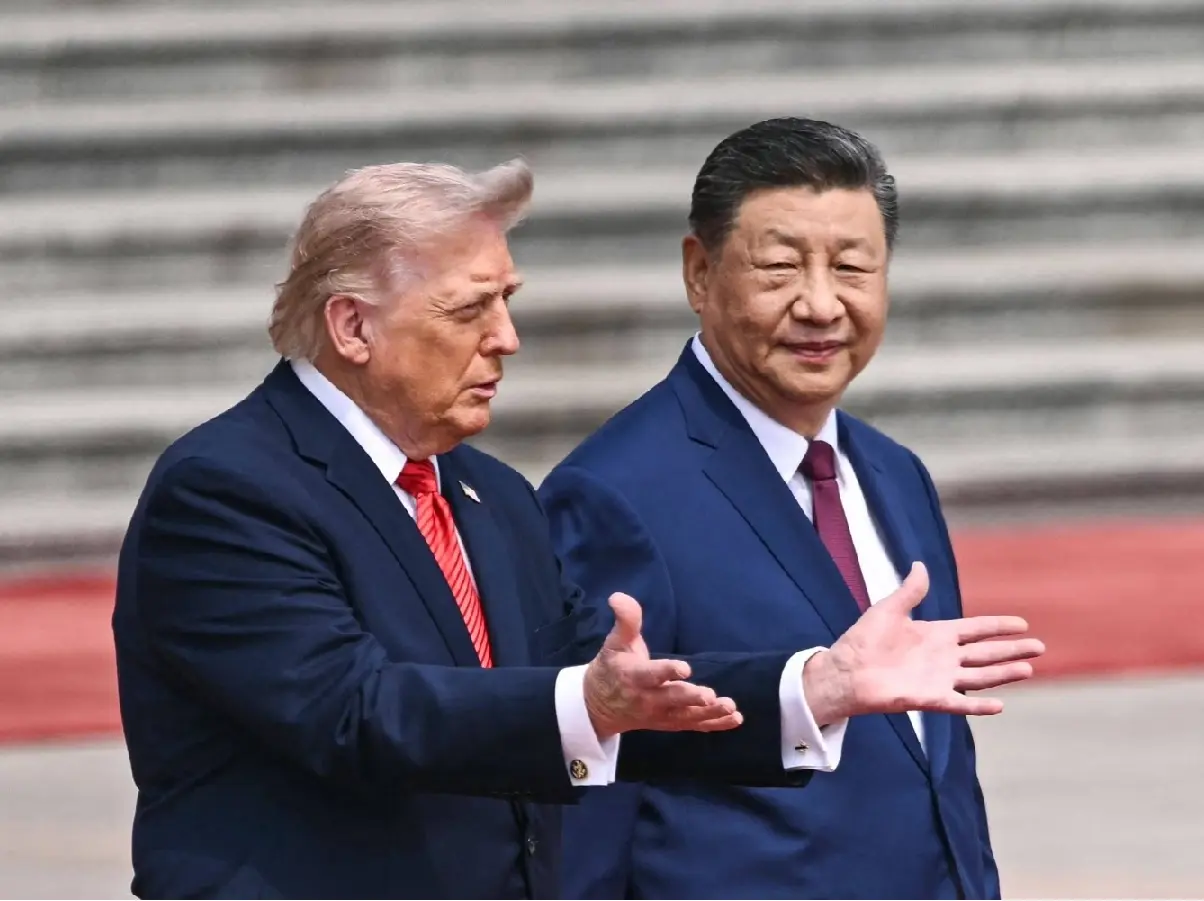)
Explainer: Why rare-earth export licences and Board of Trade are US priorities ahead of Trump-Xi summit
)
Asia prepares for record El Nino, food shock
)
Oil slips to $98 as Saudi Arabia restarts East-West oil pipeline
)
Four female students raped during 'Red Zone' at California university. What we know
)
'Taiwan and human rights are red lines': China warns US ahead of Xi-Trump visit
Why are countries attacked on weekends?
That date - October 20th, and as it happens had to be a Friday – ever wondered why an invasion is always executed on a Friday through to Sunday?
History has been witness to many wars breaking out on a weekend – the attack on Pearl Harbour by Japanese bombers on December, 7th 1941, also known as the ‘day of infamy’ on a Sunday.
Operation Barbarossa: Hitler's Germany attacked Russia on Friday, 20th June 1941.
Nearly 150 years earlierNapolean’s Grand Army began its assault on ‘Fortress Russia’ on a Saturday, 24th June1815.
The logic is simple: An attack on a weekend is the ultimate 'surpriseelement' as most offices are closed, bureaucrats are busy planning their holidays and the general public has its guard down, it is the best time as any to strike!
India & China: Locked eye-to-eye
This time, India'sMinistry of Defense officials and PM Jawaharlal Nehru knew beforehand war clouds had gathered over the Indo-Sino borderbecause Indian and Chinese soldiers were locked in an eye-to-eye conformation at the LAC, reminiscent of the recent Doklam crisis.
Also, to make matters worse a few years earlier the Dalai Lama had escaped to India, walking all the way from his homeland in Tibet to take refuge in Nehru’s India.
It had of course been less than 15 years since both China and India had gained their independence – India became free of British Raj on 15th August 1947 and China under Mao founded the People’s Republic of China on October 1, 1949, naturally the two big powers were keen to assert themselves on the world stage.
As things stand, 55 years later both countries now see each other as “frenemies”, not in the Hindi-Chini bhai, bhai sense, but more or less as “equal partners” on the world stage in a post-cold war as the centre of the universe shifts towards BRICS and ASEAN.
After another 50 years, when India and China recallthat dull, dreary day at the border on October 20, 1962, experts won’t be thinking about what happened that day but perhaps how two men perhaps unwittingly may have brought the Tiger and Dragon together – Deng Xiaoping, who literally 'opened up'China to the world in 1978 and India's then finance minister Manmohan Singh who spearheadedeconomic reforms in 1991.
The Net effect of Deng and Manmohan Singh would be seen as a turning point when historians get down to write about India-China and the relevance of October, 20th, 1962 in the lives of the two countries.
Economies win-or-lose wars
It is often said Armies do not win wars, economies make-or-break wars. Wars are won by nations who can constantly keep the tap open for the supply of food, raw material and other resources.
A closer look at the GDP of the two Asian giants reveals the real story.
China's GDP in 1962 was at $47.21 billion, slightly ahead of India's GDP at $41.6 billion. China had only one bank - People’s Bank of China(PBC) - till 1978. However, after Deng's groundbreaking market reforms PBC turned into a monetary authority.
In the 80s, China began to be recognised as the "Dragon in the making" as Deng's reforms began to show results. India, however, was still a sleeping giant at that time, Indians had to wait for more than a decade until finance minister Manmohan Singh unveiled hisreform agenda.
China, Japan and India currently dominate Asia's GDP rate.
In the post-1962 world, India and China find themselves on opposite poles - India as a rising power is now aligned with the US and China the dominant Asian giant, poised to overtake the US economy in the next decade is still trying to define its philosophy through a raft of policies, declarations and deals across the world.
China’s supreme leader Xi Jinping, 64, would have very scant memories of that day as a nine-year-old. India has changed too, PM Modi, 67, who recently met Xi at the BRICS summit would also have to strain himself to remember the India-China conflict. As the clock turns and a new generation takes control on either side of LAC, an opportunity knocks.
The big question is: Is there a dreamer in our midst in India who can bring back the True spirit of Hindi, Chini bhai bhai and make the subcontinent the Centre of World Existence?
The search is on as the world awaits with baited breath…