Fearing virus, Hong Kong residents stock up on food, essentials

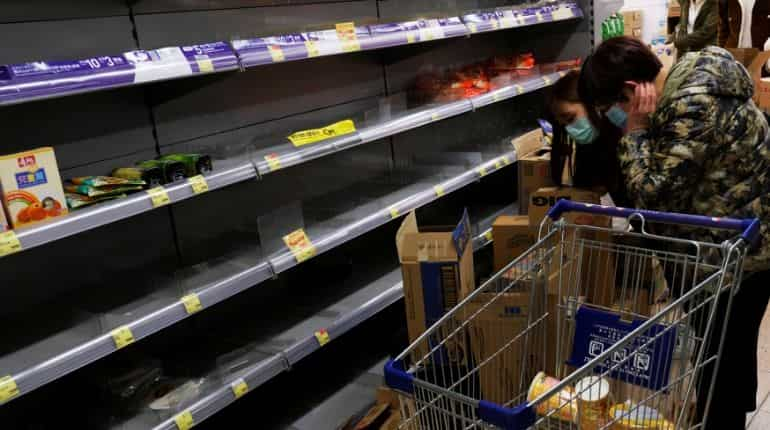
Supermarket, Hong Kong
Panic-strickenresidentshave emptied shelves in major supermarkets inHongKong,stockpiling meat, rice, cleaning products, and soap as fears escalate over a coronavirusepidemic on the mainland.
The rush to procurefoodin the city of 7.4 million people is unprecedented,residentssay, describing it as far worse than the panic during the 2003 outbreak of Severe Acute Respiratory Syndrome (SARS) that killed nearly 800 people around the world, including nearly 300 inHongKong.
The new coronavirusoriginated in central China's Hubei province and has so far killed 361 people in the country.


Over the weekend inHongKong, hundreds of people queued for hours to buy masks and immune-boosting products such as vitamin C.
At a major supermarket in the bustling Wan Chai district, counters selling chilled meat and seafoodwere empty by mid-morning on Friday and over the weekend, withstocks of fresh vegetables dwindling.
)
Major League Soccer referee sacked for sexist comment about female match referee
)
Anne Hathaway to run in supporting race for Nolan's epic
)
Erdogan again raises Kashmir issue at UNGA, calls for dialogue under UN Charter
)
ICC plans T20I expansion and fewer ODIs in 2027–2031 FTP cycle: Report
)
Justice eludes Air India 1985 bombing victims as Canada probe goes 'inactive' | Gravitas
)
Explainer: Why rare-earth export licences and Board of Trade are US priorities ahead of Trump-Xi summit
&im=FitAndFill=(700,400))
New OTT releases this week (September 21-27, 2026): Shaque: Trust No One, Hunkkaar, Don’t Be Shy- 5 new titles coming to Netflix, Prime Video and more
)
Trump signs Greenland security deal with Denmark, paving way for two new US military bases
)
81st UN General Assembly: Burnham announces UK-US AI defence tie-up
)
Elephants hide behind trees, stage surprise attack on poachers targeting rhinos in South Africa
)
IIT Bombay professor Suryanarayana Doolla sent on leave amid Sahil Wakode death probe
)
'What kind of confession is this?': Pakistan PM Shehbaz Sharif’s 'terrorists would be roaming New York' remark goes viral, raises alarm online. Watch
)
US and China vie for AI dominance as calls grow for regulation | Gravitas
)
Infections transmitted from pregnant woman linked to autism risk
)
El Niño 2026 heats up to become strongest in 1,000 years
)
Gravitas | Boosting NHS productivity could save 20,600 lives in UK annually: Report
)
Trump revives India-Middle East-Europe economic corridor as India emerges central to West Asia’s future: What is it?
)
From Gaddafi tearing up UN Charter to Trump’s ‘escalatorgate’: Most unforgettable UNGA moments
)
Over 4,200 books withdrawn from circulation in J&K colleges, 94% from Kashmir
)
Nor'easter could batter 13 US states this week. What you should know
)
Trump-Xi summit: From trade to Taiwan, what will the US and Chinese presidents discuss in Washington?
)
Mikel Arteta verbally agrees to three-year extension with Arsenal after title-winning Premier League season
)
Trump calls on nations to quit ‘rogue’ and ‘out-of-control’ International Criminal Court, rips UN
)
Yemen clashes kill 154 people in two days as cornered Saudi battles Houthi offensive | Gravitas
)
Asia prepares for record El Nino, food shock
)
WION Iconic Tourism Summit: Seychelles envoy says India partnership is important for Seychelles
)
China to test supersonic jet that moves at Mach 2, double the speed of sound
)
Bomb scare in New York amid UNGA: Suspicious suitcase found near UN headquarters
)
WION Iconic Tourism Summit and Awards 2026: Key voices to discuss India’s tourism future
)
WION Iconic Tourism Summit and Iconic Awards 2026: India's travel economy leaders gather in Delhi
)
US-China tech war: Businesses in the front line
)
IND vs JPN, one-off T20I: Japan captain Kendel on pushing India to the brink - ‘It was special’
)
Four female students raped during 'Red Zone' at California university. What we know
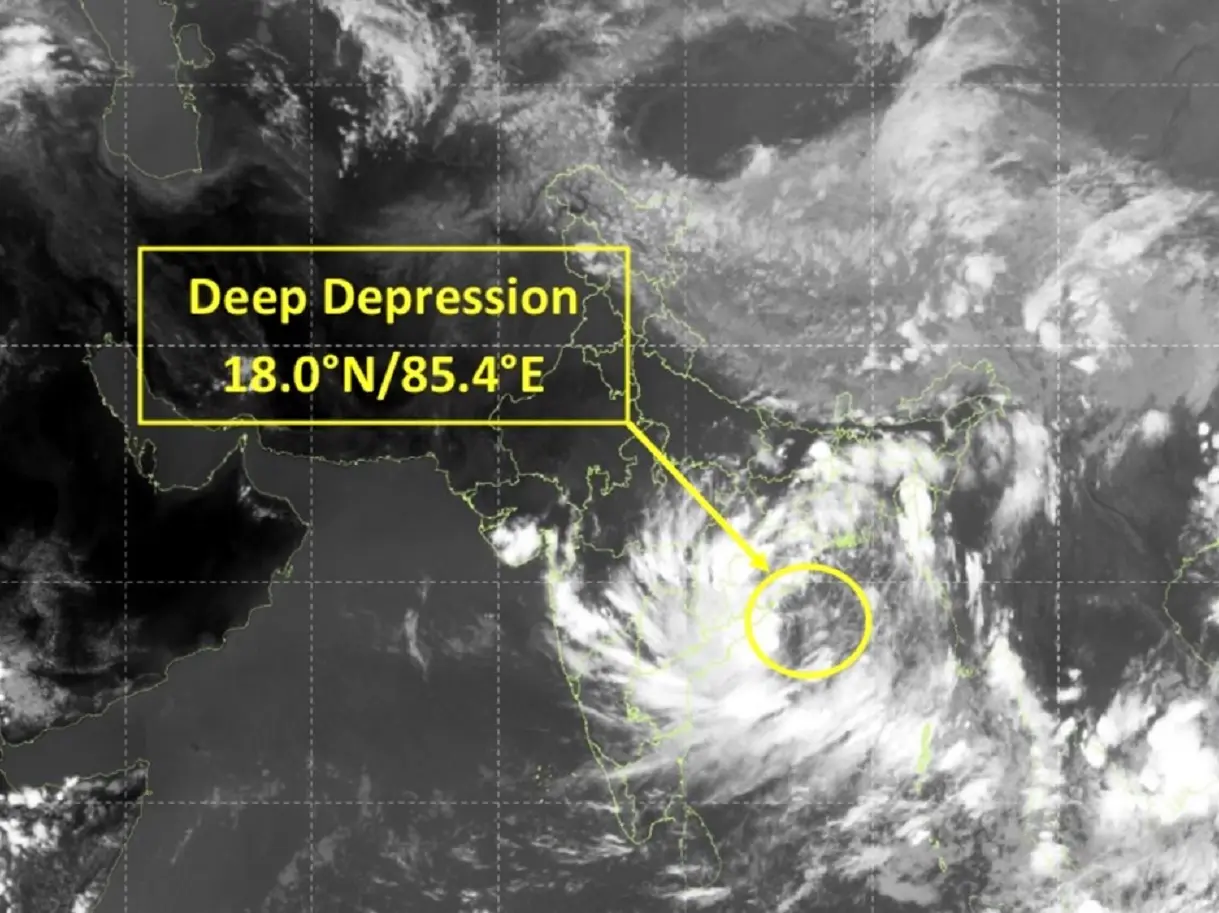)
Cyclone Arnab: Landfall expected before midnight tomorrow as IMD issues orange alerts across six states
)
IND vs JPN T20I: How an overturned wide became point of difference between India's win and a tie
)
Forget apps: Qualcomm CEO says AI agents will change how we use smartphones
&im=FitAndFill=(700,400))
National Film Awards 2026: Kartik Aaryan, Mammootty, Yami Gautam, Randeep Hooda and other key winners
"Everybody is really worried. I think everyone is afraid of what is going to happen in the next few days. Prices are also going to rise," said Cindy, a retail executive who was buying dryfoodand soap.
Dozens of mask-wearing shoppers pushed trolleys down empty aisles showing sold-out signs for hand wash and antiseptic liquids. Others tried tostockupon remaining bags of rice and packaged noodles.

The rush to buyfoodand cleaning products comes as some shoppers said they were concerned that a potential shutdown of the border would impact the supply of products.
Around 90 percent of the city's totalfoodsupply is imported, with the bulk coming from the mainland, according to official data.
TheHongKonggovernment has closed some border crossings, including the high-speed rail, but has stopped short of a complete shutdown, despite growing calls from medical workers, who plan a strike on Monday to demand action.
The government is grappling with how to handle spreading infections locally, with 15 confirmed cases in the city. Calls have grown for the government to close the border with mainland China to minimize the risk of infection.
HongKong's economy was badly hit during the SARS epidemic with tourism and services sectors the most affected as visitor arrivals tumbled and unemployment spiraled.
There was also a severe drop in consumer spending in the second quarter of 2003 due to SARS but a pickupfor the rest of the year saw retail sales drop only 0.6 per cent on the year

Last week, at anupmarket supermarket in Kowloon's Elements mall, chilled produce was sold out most afternoons while at Britain's Marks & Spencer, the chicken was sold out by midday.
At local wet markets, which are typically packed with localresidents, many stalls were shuttered asresidentsopted to shop in air-conditioned grocery stores, believing they were safer.
"It is worrying thatfoodis beingstockpiled but what is even scarier is thestockpiling of masks and sanitizers," said a man who would only go by his first name, Nelson, who was shopping with his wife.
So frantic is the search for masks that police on Friday said a 56-year-old medical worker was in custody for stealing 36 face masks and gloves from a hospital where she worked.