F-16 in fine print: How much Pakistan paid and how much profit US made? | A brief history of US-Pakistan F-16 deals

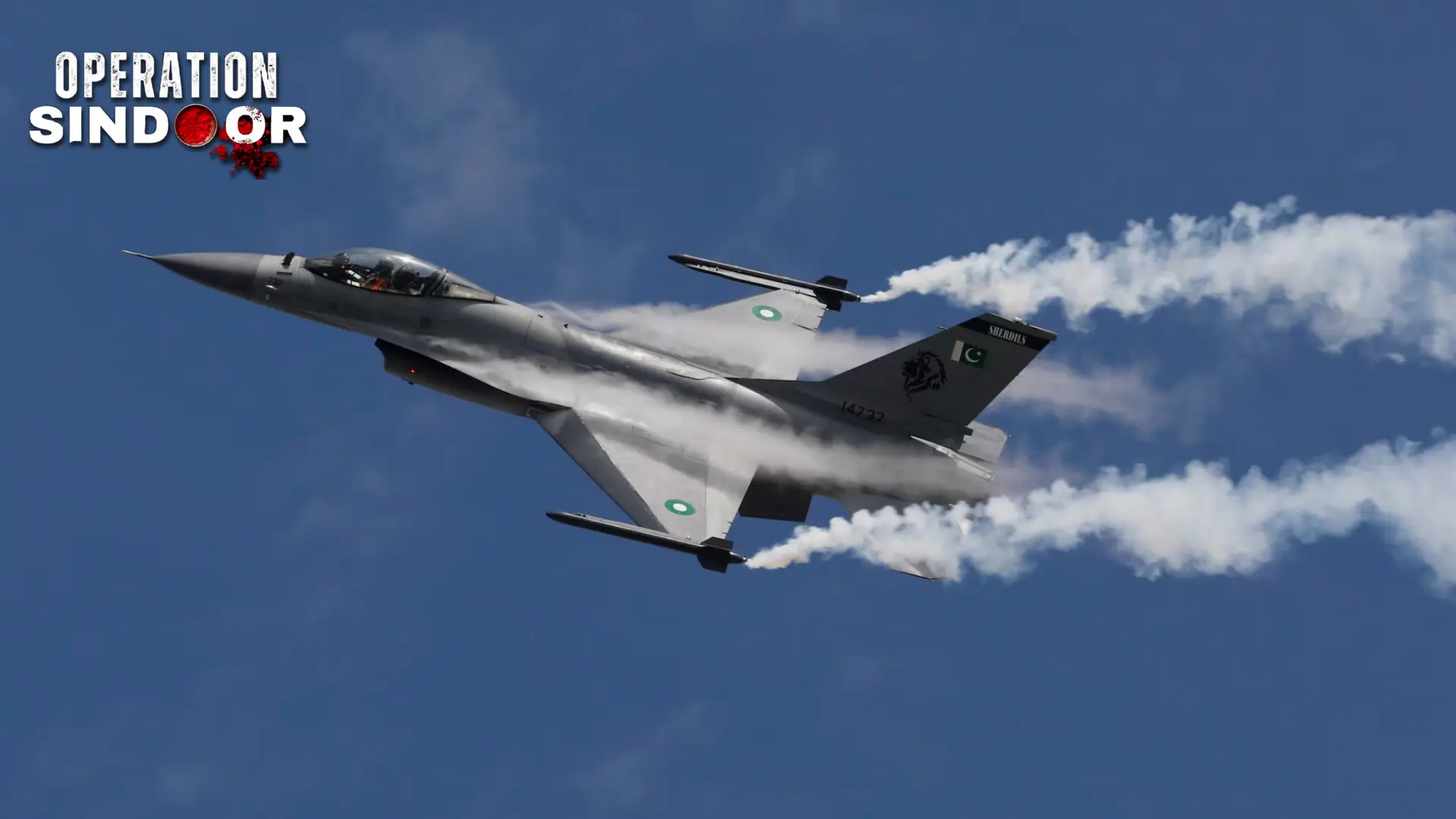
World: Records show that in 2010 alone, Pakistan paid $1.4 billion for 18 new F-16 Block-52 jets and another $1.3 billion to upgrade its older jets.
Over the last two decades, Pakistan has poured more than $4 billion into buying, upgrading and maintaining its fleet of F-16 fighter jets from the United States. Contrary to some reports, much of this spending came from Pakistan’s own funds, not from American military aid.
Records show that in 2010 alone, Pakistan paid $1.4 billion for 18 new F-16 Block-52 jets and another $1.3 billion to upgrade its older jets. Six years later, another $699 million was spent on eight more F-16s with full systems. In 2011, Pakistan also ordered $62 million worth of spare parts.

The trend continued with maintenance contracts. In 2019, a $125 million package funded round-the-clock technical oversight, while in 2022, Pakistan paid $450 million for a sustainment deal covering spares, repairs, and engineering services.
Lockheed Martin, the American company behind the F-16, made huge profits from these deals. With an average operating margin of around 11%, it’s estimated that the US defence industry earned nearly $445 million in profit from Pakistan’s F-16-related contracts.
Here’s a look at how the numbers add up:
&imwidth=180&imheight=135&format=webp&quality=medium)
'Already tired of his 9-to-5': Baby born with a moustache becomes internet sensation, video goes viral | Watch
&imwidth=180&imheight=135&format=webp&quality=medium)
Microsoft offers voluntary exit packages to 60,000 employees in India, US, UK and Canada
&imwidth=180&imheight=135&format=webp&quality=medium)
Mohra re-release in 4K: Akshay Kumar, Raveena Tandon’s film to clash with Ranbir Kapoor’s Ramayana
&im=FitAndFill=(700,400)&imwidth=180&imheight=135&format=webp&quality=medium)
New OTT releases this week (October 26-November 1, 2026): Baththa, Akka, The One About Matthew Perry- 7 titles coming on Netflix, Prime Video and more
&imwidth=180&imheight=135&format=webp&quality=medium)
Student-led movement ousts Serbia's longtime leader as protests rage across Europe | GRAVITAS
&imwidth=180&imheight=135&format=webp&quality=medium)
'He is a red flag': Ex-India strength and conditioning coach on Rohit's fitness regime
&imwidth=180&imheight=135&format=webp&quality=medium)
Zimbabwe slips four places to 14th out of 29 in Africa’s Digital Rights and Inclusion ranking
&imwidth=180&imheight=135&format=webp&quality=medium)
Jordan strikes 'terrorist organisations' in Syria after deadly church attack as Damascus shuts main border crossing
&imwidth=180&imheight=135&format=webp&quality=medium)
Police called after 3-year-old scores 10 goals in 12 minutes at Florida youth soccer game
&imwidth=180&imheight=135&format=webp&quality=medium)
One dead, six injured in Elizabeth, New Jersey mass shooting; suspect flees
&imwidth=180&imheight=135&format=webp&quality=medium)
'She is a beautiful woman': Trump mocks Mexican President Sheinbaum, mimics her voice at US Midterms rally
&imwidth=180&imheight=135&format=webp&quality=medium)
Hijack scare unfolds on United flight over suspicious text message. Here is what happened
&imwidth=180&imheight=135&format=webp&quality=medium)
'I've done my work sincerely': AR Rahman on facing backlash over Ramayana soundtrack
&imwidth=180&imheight=135&format=webp&quality=medium)
‘That is a miss’: Ravi Ashwin questions Sooryavanshi’s demotion to No. 3 in 2nd T20I vs NZ
&imwidth=180&imheight=135&format=webp&quality=medium)
US Midterms 2026: Last leg polls and forecasts indicate Democratic momentum, but Senate control remains uncertain
&imwidth=180&imheight=135&format=webp&quality=medium)
Trump offers $1 million before US midterms. What is he asking Americans to report?
&imwidth=180&imheight=135&format=webp&quality=medium)
Democrats allege 'desperate efforts to cover up' Trump's involvement in Jeffrey Epstein sex crimes, release 50-page report
&imwidth=180&imheight=135&format=webp&quality=medium)
Trump’s oil and gas holdings surge to $81.6 million amid Iran war as Americans face rising fuel costs
&imwidth=180&imheight=135&format=webp&quality=medium)
'Lousy president': Trump hits back at Obama over 'cheesecake factory' White House jibe
&imwidth=180&imheight=135&format=webp&quality=medium)
Cameroon unveils school-based migration clubs to support young people’s migration choices
&imwidth=180&imheight=135&format=webp&quality=medium)
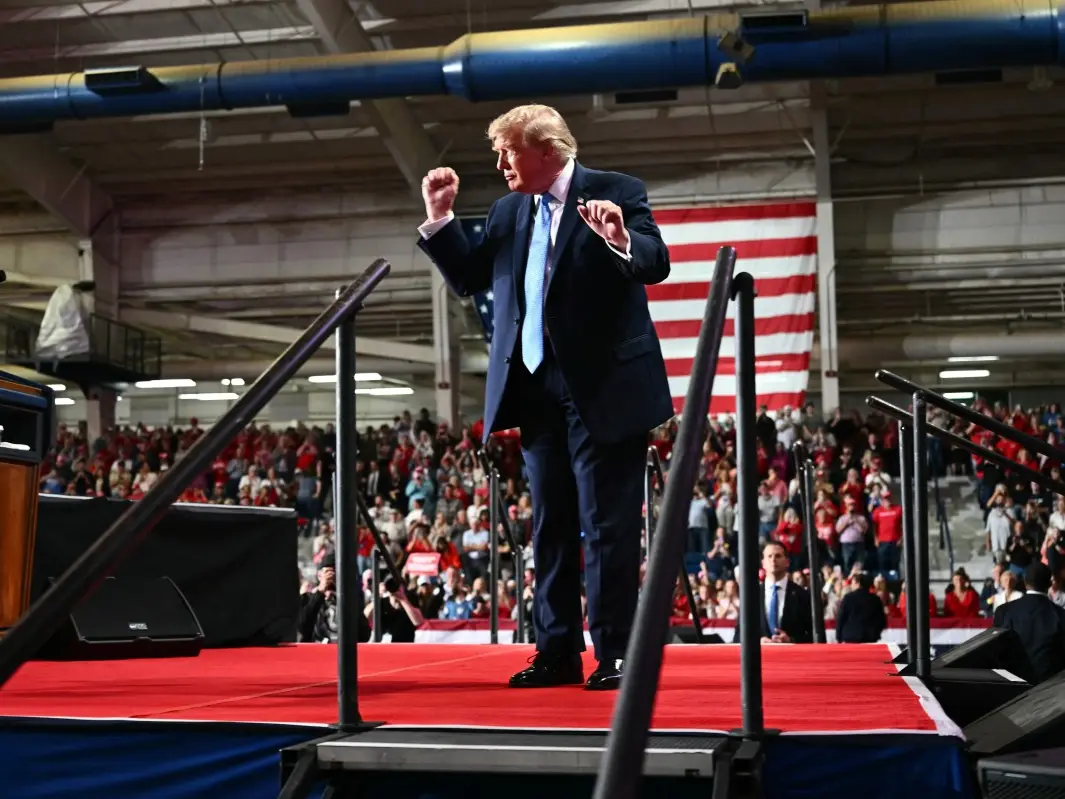
'Shove that ballroom up your a**': Trump heckled at Mississippi rally over White House ballroom renovations | WATCH
&imwidth=180&imheight=135&format=webp&quality=medium)
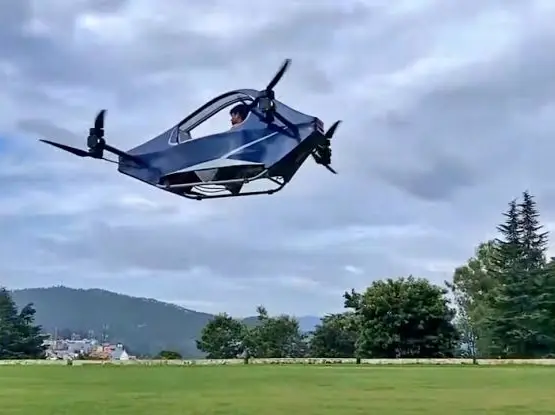
Uttarakhand innovator Ravi Tamta builds flying car without any formal engineering degree
&imwidth=180&imheight=135&format=webp&quality=medium)
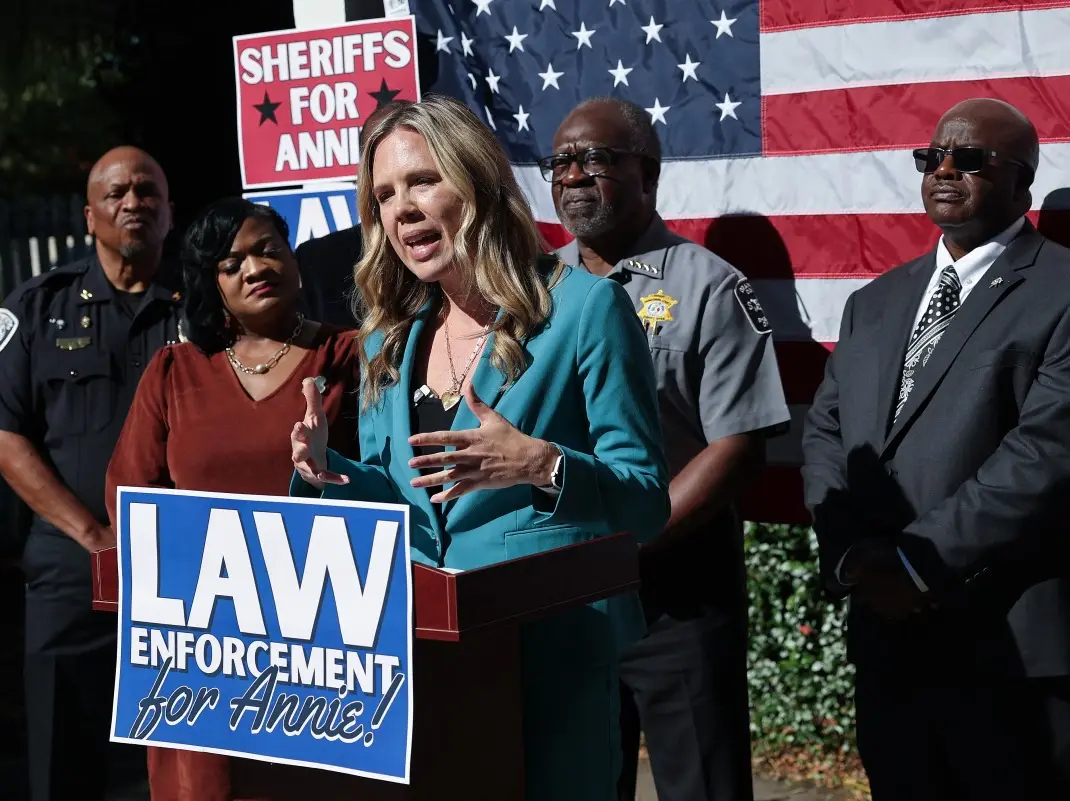
US midterms 2026: Democrat Annie Andrews gains bipartisan backing against Trump's pick Darline Graham in South Carolina Senate race
&imwidth=180&imheight=135&format=webp&quality=medium)
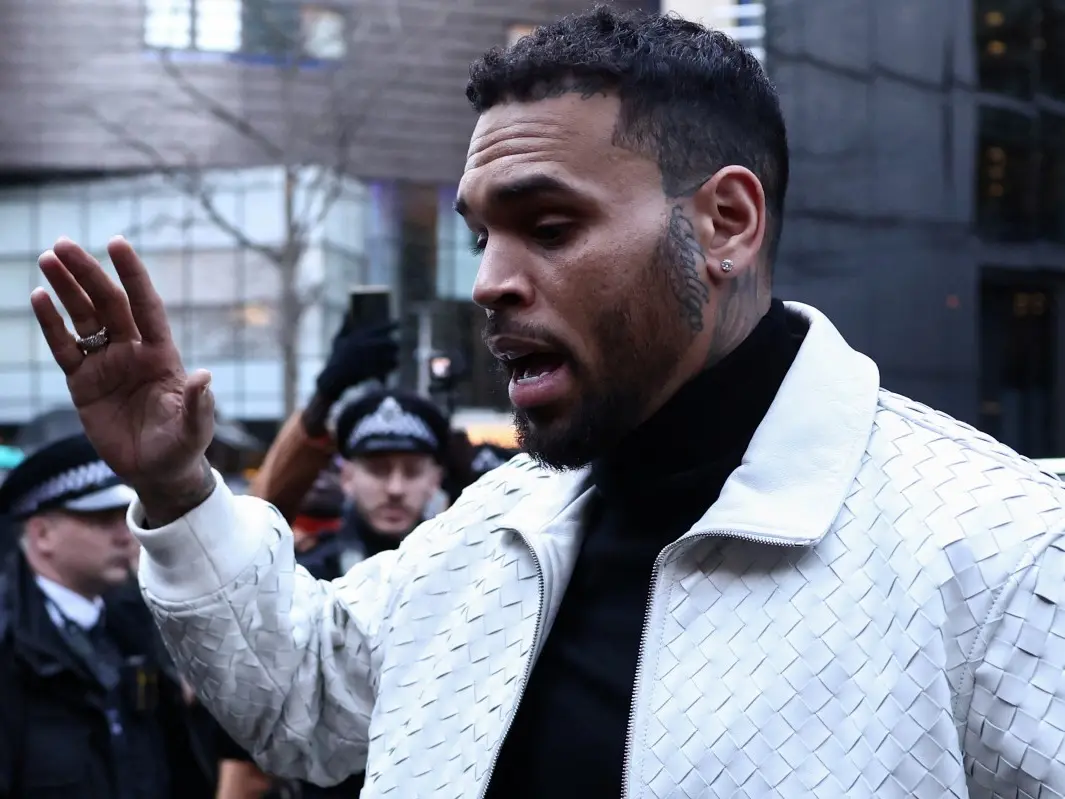
Chris Brown given suspended eight-month jail term for London nightclub attack
&imwidth=180&imheight=135&format=webp&quality=medium)
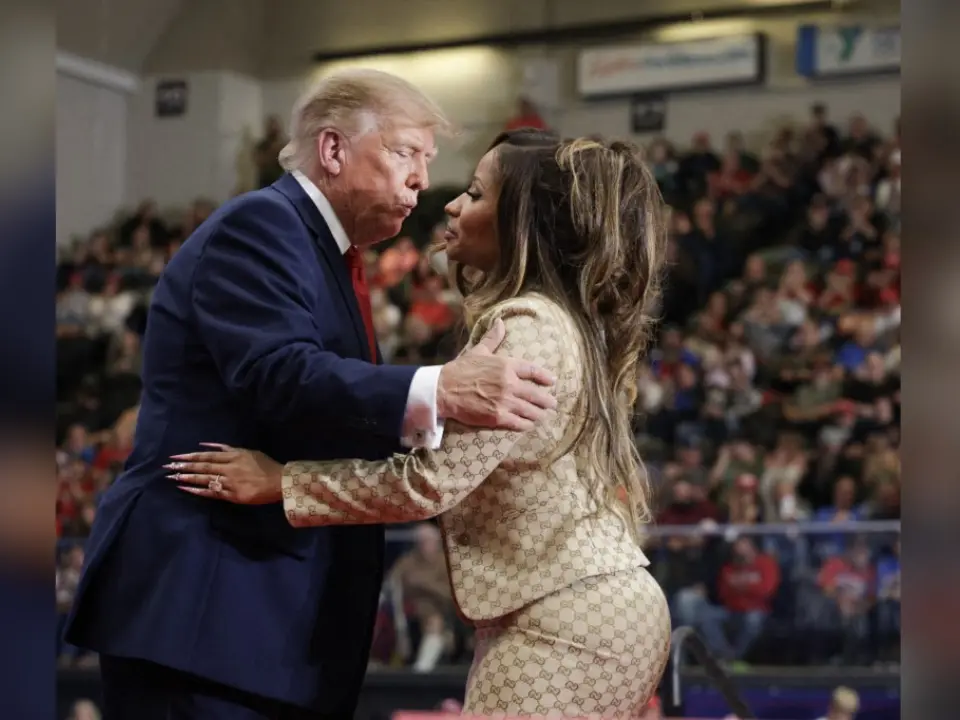
'Hell of a beautiful a**': Trump compliments Nicki Minaj as rapper joins him in Michigan rally
&imwidth=180&imheight=135&format=webp&quality=medium)
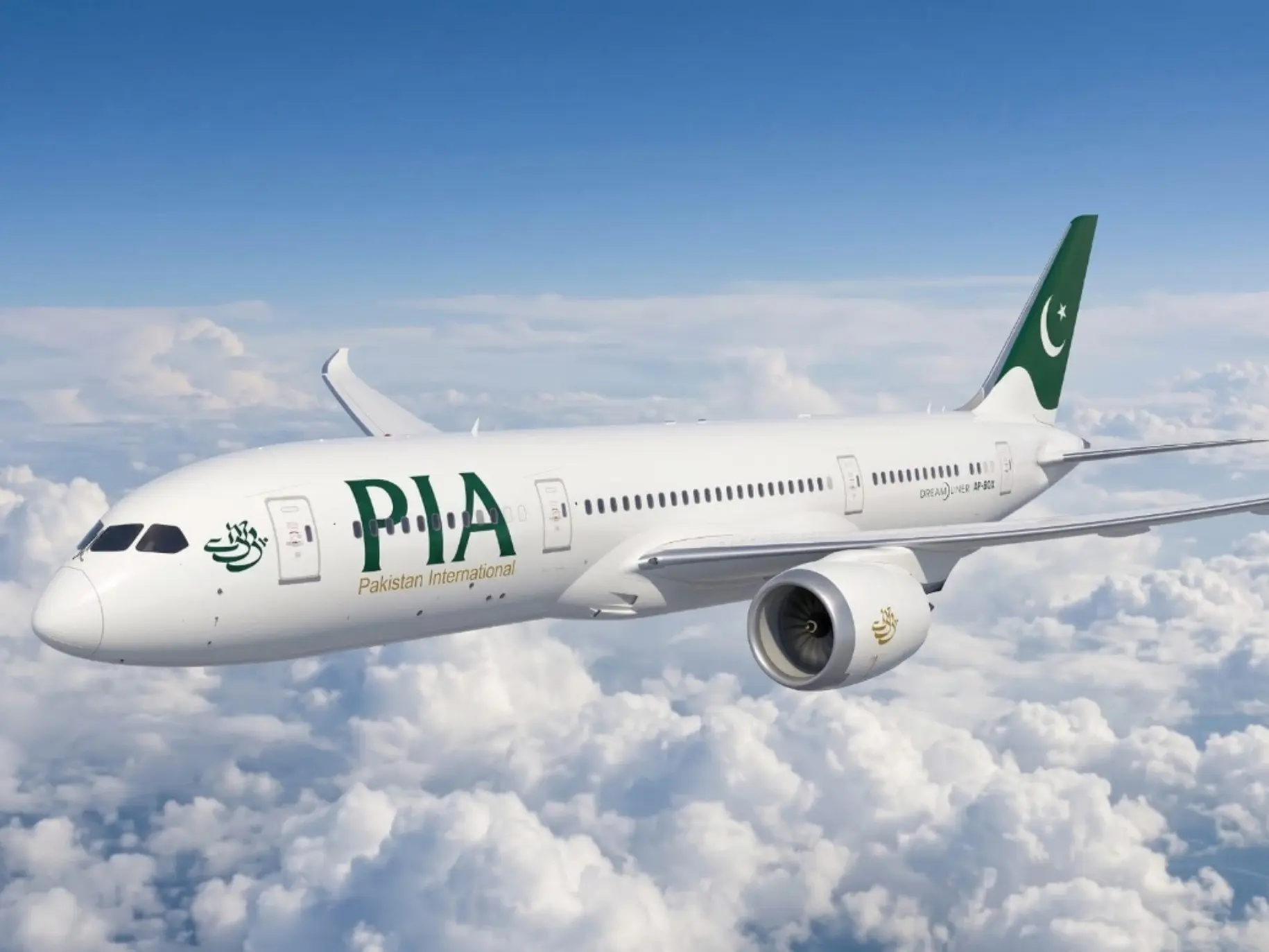
Pakistan airline PIA unveils new crew uniforms, faces online criticism
&imwidth=180&imheight=135&format=webp&quality=medium)
Meta’s AI bet is getting more expensive: What its $95 billion share plan means
&imwidth=180&imheight=135&format=webp&quality=medium)
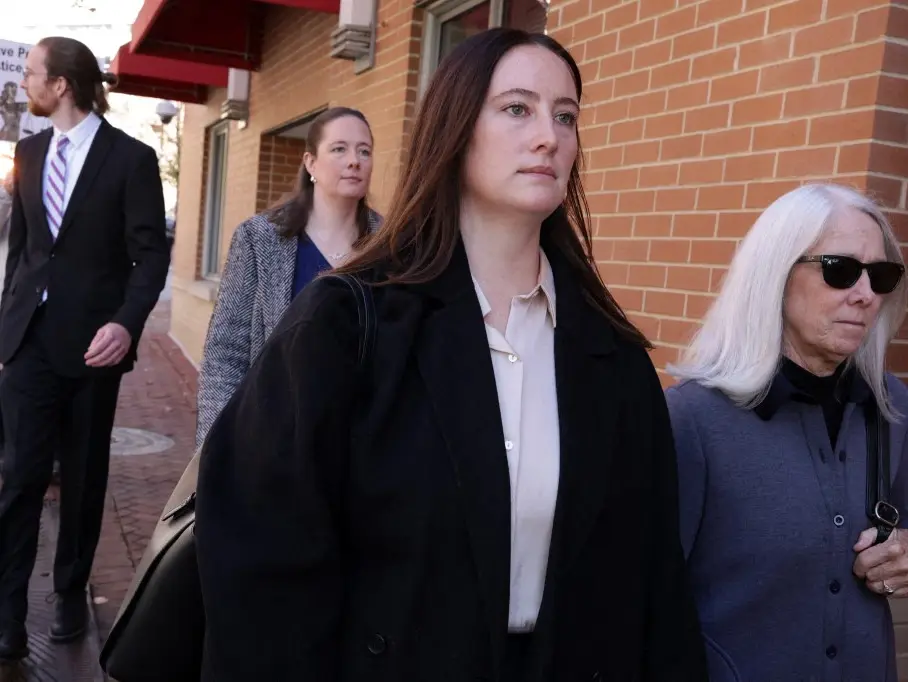
Maurene Comey, daughter of ex-FBI director James Comey, was unlawfully fired as federal prosecutor, judge rules
&imwidth=180&imheight=135&format=webp&quality=medium)
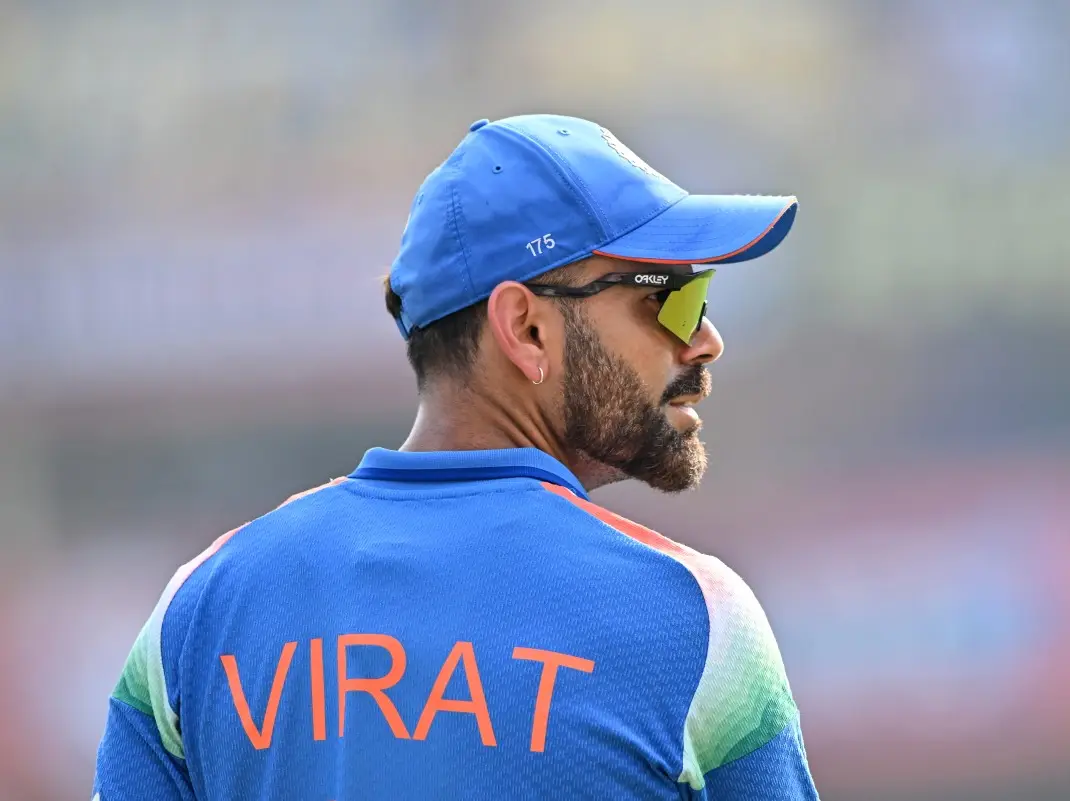
WATCH | Virat Kohli returns to training ahead of New Zealand ODI series
&imwidth=180&imheight=135&format=webp&quality=medium)
Trump accused of 'brutal' rape by ex-Miss Switzerland; Beatrice Keul alleges 'Don's best friend' Epstein facilitated assault in 1993
&imwidth=180&imheight=135&format=webp&quality=medium)
Elon Musk’s Grok releases first AI-generated Odyssey episode, months after promising ‘historically accurate’ full-length film
- 18 F-16 jets (2010): $1.4B → ~$154M profit
- F-16 upgrades (2010): $1.3B → ~$143M profit
- 8 F-16 jets (2016): $699M → ~$77M profit
- Support deal (2022): $450M → ~$50M profit
- Technical support (2019): $125M → ~$14M profit
- Spare parts (2011): $62M → ~$7M profit
Total estimated US industry profit: $445 million
Total cost to Pakistan: over $4 billion
History of F-16 deals with Pakistan
The F-16 journey began in the early 1980s, when the US sold up to 110 jets to Pakistan under President Reagan. But by 1990, sanctions hit due to Pakistan’s nuclear programme, freezing deliveries.
After 9/11, Pakistan returned as a key US partner in the so-called war on terror. Military ties resumed, and in 2005, two upgraded F-16s were handed over as military aid. In 2006, a major upgrade programme began, mostly funded by Pakistan with a small amount ($108 million) of American assistance.
In 2010, Pakistan received 18 brand-new F-16 Block 52 jets for $1.4 billion. These were pitched as a tool to strike terror in camps with precision. Reports said this was a sign of deeper US-Pakistan ties post-9/11.
By late 2008, Pakistan had asked to use $368 million in US Foreign Military Financing (FMF) for upgrades. Still, over 80% of the total cost came from Pakistan’s own funds.
Tight restrictions on how Pakistan could use the jets
Every F-16 deal with Pakistan came with end-user conditions. The US made it clear: The jets were to be used only for counterterror operations, not against other nations.
Washington closely monitored how Pakistan used the aircraft, aiming to stop any action that might destabilise the region. Despite these limitations, Islamabad continued to invest heavily in these jets.
