Explained | The 34 felony charges against Donald Trump

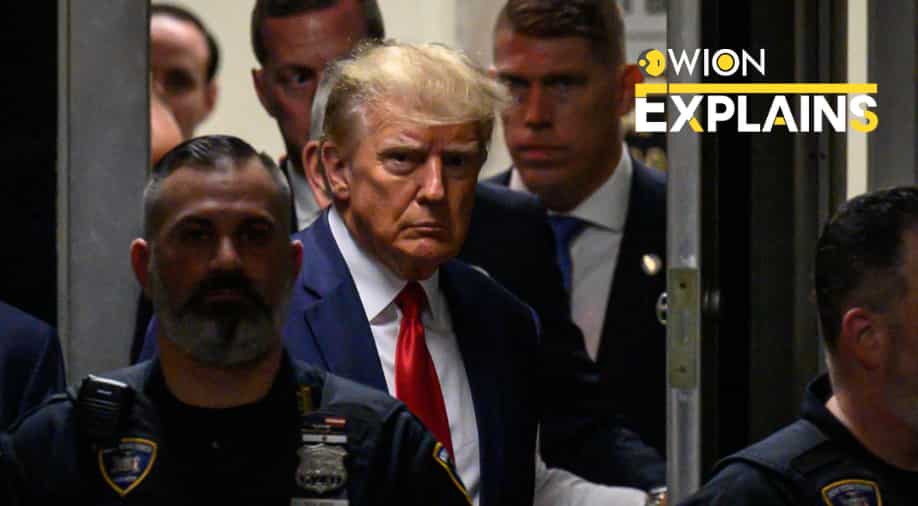
Donald Trump
Former United Statespresident Donald Trump on Tuesday pleaded not guilty to 34 felony counts of falsifying business records, which are related to the role played by him in the hush-money payment made to porn star Stormy Daniels.
However, the prosecutors in the office of the Manhattan district attorney accused Trump of orchestrating the plan to purchase stories which may damage his reputation and trying to keep them under wraps, hence influencing the 2016 presidential election’s result.
“The defendant, Donald J. Trump, falsified New York business records in order to conceal an illegal conspiracy to undermine the integrity of the 2016 presidential election,” said Chris Conroy, a prosecutor at Trump’s arraignment.

Generally falsifying business records is treated as a lesser misdemeanour, but Trump is facing the accusation of committing felony offences.
This reflects a more serious crime which can include prison time if he is given the maximum sentence. "At its core, this case today is one with allegations like so many of our white-collar cases," said New York City District Attorney Alvin Bragg, speaking about the charges levied against the former president.
"Allegations that someone lied, again and again, to protect their interests and evade the laws to which we are all held accountable,” he added. Trump, who had pleaded not guilty in the courtroom, insisted that there was nothing to be answered in the case.
)
What’s in a name? Trump’s 'Lake America' move gets a tit-for-tat response from Canada
)
Outrage erupts after 3-year-old is married to 60-year-old man in Pakistan, link to her sister's murder being probed
)
Trump gifts Xi a bald eagle sculpture at White House dinner: Here’s what it symbolises
)
‘Not just a local tragedy’: Nepal PM Shah warns UN of growing climate threat, says Nepal floods were 'a warning to the world'
)
Farhan, who went viral for AK47 celebration vs India in Asia Cup, hopes to lead Pakistan beyond Asian Games
)
CNN, Politico and MS NOW back in White House after judge blocks Trump’s media ban
Don't Be Shy movie review: A frothy coming-of-age tale that is too shy to experiment
)
IIT Bombay CCTV footage emerges: Sahil Wakode seen looking at phone in examination hall
)
Tesla is preparing something big for Optimus: new Gen 3 models surface in app
)
Bias or safety concerns? Bengaluru CEO says firm will not hire men from UP, Bihar, Rajasthan, MP. Here's why
)
Trump's welcome to Xi demonstrates 'attraction' to dictators: Chuck Schumer
)
Nations League: Germany draw on Klopp debut; Portugal, Norway win
)
WION Iconic Tourism Summit 2026: Union Minister Shekhawat on 'experiential travel', peace diplomacy
)
Scientists detect first radio signals directly from faraway planet
)
A seven-day roadmap? Iran proposes plan to end war, reopen Strait of Hormuz and resume nuclear talks
)
China to test supersonic jet that moves at Mach 2, double the speed of sound
)
The Vvaan Review: This Ekta Kapoor's Tulsi Virani-coded world can't be saved by Sidharth Malhotra and Tamannaah Bhatia
)
Xi Jinping's 'special plane' vs Trump's Air Force One: What's the difference?
)
UNGA 2026: Israeli PM attacks Britain, France for past colonialism
)
West Indies coach Sammy looking at India series as opportunity to finetune ahead of ODI World Cup 2027 qualifiers
)
‘We’ve never gotten along better’: Trump praises Xi, jokes about White House ballroom at high-stakes state dinner
)
Air India pilot suspended after failing pre-flight alcohol test on Zurich-Delhi route
)
Yemen called Trump for US military support in fight against Houthis: Official
)
2,000-foot tube, laser tests and more: China builds towns to expand nuclear arsenal, satellite images show
)
Meet Adrian Abraham: 9-year-old Indian-origin guitar prodigy aiming for a Guinness World Record
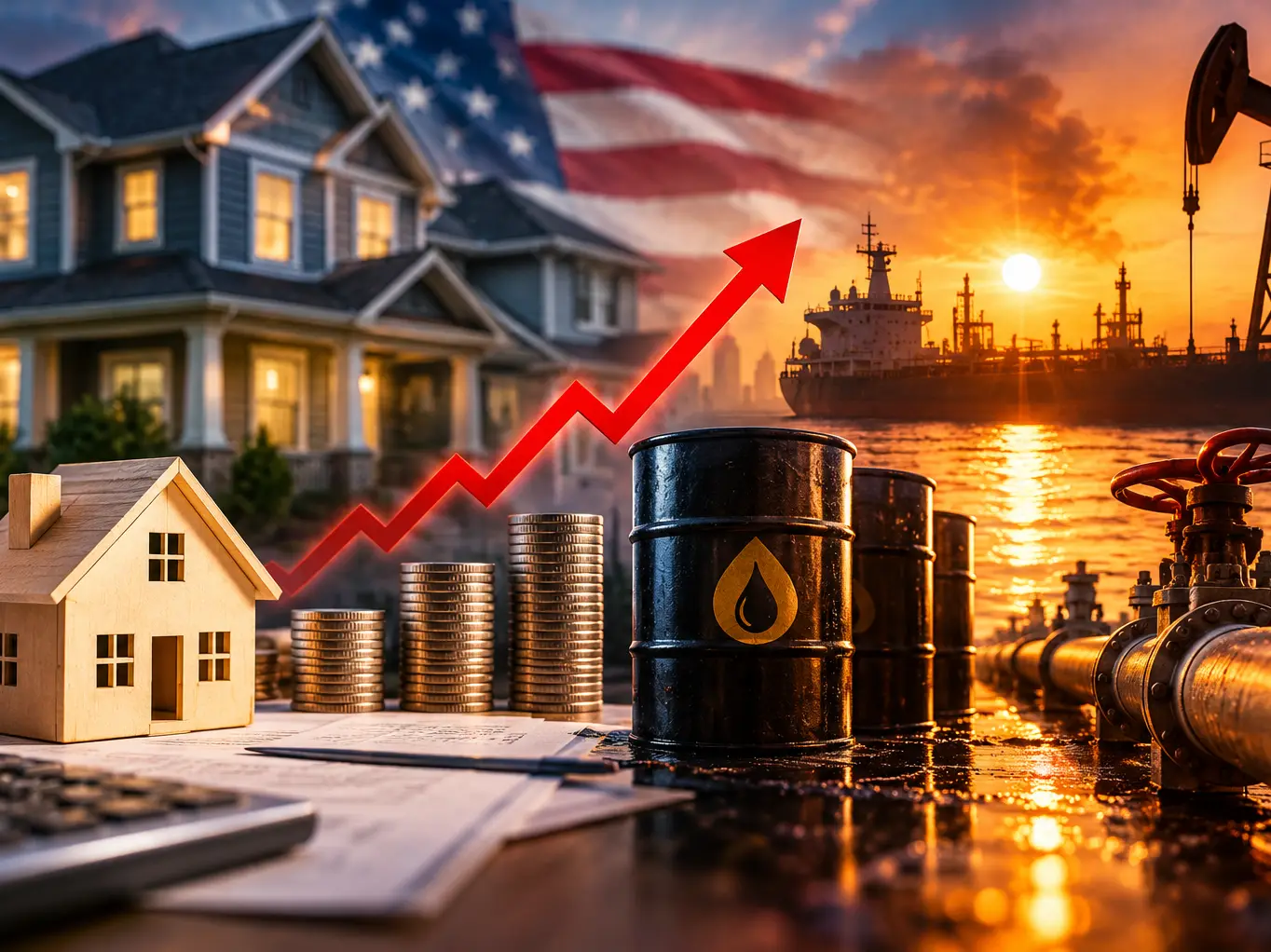)
US faces fresh cost crunch as mortgage rates hit 7%, oil tops $107 and gas prices surge
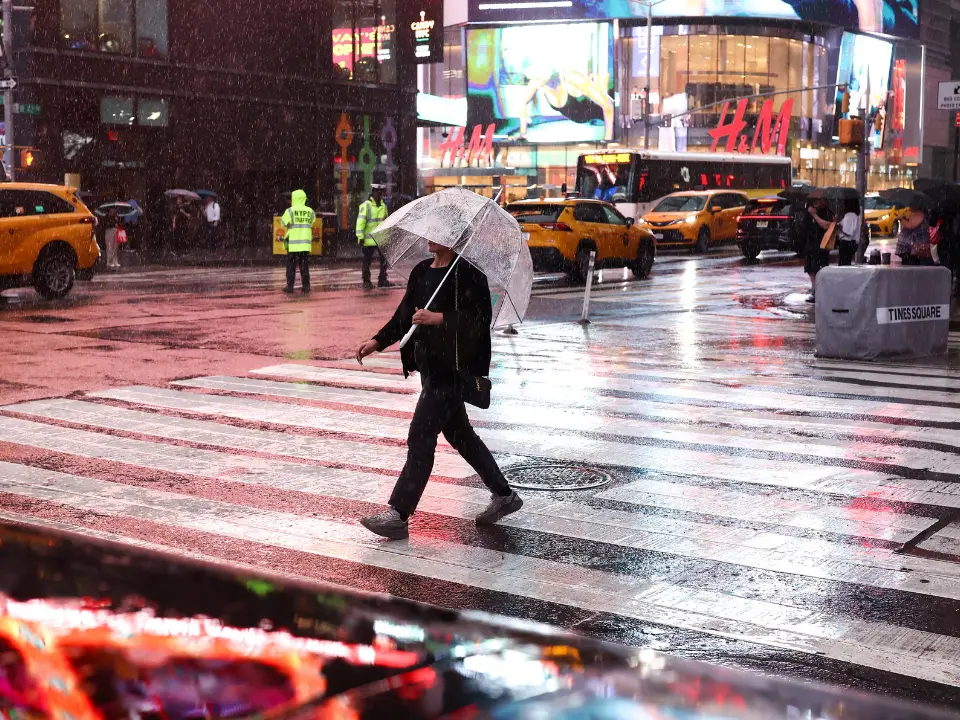)
'Blockbuster' nor'easter develops an eye similar to hurricanes as warnings are issued
)
Alarming video emerges as landslide damages houses in Sikkim’s Rimbi village. Watch
)
OpenAI is building AI to fight cyber threats: What GPT-6 Cyber means for security
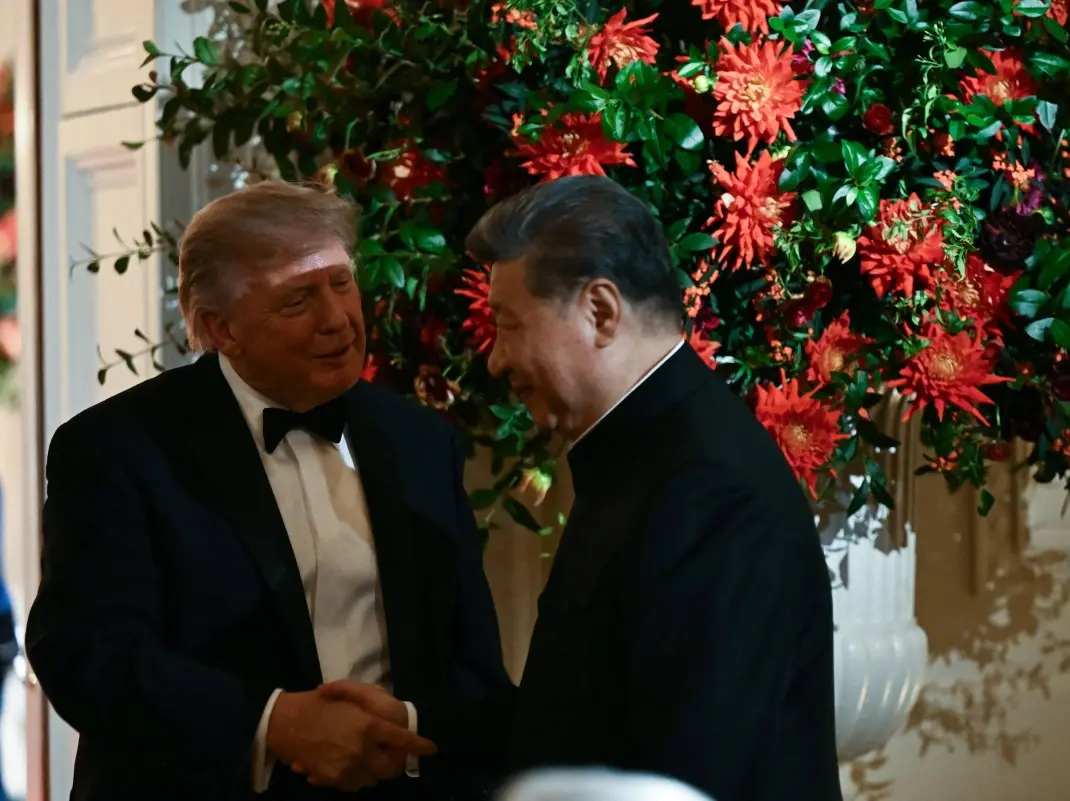)
'Making history': Xi Jinping praises Trump as US-China leaders dine at White House
)
'What kind of confession is this?': Pakistan PM Shehbaz Sharif’s 'terrorists would be roaming New York' remark goes viral, raises alarm online. Watch
&im=FitAndFill=(700,400))
Netanyahu at UN: Mass walkout, attack on Mamdani and Iran threats | In Pics
)
'We do not wish to continue. It's America that must choose': Iran president Pezeshkian calls on US to end war
)
WION Iconic Tourism Summit: How local tourism MSMEs must upskill for AI integration
)
Bollywood mourns Mushtaq Khan: Sunny Deol, Rajpal Yadav and others pay tribute
)
'FIRST LOOK from inside Noah’s Ark': Researchers share video from inside mysterious mound in Turkey
)
Israeli envoy to US Yechiel Leiter’s son critically injured in West Bank ramming attack
)
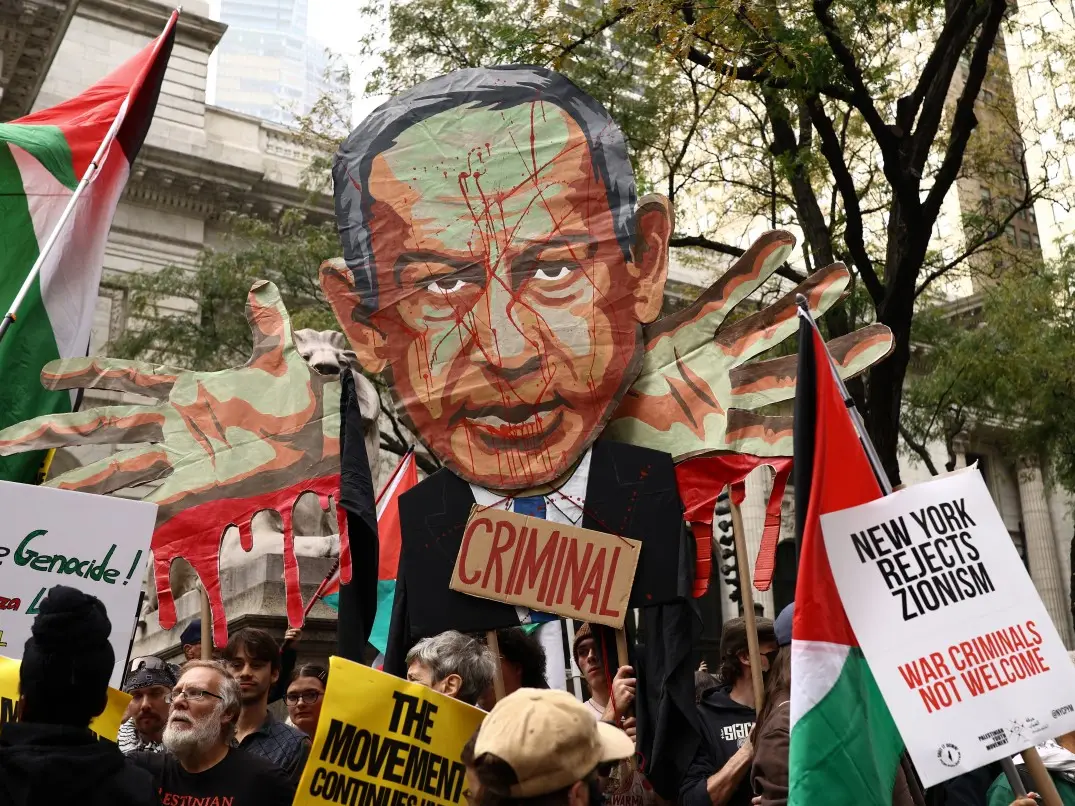
'Fund people, not bombs': Hundreds take to New York streets as Netanyahu delivers speech at UN; dozens arrested
)
ALSO READ | Never thought this could happen in America: Donald Trump's first remarks following arraignment
What the prosecutors accused Trump of?
The charges can be traced back to $130,000 hush money paid to porn star Stormy Daniels by Trump’s fixer Michael D. Cohen in the last days of the 2016 campaign. The payment, which Cohen claimed was made by him at the direction of Trump, suppressed the story of Daniels' sexual liaison with Trump.
Later, the money was reimbursed to Cohen by Trump and that’s where the fraud started, claimed prosecutors. The repayment made to Cohen was classified as legal expenses and a retainer agreement was cited in the internal records of Trump’s company.
The prosecutor claimed that there was no such expense and the retainer agreement was also false. The internal data includes 34 counts of falsifying business records - 11 counts included the checks, 11 are based on monthly invoices that were submitted to the company by Cohen, and 12 include entries in the general ledger for Trump’s trust.
The 34 felony counts filed against Donald Trump are related to the payments recorded as legal expenses in the Trump Organisation that had registered the cheques as "legal fees”.However, Cohen confirmed that they were reimbursements for the hush-money payment.
“The payment records, kept and maintained by the Trump Organisation, were false New York business records. In truth, there was no retainer agreement, and Lawyer A was not being paid for legal services rendered in 2017. The Defendant caused his entities' business records to be falsified to disguise his and others' criminal conduct,” the prosecution case stated.
WATCH | Donald Trump becomes first former US President to be arrested
Why is it considered a felony?
Falsifying business records can be seen as a misdemeanour offence. To make it a felony, district attorney Alvin L. Bragg needs to prove Trump’s “intent to defraud” was used to carry out a second crime.
It is still unclear in this case whether Bragg has settled on the specifics of that second crime. In a press conference after Trump’s arraignment, Bragg mentioned various potential underlying crimes, like state election law’s violation that does not allow any conspiracy to promote “the election of a person to public office by unlawful means”.
How did Trump violate the election laws?
In a political campaign’s context, money paid to silence a person’s unflattering information can be seen as a campaign donation. In the federal court of campaign violations, Cohen was convicted because he made a payment worth $130,000 to Daniels which exceeded the legal limit of the donation made by an individual to a political candidate, which is $2,700.
Bragg alleged that since Trump handled the reimbursements made to Cohen, it violated the state election law of New York “which makes it a crime to conspire to promote a candidacy by unlawful means.”
Are prosecutors required to convict Trump of a second crime?
The prosecutors must only prove that Trump had the intent to “commit or conceal” a second crime. Trump doesn’t need to be charged with any second crime, and there is no need to prove that he committed one. However, the prosecutors have not yet revealed what crime or crimes they plan to rely on to elevate the charge to a felony.
What is the maximum sentence if court convicts Trump?
Trump is facing charges that belong to Class E felonies, which fall under the lowest category of felony offence conducted in New York and a person if convicted, can get a prison sentence of a maximum of four years per count, although if Trump is convicted a judge could sentence him to probation.
(With inputs from agencies)
You cannow write for wionews.comand be a part of the community. Share your stories and opinions with ushere.
WATCH WION LIVE HERE