No direct meeting? Everything we know about the upcoming US-Iran talks in Doha

&imwidth=600&imheight=450&format=webp&quality=medium "No direct meeting? Everything we know about the upcoming US-Iran talks in Doha")
File image for representation Photograph: (AFP)
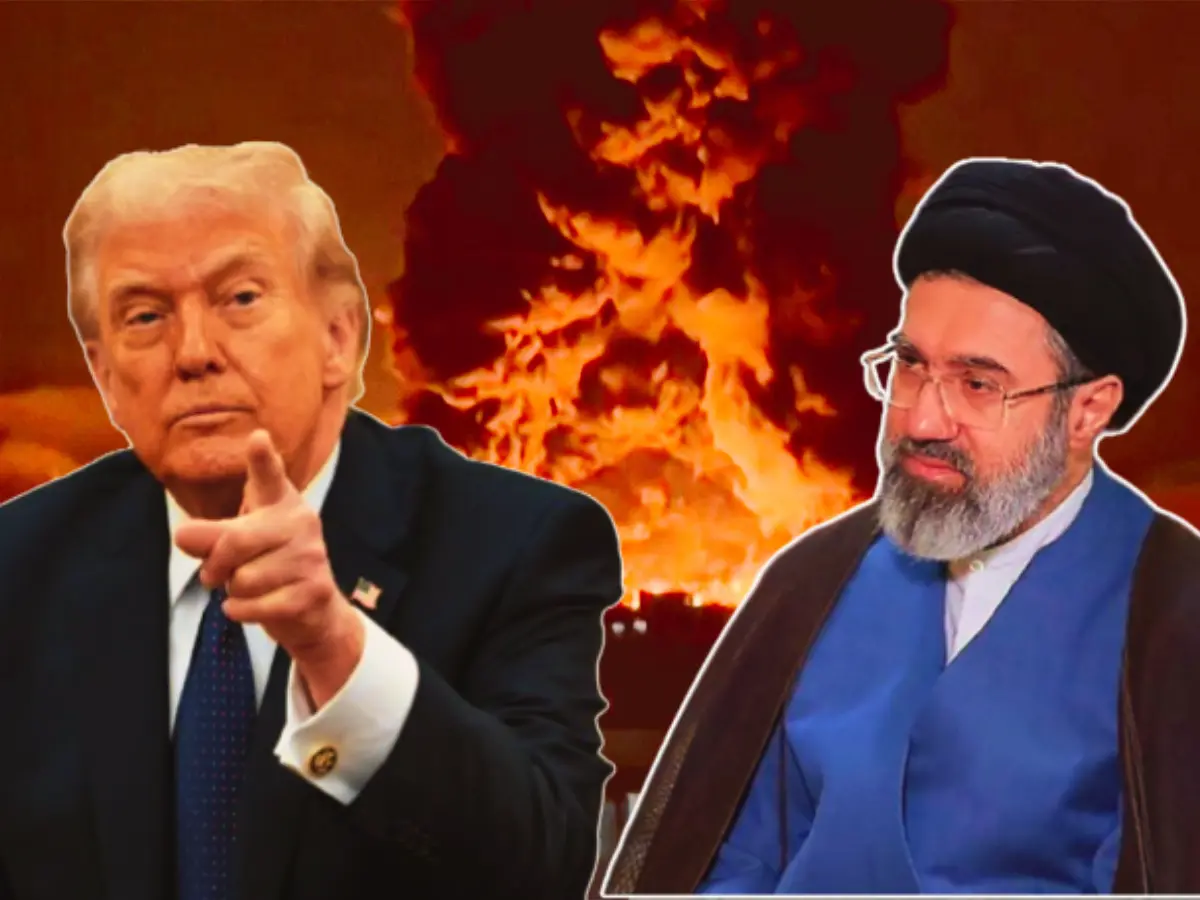
US and Iranian delegations are visiting Doha simultaneously, fueling speculation of renewed diplomatic engagement despite Iran’s claim that the trip only concerns a recent asset-release agreement signed in Islamabad.
The US and Iran are both expected to have delegations in Qatar's capital, Doha, this week, raising expectations of renewed diplomatic engagement. This came despite Tehran publicly insisting that no direct negotiations with Washington are planned.
US Special Envoy Steve Witkoff is travelling to Doha, according to two US officials cited by CNN. Iran has also confirmed that an expert delegation will visit the Qatari capital. Esmail Baghaei, spokesperson for Iran's negotiating team, said the Iranian delegation's visit is intended solely to follow up on an earlier agreement regarding the release of Iran's frozen assets.
Also read: ‘Iran has requested a meeting’: Trump claims meeting in Doha on June 30, despite denial from Tehran
Meanwhile, Qatar’s Foreign Ministry spokesman Majed al-Ansari said on Tuesday (June 30) that there will be no direct meeting between Iran and US in Doha.
"The fact that US representatives are travelling to Qatar has nothing to do with the Iranian delegation's visit, which is being conducted to follow up on the agreement," Baghaei told reporters on Monday (June 29).
But a source told CNN that delegations from both countries are expected to be in Doha at the same time. And this fuels speculation that diplomatic engagement could take place regardless of Tehran's public stance.
Trending Stories
)
)
)
)
)
)
)
)
)
)
)
)
)
)
)
)
)
)
)
)
)
)
)
)
)
)
)
)
)
)
)
)
)
)
&im=FitAndFill=(700,400))
)
)
)
)
What is the agreement between the US and Iran?
The expected discussions come two weeks after Washington and Tehran signed a memorandum of understanding in Islamabad, intended to provide a framework for ending regional hostilities. Under the MOU, the US agreed to unfreeze Iranian assets, lift sanctions, allow Iranian oil exports, end its blockade on Iranian ports and establish a reconstruction fund for Iran.
In return, Tehran committed to guaranteeing the safe passage of ships through the Strait of Hormuz and reaffirmed that it would not develop nuclear weapons. While the agreement outlined broad commitments, many of the practical details were left for future negotiations.
Issues that are still unresolved
Several key issues remain unsettled just two weeks into the 60-day negotiation period outlined in the MOU. One of the main complications is that the agreement requires progress on multiple issues before substantive negotiations can begin. These include the release of Iran's frozen assets, sanctions on Iranian oil exports, shipping through the Strait of Hormuz, the US blockade of Iranian ports, and ongoing hostilities involving Iran and Lebanon.
Iran said on Monday (June 29) that half of its frozen assets held in Qatar would be returned. However, US officials have said no assets have yet been released.
Disagreements also persist over navigation through the Strait of Hormuz. Tehran maintains that vessels should obtain Iranian permission to use designated shipping routes, while an increasing number of ships have instead opted for an alternative route closer to Oman's coastline.

