&imwidth=800&imheight=600&format=webp&quality=medium "Emergency in Philippines, tuk-tuks without gas in Cambodia, T-shirts instead of suits in Thailand: Fuel price shocks of Iran war roil ASEAN nations")
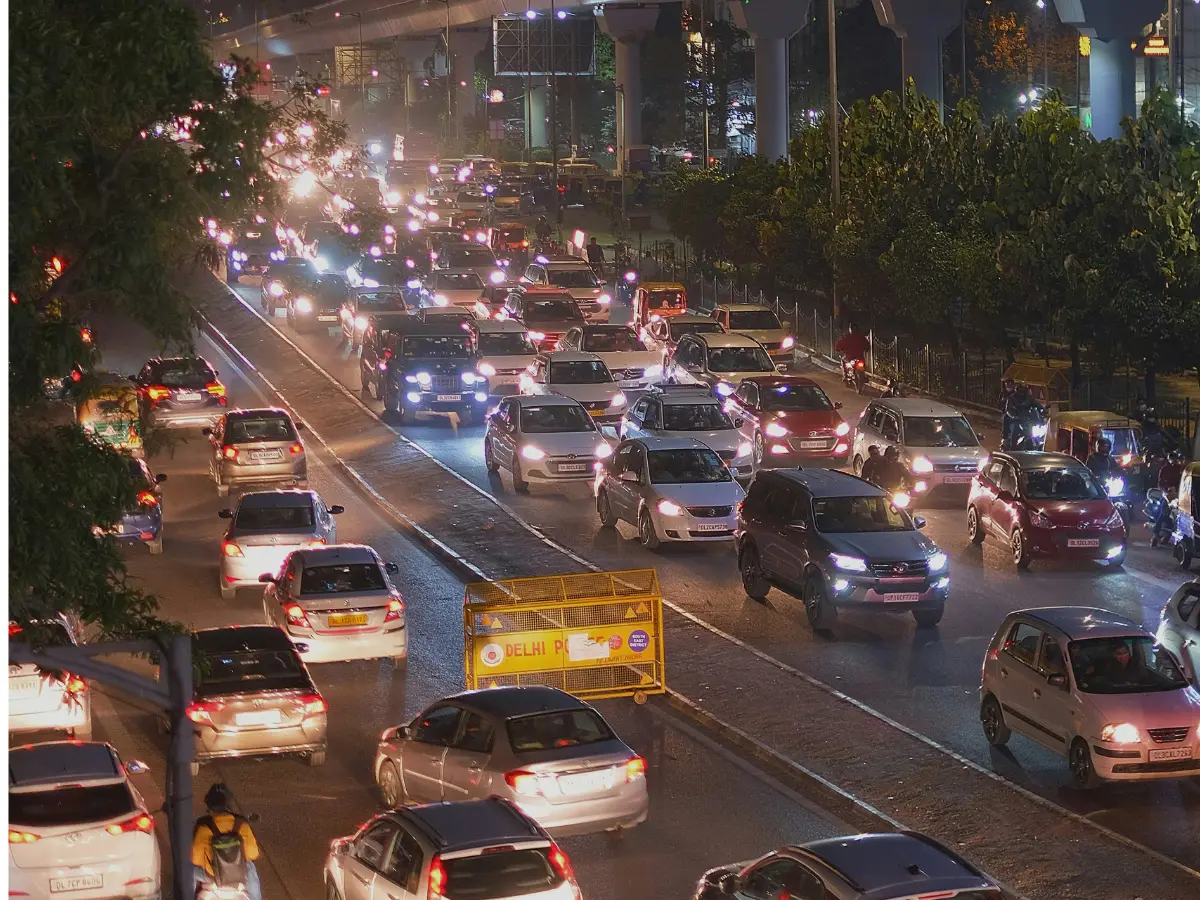
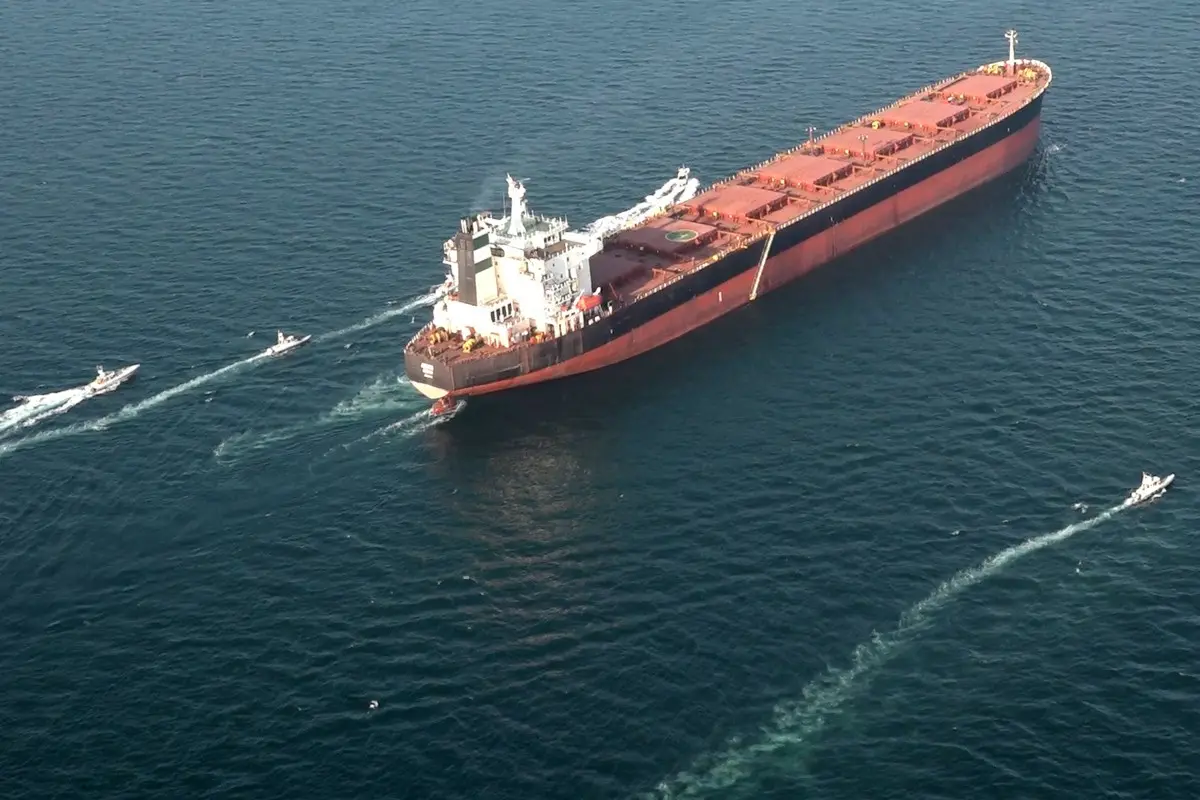
Iran war impact on ASEAN: Oil and gas price rises are roiling the economies of Southeast Asian nations, with the Philippines declaring a national energy emergency in a sign of how the global energy crisis caused by Iran war is rippling through ASEAN. Most ASEAN member states are net importers of oil and gas, and the ongoing Iran–Israel–US conflict, alongside the effective closure of the Strait of Hormuz, has triggered sharp spikes in global oil prices, LNG costs, and regional energy markets. Several Southeast Asian governments have rolled out fuel conservation measures, including work-from-home policies, four-day workweeks, and limits on air conditioning and private vehicle use. Fuel subsidies, export curbs, diversification of fuels and suppliers like Russia, and increased use of domestically produced biofuels are also on the cards. Here is a roundup of how Southeast Asia is responding to the fuel crisis.
Philippines, worst-hit in ASEAN, declares national energy emergency amid oil price shock
A net importer of oil, the Philippines is among the worst hit in Southeast Asia’s energy crisis, with nearly 98 per cent of its crude oil imports sourced from the Gulf region. Significant volumes of LNG imports also come from the same corridor, leaving it highly exposed to disruptions in the Strait of Hormuz. The government declared a national energy emergency on Tuesday (Mar 24), citing “imminent danger” to energy supply. Fuel reserves have dropped to roughly 45 days, while domestic gas prices have doubled since the crisis began. Authorities are boosting coal output, cracking down on hoarding, and considering measures such as flight groundings and four-day workweeks. Economists warn the Philippines faces heightened risks of inflation, energy shortages, and slowdown due to its heavy import dependence.

Thailand ramps up energy-saving measures as reserves tighten
Thailand is one of the hardest-hit ASEAN economies as it depends on imports for nearly 60 per cent of its crude oil demand. More than half of these imports — along with over a quarter of LNG supply — come from the Gulf. With reserves covering only about two months, Thailand has suspended petroleum exports to protect domestic supply. Rising fuel costs are feeding into inflation and posing risks to GDP growth. The government has introduced visible energy-saving campaigns, including encouraging lighter office attire (T-shirts instead of suits), limiting air conditioning to near-ambient temperatures, reducing elevator usage, and promoting carpooling.
Trending Stories
)
The Early Spring is proof not everyone can talk about their real feelings, and it is perfectly OK
)
UN votes to ‘correct the map’ as India backs fairer world view
)
Nigerian Navy discovers 99,000 litres of suspected stolen, illegally refined products as it intensifies anti-crude oil theft operations
)
Who is Aditi Paudel? 17-year-old becomes Japan's first literacy ambassador
)
Bengaluru: Officials find 40 kg expired chilli at chairman's club
)
Jaishankar rejects trade link to ending Ukraine war
)
Israeli strikes on Lebanon kill three, injure 23 despite truce
)
Alpine glacier was covered with sheep wool sheets to prevent melting. It worked
)
South Korea mulls deploying military assets to Strait of Hormuz
)
World's fifth-largest economy, British army can't afford to train
)
Breaking | Vance takes the podium: First White House briefing since Leavitt's exit
)
Taiwan raises 'concerns' over China's missile test
)
BRICS 2026: $1 trillion sovereign capital set to converge in Delhi for first iBRICS Summit
)
What is Iran's Pickaxe Mountain that Trump has again threatened to bomb?
)
UN votes to correct world map that visually shrank Africa for 450 years
)
Former NewJeans member Danielle launches YouTube channel, hints at new solo journey
)
Bangladesh batter Towhid Hridoy creates history with 350 not out in South Africa
)
Brendan Fraser’s transformation fuels The Mummy 4 excitement as fans welcome back Rick O’Connell
&im=FitAndFill=(700,400))
Krishna Janmashtami 2026: From Dhaniya Panjiri to Makhana Kheer- 5 best sweet dishes perfect for celebrating Lord Krishna’s birth
)
Donald Trump plans to travel to Ireland on Qatari-donated jet amid security concerns
)
Nazi-looted art to return to Jewish heirs
)
Eight killed in Kerala’s Thrissur after car rams into lorry parked on highway
&im=FitAndFill=(700,400))
Why Russian fighter jets use bulky, low-pressure tyres compared to US jets
)
FBI-wanted fraud accused arrested in Jalandhar over $600,000 scam
&im=FitAndFill=(700,400))
Why US tanks weigh over 20 tons more than Russian tanks
&im=FitAndFill=(700,400))
New Friday OTT releases (September 4, 2026): GDN, Dhamaal 4, Jagamae Sangeetham- Watch 6 new movies and TV shows on Netflix, Prime Video and more
)
Killing the Himalayas slowly: Human urine is melting a glacier on Mount Everest
Singapore: Global refining hub under pressure from supply disruption
Singapore, a key global oil refining and trading hub, is 100 per cent dependent on energy imports. Around 70 per cent of its crude oil supply originates from the Gulf, alongside significant diesel and LNG imports. The disruption in global oil supply chains is affecting refining margins, trade flows, and financial activity. As a result, Singapore’s economy is feeling the secondary effects of higher energy prices, even as it maintains stable domestic supply through strategic reserves and diversified sourcing. Conservation measures are being implemented to manage demand.
Vietnam faces low reserves and industrial impact
Vietnam imports about 88 per cent of its crude oil from the Gulf and currently holds strategic reserves for less than 20 days — one of the lowest buffers in the region. It is also heavily reliant on LNG imports, with nearly half sourced from the Gulf. The government has activated its fuel price stabilisation fund and is seeking alternative crude supply from partners such as Japan and South Korea. Manufacturing, electricity generation, and industrial output have been hit.
Also read: Indian LPG tankers Jag Vasant and Pine Gas cross Strait of Hormuz amid Iran conflict disruption
Energy producers Brunei and Malaysia benefit from higher oil prices
Unlike most ASEAN countries, Brunei and Malaysia are net exporters of oil and gas and are comparatively insulated from the current energy crisis. Brunei, producing roughly 84,000 barrels per day, has minimal reliance on imports and is benefiting from higher global oil prices through increased export revenues, with limited domestic disruption.
Malaysia, while also a net exporter, imports crude oil to balance its refining mix — about 69 per cent of which is from the Gulf. Its strong position in LNG exports provides a buffer, though higher refining costs are being partially passed on to consumers.
Cambodia sees acute fuel shortages and rising transport costs as tuk-tuks line up for gas
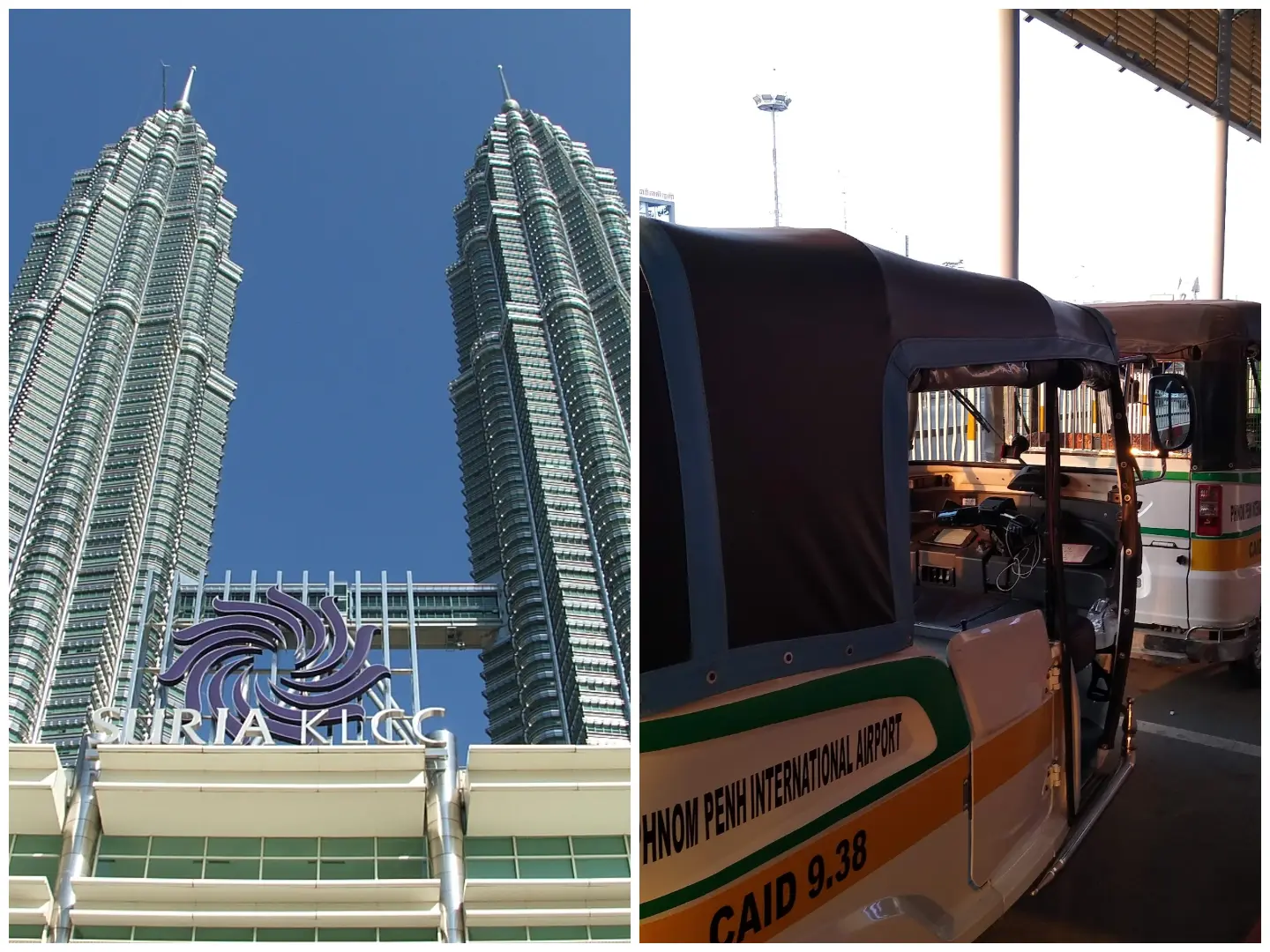
Cambodia is fully dependent on imported oil and relies heavily on LPG and petrol for transport and household use. The country is experiencing severe fuel shortages, particularly in Phnom Penh, where tuk-tuk drivers are queuing for hours at fuel stations. LPG refill prices have surged by over 50 per cent, directly affecting livelihoods, transport costs, and urban mobility.
Indonesia is cushioned by domestic energy production but feels strained
Indonesia, Southeast Asia’s largest economy, is less exposed than its neighbours due to domestic gas production and a more diversified energy mix. While it remains a net oil importer — with around one-third of demand met through imports — only about 20 per cent is sourced from the Gulf. Indonesia is also a net exporter of natural gas, providing additional resilience. However, rising global oil prices are putting pressure on government finances, as fuel subsidies increase. Authorities are accelerating the B50 biodiesel programme to reduce reliance on imported crude.
Laos, a landlocked importer, faces rising energy costs
Laos is entirely dependent on imported oil and gas, largely routed through neighbouring Thailand and regional supply chains linked to the Gulf. This dependence is driving sharp increases in domestic energy prices, adding strain to households and businesses. The government is adopting conservation policies similar to other ASEAN nations to manage demand and reduce pressure on imports.
Myanmar grapples with shortages amid political instability
Myanmar is facing persistent fuel shortages despite limited domestic production, with the situation worsened by political instability and conflict. Fuel imports — many originating from the Gulf via regional intermediaries — have become inconsistent. Domestic gas supply remains unreliable. The military government has imposed strict fuel rationing and odd-even vehicle usage rules to control consumption.