Oil, war and a narrow passage: Why reopening Strait of Hormuz is so difficult

Iran’s blockade of the Strait of Hormuz has stalled global oil flows, and even military force may not quickly restore safe passage
A chokepoint under siege
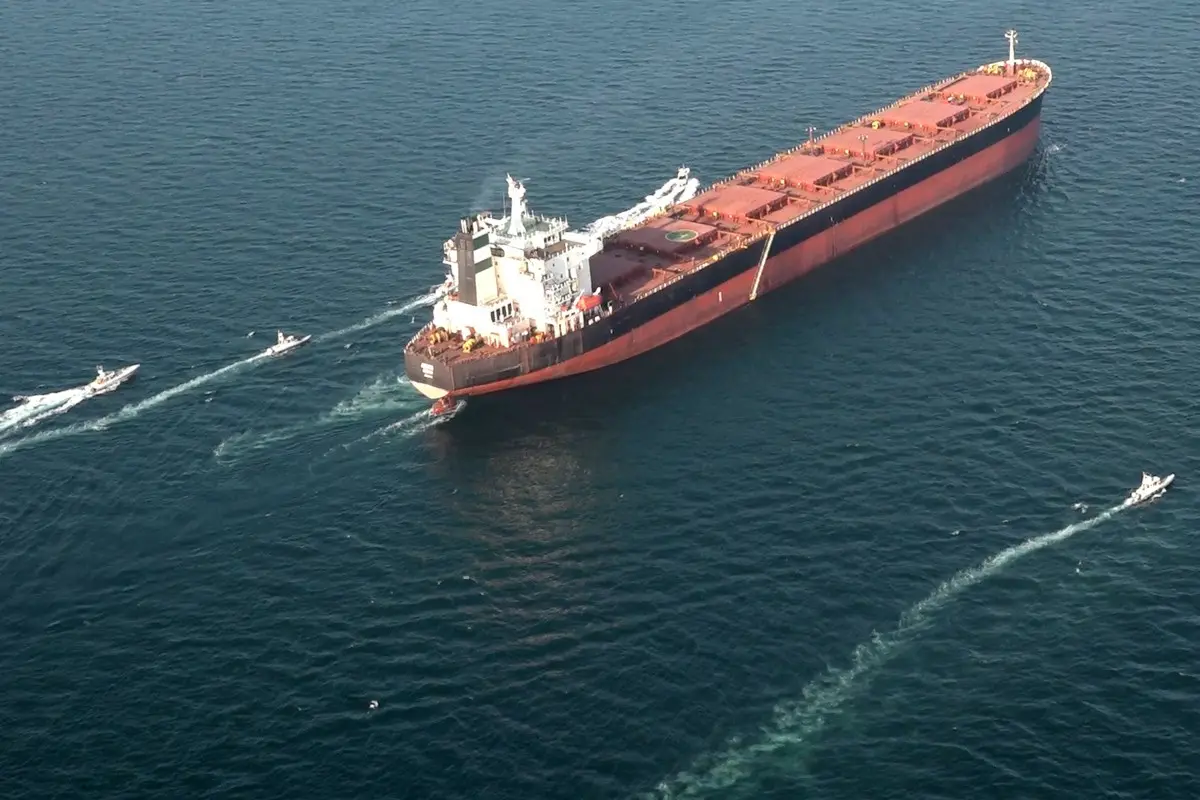
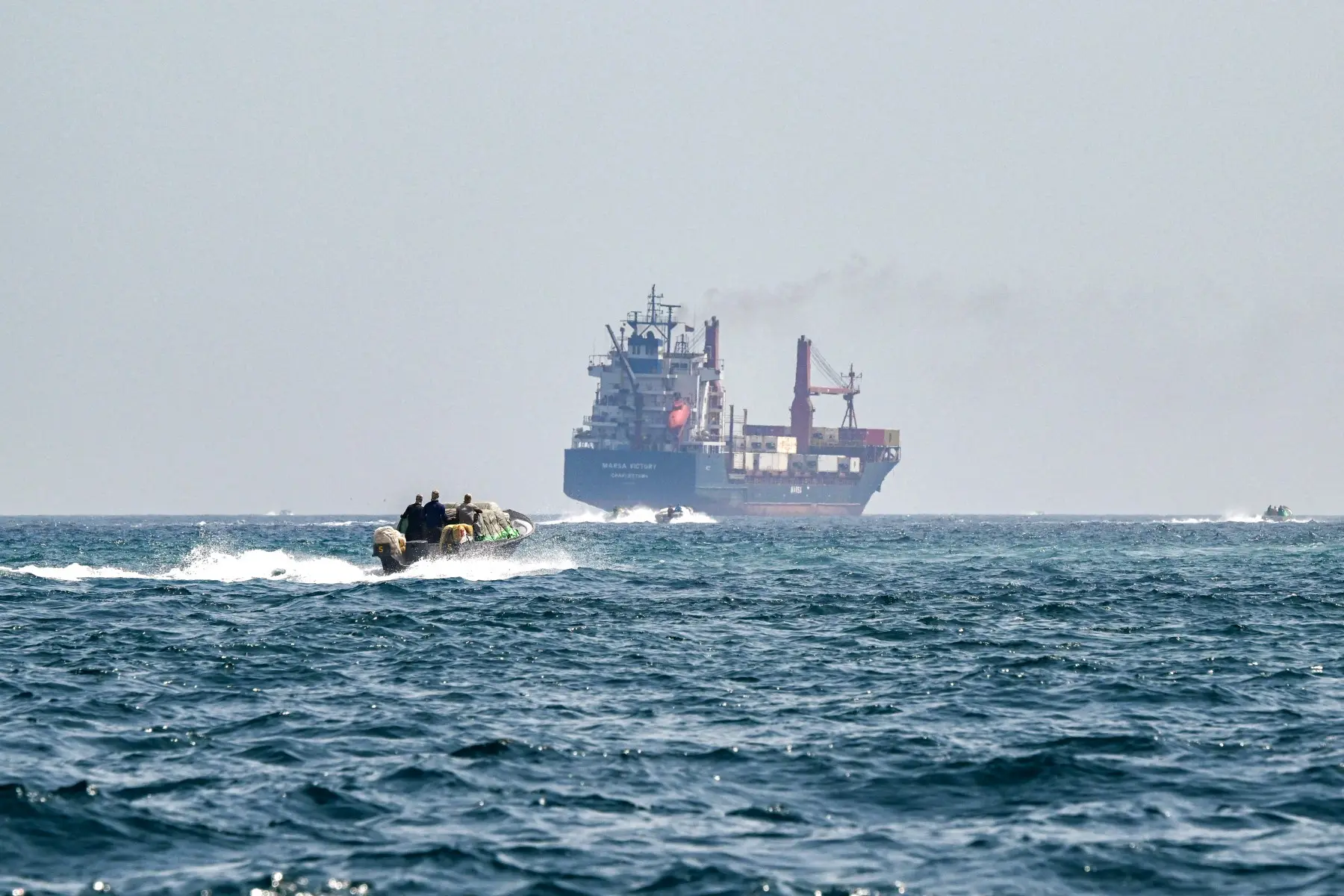
The Strait of Hormuz, one of the world’s most critical energy corridors, has become a flashpoint as tensions escalate between Iran, the United States and Israel. Hundreds of oil tankers now sit idle, unable to safely pass through the narrow waterway. With global markets reacting to supply disruptions, the blockade highlights how vulnerable international trade remains to geopolitical conflict. The crisis underscores the strait’s outsized importance despite its small geographic size.
Geography favours Iran
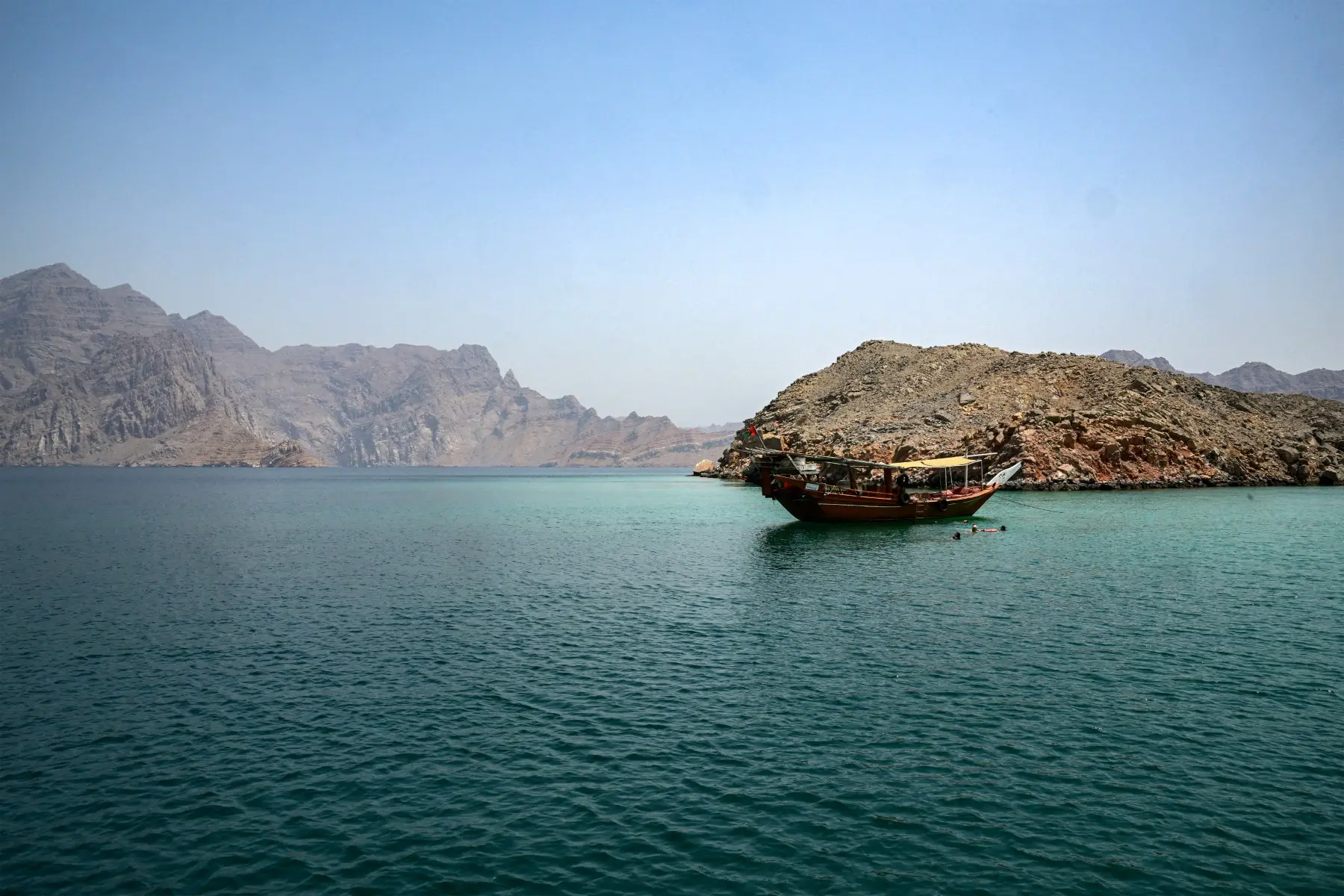
The narrow and shallow waters of the Strait of Hormuz force ships to travel close to Iran’s rugged coastline. This terrain gives Iran a strategic advantage, allowing it to deploy weapons from concealed positions in mountains, caves and tunnels. The short distances reduce reaction time for ships under attack, making defense extremely difficult. Geography alone turns the strait into a natural battlefield where even advanced naval forces face serious operational constraints.
Hidden and mobile threats
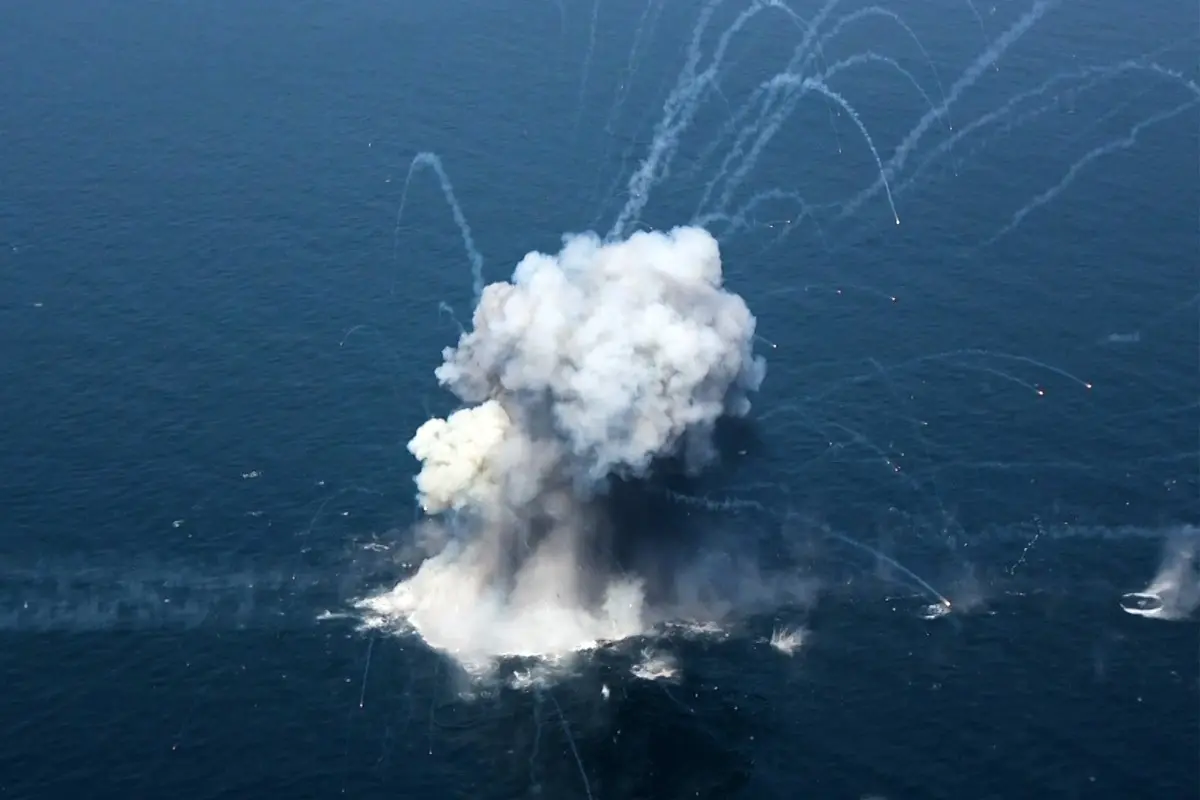
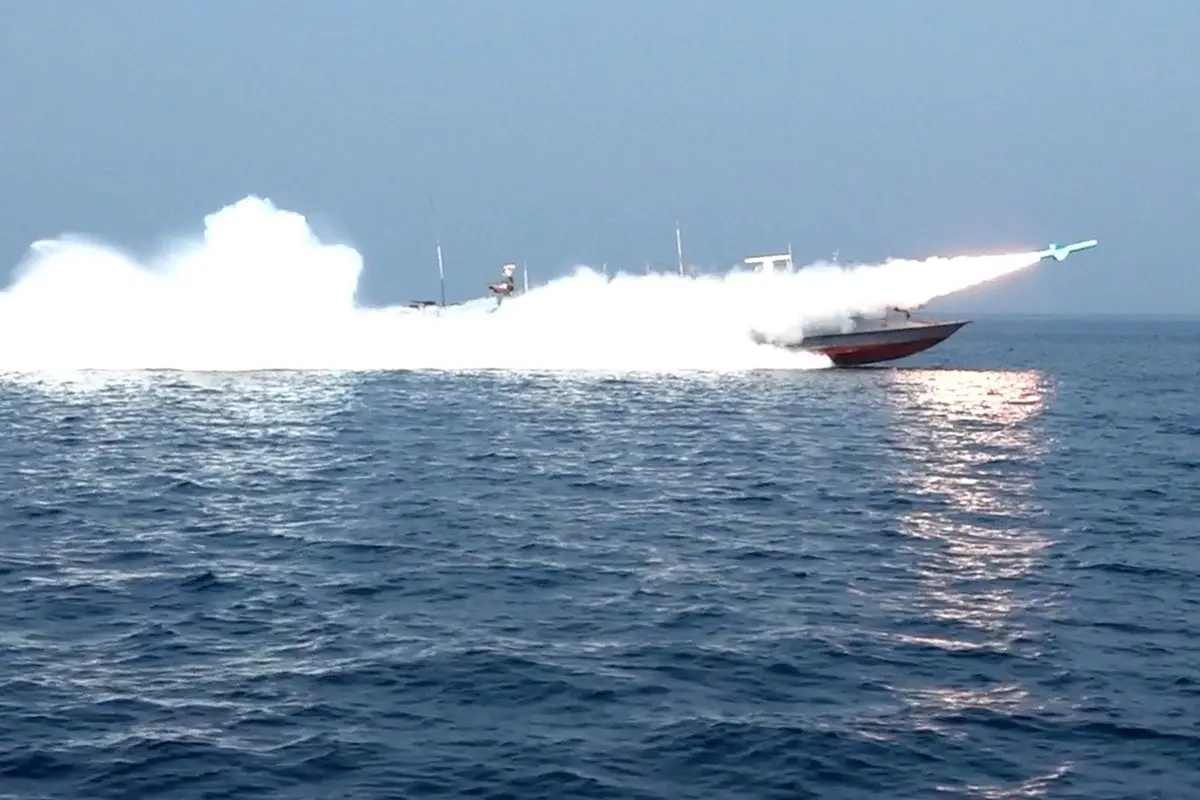
Iran’s military strategy relies on dispersed, mobile systems such as missile launchers and drones that are difficult to detect and destroy. These assets can be relocated quickly, complicating efforts by the United States and Israel to neutralize them. Despite extensive strikes on Iranian positions, the threat persists. The flexibility of these systems ensures that even sustained military campaigns may fail to eliminate the risk to commercial shipping entirely.
The challenge of military escorts
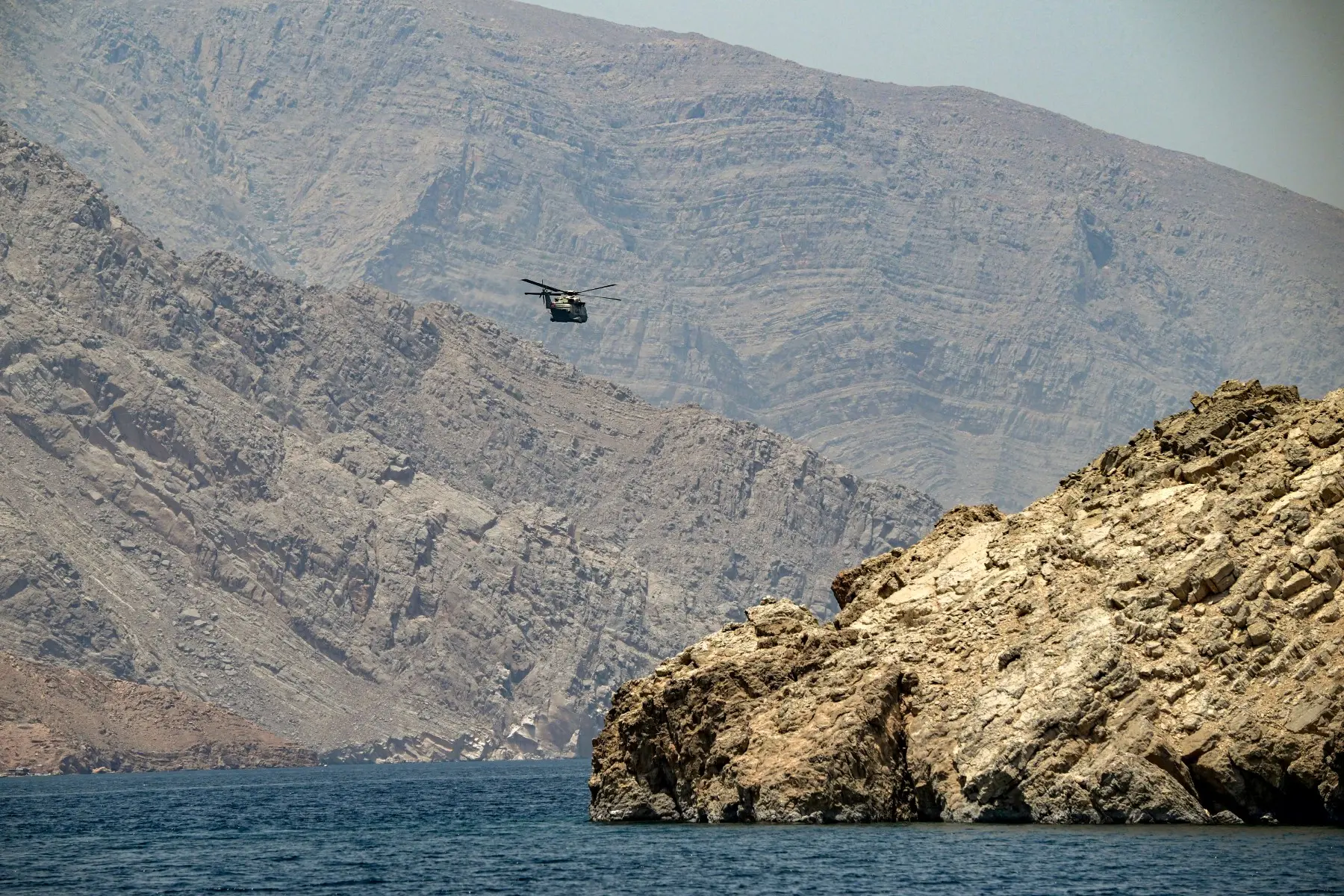
Reopening the strait by force would require a massive military operation involving naval escorts, surveillance aircraft and mine-clearing units. Warships would need to protect tankers from missiles, drones and other threats while navigating confined waters. However, such close-range conditions reduce the effectiveness of traditional naval defenses. Escort missions would also stretch military resources and expose forces to constant danger in a highly volatile environment.
Mines: The invisible danger
Naval mines pose one of the most serious risks in the Strait of Hormuz. Even the suspicion of mines can halt shipping entirely, as clearing operations are slow and hazardous. Minesweepers must work methodically, often under threat of attack, to secure safe passage. This process can take weeks, delaying any meaningful reopening of the route. The presence of mines adds a layer of uncertainty that amplifies fear among shipping companies and insurers.
Confidence is hard to restore
Even if military forces succeed in reducing threats, restoring confidence among tanker operators and insurers will take time. A single attack could deter traffic again, making companies reluctant to risk transit. Before the crisis, dozens of tankers passed daily through the strait, but now most remain stationary. Experts believe only a diplomatic solution can fully stabilize the situation and bring shipping activity back to normal levels.
)
)
)
)
)