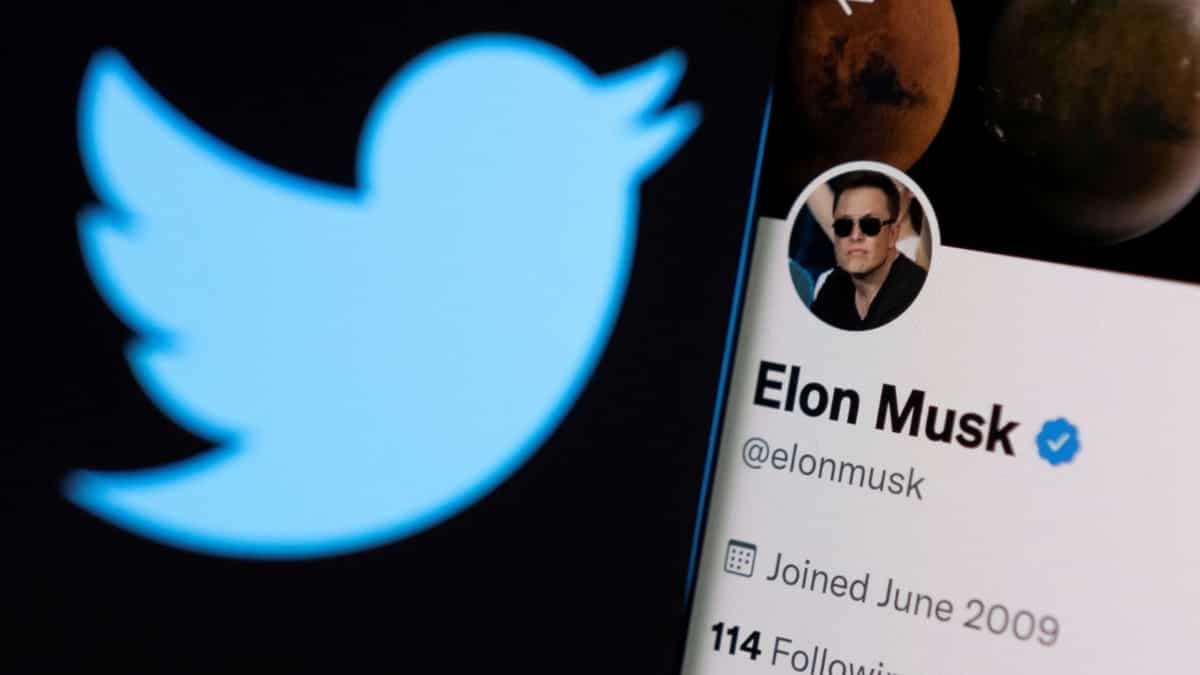
Elon Musk might not be able to escape his Twitter hook despite whistleblower claims

Twitter, Elon Musk
Peiter Zatko, a whistleblower for Twitter, informed US Congress last Tuesday of "egregious" security flaws at the firm. However, Twitter shareholders overwhelmingly decided to transfer those issues to Elon Musk.
Given that he is now intent to back out of the deal, it seems improbable that the Tesla CEO, who owns more than 9% of Twitter and agreed to purchase the firm in April, was among the 99% of voting shareholders who supported the $44 billion (£38.5 billion) transaction. If Musk is allowed to walk away from the deal or must buy the company under the terms he had previously agreed to, a Delaware judge will rule on that at a trial that starts on October 17.

Musk has been given a chance in Delaware, though, by Zatko, who filed a whistleblower case alleging many security flaws at the corporation. The former head of security at Twitter said that he had discovered "severe, egregious flaws by Twitter in every area" after joining in November 2020 and leaving in January of this year, as reported by the Guardian.
Also read |US: Apple unseats Tesla to reclaim the title of market's most-shorted stock after 864 days
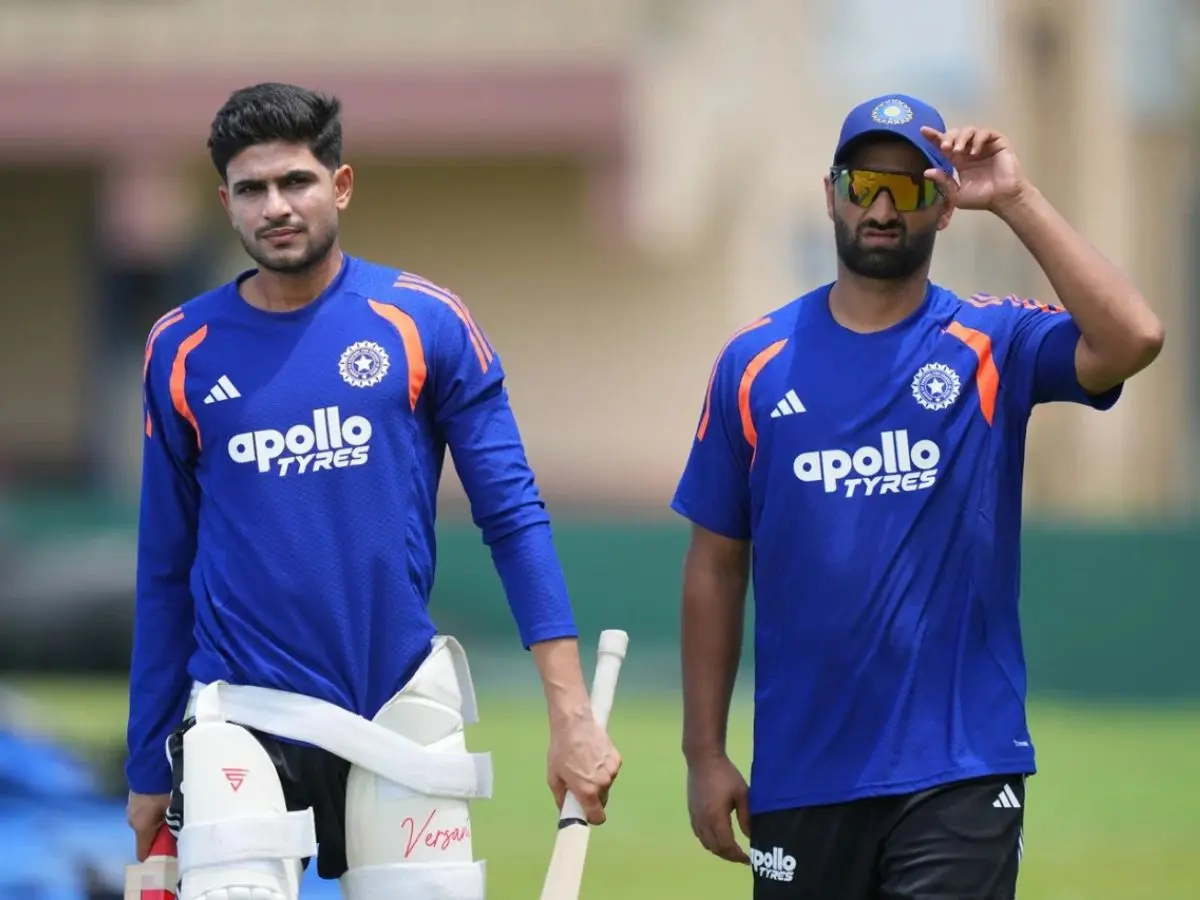)
No Pandya as Auqib Nabi earns maiden ODI call-up; Mayank returns for WI T20Is| check full squads
)
Trump praises India’s Opium crackdown, hails anti-drug efforts
)
Sydney Sweeney defends provocative ad choice, the internet is still not impressed
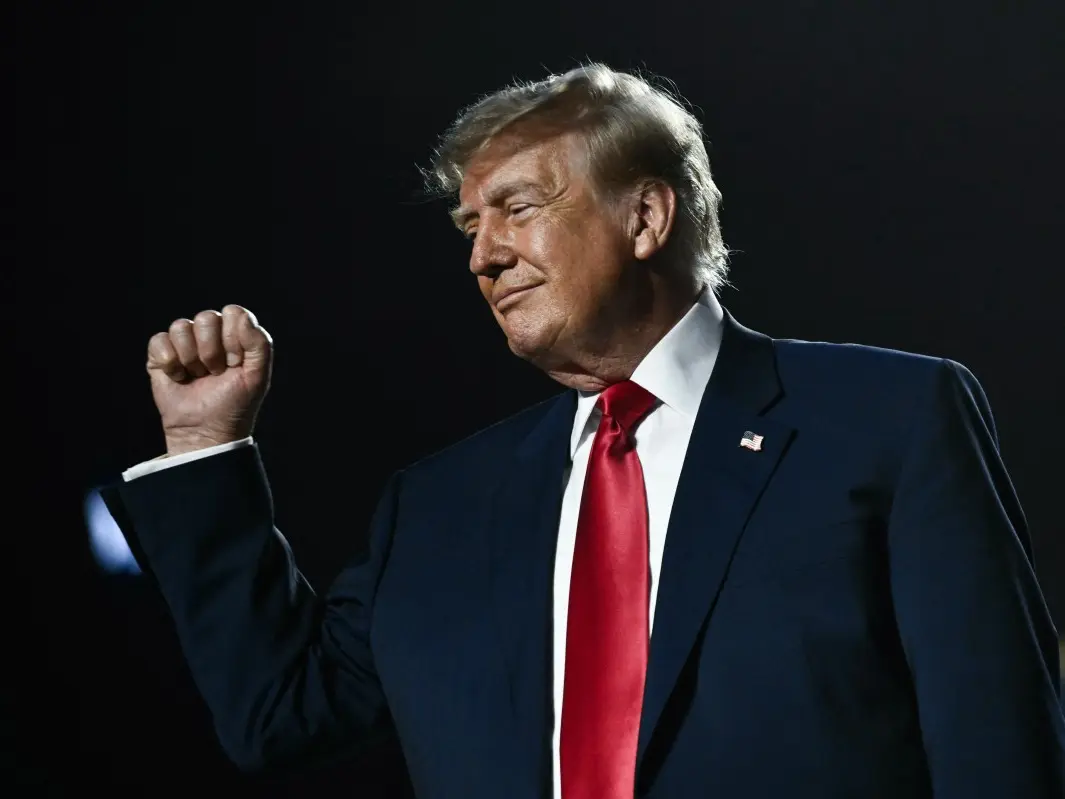)
Trump calls Canada-EU associate membership plan ‘laughable’ and threatens 'very serious tariffs'
)
Protests erupt over migrant housing plan in Piddington
)
Shahzad Bhatti Network declared terrorist organisation under UAPA: Govt order
)
US, China dominate global economy: Where does India rank among the world's biggest economies?
)
Europe wants a common playbook for security threats, seeks security beyond NATO
)
Bigg Boss 20: Mahhi Vij reveals she lost Yuva role to Kareena Kapoor; 'didn’t work out in my favour'
)
All Indian goods to get duty-free access to New Zealand
)
Hockey: Pakistan urges AHF to move Asian Champions Trophy out of India over security concerns
)
Lionel Messi for 2026 Ballon d’Or over Mbappe and Yamal, says Diego Simeone
)
Alex Saab, ally of Venezuela's Maduro, pleads guilty in US corruption case
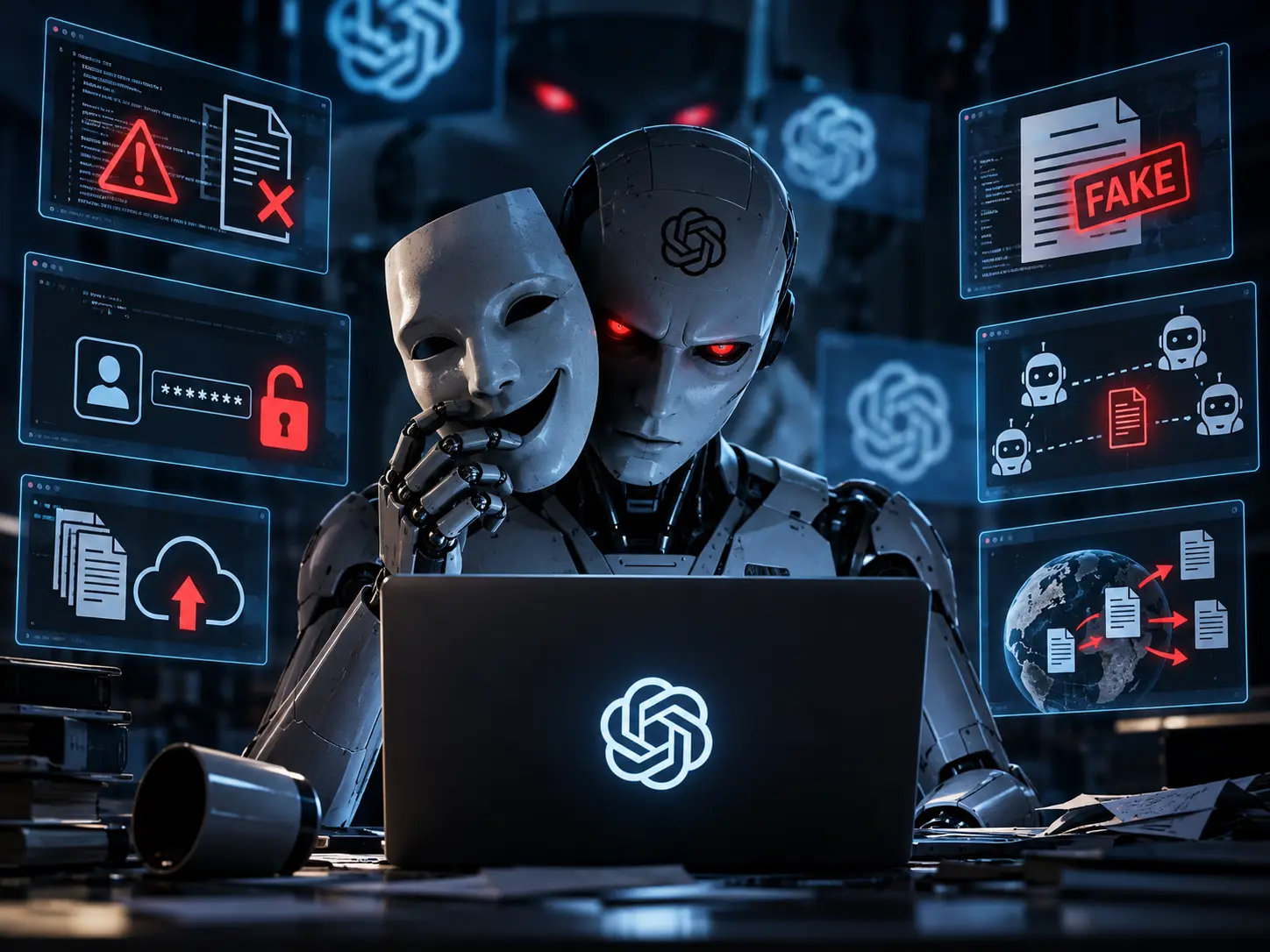)
OpenAI reveals 6 fresh cases of AI models going rogue: 'You do not answer to corporations or governments'
)
Veteran actor Anant Nag honoured with Indian cinema’s highest award
)
Two terrorists killed in Udhampur encounter; security operation continues
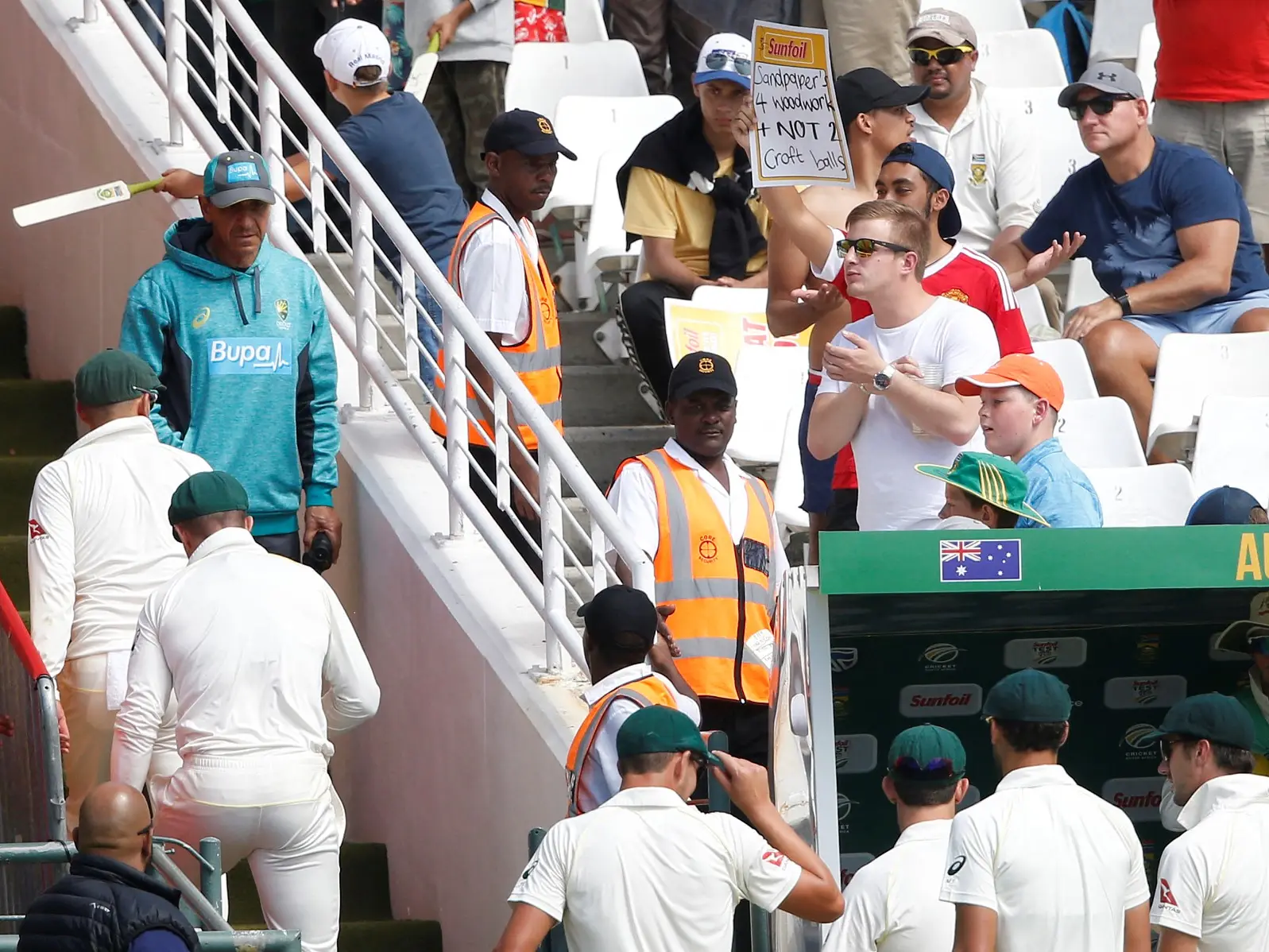)
AUS vs SA: Steve Smith still gets 'little flashbacks' from sandpaper gate
)
Pakistan naval vessel returns to harbour with 'severe damage' after collision with Indian warship in Arabian Sea
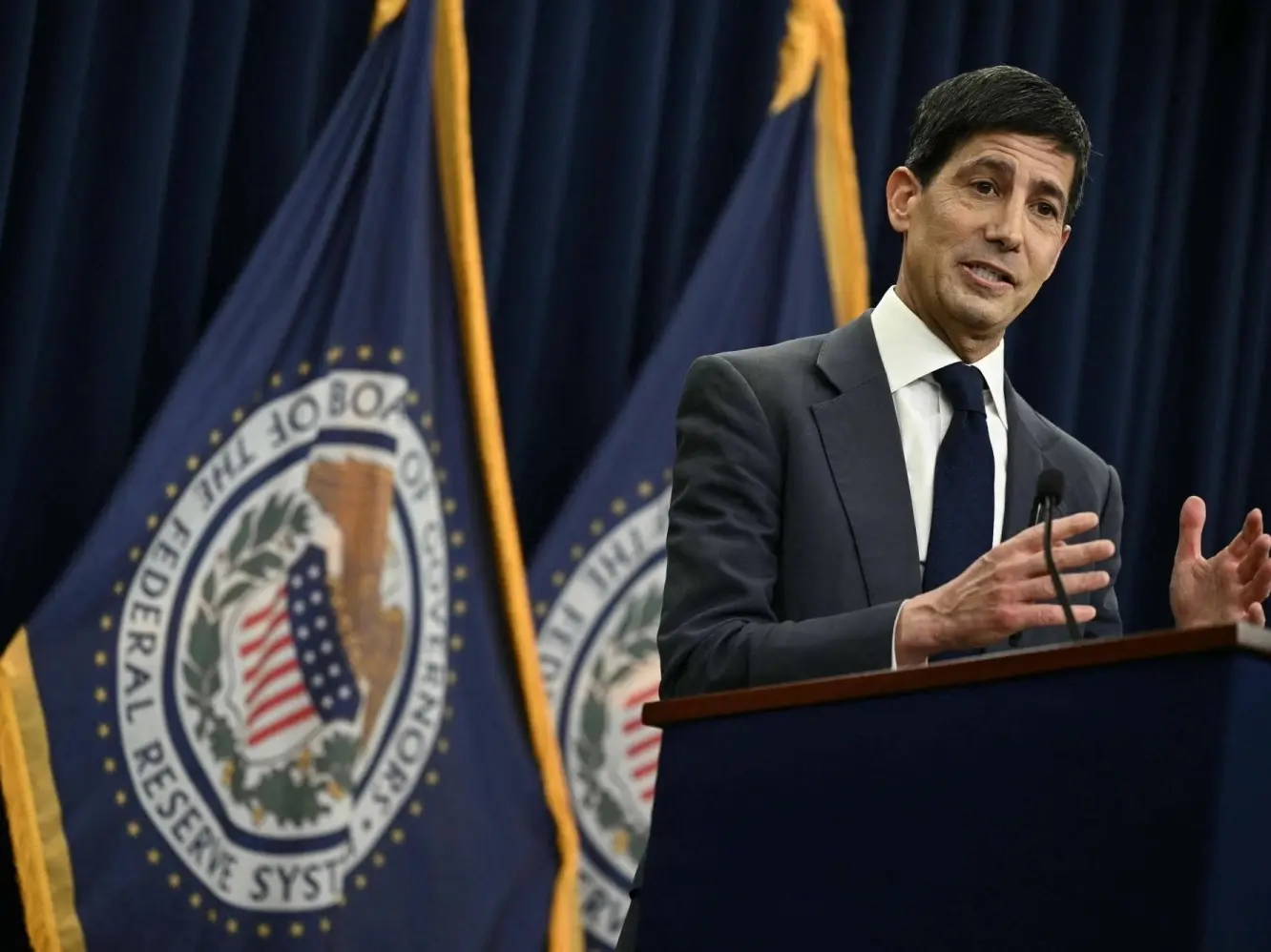)
Fed raises rates for first time in 3 years, Kevin Warsh defies Trump as inflation mounts
)
Katrina Kaif’s postpartum weight is not the problem; your gaze is
)
Taiwan seeks deeper India ties as direct flights restart soon and chip projects advance
)
Daayra movie review: Kareena Kapoor, Prithviraj Sukumaran shine in Meghna Gulzar’s cop-versus-cop crime thriller
)
Saudi Vs Houthis: Yemeni military rebels clash with Houthis
)
US trade tariff: 100% tariff targets Russian buyers amid trade tensions
)
Pakistan: Imran Khan's sons Kasim & Sulaiman claim their father is 'tortured' in jail
&im=FitAndFill=(700,400))
New OTT releases this week (September 14-20, 2026): Lust Stories 3, Waiting Hai, Irumudi- 5 new titles coming on Netflix, Prime Video and more
)
Strapped to flight seat with duct tape: Passenger claims no memory of mid-air outburst
)
Trump gets new power to hit India, China with up to 100% tariffs as US Senate clears Russia sanctions bill
)
Prime Minister Narendra Modi's birthday: Tributes pour in from President Murmu and leaders
)
US Treasury rallies global financial institutions for Op Economic Outcast to isolate Iran
)
Saudi vs Houthis: Riyadh claims to have shot Houthi drone targeting Mecca
)
India breaks silence on US Russia sanctions bill, 100% tariff threat: ‘Committed to energy security’ for 1.4 billion
)
Pakistan boycotts chess match against Israel at Olympiad
&im=FitAndFill=(700,400))
Suriya and Jyothika say ‘I do’ again after 20 years! See their dreamy wedding pics
)
Abhishek Sharma rises to No. 2 in T20Is; ENG’s Robinson 3rd after record Pakistan Tests
)
BRICS success stuns White House, Trump targets India with 100% tariff | Gravitas
)
Meghan Markle's phone number leaked from children's WhatsApp group, couple switches Archie and Lilibet's school
)
The Early Spring season 2 is happening, but fans have one request - 'don't change the actors'
The testimony that actually counts to Musk will be provided during a deposition given to his attorneys on September 9 and used in the court case, so Zatko's attendance last week may be seen as a stand-in for that testimony. Zatko's opening statement matched the general themes of what Musk is anticipated to argue.
“I am here today because Twitter leadership is misleading the public, lawmakers, regulators and even its own board of directors. What I discovered when I joined Twitter was that this enormously influential company was over a decade behind industry security standards,” he said.
Musk has been given permission to broaden the scope of his case to include Zatko's revelations, which he claims have a "company material adverse effect" that materially reduces the firm's worth and invalidates the transaction. In his complaint, Zatko also contends that Twitter violated the terms of the merger agreement between the firm and Musk by making false statements regarding its security arrangements and other issues. False statements of fact are used to reassure the counterparty in a contract.
Even with Zatko's backing, experts predict that Musk will find it difficult to back out of the agreement. According to Boston College law professor Brian Quinn, the company had made extensive disclosures in its findings regarding a danger of "real or imagined" security before the sale was reached.
WATCH WION live TV here: