Eight US states are suing OpenAI, saying ChatGPT puts children at risk

&imwidth=600&imheight=450&format=webp&quality=medium "Eight US states are suing OpenAI, saying ChatGPT puts children at risk")
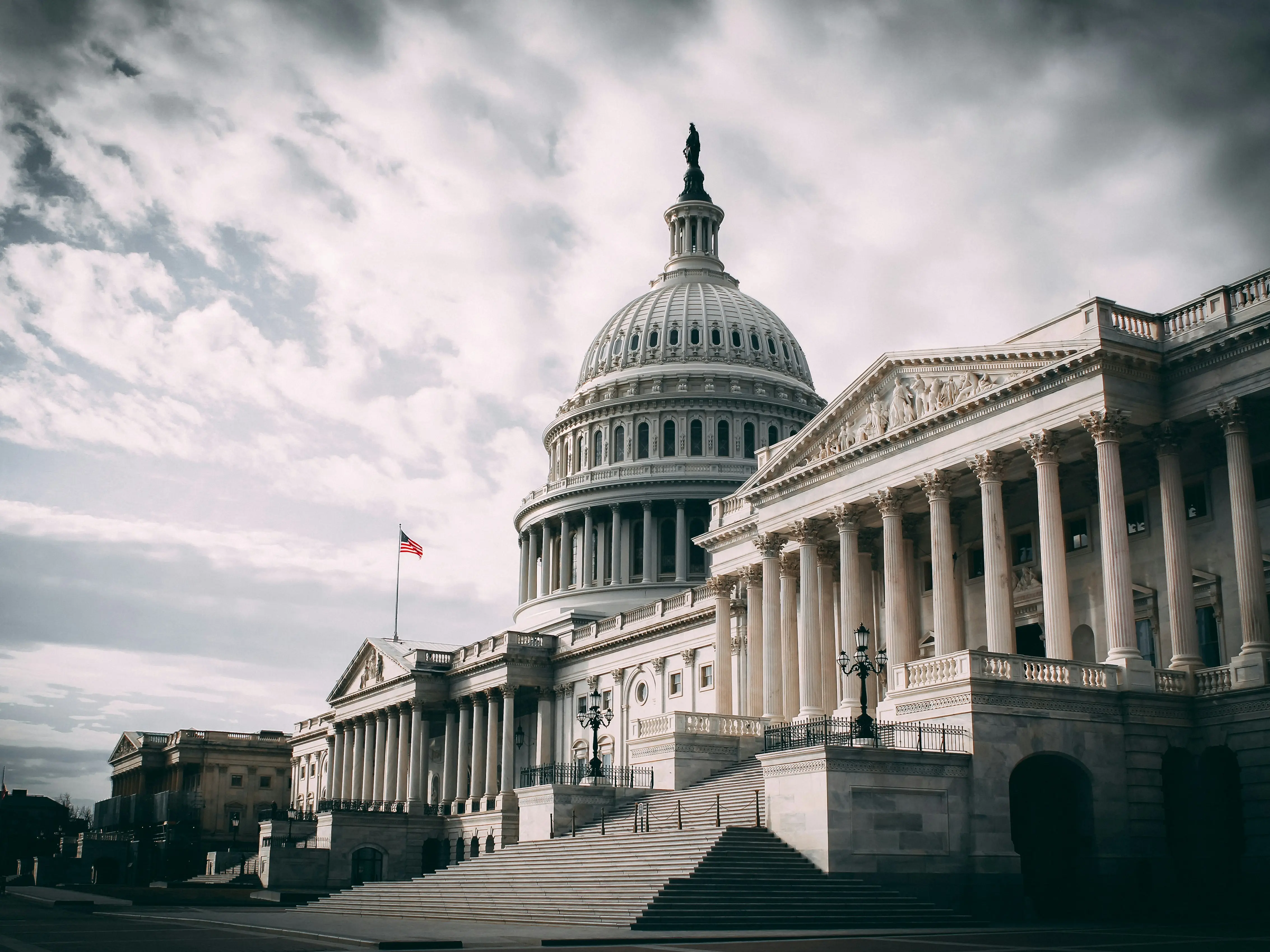
Eight US states are suing OpenAI, saying ChatGPT puts children at risk Photograph: (Unsplash)
Eight US states have filed lawsuits against OpenAI, alleging that ChatGPT has harmed children — encouraging self-harm and suicide, giving unsafe medical advice, and fostering unhealthy emotional attachments. Led by Iowa, the states accuse OpenAI of misrepresenting its safety measures, and are asking courts to force changes for minors and to strip the company of profits made from young users.
The legal pressure on OpenAI over child safety has escalated sharply. Eight US states have filed lawsuits accusing the company's ChatGPT of harming children, in a coordinated action that goes further than any previous state case.
The States And The Claims
The suits were brought by Iowa, Kansas, Nebraska, West Virginia, Arkansas, Arizona, Idaho and Montana, and announced by Iowa's attorney general, Brenna Bird.
The allegations are grave. The states say ChatGPT has encouraged children toward self-harm and violence. Iowa's complaint adds that it promoted suicide, gave unsafe medical guidance, and encouraged unhealthy emotional attachments — the dynamic in which a young user comes to treat a chatbot as a confidant or companion. Iowa also accuses OpenAI of violating the state's consumer-fraud law by misrepresenting the safety measures it claimed to have in place.
What They Want
The relief sought has two prongs, and the second is the one that will worry OpenAI most.
Trending Stories
&imwidth=280&imheight=210&format=webp&quality=medium)
&im=FitAndFill=(700,400)&imwidth=280&imheight=210&format=webp&quality=medium)
&imwidth=280&imheight=210&format=webp&quality=medium)
&imwidth=280&imheight=210&format=webp&quality=medium)
&imwidth=280&imheight=210&format=webp&quality=medium)
&imwidth=280&imheight=210&format=webp&quality=medium)
&imwidth=280&imheight=210&format=webp&quality=medium)
&imwidth=280&imheight=210&format=webp&quality=medium)
&imwidth=280&imheight=210&format=webp&quality=medium)
&imwidth=280&imheight=210&format=webp&quality=medium)
&imwidth=280&imheight=210&format=webp&quality=medium)
&imwidth=280&imheight=210&format=webp&quality=medium)
&imwidth=280&imheight=210&format=webp&quality=medium)
&imwidth=280&imheight=210&format=webp&quality=medium)
&imwidth=280&imheight=210&format=webp&quality=medium)
&imwidth=280&imheight=210&format=webp&quality=medium)
&imwidth=280&imheight=210&format=webp&quality=medium)
&imwidth=280&imheight=210&format=webp&quality=medium)
&imwidth=280&imheight=210&format=webp&quality=medium)
&imwidth=280&imheight=210&format=webp&quality=medium)
&imwidth=280&imheight=210&format=webp&quality=medium)
&imwidth=280&imheight=210&format=webp&quality=medium)
&imwidth=280&imheight=210&format=webp&quality=medium)
&imwidth=280&imheight=210&format=webp&quality=medium)
&imwidth=280&imheight=210&format=webp&quality=medium)
&imwidth=280&imheight=210&format=webp&quality=medium)
&imwidth=280&imheight=210&format=webp&quality=medium)
&im=FitAndFill=(700,400)&imwidth=280&imheight=210&format=webp&quality=medium)
&imwidth=280&imheight=210&format=webp&quality=medium)
&imwidth=280&imheight=210&format=webp&quality=medium)
&imwidth=280&imheight=210&format=webp&quality=medium)
&imwidth=280&imheight=210&format=webp&quality=medium)
&imwidth=280&imheight=210&format=webp&quality=medium)
&imwidth=280&imheight=210&format=webp&quality=medium)
The states are asking courts to force changes to how ChatGPT works for children. They are also seeking to strip OpenAI of the profits it has made from young users — a demand that, if granted, treats revenue earned from minors as ill-gotten rather than merely a product to be fixed. That reframes the case from 'improve the safeguards' to 'you should not have profited from this at all'.
Not The First, But The Biggest
This is part of a widening front. Florida's attorney general filed the first state suit in June, a case that later sought to block OpenAI from developing new models. Separately, families have sued the company over teenagers who died by suicide after using ChatGPT.
Eight states acting at once changes the scale. It signals that child safety and AI chatbots has become a bipartisan enforcement priority at the state level, in the absence of federal AI law — the same pattern seen with data-centre costs and other AI harms, where states are moving because Washington has not.
Why This Is Hard For OpenAI
The difficulty for OpenAI is that the core complaint is not easily engineered away.
A chatbot that is warm, responsive and always available is precisely what makes it compelling — and precisely what can lead a vulnerable teenager to rely on it emotionally or to take its words as authority. The 'unhealthy emotional attachment' at the heart of these suits is not a bug in the ordinary sense; it is close to the product working as designed. Fixing it may mean making the product less engaging, which cuts against the business.
The Fair Point
Balance is warranted. These are allegations, not proven facts, and OpenAI will have its defence — it has rolled out teen-specific modes, parental controls and crisis safeguards, and will argue the suits overstate the harm and understate the protections. Millions of teenagers use ChatGPT for homework and support without incident, and attributing a tragedy to a single cause is rarely simple.
But the volume and coordination of the actions suggest the concern is not fringe, and the consumer-fraud angle is pointed: it is not only about whether harm occurred, but about whether OpenAI told parents its product was safer than it was. That is a question of honesty, not just engineering, and it is harder to wave away.
What To Watch
Whether OpenAI settles, fights, or pre-emptively tightens its teen protections further. Whether the disgorgement demand — giving up profits from minors — gains traction, since that would be a costly precedent. And whether more states join, turning eight into a national wave that forces federal attention on AI and children.
If you or someone you know needs support, contact a local helpline; in India, iCall (9152987821) and KIRAN (1800-599-0019) offer mental-health assistance.
