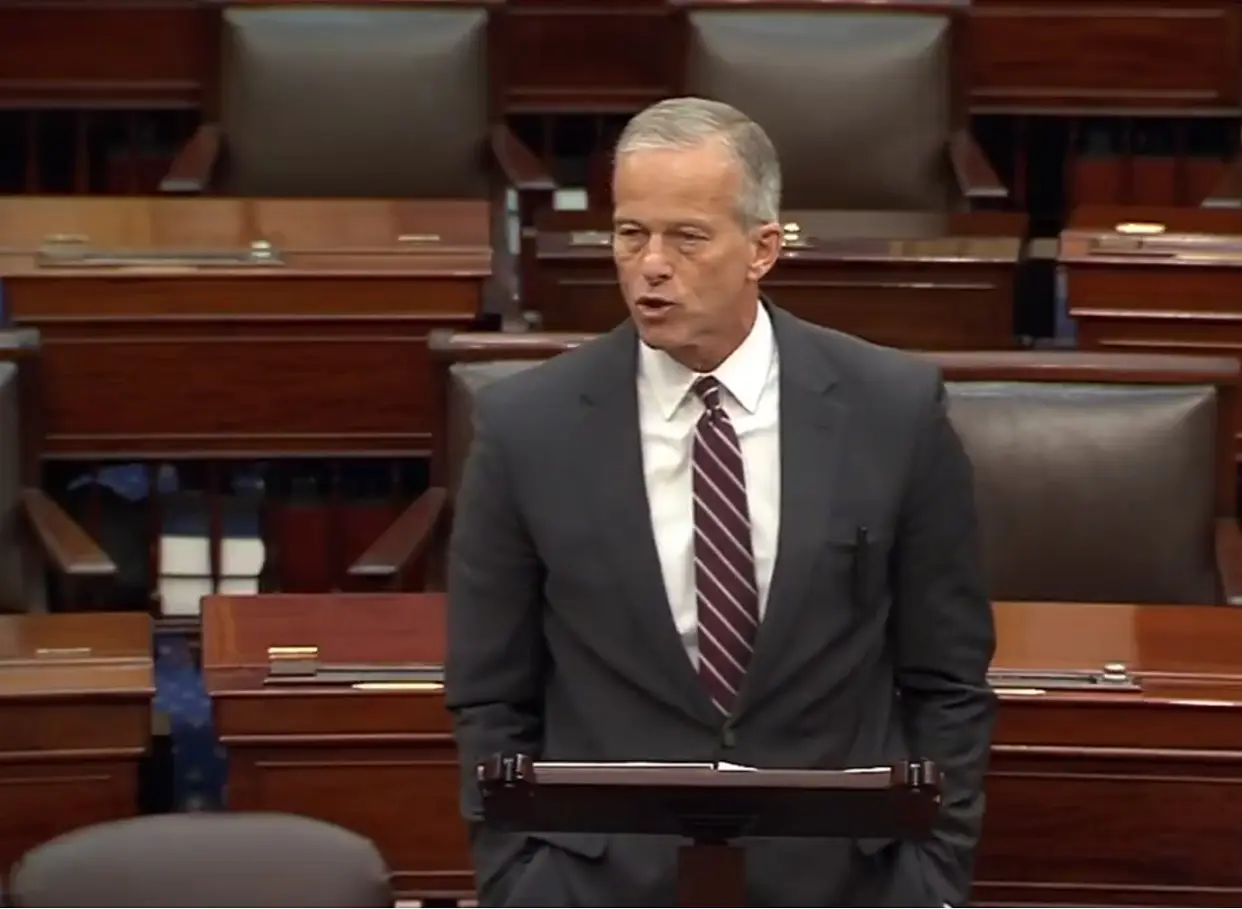
Dutch centrist D66 party wins most votes; Rob Jetten likely to become youngest PM

&imwidth=600&imheight=450&format=webp&quality=medium "Dutch centrist D66 party wins most votes; Rob Jetten likely to become youngest PM")
Dutch centrist party D66 leader Rob Jetten Photograph: (AFP)
The pro-EU, liberal D66 tripled its seat count with an upbeat campaign and heavy advertising spending, while Wilders lost a large part of the support that had propelled him to a shock victory at the previous poll in 2023. The D66—short for Democrats 66, founded in 1966—made significant gains.
Dutch centrist party D66 won the most votes in Wednesday’s general election, and its 38-year-old leader, Rob Jetten, is on course to become the youngest-ever prime minister in the Netherlands. With almost all votes counted, D66 can no longer be overtaken by the far-right Freedom Party (PVV) led by Geert Wilders, said news agency ANP, which collects the results from all municipalities in the Netherlands. D66 is now expected to take the lead in a first round of talks to form a coalition government, a process that usually takes months. The party secured around 18% of the votes and will need at least three coalition partners for a simple majority in the 150-seat Lower House of Parliament.
The pro-EU, liberal D66 tripled its seat count with an upbeat campaign and a surge in advertising spending, while Wilders lost a large part of the support that had propelled him to a shock victory at the previous poll in 2023.
The D66—short for Democrats 66, founded in 1966—made significant gains, rising from just nine seats in parliament to 26, and is likely to gain a residual seat, bringing its total to 27.
Also Read: ‘Usha has no plans to convert…’: JD Vance clarifies after backlash over his remarks on wife’s faith
The election turned out to be a nailbiter, as preliminary results indicated a narrow victory for D66, while the PVV briefly pulled ahead towards the end of the count.
Trending Stories
)
)
)
)
)
)
&im=FitAndFill=(700,400))
)
)
)
)
)
)
)
)
)
)
)
)
&im=FitAndFill=(700,400))
)
)
)
)
)
)
)
)
)
)
)
)
)
)
&im=FitAndFill=(700,400))
)
)
)
)
Wilders had said he would seek the first crack at forming a coalition if his party gets the most votes though all mainstream parties had ruled out working with him.
The final result will be confirmed on Monday, when mail ballots cast by Dutch residents living abroad are counted.
The liberal centrist party was last in government during the final term of former PM Mark Rutte, which fell in 2023 following a crisis over asylum. Jetten himself served as minister for climate and energy policy until 2024.
Jetten campaigned hard for a return to “progressive” politics, focusing on green energy to keep energy costs down, building cities to tackle the housing crisis and easing the strain on the healthcare system by prioritising illness prevention.
WATCH: Nuclear brinkmanship returns as east-west tensions explode