Dramatic rescue at sea: Catamaran survives shark attacks in coral sea


A view shows the boat that carried three people who were rescued from the Coral Sea
In a daring maritime rescue operation, three individuals were saved from a dire situation in the Coral Sea, just off the coast of Cairns, Australia. Their catamaran had suffered severe damage during a series of shark attacks.
The Australian Maritime Safety Authority (AMSA) orchestrated the early morning rescue, which took place approximately 835 kilometresaway from Cairns. The distress signal received from the vessel prompted this swift response.
Rescue coordination

At 1:30 am, AMSA sprang into action upon detecting an emergency beacon, registered under the Russian flag. The beacon emanated from the nine-metreinflatable catamaran named "Tion," which had embarked on its journey from Vanuatu with Cairns as its intended destination. The statement issued by AMSA confirmed that multiple shark assaults left both of the catamaran's hulls damaged, as reported by Reuters.
Multi-pronged rescue efforts
)
Trump-Xi Summit: Trade, Taiwan and the red lines shaping US-China talks | Race To Power
)
US judge questions Trump’s decision to ban CNN, MS NOW and Politico from White House
)
Afghan woman cyclist who disguised herself as a boy to escape Taliban, wins Asian Games medal
)
Trump signs Greenland security deal with Denmark, paving way for two new US military bases
)
IND vs JPN T20I: How an overturned wide became point of difference between India's win and a tie
)
IIT Bombay CCTV footage emerges: Sahil Wakode seen looking at phone in examination hall
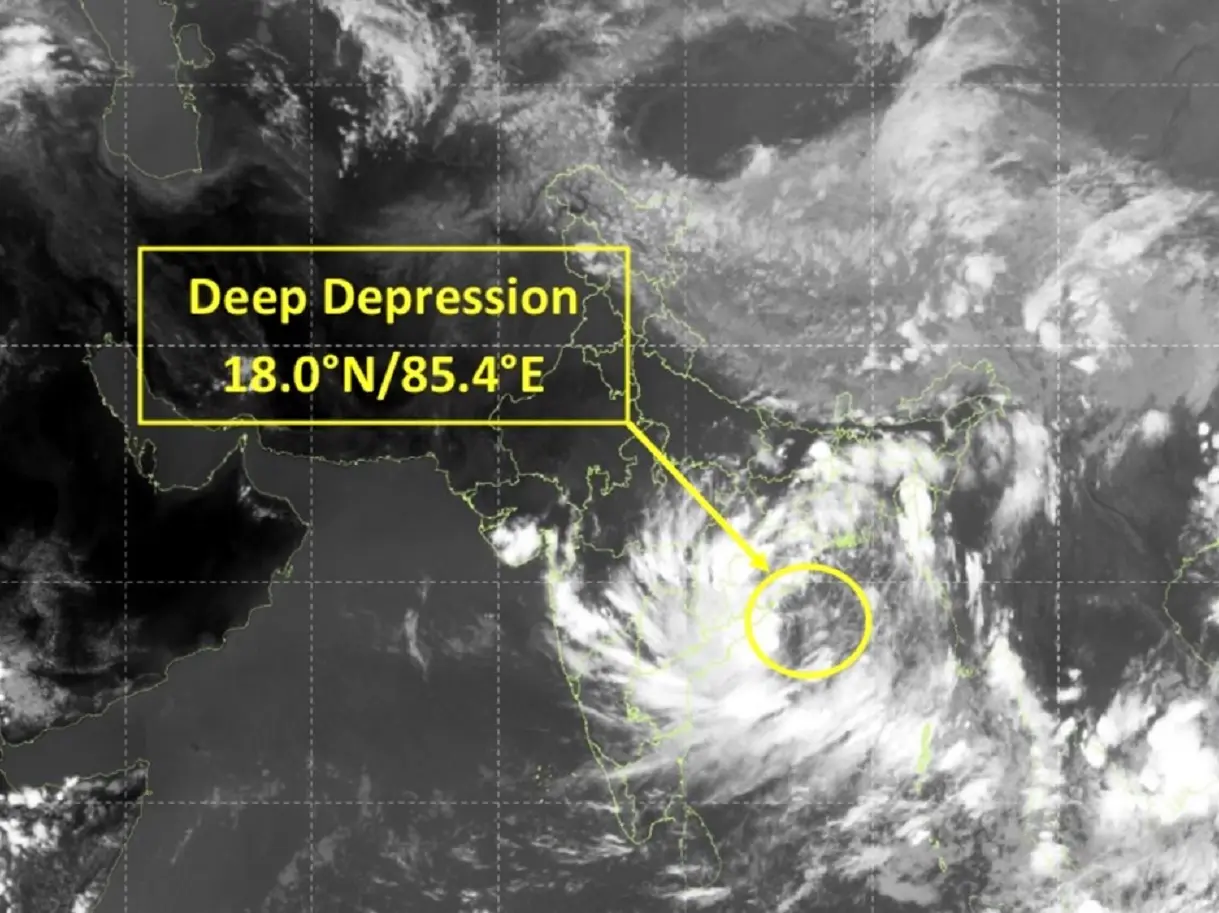)
Cyclone Arnab: Landfall expected before midnight tomorrow as IMD issues orange alerts across six states
)
NBA player Steven Adams shares hilarious GTA VI theory
)
TMC revives impeachment push against CEC Gyanesh Kumar after report of internal dissent
)
WION Iconic Tourism Summit 2026: Union Minister Shekhawat on 'experiential travel', peace diplomacy
)
ICC plans T20I expansion and fewer ODIs in 2027–2031 FTP cycle: Report
)
'AI got into my speech': Prince Harry jokes after teleprompter failure at event in New York
)
WION Iconic Tourism Summit: Seychelles envoy says India partnership is important for Seychelles
)
Scientists detect first radio signals directly from faraway planet
)
China to test supersonic jet that moves at Mach 2, double the speed of sound
)
WION Iconic Tourism Summit: 'Hanuman Ansh' Director on blockbuster success
)
Open AI, Anthropic CEO urges caution over rapid AI development at UN Security Council, call for 'extreme care'
)
Bomb scare in New York amid UNGA: Suspicious suitcase found near UN headquarters
)
Hours before Xi-Trump meeting, US announces visa curbs targeting birth tourism: What is it?
)
WION Iconic Tourism Summit: Is India's travel boom outrunning its airports, airlines and hotels?
)
WION Iconic Tourism Summit and Awards 2026: Key voices to discuss India’s tourism future
)
Trump-Xi state dinner 2026: Who is invited? Full guest list of tech CEOs, business leaders and officials
)
American manufacturing is reshoring faster than its factory floors can absorb
&im=FitAndFill=(700,400))
New OTT releases this week (September 21-27, 2026): Shaque: Trust No One, Hunkkaar, Don’t Be Shy- 5 new titles coming to Netflix, Prime Video and more
)
WATCH | China President Xi Jinping lands in US as Trump greets him ahead of high-stakes summit
)
'What kind of confession is this?': Pakistan PM Shehbaz Sharif’s 'terrorists would be roaming New York' remark goes viral, raises alarm online. Watch
)
WION Iconic Tourism Summit: How local tourism MSMEs must upskill for AI integration
)
Elephants hide behind trees, stage surprise attack on poachers targeting rhinos in South Africa
)
'Putin is patient zero': Zelensky slams Russian president at UNGA, accuses him of using fighters from 47 countries
&im=FitAndFill=(700,400))
National Film Awards 2026: Kartik Aaryan, Mammootty, Yami Gautam, Randeep Hooda and other key winners
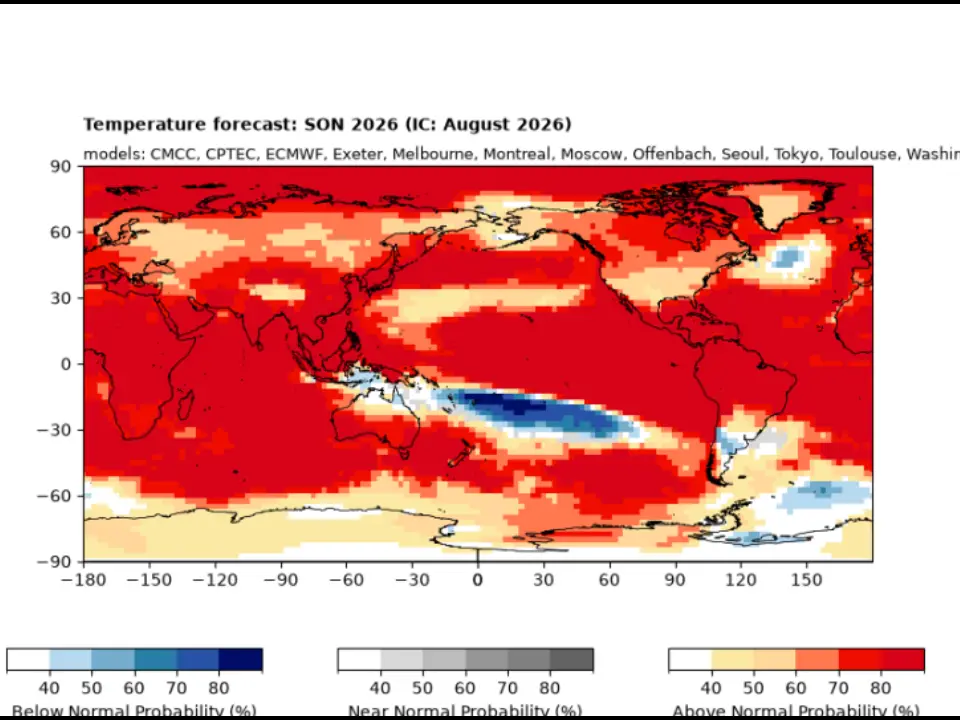)
El Niño 2026 heats up to become strongest in 1,000 years
)
Israeli envoy to US Yechiel Leiter’s son critically injured in West Bank ramming attack
&im=FitAndFill=(700,400))
Trump welcomes Xi Jinping in rare airport gesture: Photos from Chinese President's arrival in US
)
Anne Hathaway to run in supporting race for Nolan's epic
)
From Gaddafi tearing up UN Charter to Trump’s ‘escalatorgate’: Most unforgettable UNGA moments
)
Xi-Trump meeting: China’s human rights red line and past protests explained
Facing this dire predicament, AMSA called upon the assistance of the Panama-flagged vehicle carrier, the Dugong Ace. Additionally, they deployed the challenger rescue aircraft based in Cairns to the location of the distressed vessel.
The operation concluded on a triumphant note as the Dugong Ace successfully saved the three individuals onboard, consisting of two Russian nationals and one French citizen. They are expected to reach Brisbane safely by Thursdaymorning.
AMSA took this opportunity to emphasise the importance of carrying a distress beacon when navigating the open waters. This incident serves as a poignant reminder of the necessity of being prepared for emergencies at sea.
Australia stands out as a global hub for dangerous wildlife, particularly in the realm of marine predators, with nearly 200 shark species making its waters their home.
February this year witnessed a tragic incident in which a 59-year-old Australian tourist fell victim to a shark attack while swimming near a pontoon in New Caledonia, a French Pacific territory. The attack occurred 150 metresoffshore, emphasising the proximity of these predators to recreational beachgoers.
Experts have pinpointed great white sharks as the primary culprits of attacks on humans, closely followed by tiger sharks, underlining the heightened risk swimmers may face in Australian waters.
Also watch |Indonesian conservationists save wild sharks using 'trackers'
Aside from bull sharks, tiger sharks, and great white sharks, even in regions far beyond Australia, interactions between sharks and humans are a cause for concern. Recently, Kevin Christopherson, a wildlife photographer, captured startling footage at San Onofre State Beach in the US, revealing just how closely sharks can approach unsuspecting beachgoers.
Adding to the apprehension, a recent study conducted by California State University unveiled that sharks frequently swim closer to humans than previously assumed. Over two years, researchers conducted more than 1,500 drone flights in southern Santa Barbara County and central San Diego County. The findings indicated that sharks were observed in proximity to humans on 97% of the surveyed days, often within 50 yards of wave breaks. Surfers and stand-up paddleboarders, in particular, were found to be in closer proximity to these marine predators. This study underscores the importance of vigilance and safety precautions when sharing waters with these remarkable yet potentially perilous creatures.
(With inputs from agencies)
WATCH WION LIVE HERE: