Donbas becomes root cause of contention amid Russia-Ukraine peace talks: Why Putin calls it a part of Russia

&imwidth=600&imheight=450&format=webp&quality=medium "Donbas becomes root cause of contention amid Russia-Ukraine peace talks: Why Putin calls it a part of Russia")
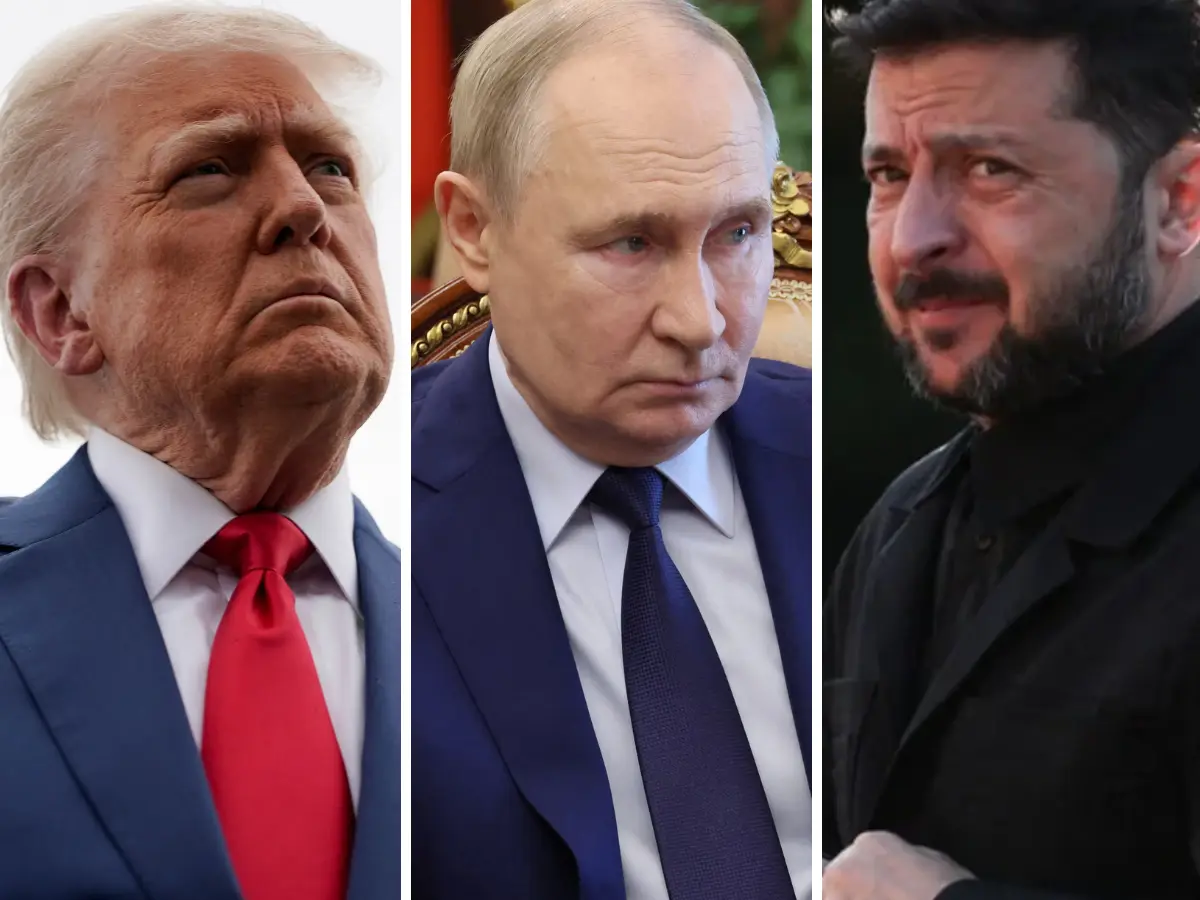
US President Donald Trump, Russian President Vladimir Putin and Ukrainian President Volodymyr Zelensky Photograph: (Reuters)
Six months into his return, Trump has yet to deliver on his promise to end the Russia-Ukraine war. His proposed territorial swap, focused on Donbas, faces strong resistance from Zelensky. Rich in resources and historically Russian-speaking, Donbas remains a key flashpoint for both sides.
United States President Donald Trump, during his campaign for the presidency, claimed that he would end the Russia-Ukraine war "within 24 to 48 hours" if re-elected. Six months after coming to the White House again, he is still unable to chart out a plan to strike a peace deal between Russia and Ukraine to end the war. While Trump is desperate to turn this failure into an achievement, the Russia-Ukraine peace deal contains more than one contention. Ahead of Trump's high-stakes meeting with Putin this week, the US president hinted at a ‘swap of territories," but his Ukrainian counterpart Zelensky rejected the proposal. After Trump met with both Zelensky and Putin, a territory swap seems the major bone of contention in the peace deal, with the Donbas region serving as the talking point. So, what is it about the Donbas region that both Russia and Ukraine do not want to give up on it?
Russia-Ukraine war and Donbas region
Donbas – Ukraine’s industrial heartland in the east – is rich in coal and heavy industry. As per a report by The Guardian, Russia currently controls around 46,570 square kilometers of the Donbas region, including all of Luhansk and most of Donetsk. However, Ukraine still holds several key cities and strong defensive positions in Donetsk. Over 250,000 civilians remain in the Ukrainian-held areas of the region. Viktor Yanukovych, the former president of Ukraine who was backed by Russia, was born in Donetsk and was based in the Donbas region. He played an indirect role in helping Russia with the annexation of Crimea in 2014. Zelensky banked on anti-Moscow sentiments after the Crimean annexation and defeated Victor in the 2019 Ukrainian election. Almost seven years after Crimea's annexation, when Putin launched an attack on Ukraine, he described it as a military operation to protect the people of the Donbas region.
Like Crimea, Russia justifies the takeover of the region, stating that it has a large Russian-speaking population. The reason for the presence of the Russian-speaking population has been attributed to significant migration during the Soviet era, when the area’s mines and steelworks were developed into a major economic hub of the USSR. Kremlin has long accused Kyiv of discriminating against the people of the Donbas region. Now, as Putin expresses his intention regarding Donbas internationally, Ukraine has warned that conceding Donbas would be like giving Russia a launchpad for deeper advances into central Ukraine.
Trending Stories
&imwidth=280&imheight=210&format=webp&quality=medium)
&imwidth=280&imheight=210&format=webp&quality=medium)
&imwidth=280&imheight=210&format=webp&quality=medium)
&imwidth=280&imheight=210&format=webp&quality=medium)
&imwidth=280&imheight=210&format=webp&quality=medium)
&imwidth=280&imheight=210&format=webp&quality=medium)
&imwidth=280&imheight=210&format=webp&quality=medium)
&imwidth=280&imheight=210&format=webp&quality=medium)
&imwidth=280&imheight=210&format=webp&quality=medium)
&imwidth=280&imheight=210&format=webp&quality=medium)
&imwidth=280&imheight=210&format=webp&quality=medium)
&imwidth=280&imheight=210&format=webp&quality=medium)
&imwidth=280&imheight=210&format=webp&quality=medium)
&imwidth=280&imheight=210&format=webp&quality=medium)
&imwidth=280&imheight=210&format=webp&quality=medium)
&imwidth=280&imheight=210&format=webp&quality=medium)
&imwidth=280&imheight=210&format=webp&quality=medium)
&imwidth=280&imheight=210&format=webp&quality=medium)
&im=FitAndFill=(700,400)&imwidth=280&imheight=210&format=webp&quality=medium)
&imwidth=280&imheight=210&format=webp&quality=medium)
&imwidth=280&imheight=210&format=webp&quality=medium)
&imwidth=280&imheight=210&format=webp&quality=medium)
&imwidth=280&imheight=210&format=webp&quality=medium)
&imwidth=280&imheight=210&format=webp&quality=medium)
&imwidth=280&imheight=210&format=webp&quality=medium)
&imwidth=280&imheight=210&format=webp&quality=medium)
&imwidth=280&imheight=210&format=webp&quality=medium)
&imwidth=280&imheight=210&format=webp&quality=medium)
&im=FitAndFill=(700,400)&imwidth=280&imheight=210&format=webp&quality=medium)
&imwidth=280&imheight=210&format=webp&quality=medium)
&imwidth=280&imheight=210&format=webp&quality=medium)
&imwidth=280&imheight=210&format=webp&quality=medium)
&im=FitAndFill=(700,400)&imwidth=280&imheight=210&format=webp&quality=medium)
&imwidth=280&imheight=210&format=webp&quality=medium)
&imwidth=280&imheight=210&format=webp&quality=medium)
Trump-Zelensky meeting
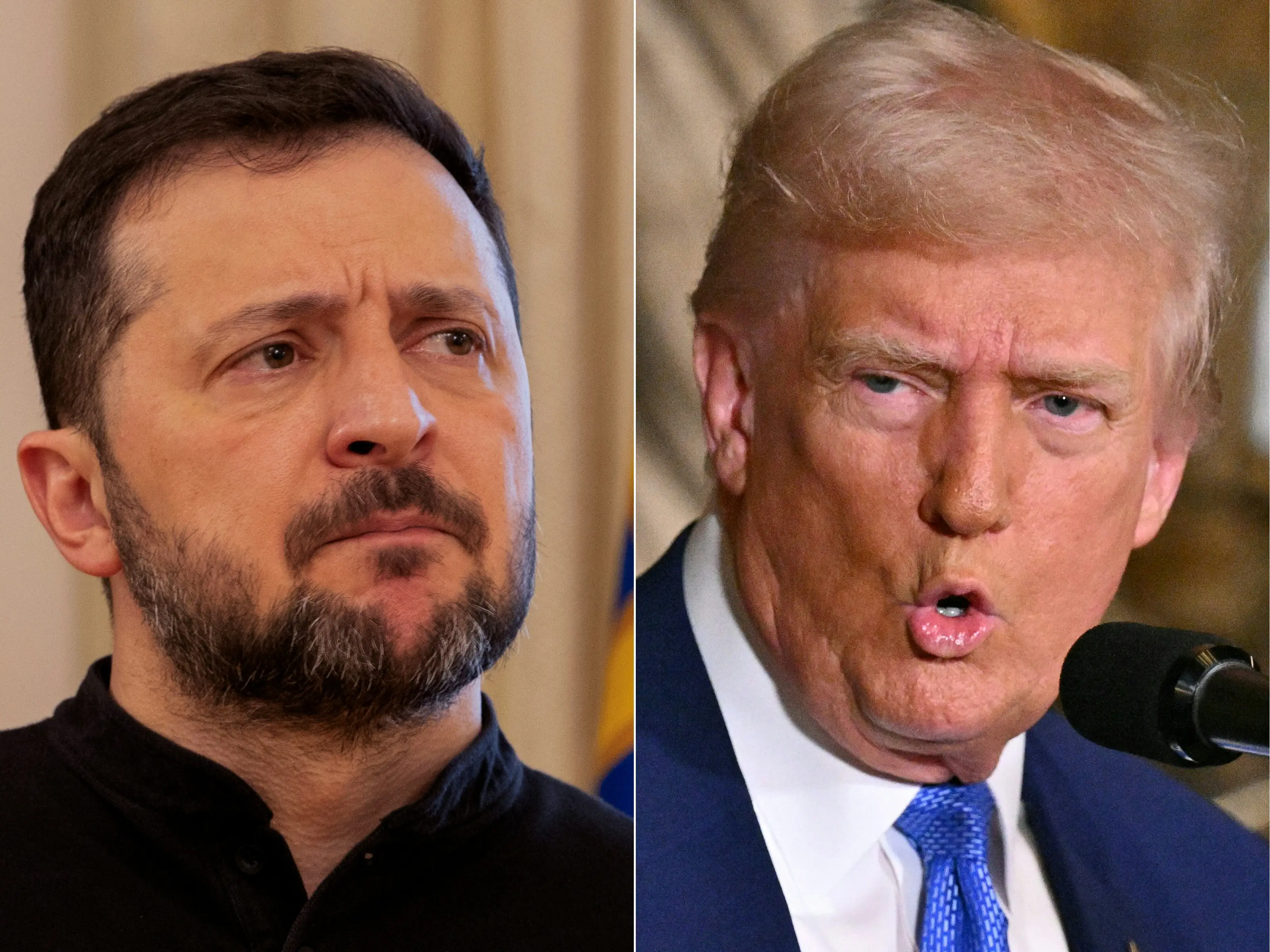
Trump and Zelensky met in Washington two days after Trump’s much-awaited summit with Putin in Alaska. Their meeting, described as cordial unlike a tense February encounter, focused on long-term security for Ukraine, though NATO membership wasn’t discussed. Trump proposed a future meeting between Zelensky and Putin, possibly with him mediating. He also raised the idea of Ukraine making territorial concessions to Russia, though Zelensky didn’t agree. European leaders, who joined later, emphasised the need for a ceasefire before peace talks, but Trump disagreed, suggesting negotiations could proceed during the ongoing conflict. While Trump appeared confident that Putin wanted a deal, European leaders remained doubtful. The talks marked progress in diplomacy but left key issues unresolved.
Trump-Putin Summit in Alaska
Trump met Putin in Alaska for a private summit focused on ending the war in Ukraine. While no ceasefire or formal agreement emerged, Trump described the talks as "hopeful." He later said Putin showed interest in negotiating a peace deal, possibly to give Trump credit as a peacemaker. The meeting lasted around 40 minutes and set the stage for potential future talks between Putin and Ukrainian President Zelensky. Neither leader took any questions from the reporters, but the summit proved to be strong in optics with Putin and Trump shaking hands. However, details remain vague, and European leaders remain cautious about Russia’s true intentions.