Did Iran fire missile at Turkey? Tehran responds after NATO shoots down ‘air threat’

&imwidth=600&imheight=450&format=webp&quality=medium "Did Iran fire missile at Turkey? Tehran responds after NATO shoots down ‘air threat’")
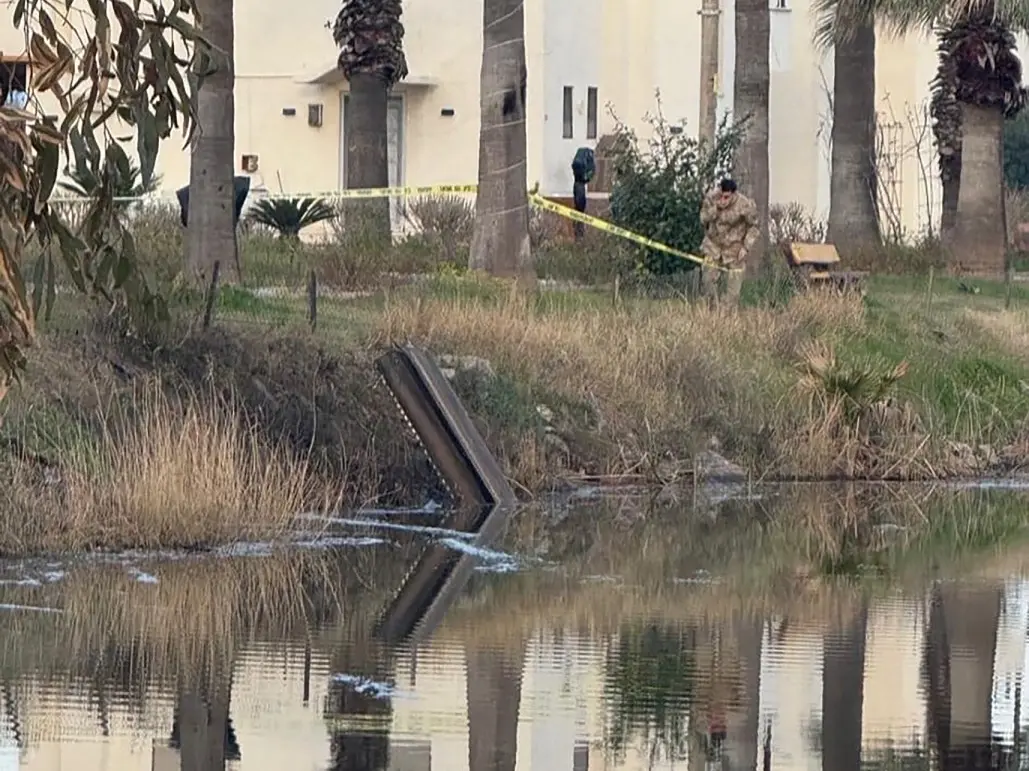
Turkey's defence ministry said on Wednesday that a ballistic missile fired from Iran toward Turkish airspace. Photograph: (AFP)
Iran denied firing any missile towards Turkey after Ankara’s claim that a ballistic missile from Iran was intercepted by NATO air defences after crossing Iraq and Syria.
Iranian forces on Thursday (Mar 5) denied firing any missile towards Turkey, saying that it respects the sovereignty of its neighbouring and friendly country, according to a statement carried by state media. This comes after Turkish officials said on Wednesday that a ballistic missile launched from Iran towards its airspace via Iraq and Syria was destroyed by NATO air defence systems.
In a call with Turkish Foreign Minister Hakan Fidan, Iranian Foreign Minister Abbas Araghchi said that Iran was only targeting US and Israeli bases and facilities in the region “used to plan and execute aggressive operations against Iran,” according to IRIB, Iran’s state broadcaster.
This comes after the Turkish defence ministry said on Wednesday that a missile fired by Iran towards the country had been “engaged and neutralised by NATO air-and-missile defence assets deployed in the eastern Mediterranean.”
The fragments of the interceptor used to neutralise “the threat in the air” fell in the Dortyol district in southern Turkey, near the Syrian border, the officials said. No casualties were reported in the incident.
A Turkish official told AFP that the missile had been “aimed at a base in Greek Cyprus but veered off course”.
‘Unacceptable’
Trending Stories
&imwidth=280&imheight=210&format=webp&quality=medium)
&imwidth=280&imheight=210&format=webp&quality=medium)
&imwidth=280&imheight=210&format=webp&quality=medium)
&imwidth=280&imheight=210&format=webp&quality=medium)
&imwidth=280&imheight=210&format=webp&quality=medium)
&imwidth=280&imheight=210&format=webp&quality=medium)
&imwidth=280&imheight=210&format=webp&quality=medium)
&imwidth=280&imheight=210&format=webp&quality=medium)
&imwidth=280&imheight=210&format=webp&quality=medium)
&imwidth=280&imheight=210&format=webp&quality=medium)
&imwidth=280&imheight=210&format=webp&quality=medium)
&imwidth=280&imheight=210&format=webp&quality=medium)
&imwidth=280&imheight=210&format=webp&quality=medium)
&imwidth=280&imheight=210&format=webp&quality=medium)
&imwidth=280&imheight=210&format=webp&quality=medium)
&imwidth=280&imheight=210&format=webp&quality=medium)
&imwidth=280&imheight=210&format=webp&quality=medium)
&imwidth=280&imheight=210&format=webp&quality=medium)
&imwidth=280&imheight=210&format=webp&quality=medium)
&imwidth=280&imheight=210&format=webp&quality=medium)
&im=FitAndFill=(700,400)&imwidth=280&imheight=210&format=webp&quality=medium)
&imwidth=280&imheight=210&format=webp&quality=medium)
&imwidth=280&imheight=210&format=webp&quality=medium)
&imwidth=280&imheight=210&format=webp&quality=medium)
&im=FitAndFill=(700,400)&imwidth=280&imheight=210&format=webp&quality=medium)
&imwidth=280&imheight=210&format=webp&quality=medium)
&imwidth=280&imheight=210&format=webp&quality=medium)
&im=FitAndFill=(700,400)&imwidth=280&imheight=210&format=webp&quality=medium)
&imwidth=280&imheight=210&format=webp&quality=medium)
&imwidth=280&imheight=210&format=webp&quality=medium)
&imwidth=280&imheight=210&format=webp&quality=medium)
&imwidth=280&imheight=210&format=webp&quality=medium)
&imwidth=280&imheight=210&format=webp&quality=medium)
&imwidth=280&imheight=210&format=webp&quality=medium)
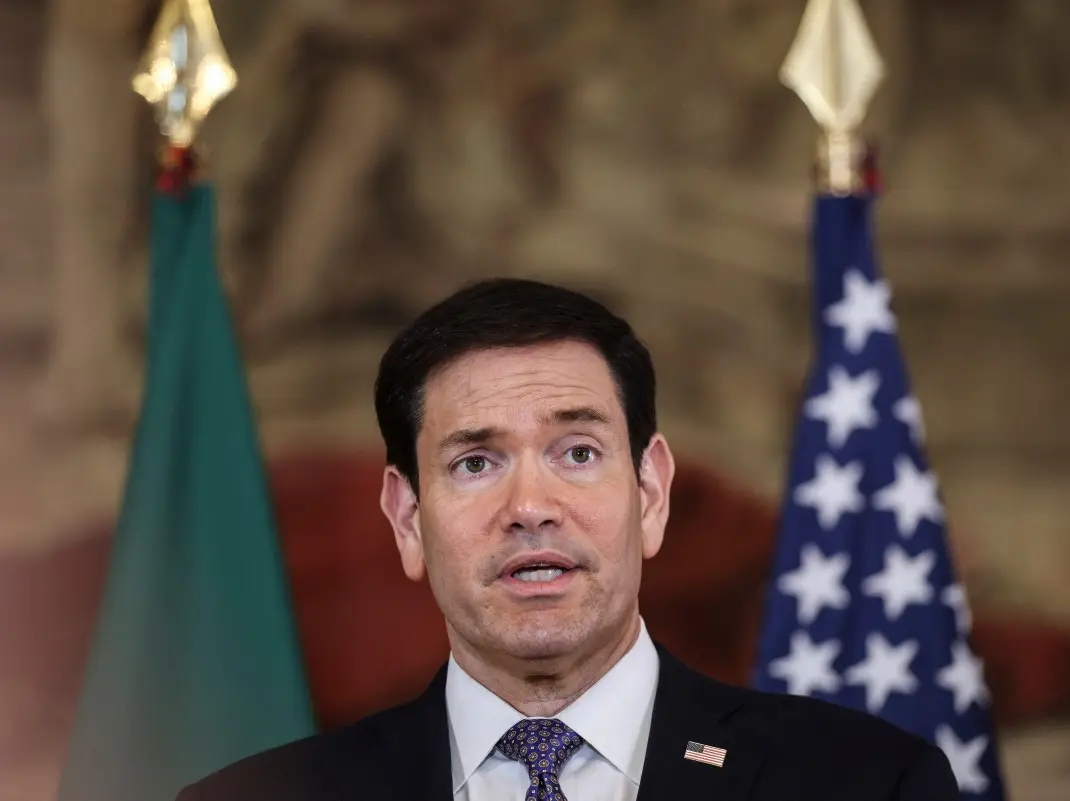
Reacting to the incident, US Secretary of State Marco Rubio said in a call with Fidan “that attacks on Turkey’s sovereign territory were unacceptable and pledged full support from the United States,” according to State Department spokesman Tommy Pigott.
NATO also condemned the incident, saying, “NATO stands firmly with all allies, including Turkiye, as Iran continues its indiscriminate attacks across the region.”
“Our deterrence and defence posture remains strong across all domains, including when it comes to air and missile defence,” NATO spokeswoman Allison Hart said.
This comes after the US and Israeli military launched strikes on Iran on Saturday (Feb 28), killing Iran’s supreme leader Ali Khamenei and several other top Iranian officials. The operation was named ‘Epic Fury’ by the US and ‘Lion’s Roar’ by Israel. The attacks came amid heightened tensions between Washington and Tehran and ongoing talks over Iran’s nuclear program. In retaliation, Iran launched attacks on Israel and US military bases in the region, including in Bahrain, Kuwait, the UAE, Qatar, Saudi Arabia, and Jordan.
Khamenei’s death was confirmed on March 1, with Iran vowing strong revenge over the killing of its supreme leader and warning that US bases in the region would be treated as American territory. Gulf states have cautioned against further escalation, even as Washington and Tel Aviv signal that operations could continue for weeks.
As the conflict escalates, Iran-aligned groups have joined the fight. International leaders have called for de-escalation as some condemned the US-led action, while most NATO allies voiced support for Washington.
Disclaimer: WION takes utmost care to accurately and responsibly report ongoing conflicts in West Asia involving Israel, Iran, the US, Gulf nations and non-state actors like Hezbollah, Hamas, Houthis, Islamic State, and others. Claims and counterclaims, disinformation and misinformation are being made online and offline. Given this context, WION cannot independently verify the authenticity of all statements, social media posts, photos and videos.

