Kohinoor's long-lost sister Daria-i-noor diamond to reappear in Bangladesh in a 117-year-old vault

&imwidth=600&imheight=450&format=webp&quality=medium "Kohinoor's long-lost sister Daria-i-noor diamond to reappear in Bangladesh in a 117-year-old vault")
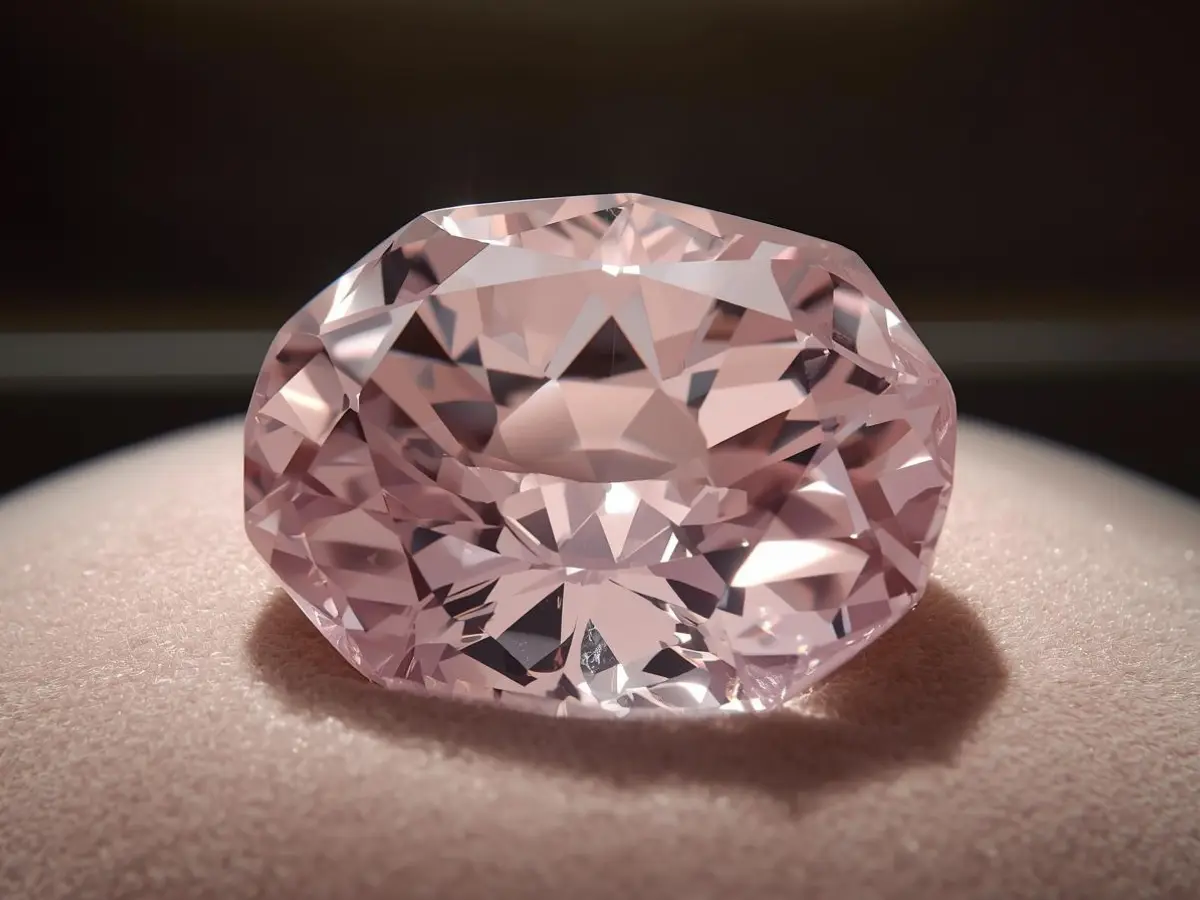
A stunning, museum-quality 182-carat pale pink Daria-i-noor diamond, faceted to perfection, resting on a velvet cushion, illuminated by soft, diffused light to highlight its clarity and subtle colour Photograph: (Canva AI)
The much-disputed Daria-i-noor, which is believed to be stored in a vault at Sonali Bank, is set to be opened by a high-powered 11-member committee, led by the Cabinet Secretary. Bangladesh’s interim government chief passed the order.
Bangladesh is about to unlock a 117-year-old vault in Sonali Bank, which is believed to host the fabled 182-carat pale pink diamond. It was last sighted in 1908, with Nawab of Dhaka Sir Salimullah Bahadur, who had used his estate and treasures, along with the diamond, as a mortgage to borrow money from the British colonial authority.
The court papers claimed that the diamond was part of a collection of 108 treasures that included a gold and silver sword encrusted with diamonds, a bejewelled fez with cascading pearls, and a star brooch. The interim government of Bangladesh is looking to open the vault. But speculation rises, did it survive the violent Independence struggle of 1971 and the following coups?
What is Daria-i-noor?
Often called the sister of the Kohinoor Diamond. According to a report by the newspaper Business Standard, it is a 26-carat diamond of elongated rectangular shape placed at the centre of a golden armlet, surrounded by 10 smaller diamonds, each weighing about 5 carats.
Disputed History of Daria-i-noor
Trending Stories
&imwidth=280&imheight=210&format=webp&quality=medium)
&imwidth=280&imheight=210&format=webp&quality=medium)
&imwidth=280&imheight=210&format=webp&quality=medium)
&imwidth=280&imheight=210&format=webp&quality=medium)
&imwidth=280&imheight=210&format=webp&quality=medium)
&imwidth=280&imheight=210&format=webp&quality=medium)
&imwidth=280&imheight=210&format=webp&quality=medium)
&imwidth=280&imheight=210&format=webp&quality=medium)
&im=FitAndFill=(700,400)&imwidth=280&imheight=210&format=webp&quality=medium)
&imwidth=280&imheight=210&format=webp&quality=medium)
&imwidth=280&imheight=210&format=webp&quality=medium)
&imwidth=280&imheight=210&format=webp&quality=medium)
&imwidth=280&imheight=210&format=webp&quality=medium)
&imwidth=280&imheight=210&format=webp&quality=medium)
&imwidth=280&imheight=210&format=webp&quality=medium)
&imwidth=280&imheight=210&format=webp&quality=medium)
&imwidth=280&imheight=210&format=webp&quality=medium)
&imwidth=280&imheight=210&format=webp&quality=medium)
&imwidth=280&imheight=210&format=webp&quality=medium)
&imwidth=280&imheight=210&format=webp&quality=medium)
&im=FitAndFill=(700,400)&imwidth=280&imheight=210&format=webp&quality=medium)
&imwidth=280&imheight=210&format=webp&quality=medium)
&imwidth=280&imheight=210&format=webp&quality=medium)
&imwidth=280&imheight=210&format=webp&quality=medium)
&imwidth=280&imheight=210&format=webp&quality=medium)
&imwidth=280&imheight=210&format=webp&quality=medium)
&imwidth=280&imheight=210&format=webp&quality=medium)
&imwidth=280&imheight=210&format=webp&quality=medium)
&imwidth=280&imheight=210&format=webp&quality=medium)
&imwidth=280&imheight=210&format=webp&quality=medium)
&imwidth=280&imheight=210&format=webp&quality=medium)
&imwidth=280&imheight=210&format=webp&quality=medium)
&imwidth=280&imheight=210&format=webp&quality=medium)
&imwidth=280&imheight=210&format=webp&quality=medium)
&imwidth=280&imheight=210&format=webp&quality=medium)
&imwidth=280&imheight=210&format=webp&quality=medium)
Like the Kohinoor diamond, Daria-i-noor was mined in the Golconda mines in Telangana. It was with the Mughals till 1739. That's where the history gets conflicted. According to one account, Shah Nadir, a Persian invader, took control of the Mughal treasure. It was taken to Persia, and the diamond has ever since been passing from one generation to another. A team of Canadian researchers claimed that the diamond was part of a much larger pink diamond in Mughal emperor Shah Jahan’s throne. The French Jeweller Travernier describe it in his 1942 diary. It is now a part of the Iranian crown jewels.
Also read: Global gold reserves 2025: Countries with highest gold reserves and how it impacts their economy
The other account by Hamilton and Company, a British-era jeweller, says that after the Mughals, the diamond went to the Maratha King, from whom Nawab Siraj-ul-Mulk, a Minister of Hyderabad, had purchased it. It then came into the possession of Maharaja Ranjit Singh of Punjab, from whom it fell into British hands. But according to an account of Viceroy Lord Dufferin and Lady Dufferin in Our Viceroyal Life in India, “The Dariya-i-Noor, being a flat diamond, did not strike us as very attractive.” It did not impress the queen. Which was then brought by Khwaja Alimullah, first Nawab of Dhaka, his descendant, Sir Salimullah Bahadur, mortgaged it to the Imperial Bank of India, then it moved to the State Bank of Pakistan, and finally to the Sonali Bank of Bangladesh in 1971.
However, the diamond has not been sighted for more than 117 years. Its existence is shrouded in mystery. According to an AFP report, Sonali Bank’s Managing Director, Shaukat Ali Khan, said, “The vault is sealed. Years ago, an inspection team came but did not open it. They just unlocked the outer door.” Murad, a former popular film star, descendant of the Nawab of Bangladesh, is hopeful of sighting the diamond. He said that it was held by both Persian Shahs and then worn by Sikh warriors, which then fell into British hands and became his family property. According to court papers, it was $500,000 in 1908 and is expected to have a valuation of $13 million now. A specific date for the opening of the vault has not been mentioned yet.