US midterms 2026: 10 leaders and candidates to watch in the battle for Congress

From Donald Trump and JD Vance to Senate contenders in Texas, Ohio and Alaska, these 10 political figures are central to the 2026 battle for control of Congress
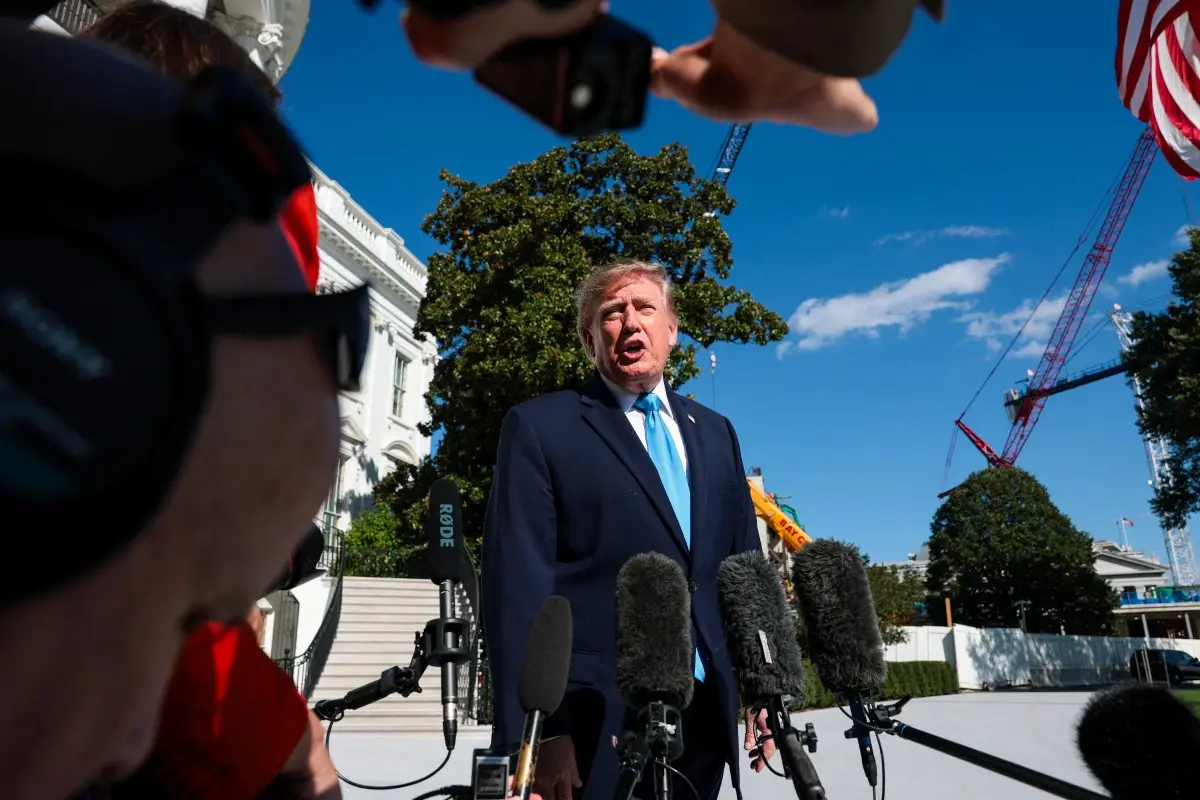
1. Donald Trump: The president at the centre of the midterm battle
Trump isn't on the ballot, but his presidency is deeply intertwined with the 2026 midterms. Republicans are defending a 53-seat Senate majority, with many GOP-held seats located in states Trump carried in 2024. Trump has been actively campaigning for Republican candidates, including making repeated trips to Texas and rallying behind Senate contenders. At the same time, Reuters reports that some Republican candidates in competitive races are creating more distance from the president on particular issues. That makes Trump's role in the midterms unusually important: his endorsement can energise Republican voters, while candidates must also navigate his national approval ratings and the issues dominating their states. The result is an election in which Trump's political influence is being tested well beyond the White House.

JD Vance: The vice president with a stake in the Senate map
JD Vance occupies a unique position heading into the 2026 midterms. The former Ohio senator moved to the vice presidency after winning the 2024 election alongside Trump, leaving his Senate seat open for Jon Husted, who now faces former Senator Sherrod Brown. Vance has also campaigned for Republican candidates in key races, including supporting Dan Sullivan in Alaska. His importance extends beyond any single contest: as vice president, Vance is one of the administration's most prominent political figures and a central messenger for Trump's agenda. The Senate map also has a personal dimension for him because the Ohio race involves the seat he previously held. A Republican victory would help preserve the Senate majority that is essential to the administration's legislative ambitions.
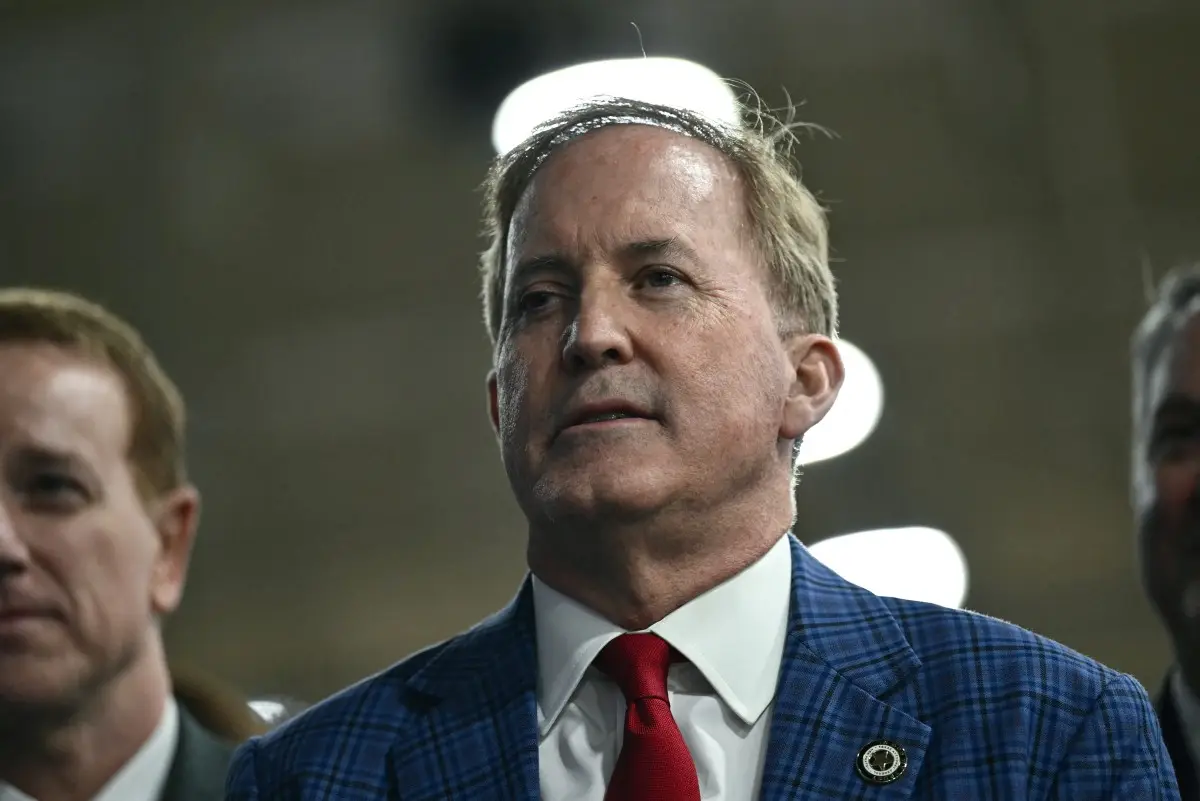
Ken Paxton: The Republican at the centre of Texas' Senate fight
Texas Attorney General Ken Paxton is at the centre of one of the most closely watched Senate contests of 2026. Paxton won the Republican nomination after defeating incumbent Senator John Cornyn and is now facing Democratic state Representative James Talarico. Texas remains a deeply important Republican state, but the Senate race has attracted national attention as Democrats attempt to make the traditionally red state competitive. Trump has repeatedly travelled to Texas to campaign for Republican candidates, underscoring the importance the GOP places on holding the state. Reuters reported that Trump made his third Texas trip in a month as Republicans worked to defend the state. The contest has therefore become more than a Senate race: it is also a test of Republican strength in a state central to the party's national coalition.

James Talarico: The Democrat trying to rewrite Texas politics
James Talarico has emerged as one of the Democratic Party's most closely watched candidates in 2026. The Texas state representative is challenging Republican Attorney General Ken Paxton for a Senate seat in a state that Trump won by 14 points in 2024. Talarico's campaign has turned the race into one of the country's biggest Senate contests, with Democrats hoping to demonstrate that Texas can become competitive at the federal level. The race has also attracted enormous spending and national attention. Recent polling has placed Talarico ahead in some surveys, although the contest remains a major Republican defence. His campaign represents the broader Democratic strategy of expanding the Senate map into traditionally Republican territory and forcing the GOP to defend seats that once appeared considerably safer.
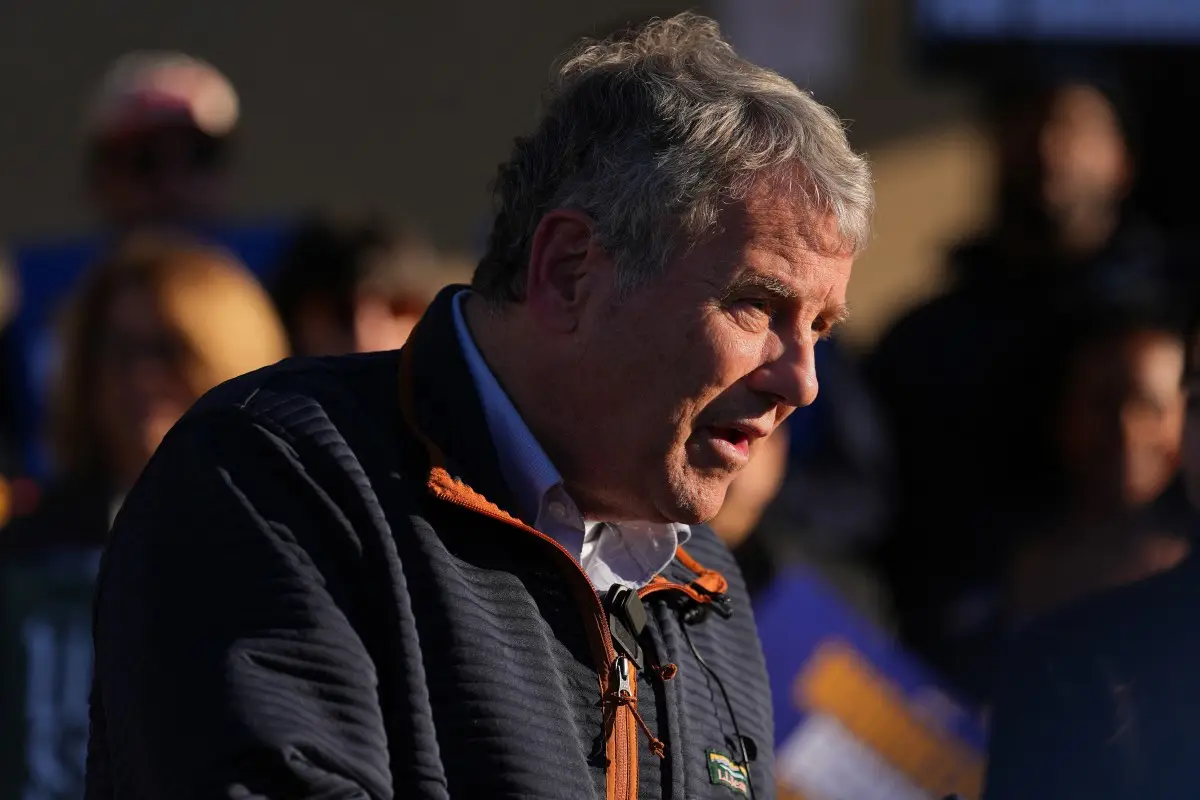
Sherrod Brown: The former Senator attempting an Ohio comeback
Sherrod Brown is attempting one of the most prominent political comebacks of the 2026 cycle. The former Democratic senator, who lost his Ohio Senate seat in 2024, is challenging Republican Senator Jon Husted. Ohio has shifted strongly toward Republicans in recent presidential elections, making Brown's return particularly significant. His campaign is built around his long-standing working-class political identity as Democrats attempt to compete in a state Trump won comfortably. Trump has personally campaigned in Ohio for Husted, demonstrating the national importance of the contest. Brown's race is therefore being watched not only for its impact on the Senate majority but also as a test of whether an established Democratic figure can remain competitive in a state that has moved sharply to the right.
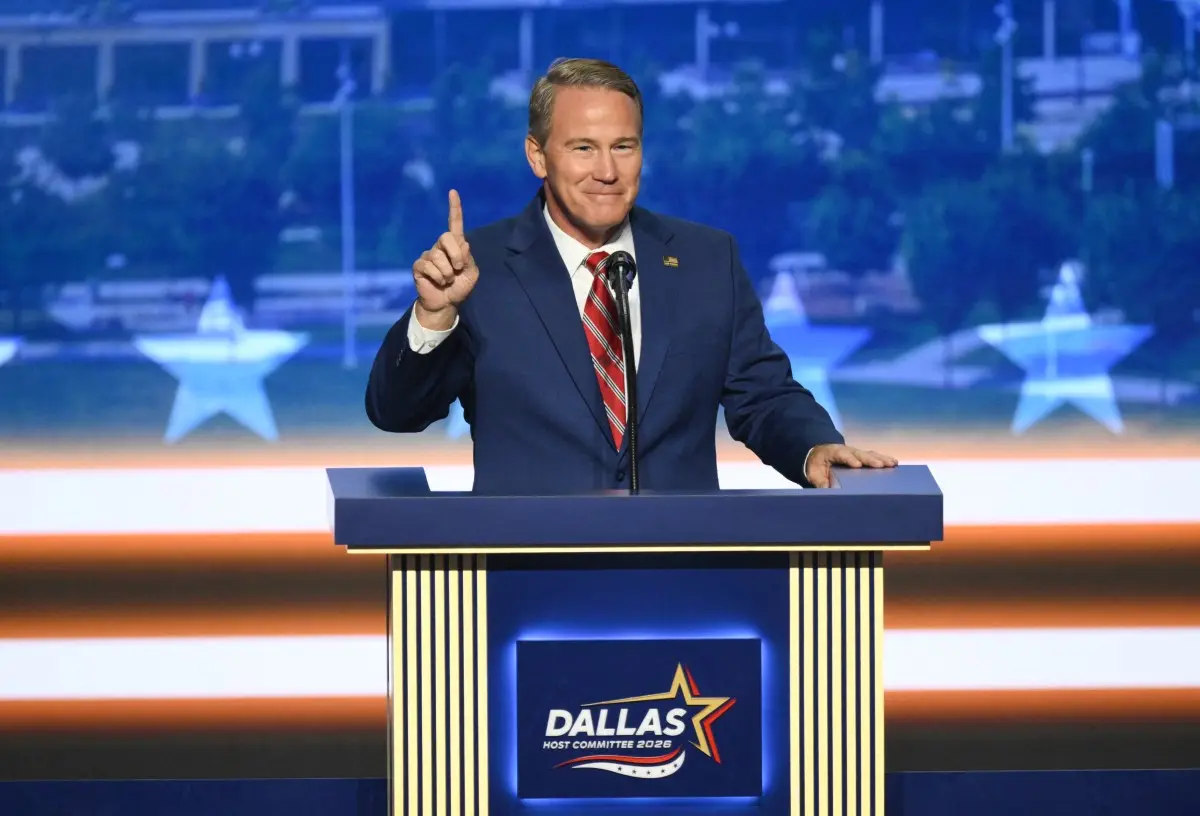
Jon Husted: The Republican defending JD Vance's former seat
Jon Husted entered the Senate after JD Vance moved to the vice presidency, and he is now fighting to retain the seat in his own right. The former Ohio lieutenant governor faces former Senator Sherrod Brown in one of the country's closely watched Senate contests. Husted has received support from Trump, who recently appeared at an Ohio rally alongside him as Republicans sought to energise voters. The race has become particularly important because Ohio is one of the states where Democrats are trying to expand the Senate battlefield. Husted's campaign also illustrates the broader Republican challenge: defending seats in states where Trump remains politically powerful while addressing local concerns such as inflation, fuel prices and economic conditions. His contest could therefore become an important piece of the overall Senate control puzzle.

Mary Peltola: The Democrat taking on Alaska's Republican incumbent
Former Democratic Representative Mary Peltola is challenging Republican Senator Dan Sullivan in one of the most unusual Senate contests of 2026. Peltola made history in 2022 when she became the first Alaska Native elected to Congress and represented the state's lone House district before losing in 2024. She is now attempting another comeback, this time targeting the Senate. Alaska uses ranked-choice voting, adding an unusual element to the race, while another candidate named Dan Sullivan is also on the general-election ballot. The sitting Republican senator remains a major figure in Alaska politics, but Peltola's candidacy has put the state firmly on the national Senate map. Her campaign is one of the clearest examples of Democrats trying to compete in states Trump carried in the 2024 presidential election.

Ashley Hinson: The Republican facing a competitive Iowa test
Republican Representative Ashley Hinson is seeking to move from the House to the Senate in 2026, but the race has developed into a competitive contest. Hinson is facing Democratic state Representative Josh Turek for the seat being vacated by Senator Joni Ernst. Iowa has become considerably more Republican in recent presidential elections, with Trump winning the state comfortably in 2024. Yet economic concerns, affordability and Trump's tariff policies have helped make the Senate race a national focus. Hinson has Trump's endorsement and has positioned herself as a strong ally of the president, while Turek is campaigning on his experience representing a conservative Iowa district. Their contest is significant because a Republican-held seat in a state that has moved right is nevertheless receiving national Democratic attention.
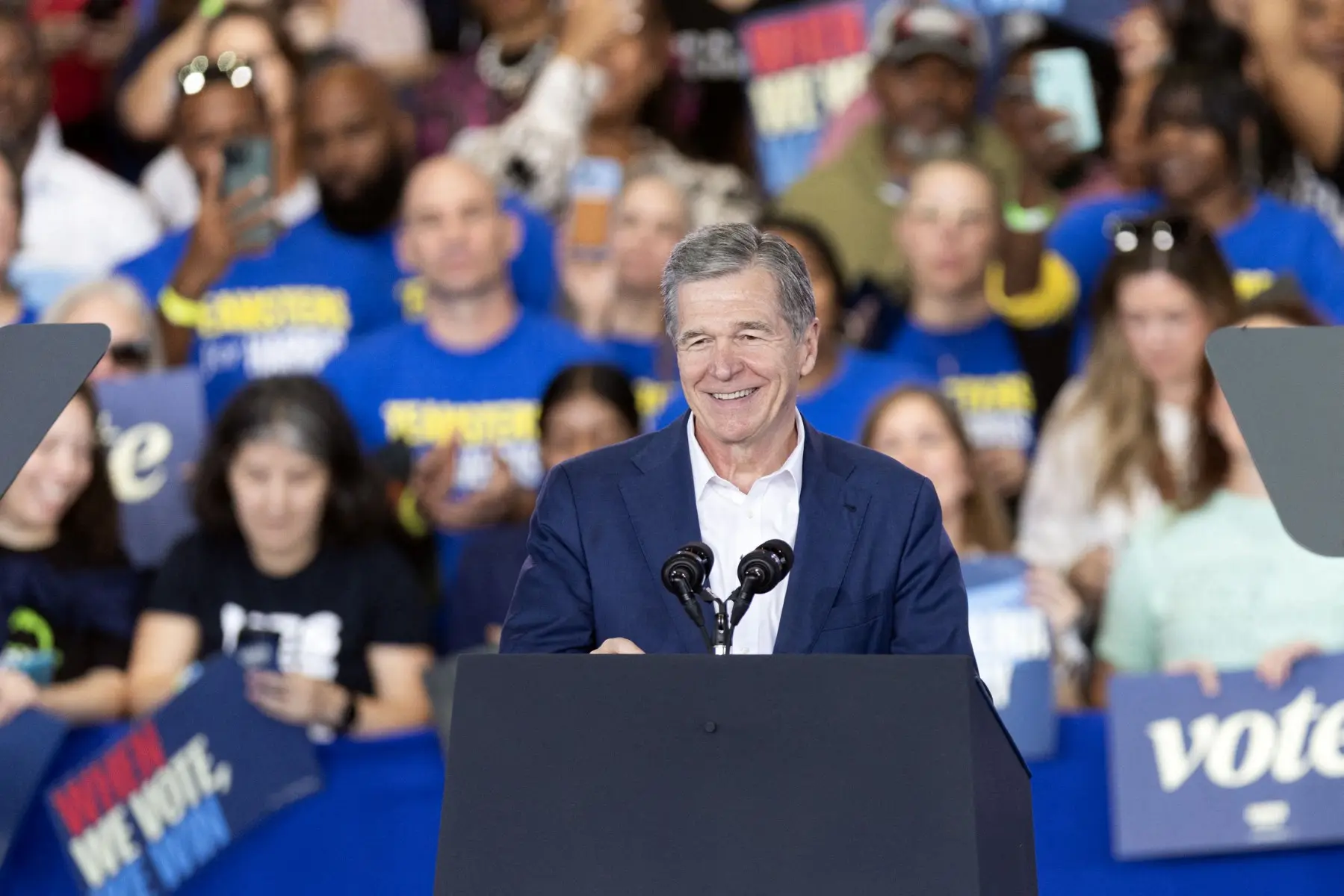
Roy Cooper: The Democrat trying to reclaim North Carolina
Former North Carolina Governor Roy Cooper is one of the Democratic Party's most prominent Senate candidates of 2026. Cooper is competing for an open Senate seat after Republican Senator Thom Tillis decided not to seek reelection. His opponent is former Republican National Committee chairman Michael Whatley. Cooper enters the race with a long political record in a state that has remained competitive in presidential elections despite its Republican lean. CBS identifies North Carolina as one of the key Senate contests that could influence control of the chamber. The race is particularly important because Democrats see the open seat as a significant opportunity to expand their Senate position, while Republicans are seeking to hold a seat in a state where statewide elections have remained closely watched. Cooper's campaign therefore places one of the country's most experienced Democratic governors directly into the national congressional battle.
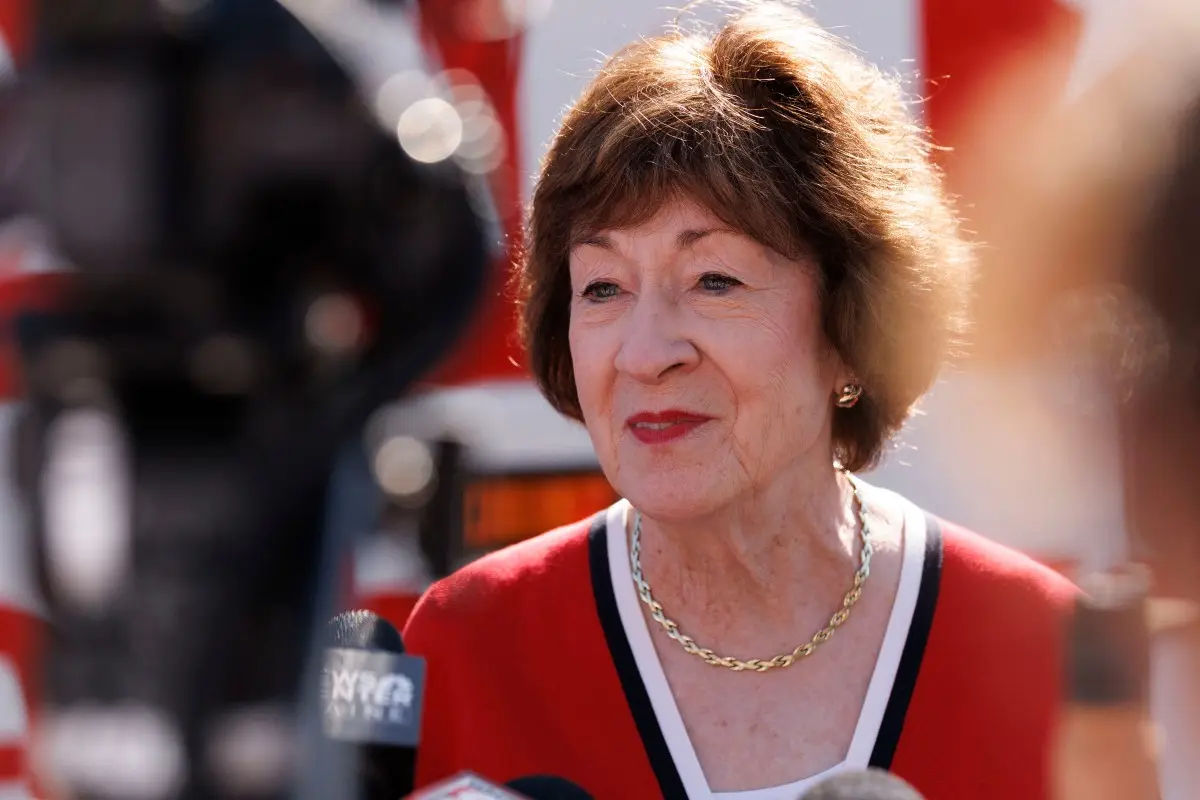
Susan Collins: The Republican Senator fighting to hold Maine
Susan Collins represents one of the most distinctive Republican political profiles in the 2026 Senate map. The Maine senator is seeking another term against Democrat Troy Jackson, who became his party's nominee after Graham Platner withdrew from the race. Collins has repeatedly won reelection in Maine despite the state's Democratic lean in presidential elections, making her contests closely watched every cycle. This year's race is particularly significant because Democrats are trying to gain enough Republican-held seats to change the balance of power in the Senate. Collins' ability to maintain support among voters beyond the Republican base makes the contest different from races in deeply conservative states. Her campaign is therefore being watched as both a Senate race and a test of whether a long-serving Republican incumbent can again build a coalition in a Democratic-leaning state.
)
)
)
)
)