
&imwidth=800&imheight=600&format=webp&quality=medium "Could the Iran war’s oil shock trigger a recession in the US economy?")
For several years, the US economy has showed resilience, managing to endure pandemic-era inflation, gasoline prices that once reached $5 a gallon, a slowdown in hiring, and the Federal Reserve’s aggressive fight against inflation.
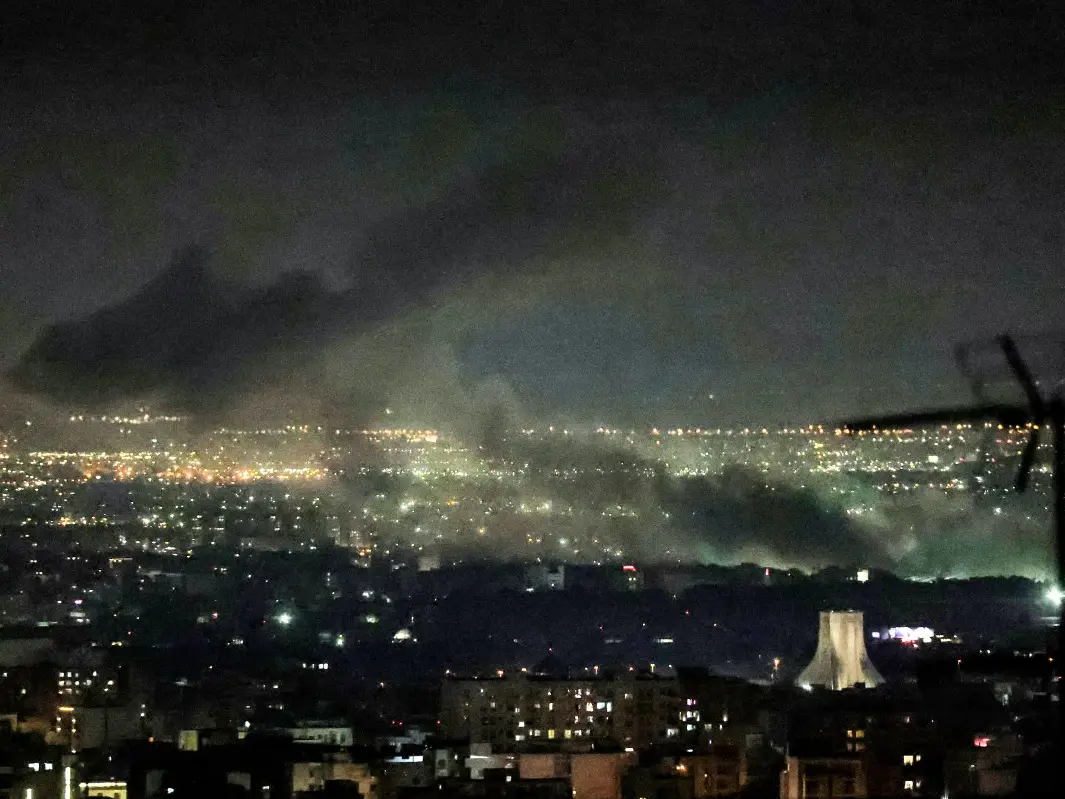
Now it faces a new challenge: A real war. The conflict with Iran has triggered one of the largest disruptions to global oil supplies ever recorded. The resulting spike in prices is pushing up the cost of gasoline, diesel, jet fuel and other energy products, raising concerns about broader economic impacts.
Economists warn that the crisis could heighten the risk of a recession, especially if the disruption persists. The US economy already appeared somewhat fragile before tensions escalated in the Middle East. Despite those concerns, many economists still believe a recession is not the most likely outcome. While stock markets have slipped, the decline has not been severe enough to signal that investors are expecting a near-term downturn. Analysts also say that if the Strait of Hormuz reopens quickly, oil prices could retreat closer to their pre-war levels.

Even so, recession fears have climbed. According to prediction market Kalshi, the probability of a recession this year rose to about 35% early on Monday (March 9) when US oil prices briefly touched $119 per barrel. That’s significantly higher than the roughly 20% chance estimated in early February before the US started building up military forces in the Middle East.
Pressure on consumer spending
Gasoline prices have already risen sharply, increasing by about 50 cents, from $2.98 per gallon before the conflict began to $3.48 on Monday. According to Moody’s Analytics chief economist Mark Zandi, every sustained $10 increase in oil prices could add roughly $450 per year to the typical American household’s expenses. That matters because the US economy relies heavily on consumer spending. If households begin cutting back on shopping, travel and dining out, businesses could see declining revenues and may respond by reducing staff. Job losses can then trigger further spending cuts, creating a downward economic spiral.
Trending Stories
&im=FitAndFill=(700,400))
Meet top 5 batters fastest to 3000 runs in T20Is
)
Russia proposes to build 360 kmph Ivolga FG trains in India: What happened on sidelines of BRICS
)
China discovers vast gold and silver 'mine' in the Pacific with unheard-of deposits
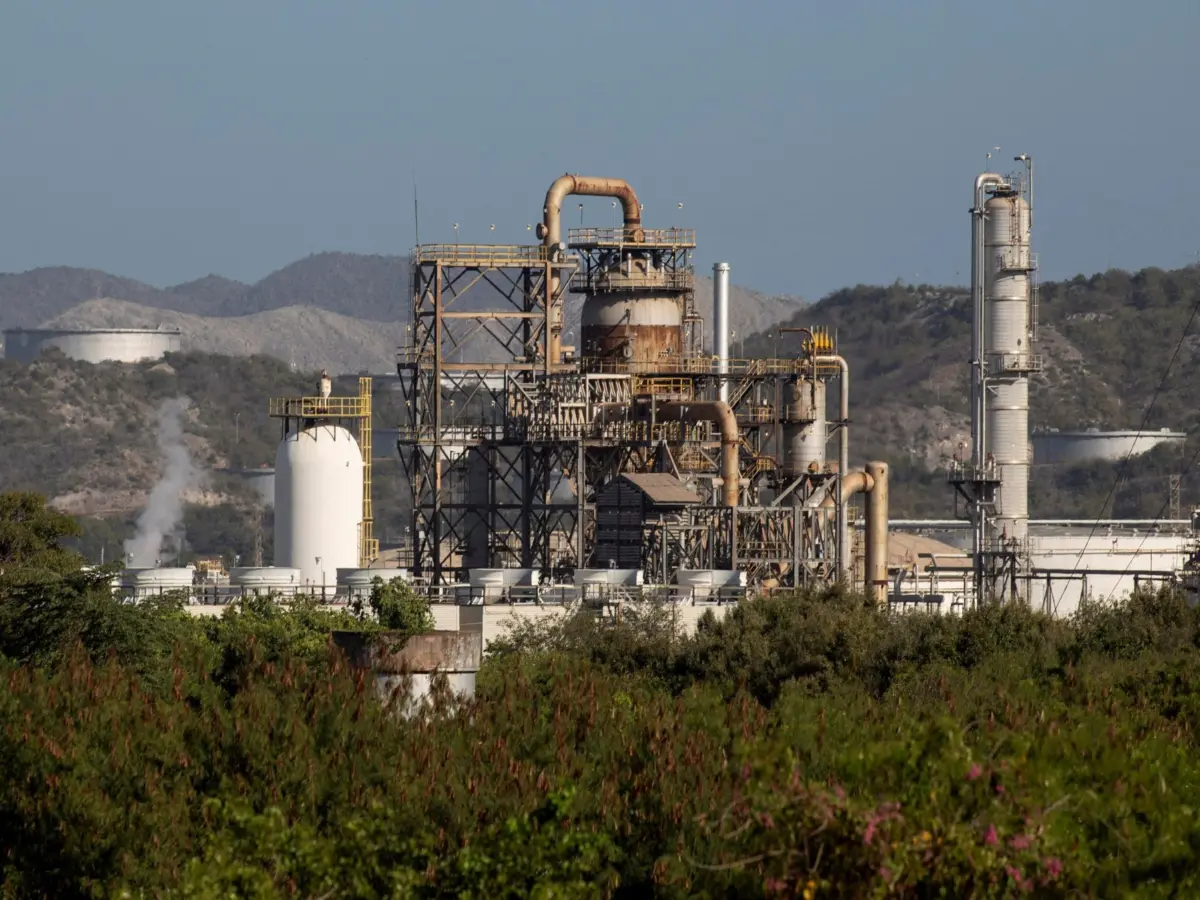)
Crude oil prices jump more than $107 per barrel following Houthi attacks on Saudi
)
PM Modi and China's Xi offered to help resolve Russia-Ukraine war: Kremlin
&im=FitAndFill=(700,400))
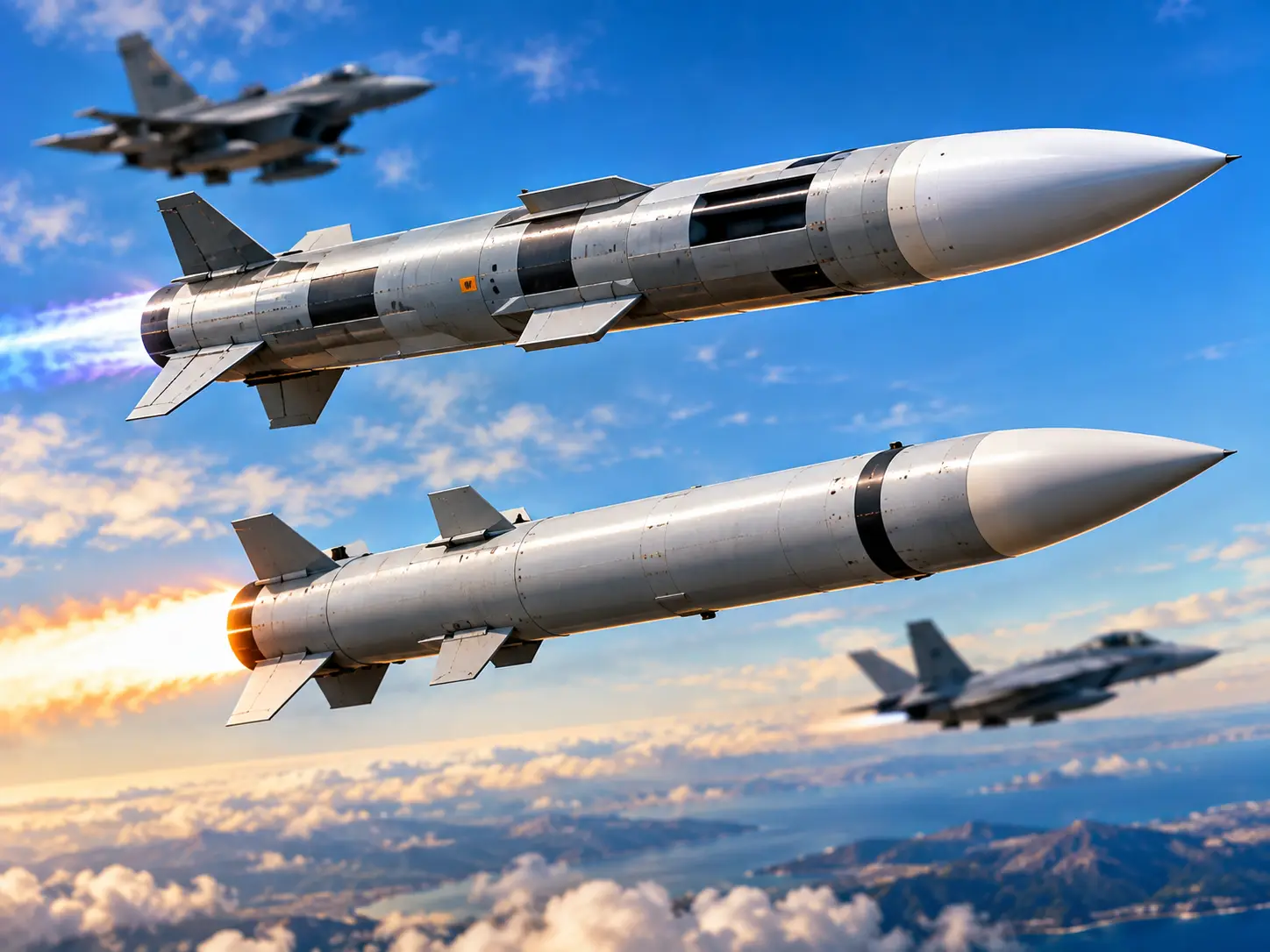
Why Chinese PL-15 air-to-air missiles use dual-pulse motors compared to European interceptors
)
Woman removes all her clothes on American Airlines flight, performs 'indecent acts'; arrested
)
China thinned Himalayan troop presence in 2025, India defence report says; terms border situation 'stable'
&im=FitAndFill=(700,400))
Why European Meteor missiles use ramjet engines compared to standard US solid rockets
)
‘Want to reset ties with India, have engagement based on mutual interests,’ says Bangladesh minister
)
Israeli minister calls to strip Gaza film directors of citizenship
)
Indian importers urge Bangladesh to lift export ban on 'Hilsa' fish ahead of Durga Puja
)
Meghan Markle shares first glimpse of family life with Prince Harry and children in UK
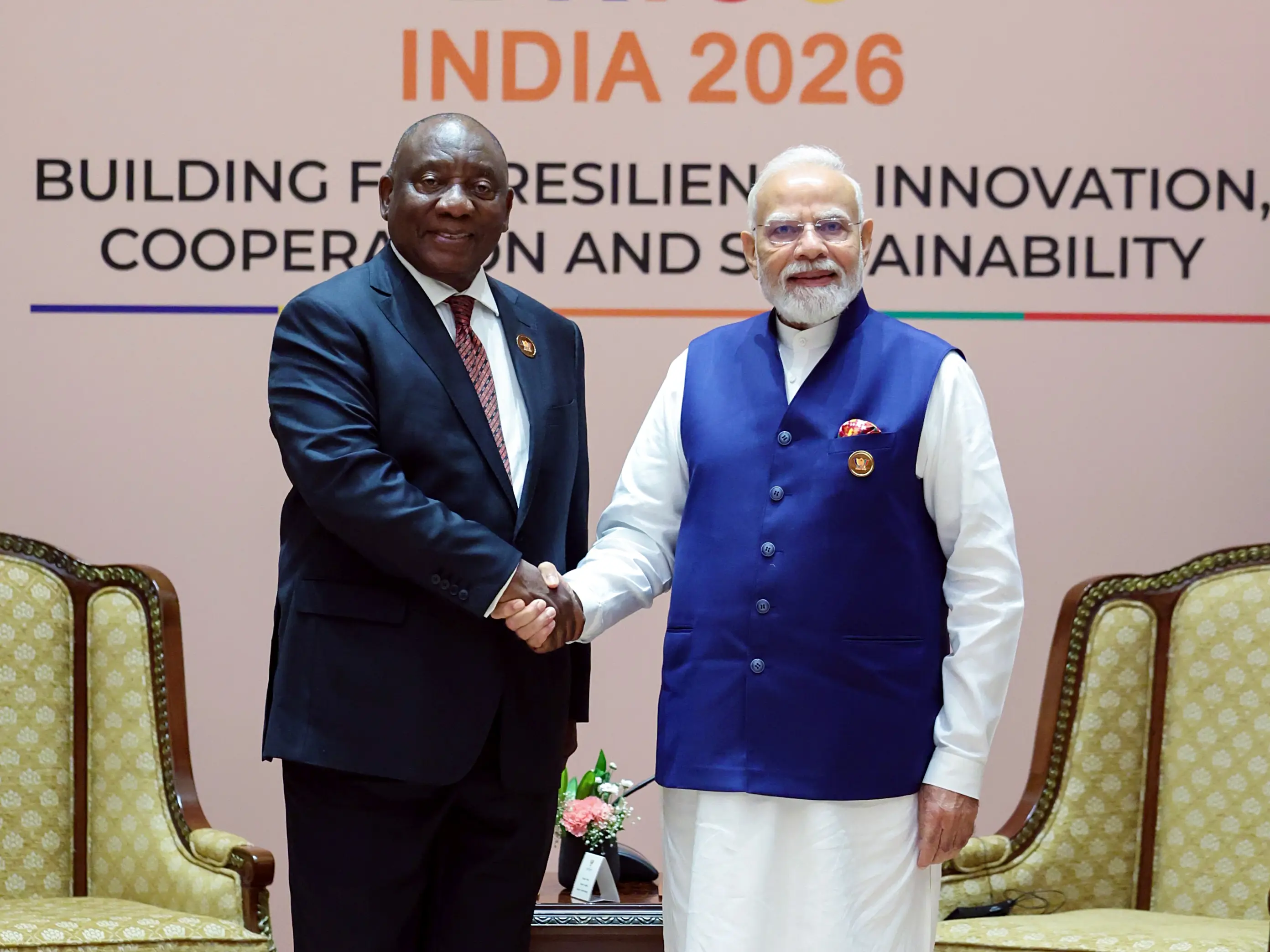)
‘India did extremely well’: South African President Cyril Ramaphosa praises BRICS leadership
)
Russian drone hits Warsaw-bound train near Polish border, Zelensky accuses Moscow of ‘deliberate’ targeting
)
Liam Neeson sparks romance rumours after holding hands with Stella Stocker at TIFF 2026
)
Trump says Canada eager to reach a deal, it could come ‘fairly soon’ if Ottawa treats US farmers better
)
Did India risk its US trade deal despite softer stance at BRICS?
)
Practical Magic 2 breaks Spidey spell over North American box office
)
War is making Russia stronger? How Ukraine is shaping Moscow’s next generation of weapons
&im=FitAndFill=(700,400))
From Rinku Singh to Mayank Yadav, 5 players dropped from India’s squad for Afghanistan T20Is
)
Did China give Iran intel before US base strike that killed 3 troops? Trump says, 'You’re right...'
)
800 million years old - Scientists discover 'fingerprints' of supercontinent Gondwana in ancient rocks
)
Humans may lose control of AI: Anthropic CEO calls for slowdown, Altman, Musk back him
)
First naval drone battle? Ukraine says Sargan 3000 sank Russian unmanned boat
)
Delhi’s balancing act: BRICS serves as a stage for West Asia diplomacy
)
'Huge destructive power': North Korea calls its latest missile launches 'live-fire drill' even as US dismisses 'immediate threat'
)
Women's Asia Cup 2026: India denied trophy once again despite winning the title
)
NEET-UG to move to computer-based test soon, NTA DG says ‘CBT is the future’
)
Turkish Airlines plane flies through a storm three times, triggering severe turbulence
&im=FitAndFill=(700,400))
New OTT releases this week (September 14-20, 2026): Lust Stories 3, Waiting Hai, Irumudi- 5 new titles coming on Netflix, Prime Video and more
)
Iran, India agree to deepen humanitarian and political ties, President Pezeshkian says
)
‘Let’s go’: Newly declassified videos show dramatic rescue of US Air Force officers downed in Iran
Also Read: 'Be careful not to...': Iranian official responds to Trump's 'TWENTY TIMES HARDER' threat
The labour market is already weaker than it was during the oil shock triggered by Russia’s invasion of Ukraine in 2022. At that time, employers were adding hundreds of thousands of jobs each month. In contrast, the US added just 116,000 jobs during all of 2025, the lowest annual total outside a recession since 2002. The economy has also recorded job losses in five of the past nine months after years without negative job growth.
The combination of rising fuel prices and job losses is worrying. “The job losses and surging gas prices are ‘a very nasty one-two punch to the economy,’” said David Kelly, chief global strategist at JPMorgan Asset Management. “But I still bet that the economy will muddle its way through this.”
Markets and business confidence at risk
Another possible route to a recession would be a major stock market decline. If US equities fall 20% from their recent highs, threshold for a bear market, it could discourage consumer spending, particularly among wealthier households that drive a large share of economic activity. Business confidence is another concern. Companies that were already cautious about hiring or expanding operations may become even more hesitant if energy prices remain elevated.
Why this oil shock is different?
Still, there are factors that could limit the damage compared with past oil crises. In 2022, when gasoline prices surged to $5 per gallon after Russia invaded Ukraine, the United States had little influence over how quickly the conflict would end. In contrast, the US now has greater control over the course of events in the Persian Gulf.
Donald Trump suggested the conflict may already be nearing an end, telling CBS News that the war is “very complete.” However, even if the fighting stops, the disruption in the Strait of Hormuz may take time to resolve. Trump’s comments appeared to calm markets somewhat. After briefly spiking to $119 per barrel late on Sunday and early on Monday, US oil prices later dropped to around $92 per barrel.
Another key difference from past crises is that the United States is now a net energy exporter. That means while high energy prices strain household budgets, some sectors of the US economy benefit, particularly oil and natural gas producers and investors in fossil fuel companies. Although oil still trades in a global market, the US economy today is far less dependent on imported energy than it was in previous decades.
Disclaimer: WION takes utmost care to accurately and responsibly report ongoing conflicts in West Asia involving Israel, Iran, US, Gulf nations and non-state actors like Hezbollah, Hamas, Houthis, Islamic State, and others. Claims and counterclaims, disinformation and misinformation are being made online and offline. Given this context, WION cannot independently verify the authenticity of all statements, social media posts, photos and videos.

