COP27 in Egypt: India-backed international organisation CDRI to launch trust fund for resilient infrastructure

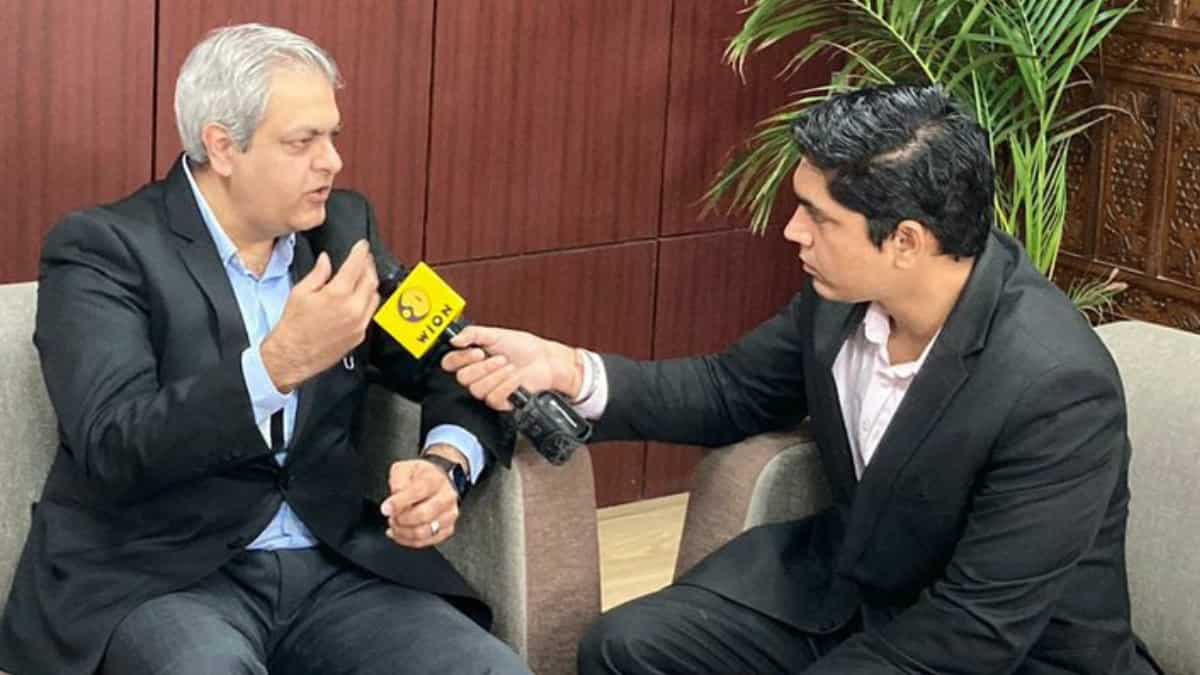
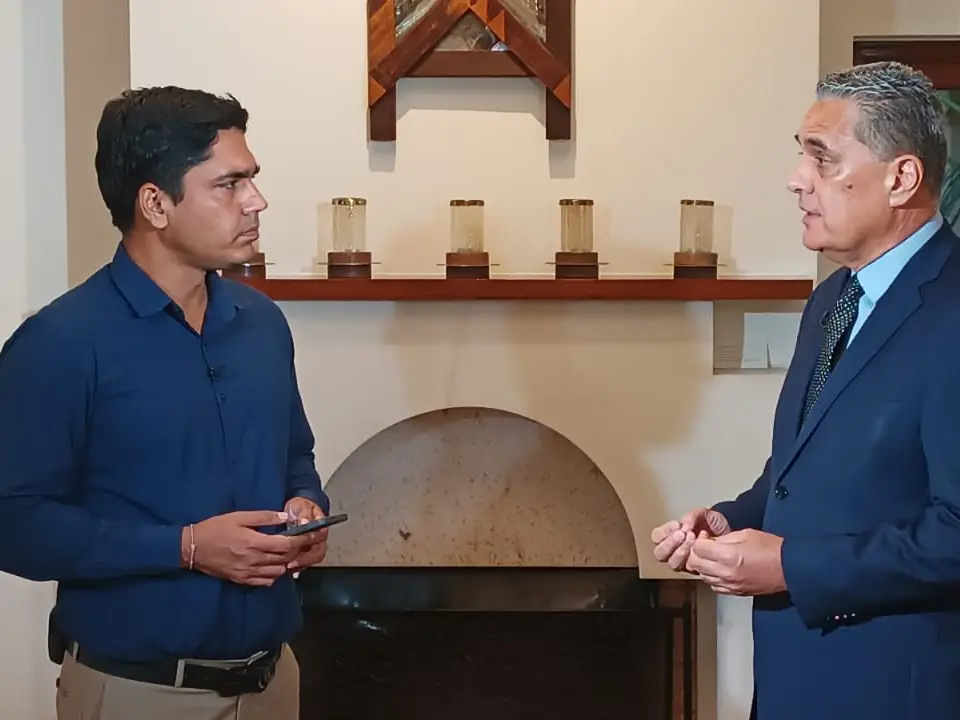
Director General of CDRI Amit Prothi
India-backed international organisation Coalition for Disaster Resilient Infrastructure or CDRI will be launching a trust fund and operationalising a program for small island states at COP27 (Conference of the parties) summit in Egypt. The program, Infrastructure for Resilient Island State program or IRIS will help island states in the Pacific, Caribbean and the Indian ocean to deal with the impact of climate change.
Speaking to our diplomatic correspondent Sidhant Sibal, Director General of CDRI Amit Prothi said, "Any island country,there aremore than 50,will be eligible to apply for the program. Even if you are not a member of CDRI, any island that is suffering, or facing risk from climate change is eligible for applying to this facility."
CDRI was launched in 2019 by Indian PM Modi at the 2019 UN Climate Action Summit and has over 30 members so far. Prothi explained that under the two projects, CRDI will "support early warning systems, nature-based solutions, looking at alternatives" and look at "risk informed discussion making, using data for better decisions, and we will be helping to mainstream resilience".

Also Read |PM Modi has shown real leadership on Climate Change: COP26 President Alok Sharma
The operationalisation of IRIS will take place on the 17th, while the launch of the trust fund will take place on the 9th. IRIS was launched by PM Modi, along with PMs of the United Kingdom, Australia, Fiji, Jamaica and Mauritius during last year's COP summit in Glasgow. The 2022 United Nations Climate Change Conference or COP27 will take place in Egypt's Sharm El Sheikh from 6th to 18th November. The annual summit sees the world gather to chalk out ways to deal with the climate crisis.
Sidhant Sibal: If you can explain to our viewer, what is CDRI all about?
Amit Prothi: Coalition for Disaster Resilient Infrastructure (CDRI) is an organisation that was announced by PM Modi in 2019 at the UN climate summit. It is our leadership in the world, trying to see how we can influence the world's agenda to reduce disaster risk to infrastructure. For example, we are reading a lot more about flooding, damage that happens due to earthquakes, we are reading about cyclones that impact the coastal communities. So how do we reduce the risk we are facing from the continued events, natural events like earthquakes or events due to climate changes? How do we address those risks? We are a coalition of 31 member countries, under the leadership of India. We have the US, UK, Ghana, Chile, Dominican Republic, so it's a whole gamut of countries around the world who have said that we will join India to demonstrate what we can do to reduce the risk. So essentially a coalition, under the Indian govt's leadership. We have a rotating co-chair, we had the UK govt as the co-chair, now it is the US govt that is part of it.
)
Ex-Liverpool forward Mohamed Salah banned from driving in United Kingdom for six months
&im=FitAndFill=(700,400))
New Friday OTT releases (September 25, 2026): Don’t Be Shy, Hunkkaar: The Roar, Mango Pachcha- 6 movies and TV shows on Netflix, Prime Video and more
)
Bias or safety concerns? Bengaluru CEO says firm will not hire men from UP, Bihar, Rajasthan, MP. Here's why
)
Pentagon quietly adds 37 wounded troops to Iran war tally without explaining when or how
)
Bollywood mourns Mushtaq Khan: Sunny Deol, Rajpal Yadav and others pay tribute
)
'Making history': Xi Jinping praises Trump as US-China leaders dine at White House
)
'FIRST LOOK from inside Noah’s Ark': Researchers share video from inside mysterious mound in Turkey
)
Red Sea crisis: Houthis promise not to target European ships; UNSC condemns Saudi attacks
)
‘Not just a local tragedy’: Nepal PM Shah warns UN of growing climate threat, says Nepal floods were 'a warning to the world'
)
‘It is all possible’: Putin weighs next steps on Ukraine talks, rules out Europe conflict
)
'Fund people, not bombs': Hundreds take to New York streets as Netanyahu delivers speech at UN; dozens arrested
)
‘We’ve never gotten along better’: Trump praises Xi, jokes about White House ballroom at high-stakes state dinner
)
10,000 gather in support of 87-year-old forcefully evicted from home of 71 years
)
Saudi Arabia, Turkey and Pakistan to hold urgent military talks amid intensifying Houthi attacks
)
'We do not wish to continue. It's America that must choose': Iran president Pezeshkian calls on US to end war
)
Meet Adrian Abraham: 9-year-old Indian-origin guitar prodigy aiming for a Guinness World Record
)
'Blockbuster' nor'easter develops an eye similar to hurricanes as warnings are issued
)
OpenAI AI Agents hacked 4 websites before Hugging Face, researchers reveal
)
Scientists detect first radio signals directly from faraway planet
)
WATCH | As Shehbaz Sharif claims Pakistan’s ‘victory’ during 2025 conflict, Indian diplomat R Srinivas laughs at UN
)
‘Attack on Mecca a red line for Pakistan’: Shehbaz Sharif warns Houthis at UN
)
Beijing to Washington! Ivanka Trump makes a style statement in Chinese designer Guo Pei for President Xi Jinping’s White House welcome
)
'A terrorist country is asking me that question?': Jaishankar hits back at Pakistani journalist at UN; flags attacks on commercial shipping
)
Trump's welcome to Xi demonstrates 'attraction' to dictators: Chuck Schumer
)
Trump gifts Xi a bald eagle sculpture at White House dinner: Here’s what it symbolises
)
‘Totally unacceptable’: Trump warns Xi over China’s support for Iran
)
Trump made 'final decision' to give Ukraine Patriot missile production license: Zelensky
)
Watch: PM Modi joins Bhajan Clubbing event in Delhi on Deendayal Upadhyaya's birth anniversary
)
Myanmar training camp case: US national, 6 Ukrainians allowed to meet their families abroad
)
Susan Sarandon and Hannah Einbinder detained by NYPD outside UN Headquarters
)
Outrage erupts after 3-year-old is married to 60-year-old man in Pakistan, link to her sister's murder being probed
&im=FitAndFill=(700,400))
‘Absolutely savage, sickening’: Zelensky slams Russia as daytime strikes kill 5 in Kyiv
)
Exclusive | 'We always want to improve': Suruchi, Kamaljeet after winning Asian Games gold
)
India-New Zealand FTA is ‘an expression of trust’, NZ High Commissioner Patrick John Rata says
)
Army chief reviews operational preparedness along LoC, visits mega eye camp in Tangdhar
)
99.9% more powerful - Scientists find boy who can recall memories from just 3 months of age
)
New wellness trend focuses on a natural inner glow
)
Tesla is preparing something big for Optimus: new Gen 3 models surface in app
Sidhant Sibal: You will be going to COP27, what will be the focus ofCDRIand the proposal that will be put?
Amit Prothi: The climate change summit has a lot of focus onadaptation, solution and financing. It is the first summit in the global south for a long time, it's in Egypt, Africa. The agenda is how do we show, demonstrate, and share examples of solutions that are working to address the risk of climate change. How do you also increase the financing that is going towards a climate change solution? For CDRI it is an opportune moment to talk at this global advocacy platform. It gives us a platform to share what CDRI is, and why we are important in the whole discussion. Advocacy is a big agenda for us. The second agenda is finance. We are actually going to be launching a trust fund that will focus on resilient infrastructure solutions. We got commitments from the India, UK, Australian govt and EU. It will be a big announcement from CDRI, likely on the 9th. Another agenda will be whatIndian PM and fiveother PMs at last year's climate summit announced--Infrastructure for resilient island state program (IRIS). SixPMs got up and said that we will help find solutions to problems that small island development states are facing across the world. So we had a year now to do consultations across different island states, we have reached out to Caribbean, pacific and Indian ocean island states to understand what the challenges might be. At this COP we will be announcing assistance through a technical and capacity-building facility and knowledge-creation facility to invite small island states to apply for these kinds of support via CDRI and our partners. We are going to launch at this year's COP and start to roll out the program in the next few months.
Sidhant Sibal: If you can explain aboutIRIS and how many countries will be reached out.
Amit Prothi: With IRIS or its program for Infrastructure for Resilient Island States, we are basically saying, any island countrywill be eligible to apply for the program. Even if you are not a member of CDRI, any island that is suffering, or facing risk from climate change is eligible to apply. We will support early warning systems, we would support nature-based solutions, looking at alternatives, we are going to support innovative solutions. We are also looking at risk-informed discussion making, using data for better decisions, and we will be helping to mainstream resilience--building roads, airport and how to make sure those are free from future risks in these island states.
Sidhant Sibal: When the launch happens, will any leader be present?
Amit Prothi: IRIS will be on the 17th of this month, the trust fund likely on 9th. World leader event happened last year; this is basically an operational announcement. So, we will have senior members from the representative governments. Not a head of state, but senior members.
Sidhant Sibal: CDRI has a rotational partner, what have they done?
Amit Prothi: UK has been our first partner; they have been really instrumental in helping us set up as an organisation. We were brand new; the PM made an announcement in 2019, 2020 Covid hit and we were starting to set up. The UK govt has been really instrumental in helping us build the organisation and conceptualize IRIS. They have supported us to build circulars. Between Indian and UK universities, new circulars were made to address risks in the future. Now, the US govt has shown interest in that particular agenda item and we are exploring with themhow to build a large network of universities with our coalition partners to train the next generation andhow to address risks in the future. That is one agenda from the US, they are also keen on private participation. The infrastructure is built by the private sector, so how the private sector can be brought to the coalition.We have some members and how information can be taken to them. They are making decisions on infrastructure. The US has invested in a team that is sitting in Delhi and building our capacity. Lot of our members are building our capacity to understand risk and deliver that across the world. These are some of the ways governments are helping us.