College pay-off seems elusive for many US young people

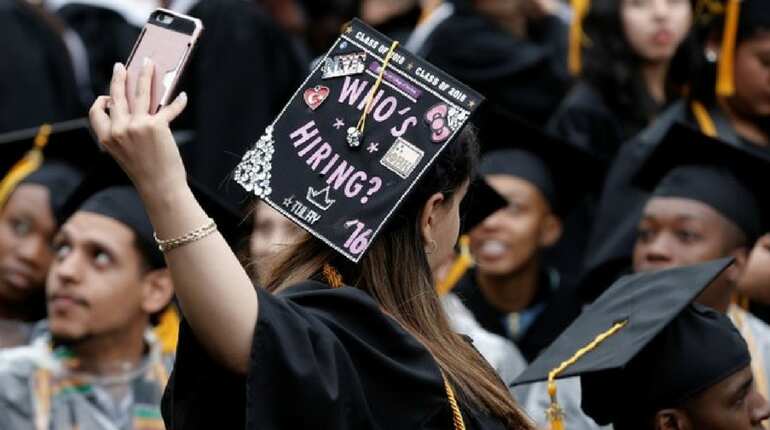
Graduate student
Even though job opportunities have improved since the recession, Emmons thinks this year’s graduates could be weighed down by the same trends
When Scott Petracco graduated from the University of Illinois at Chicago with a bachelor’s degree in biology eight years ago, he thought he would quickly get a job in a laboratory and pay off $30,000 in student loans.
But the country was just emerging from the 2007-2009 recession, and he could not find a job related to his degree. Now, at age 30, he works part-time as a kidney dialysis technician in Chicago for $15 an hour. Since that does not pay the bills, he also has a second job loading freight.
“It’s nothing very exciting, but it pays well,” said Petracco, who does not think the money he spent oncollegewas worth it. Tormented by his student loans, he has given up on going to medical school or working in his field, and is devoting “every dime I have into getting rid of the debt within six years.”

Petracco is not unusual. A study by the Federal Reserve published in May found that half of the peopleunder 30 with bachelor's degrees wonder if the money they spent oncollegewas worth it. It is a stunning finding in the Report on the Economic Well-Being of USHouseholds in 2017, and evidence that the generation that finishedcollegeright after the Great Recession is turning into the “lost generation” some economists predicted a decade ago. https://reut.rs/2sJ4Ff9
Separate research by the St. Louis Federal Reserve has found that rather than bouncing back from bad economic times, the wealth of the millennial generation has decreased since 2010 and is far less than their parents’ generation at a similar stage in life.
“The generation born in the 1980s has not seen thecollegepay-off,” said William Emmons, an economist with the St. Louis Fed.
&im=FitAndFill=(700,400))
National Handloom Day 2026: From Alia Bhatt to Samantha Ruth Prabhu; Actresses who celebrated India's textile heritage as brides
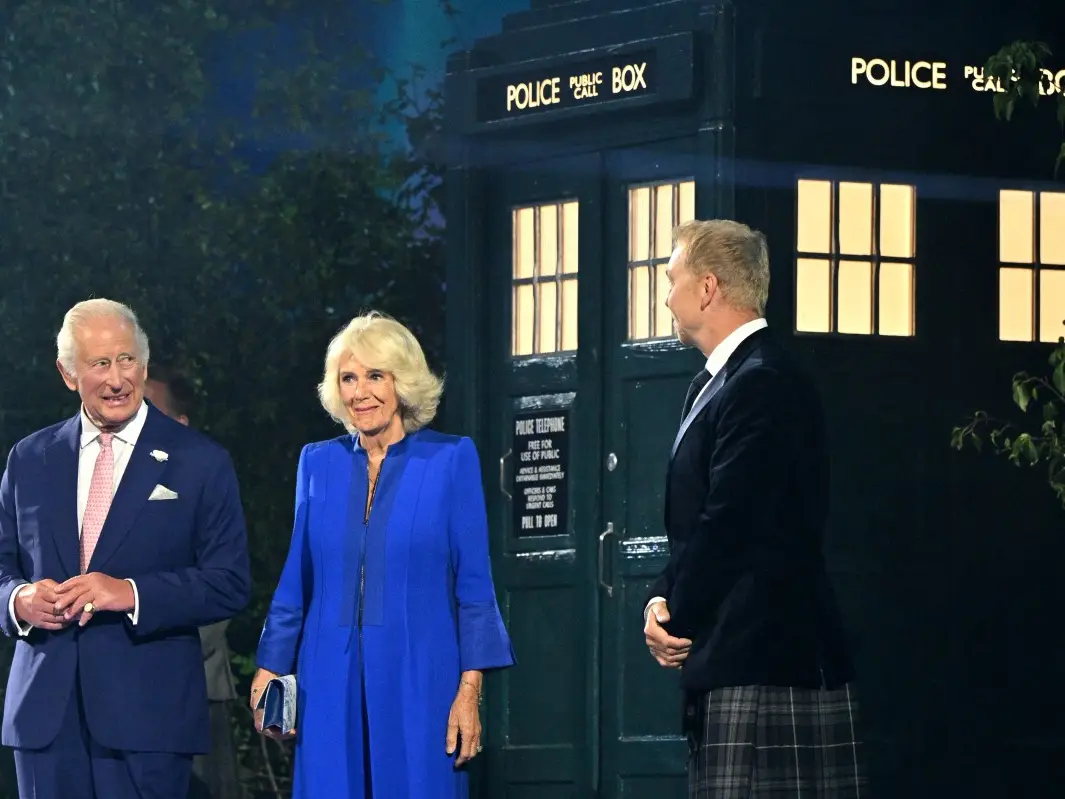)
The Royals enter the Doctor Who universe: King Charles and Queen Camilla beam into Commonwealth Games in TARDIS
)
Unitree Robotics targets $9 billion valuation in landmark IPO backed by DeepSeek and Tencent
)
India names 27 sites in Arunachal Pradesh
)
Bharat Bhhagya Viddhaata OTT: When will Kangana Ranaut's film stream online?
&im=FitAndFill=(700,400))
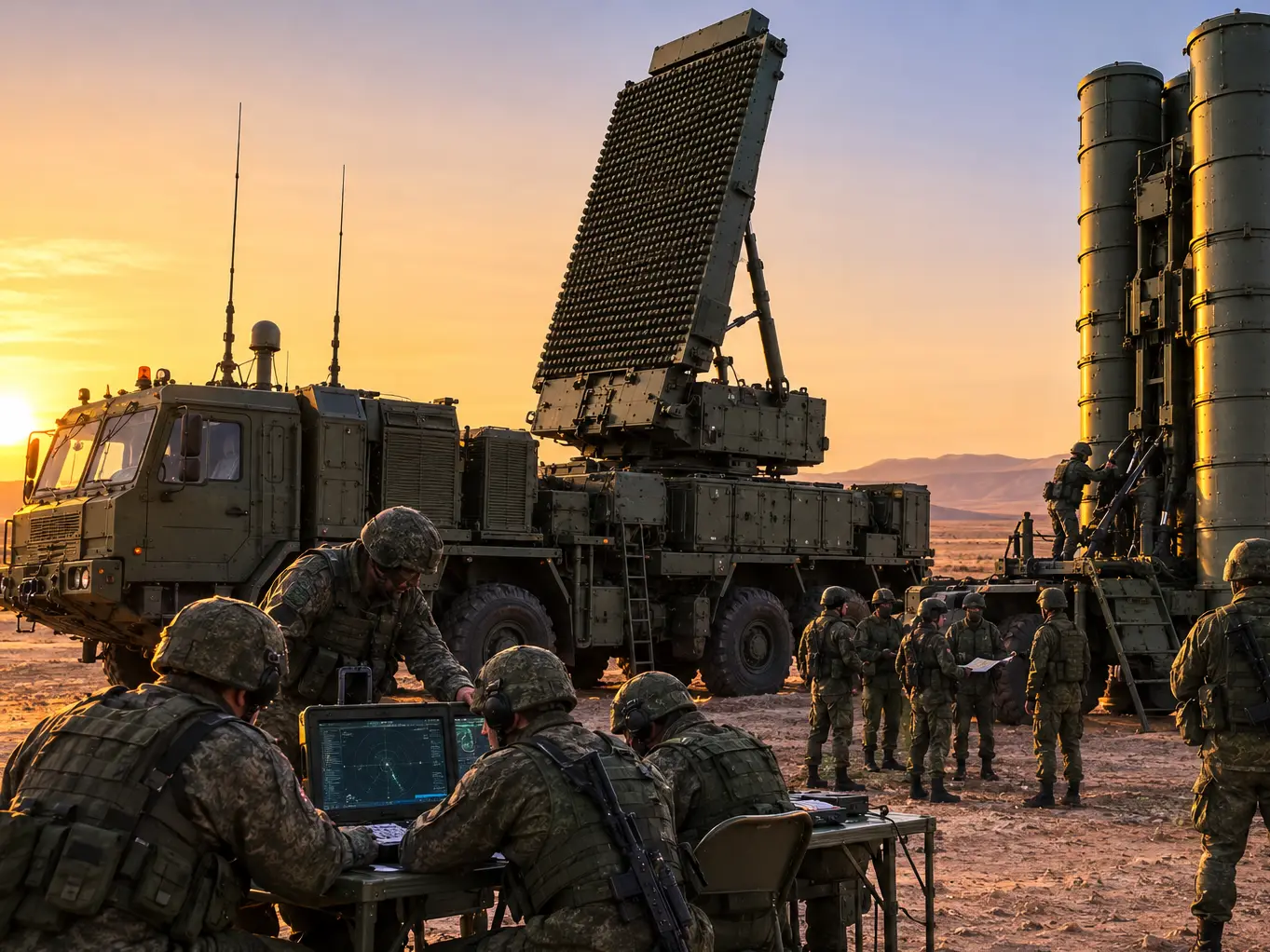
How many soldiers operate one S-400 battery?
)
Shakib Al Hasan ready to return to Bangladesh—under one condition
)
‘Fake news’: MEA rejects report claiming India sought defence pact with Israel after Pakistan, Saudi Arabia, Turkey deal
)
Rockstar to unveil GTA 6 extended look ahead of November launch
)
Russia forms Ukrainian Volunteer Spetsnaz Brigade to fight Ukraine
)
Drug-resistant fungus that hides in hair and enters bloodstream reported in 23 US states
)
Technology transfer deal boosts India's defence manufacturing ambitions
)
Border row erupts in Europe after Ceuta crossings, Spain imposes border controls on Italy
)
Morale plummets on USS Abraham Lincoln: Are US sailors reaching a breaking point? | GRAVITAS
)
'Security can't be bought with Pakistan, Turkey deal': Iran tells Saudi Arabia
)
Baba Vanga's 2026 prophecy: 2 predictions 'already came true', 3 terrifying ones remain. Details inside
)
Colombia’s new president Abelardo de la Espriella vows to ‘defeat narco-terrorists’, signals hardline shift
&im=FitAndFill=(700,400))
New Friday OTT releases (August 7, 2026): Operation Safed Sagar, Vadhandhi, Main Vaapis Aaunga- 6 movies and TV shows on Netflix, Prime Video and more
)
Squadron Leader Bhawana Kanth scripts history as Indian Air Force gets its first woman ‘Top Gun’ pilot
)
RSS says Gen Z protests reflect genuine distress
)
Trump says Iranian school bombing photos could be AI-generated - 'I don’t think...'
)
IAF officer held for sharing sensitive information in 'honey trap' case, booked under Official Secrets Act
)
Stray Kids under scrutiny? Fans react to Grammy submission silence after BTS boycott
&im=FitAndFill=(700,400))
Why the Su-30MKI doesn't need external fuel tanks to fly vast distances
)
Jugal Hansraj reunites with Shekhar Kapur after 40 years for Masoom: The Next Generation
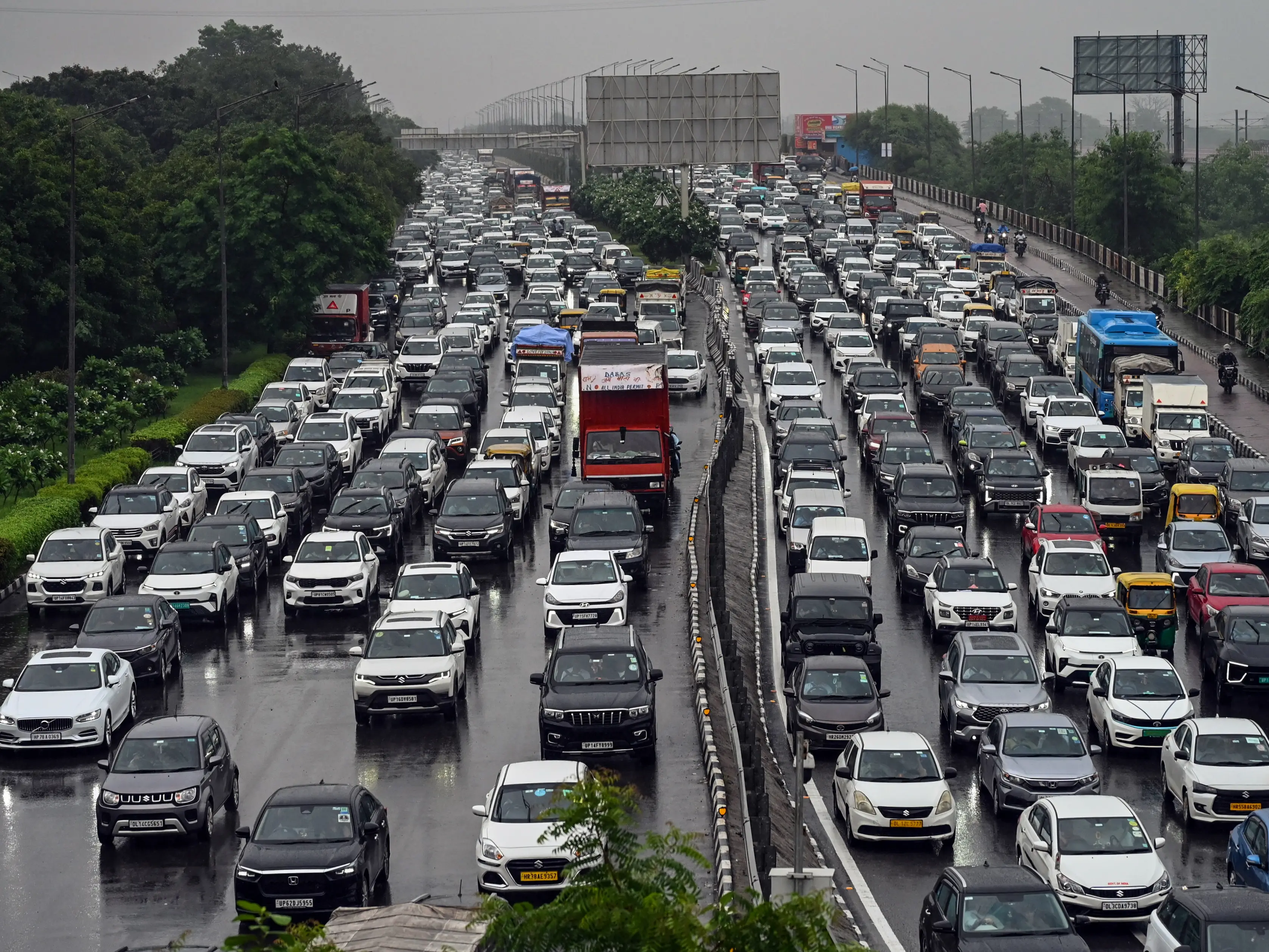)
New speed limits, automatic challans: Big traffic change coming to Delhi-Meerut Expressway. All you need to know
)
India officially names 27 places in Arunachal to counter China's renaming claims
)
Trump calls White House ballroom ruling a 'national disgrace' as court says Congress approval needed
)
US sanctions Iran’s crypto network after Strait of Hormuz attacks, offers $15m bounty for intel on IRGC finance
&im=FitAndFill=(700,400))
Why the Su-30MKI is one of the heaviest fighters ever built
)
Uttarakhand young innovator builds India's own flying vehicle, conducts first test flight: WATCH
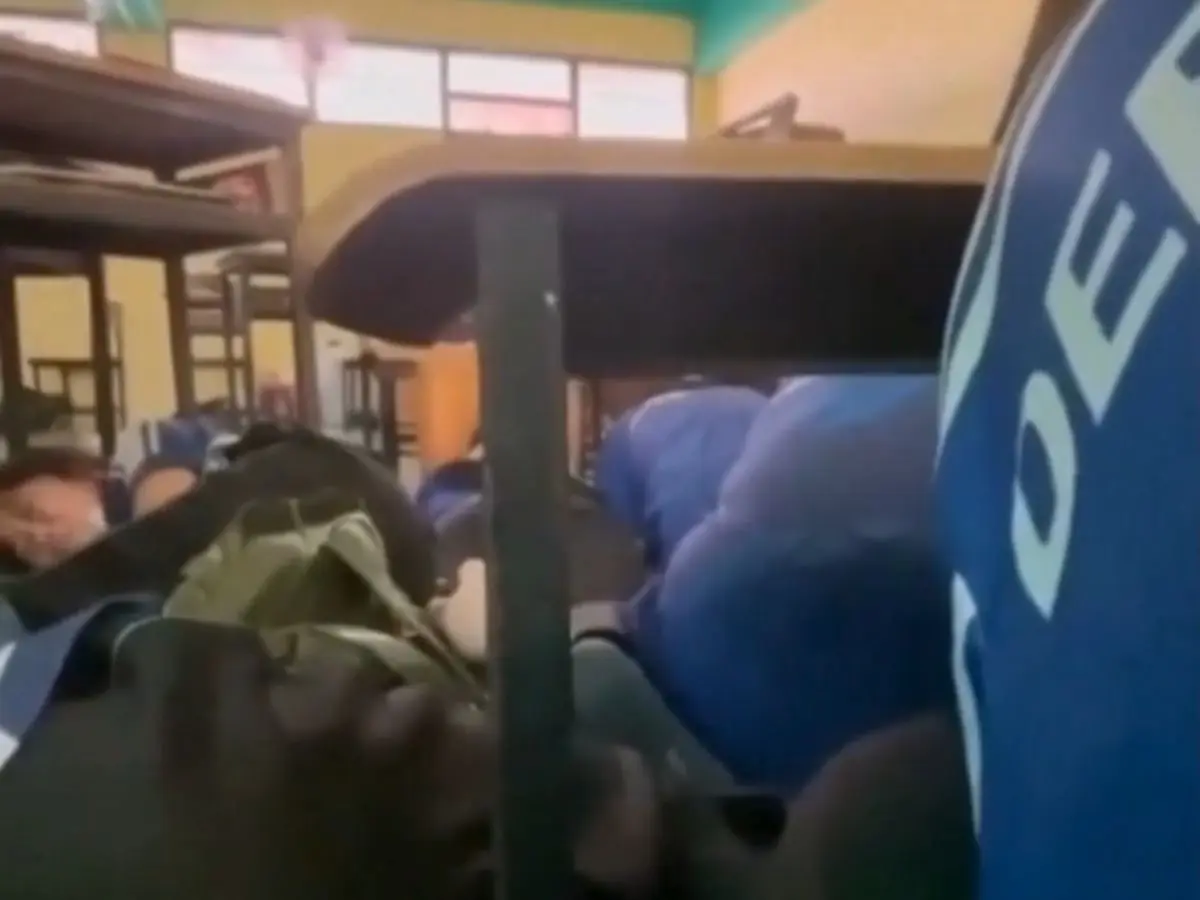)
Chilling video shows students take cover as teen opens fire at Thai school
)
Reese Witherspoon's father hospitalised after poolside incident in Nashville: Report
A key to this: Pay has not kept up with the cost ofcollegeborrowing.
Even though job opportunities have improved since the recession, Emmons thinks this year’s graduates could be weighed down by the same trends.
Although unemployment has declined to just 5.3 per cent foryoungcollegegraduates, the New York Federal Reserve reported in April that 42.5 per cent of recentcollegegraduates are underemployed, working in jobs that do not requirecollegedegrees.
While engineers are doing fine, with only 17 per cent of industrial engineers underemployed, some 57 per cent of liberal arts majors and 49 per cent of biological science majors are underemployed.
That suggests that Petracco’s problem finding a job stemmed not just from the recession. So manypeoplenow go tocollegethat competition for jobs is intense. And because somanypeople withcollegedegrees are available to employers, "We should not expect to go back to the 90s with big increases in salary,” for graduates, said Emmons.
GENERATION GAP
Buyer’s remorse over the bigcollegepurchase among 20-somethings fits the times. There has been a tremendouschange in prosperity since baby boomers went tocollege.
For the generation born in the 1950s and 60s, when far fewerpeoplewent tocollege, graduating fromcollegelifted incomes foryoungadults 57 per cent higher thanpeoplewho did not go to college, according to the St. Louis Fed. Now it is just 43 per cent higher forpeopleborn in the 1980s, who now in their 30s or late 20s.
There has been an even worse drop-off in the ability to build wealth amongpeoplewho went to college. Baby boomers born in the 1950s bought homes shortly aftercollegeand quickly built wealth in their 20s and 30s. Their wealth was 185 per cent more than peers who had not gone to college.
Today, after borrowing heavily forcollegeand starting jobs with relatively stagnant pay, those born in the 1980s have wealth only 42 per cent above peers who did not go tocollege.
Housing – both rentals and buying – is unaffordable inmanymajor metropolitan areas. Freddie Mac recently reported that less than half ofcollegegraduates could afford to live independently in cities. Fewer own homes.
Those who do buy often do so with help from a parent or grandparent said Dana Bull, a 29-year-old Boston real estate agent who caters to her generation.
Having acollegedegree has not helped some of her peers, who struggle to get jobs. Then, Bull said, they compound the problem by adding on more debt for master's degrees.