CIA Director John Ratcliffe’s 'secret' Moscow trip caught senior White House officials off guard

&imwidth=600&imheight=450&format=webp&quality=medium "CIA Director John Ratcliffe’s 'secret' Moscow trip caught senior White House officials off guard")
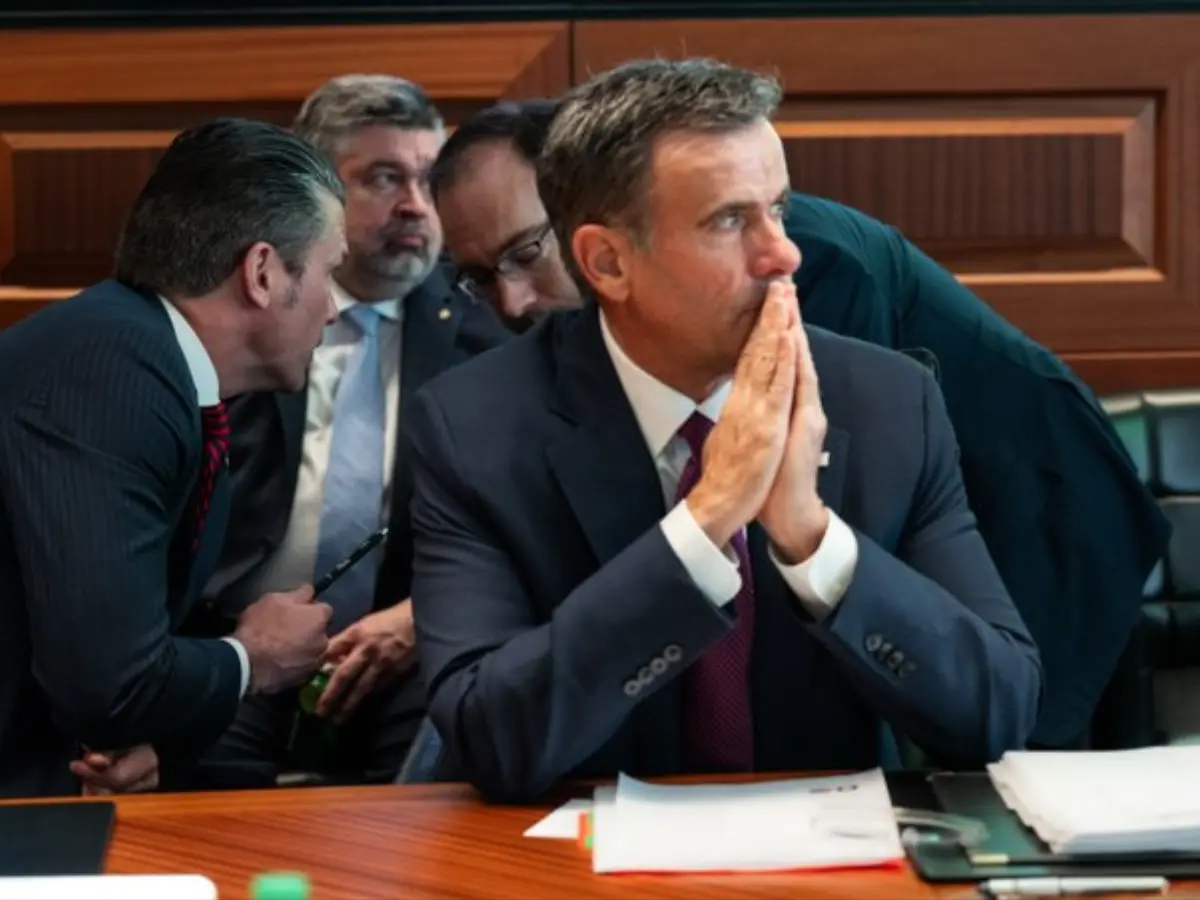
CIA Director John Ratcliffe Photograph: (White House/X)
John Ratcliffe’s secret Moscow mission delivered Trump’s message on Ukraine, NATO security and Russia’s growing ties with Iran
CIA Director John Ratcliffe made a highly sensitive diplomatic trip to Moscow this week at the personal direction of President Donald Trump, with some senior White House officials reportedly unaware of the mission beforehand. Trump personally sent Ratcliffe to Russia and limited advance knowledge of the trip, including the specific message he was expected to deliver to senior Kremlin officials, according to US officials.
The unusual mission came after several rounds of diplomacy involving other Trump administration envoys failed to halt the fighting in Russia’s war against Ukraine. In recent months, Moscow has intensified its attacks on Ukraine, strengthened its support for Iran’s regime and resisted US efforts to expand economic engagement. Ratcliffe traveled secretly to Moscow aboard an unmarked US C-17 military transport aircraft from Latvia. The visit prompted European officials to seek information after reports of the trip emerged.
After receiving briefings, two European officials said Ratcliffe reiterated to Russian intelligence officials that Washington remained committed to NATO’s Article 5, under which an attack on one member is treated as an attack on all. The Wall Street Journal had previously reported that Ratcliffe warned Russian officials against attacking NATO countries. The CIA director’s visit comes as U.S. and European intelligence assessments warn that Moscow could test NATO’s resolve within the next several years. European officials have also raised concerns that Russia has accumulated Ukrainian drones that could potentially be used in a false-flag operation against countries on NATO’s eastern flank.
Despite those concerns, Trump said on Thursday that he did not expect Putin to attack NATO members. Trump said Putin “won’t attack NATO territory.” Ratcliffe also discussed efforts to restart negotiations aimed at ending Russia’s invasion of Ukraine, according to U.S. and European officials. Kyrylo Budanov, head of Ukraine’s presidential office, said on Thursday that talks could resume in September. The CIA chief additionally urged Russian officials not to continue economic and security cooperation with Iran as the Trump administration increases pressure and sanctions against Tehran.
The CIA declined to comment on Ratcliffe’s trip. The White House referred to Trump’s recent public remarks, including an interview with conservative radio host Glenn Beck in which Trump described the CIA director’s journey as “semi-routine.” The diplomatic mission comes amid growing concern in Europe over Russia’s military intentions. Some leaders, particularly in NATO’s eastern member states, sought to reassure their populations Thursday. “There is currently no reason for concern,” Latvia’s Prime Minister Andris Kulbergs said in a video posted on social media. “Latvia’s level of military threat hasn’t changed. The risk of direct military invasion threats to Latvia is currently low.”
Also Read: Iran VP says he would have stopped enrichment if he knew US would kill Supreme Leader Ali Khamenei
Trending Stories
&im=FitAndFill=(700,400)&imwidth=280&imheight=210&format=webp&quality=medium)
&imwidth=280&imheight=210&format=webp&quality=medium)
&imwidth=280&imheight=210&format=webp&quality=medium)
&imwidth=280&imheight=210&format=webp&quality=medium)
&imwidth=280&imheight=210&format=webp&quality=medium)
&imwidth=280&imheight=210&format=webp&quality=medium)
&imwidth=280&imheight=210&format=webp&quality=medium)
&imwidth=280&imheight=210&format=webp&quality=medium)
&imwidth=280&imheight=210&format=webp&quality=medium)
&imwidth=280&imheight=210&format=webp&quality=medium)
&imwidth=280&imheight=210&format=webp&quality=medium)
&imwidth=280&imheight=210&format=webp&quality=medium)
&imwidth=280&imheight=210&format=webp&quality=medium)
&imwidth=280&imheight=210&format=webp&quality=medium)
&imwidth=280&imheight=210&format=webp&quality=medium)
&imwidth=280&imheight=210&format=webp&quality=medium)
&imwidth=280&imheight=210&format=webp&quality=medium)
&imwidth=280&imheight=210&format=webp&quality=medium)
&im=FitAndFill=(700,400)&imwidth=280&imheight=210&format=webp&quality=medium)
&imwidth=280&imheight=210&format=webp&quality=medium)
&imwidth=280&imheight=210&format=webp&quality=medium)
&imwidth=280&imheight=210&format=webp&quality=medium)
&imwidth=280&imheight=210&format=webp&quality=medium)
&imwidth=280&imheight=210&format=webp&quality=medium)
&imwidth=280&imheight=210&format=webp&quality=medium)
&imwidth=280&imheight=210&format=webp&quality=medium)
&imwidth=280&imheight=210&format=webp&quality=medium)
&im=FitAndFill=(700,400)&imwidth=280&imheight=210&format=webp&quality=medium)
&imwidth=280&imheight=210&format=webp&quality=medium)
&imwidth=280&imheight=210&format=webp&quality=medium)
&imwidth=280&imheight=210&format=webp&quality=medium)
&imwidth=280&imheight=210&format=webp&quality=medium)
Nevertheless, European officials say Russia is already conducting an expanding hybrid campaign against Ukraine’s European allies. The alleged campaign has included drones, cruise missiles, cyberattacks and explosive-filled packages, raising fears that an incident could trigger a broader confrontation. European leaders view these actions as part of an effort to weaken support for Ukraine and undermine NATO unity. US and European officials assess that Russian President Vladimir Putin continues to pursue the strategic objective of taking control of Ukraine. According to those assessments, the Kremlin is revising potential military plans involving NATO after Russia suffered significant battlefield casualties, weapons shortages and economic pressure during the war.
The concern extends beyond the immediate conflict. Several European officials believe Russia could represent a substantially greater conventional military threat by 2030, when Moscow could have rebuilt forces depleted by the Ukraine war while European countries are still expanding their own military capabilities. Ending Russia’s invasion of Ukraine has remained a major foreign-policy objective for Trump during his second term. He has repeatedly sent special envoy Steve Witkoff to Moscow for meetings with Putin and later involved his son-in-law Jared Kushner in the diplomatic effort.
Secretary of State Marco Rubio and former Ukraine envoy Keith Kellogg have also traveled internationally to engage with representatives of both Russia and Ukraine. Trump also held a summit with Putin in Alaska last August in an attempt to break the diplomatic deadlock. The meeting failed to produce a final agreement, while Trump administration officials subsequently continued pressing Ukraine to consider territorial concessions in eastern areas that Russia had not fully captured.
Ratcliffe's experience with Russia may have influenced Trump's decision to send him. US officials said the CIA director has helped secure the release of American hostages held in Russia and has experience working through the agency's longstanding relationships with Russian intelligence services. His close position within Trump's inner circle, combined with his knowledge of Moscow's intelligence establishment, makes Ratcliffe a potentially valuable channel for sensitive negotiations, US officials said.
Former senior US intelligence official and Senate national-security adviser JC Lintzenich said Ratcliffe's decision to deliver Trump's message personally was intended to make clear that diplomatic efforts over Ukraine would not weaken Washington's security commitments to Europe.
“Putin has a tolerance for extraordinary risk and is even potentially willing to escalate to compel de-escalation, but he is unlikely to roll the dice on actions that could threaten the Russian state,” said Lintzenich, now a senior fellow at the German Marshall Fund think tank in Washington, DC. Ratcliffe's mission therefore carried two messages at once: Washington remains interested in negotiations to end the Ukraine war, but Trump's pursuit of peace does not mean the United States is prepared to compromise on NATO's collective-defense commitments.

