China wants Japanese PM Takaichi to take back 'wrongful' remark about Taiwan; Tokyo says 'don't overreact'

&imwidth=600&imheight=450&format=webp&quality=medium "China wants Japanese PM Takaichi to take back 'wrongful' remark about Taiwan; Tokyo says 'don't overreact'")
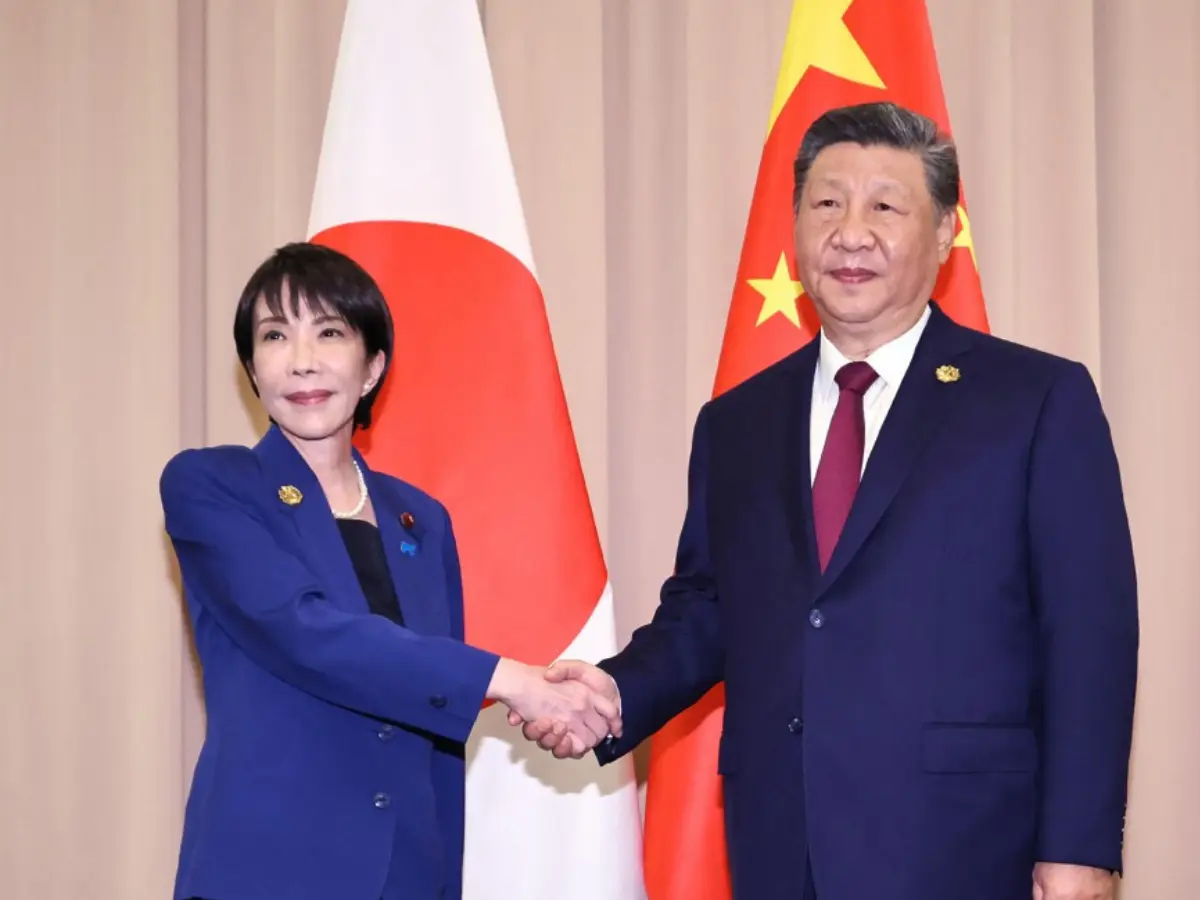
Chinese President Xi Jinping and Japan's new Prime Minister Sanae Takaichi Photograph: (AFP)
Japan and China are facing a diplomatic rift after Japanese PM Takaichi’s remarks on “survival-threatening situations” involving a potential Chinese attack on Taiwan. China condemned the comments, triggering travel warnings, suspended flights, film delays, and tensions in tourism, education
Amid diplomatic fallout between Japan and China, officials from both sides met in Beijing on Tuesday (Nov 18), to ease the tensions in the bilateral ties. Liu Jinsong, Director General of the Department of Asian Affairs of the Chinese Foreign Ministry, held consultations with Kanai Masaaki, Director-General of the Japanese Foreign Ministry's Asian and Oceanian Affairs Bureau. Chinese Foreign Ministry spokesperson Mao Ning told the media that during the talks, China urged Japan to withdraw its wrongful remarks and stop creating trouble on China-related issues. It also said that China will never allow the resurgence of Japanese militarism, nor will China allow anyone to challenge the post-war international order and undermine global peace and stability ever again, AFP reported. Japanese media reported that through the talks Tokyo aimed to calm the diplomatic spat that has begun to affect tourism, education and entertainment sectors between the two neighbouring countries.
What was Takaichi's statement?
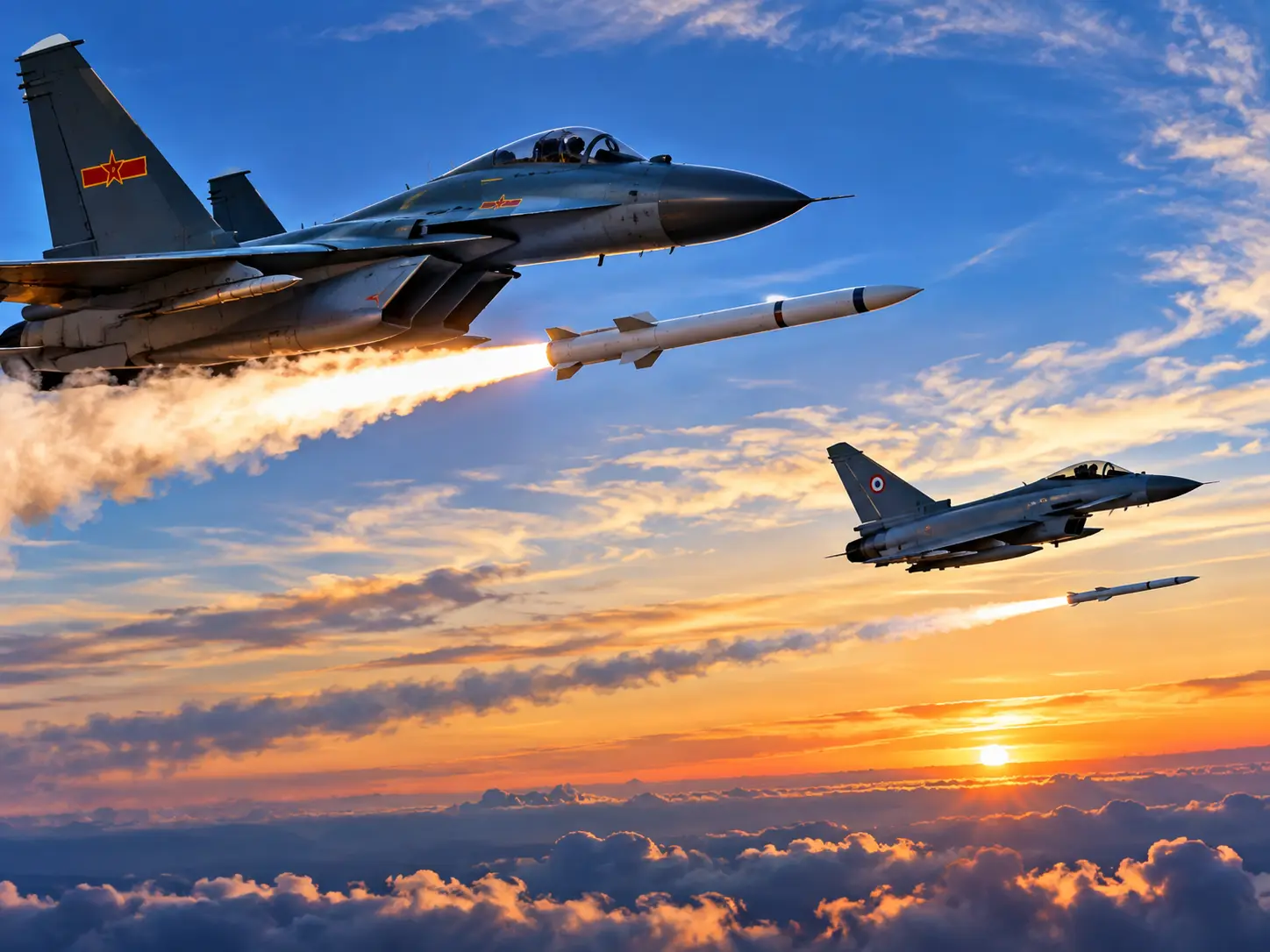
On Nov 14, Takaichi was asked by an opposition lawmaker in parliament about “survival-threatening situations.” In response, Takaichi gave an example that an attempt to bring Taiwan completely under the control of Beijing using battleships and military force could constitute such a situation. She also added that an attack on US warships sent to break any Chinese blockade on Taiwan could require Tokyo to intervene militarily to defend itself and its ally.
What is the meaning of ‘survival-threatening situations’?
The term ‘survival-threatening situation’ used by Japanese Prime Minister Takaichi refers to a specific legal term in Japanese law that was made under the 2015 security legislation. It describes a situation where an armed attack on a foreign country closely related to Japan poses a threat to Japan's survival and clearly endangers the fundamental rights of the Japanese people. Under the law, the Japan Self-Defense Forces (JSDF) can retaliate alongside the US and other nations based on their right of collective self-defence, even if Japan itself is not under attack. To make the law effective, three conditions must be met: first, an armed attack occurs against a country closely related to Japan; second, there is a clear danger to Japan’s existence; and third, there are no other appropriate means available. When these conditions are met, the government will resort to the “minimum necessary use of force.”
How China reacted?
Trending Stories
)
)
)
)
)
)
)
)
)
&im=FitAndFill=(700,400))
)
)
&im=FitAndFill=(700,400))
)
&im=FitAndFill=(700,400))
)
)
)
)
)
&im=FitAndFill=(700,400))
)
)
)
)
)
)
)
)
)
)
)
)
)
)
)
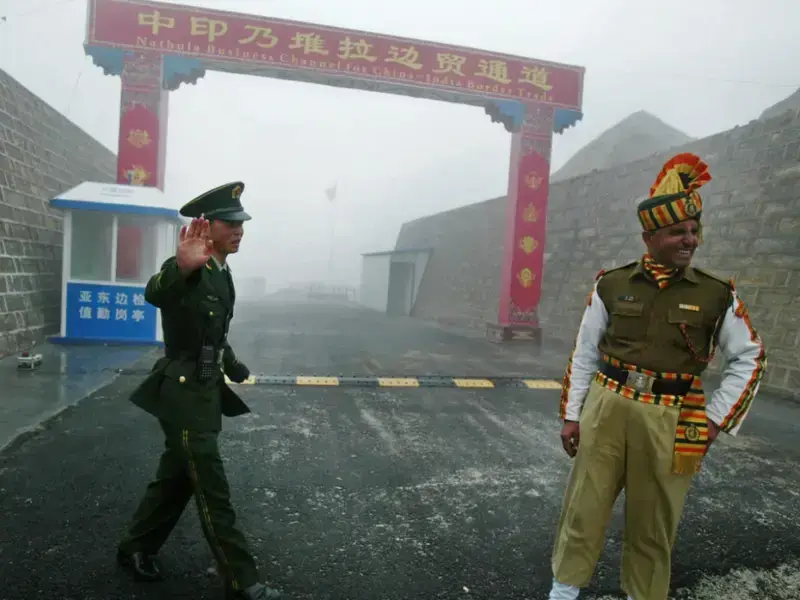)
Beijing reacted sharply to Takaichi's remark, and termed it as direct challenge to its sovereignty over Taiwan. The fallout has triggered a multisector freeze affecting air travel, tourism and student exchanges. China’s Coast Guard has launched “lawful patrol operations” near the contested Senkaku (Diaoyu) Islands - that is claimed by both China and Japan, even as Japan’s Coast Guard said it drove the vessels away. It issued a travel advisory urging Chinese citizens to avoid Japan, citing Takaichi's statement. Major Chinese airlines Air China, China Southern, and China Eastern — offered free changes or full refunds for Japan-bound trips. Moreover, Chinese distributors suspended Japanese film releases, including Crayon Shin-chan and Cells at Work! China’s education ministry also warned students of risks in studying in Japan. In response, Japan urged its nationals in China to be cautious, avoid crowds, and stay alert amid the worsening atmosphere.
What has Japan said after Chinese reaction?
Takaichi clarified that her comments were “hypothetical”, but refused to retract them. While China said that that Japanese PM should retract the ‘erroneous’ statement completely, Japanese leaders are of the opinion that China ‘overreacted.’ Japan's government has urged China to continue dialogue and scale back its response, with Chief Cabinet Secretary Minoru Kihara stating that China's travel warning was "incompatible" with the broader goal of promoting a mutually beneficial and stable relationship. Japanese officials also reaffirmed Japan's commitment to the 1972 agreement that "understands and respects" Beijing's position on Taiwan.

