China, US strike $30 billion tariff deal, agree to launch AI dialogue

&imwidth=600&imheight=450&format=webp&quality=medium "China, US strike $30 billion tariff deal, agree to launch AI dialogue")
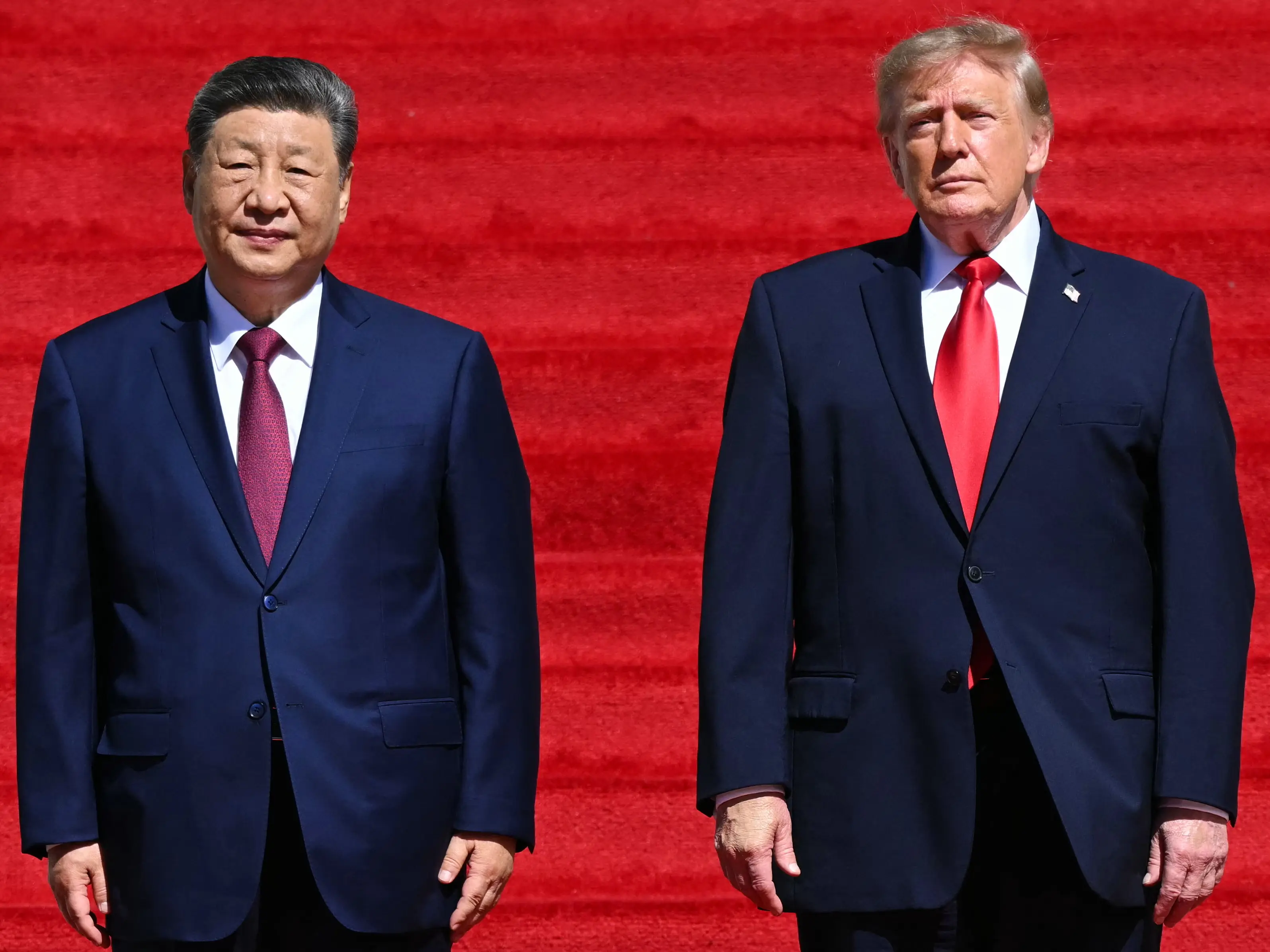
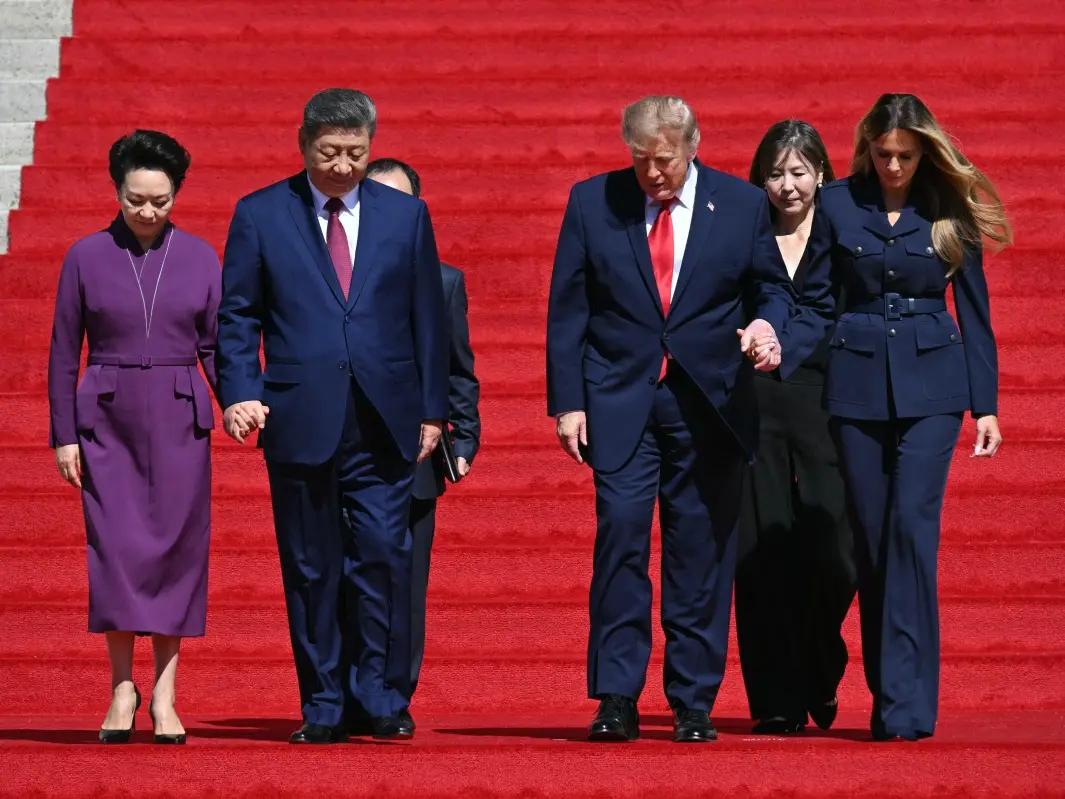
US President Donald Trump stands with China's President Xi Jinping as they arrive to visit the National Archives in Washington, DC on September 25, 2026. Photograph: (AFP)
China and the US agreed to a $30 billion tariff-reduction arrangement and new AI dialogue during Xi Jinping’s US visit, as both sides seek to stabilise ties after months of trade tensions.
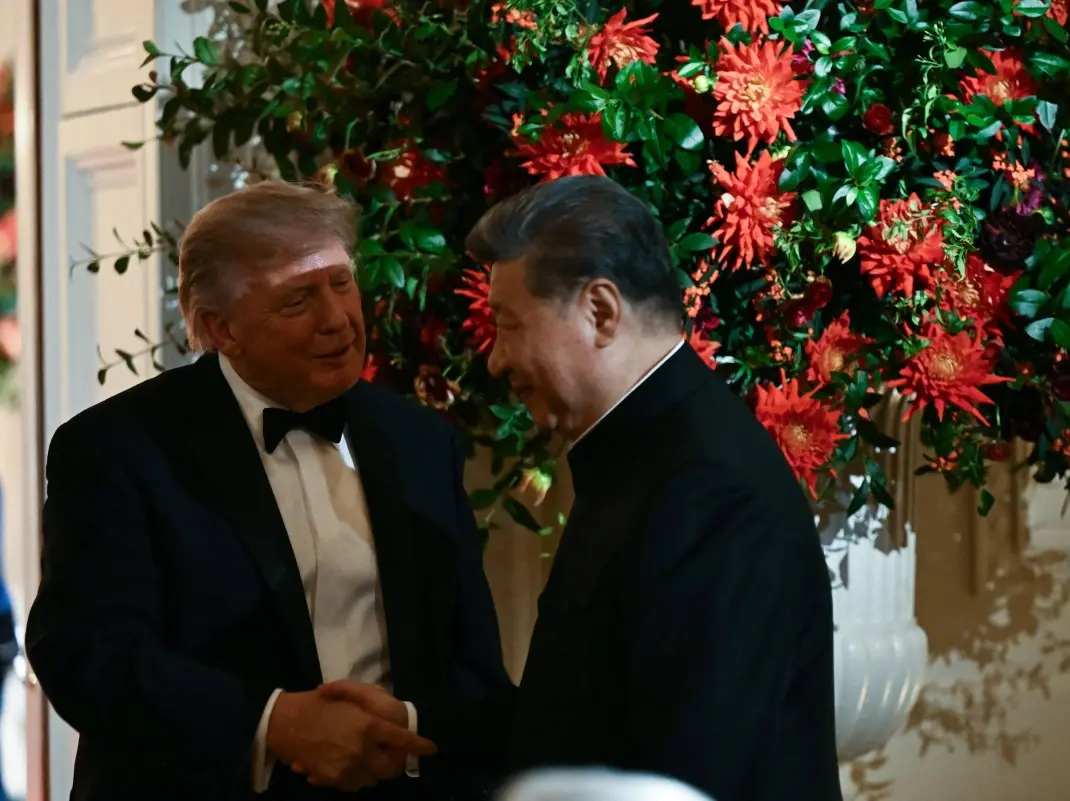
China and the United States have agreed to a reciprocal tariff-reduction arrangement covering $30 billion worth of goods and will launch a new dialogue on artificial intelligence, Beijing said on Saturday (Sep 26). This comes after Chinese President Xi Jinping’s three-day visit to Washington, during which he held talks with US President Donald Trump.
The agreements formed part of an eight-point consensus reached during Xi’s meetings with US President Donald Trump, as the world’s two largest economies seek to stabilise ties after months of trade tensions.
Trade takes centre stage
According to China’s Ministry of Foreign Affairs, the two sides endorsed the work of their economic teams and agreed to establish a trade council alongside the tariff-reduction arrangement.
The deal covers $30 billion of non-sensitive goods in each direction, according to a White House fact sheet released after the summit. The two countries also agreed to build on outcomes from their earlier talks in Kuala Lumpur.
Washington and Beijing had already agreed to extend their existing trade truce by two months, pushing the deadline beyond November 10 and giving negotiators more time to work towards a broader agreement, US Treasury Secretary Scott Bessent said.
Trending Stories
)
)
)
)
)
)
)
)
)
)
&im=FitAndFill=(700,400))
)
)
)
)
)
)
)
)
)
)
)
)
)
)
)
)
)
)
)
)
)
)
)
)
)
The summit ended with several mechanisms for continued engagement, although the leaders did not announce a sweeping new trade deal.
AI gets a new channel
Artificial intelligence emerged as another area where Washington and Beijing agreed to maintain direct communication.
The two sides will establish a dialogue covering the risks and benefits of advanced AI technologies, with the next round scheduled for November. They will also create a communication channel for AI-related incidents.
Xi said China and the US had “more reasons to cooperate than compete” on AI, arguing that both countries should exchange views on risks and work to prevent misuse and abuse of the technology.
Iran, global summits also discussed
The leaders also discussed foreign policy, agreeing that Iran should uphold its commitment not to develop nuclear weapons. They said no country or entity should impose tolls on international waterways.
Washington and Beijing also agreed to support each other as hosts of the Asia-Pacific Economic Cooperation (APEC) leaders’ meeting and G20 summit, with both leaders signalling plans to attend the gatherings hosted by the other.
The two sides further recalled that China and the United States fought as allies during World War Two, adding a historical note to a summit focused largely on managing their modern rivalry.

