ChatGPT can propel four-day work-week? Here's what Nobel Prize-winning economist says


ChatGPT can propel four-day work-week? Here's what Nobel Prize-winning economist says
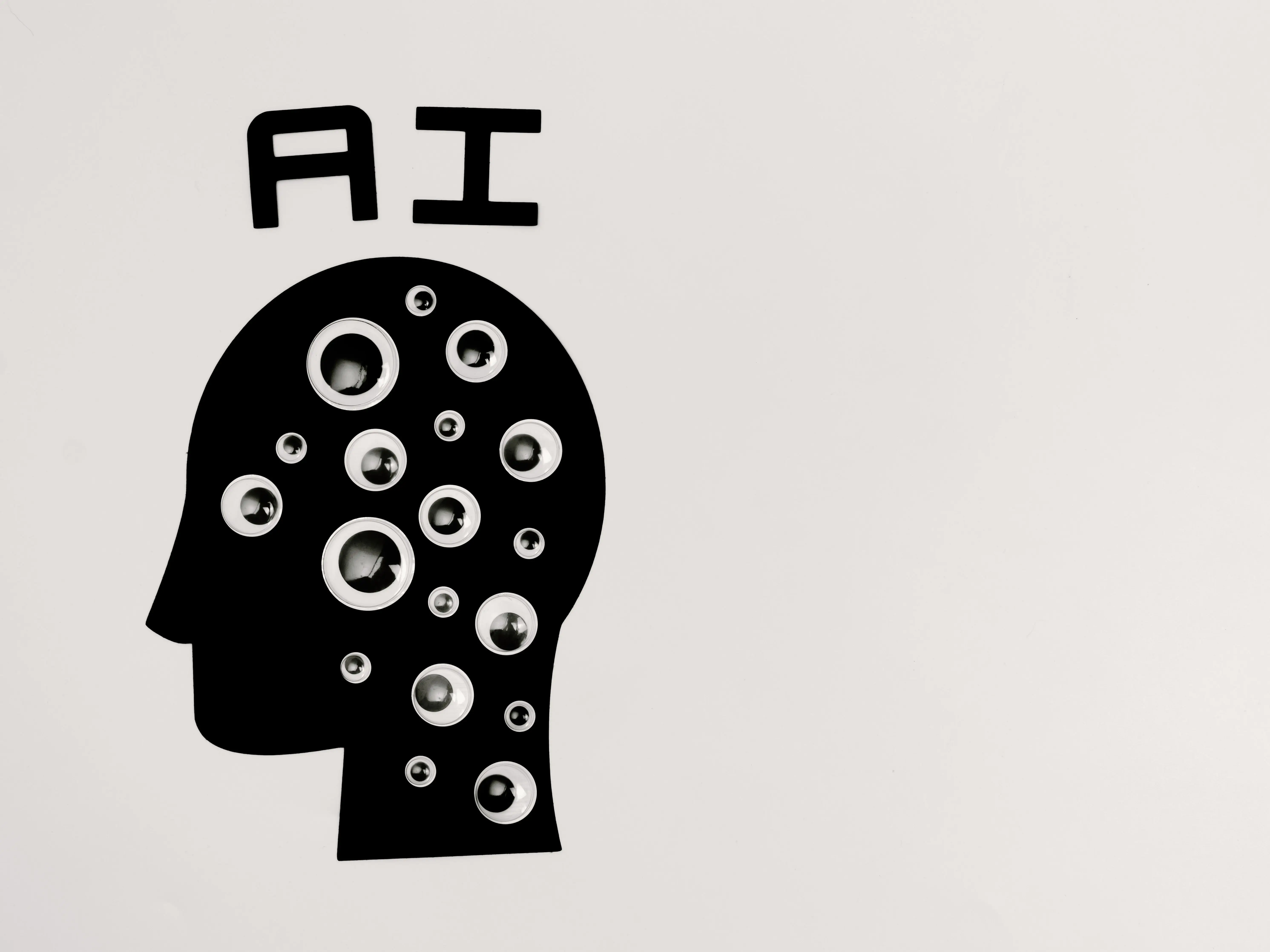
Have you ever wondered of a four-day workweek instead of the traditional five? A Nobel Prize-winning labour economist says that this is now more likely to happen as a result of the ChatGPT revolution since it will significantly increase productivity across a wide range of jobs.The idea behind a four-day workweek is to give employees an extra day off each week to improve their work-life balance, reduce stress, and improve overall well-being.
Also Read | Clashes erupt again at Jerusalem's Al-Aqsa Mosque, six injured
Christopher Pissarides, a professor at the London School of Economics who has expertise in the effects of automation on work exudes confidence that chatbots can help in boosting productivity. “I’m very optimistic that we could increase productivity.”

He made these remarks in an interview at a conference in Glasgow. “We could increase our wellbeing generally from work and we could take off more leisure. We could move to a four-day week easily.”
This comes amid apprehensions that the chatbots will snatch away our jobs, millions of them. But the comments and analysis seem to give a glimmer of hope that chatbots like Open AI's ChatGPT can be a positive driving force too.
Overall, the idea of a four-day workweek has gained traction in recent years, with more companies considering it as a potential way to improve employee well-being and productivity.
)
What’s in a name? Trump’s 'Lake America' move gets a tit-for-tat response from Canada
)
Trump gifts Xi a bald eagle sculpture at White House dinner: Here’s what it symbolises
)
‘Not just a local tragedy’: Nepal PM Shah warns UN of growing climate threat, says Nepal floods were 'a warning to the world'
)
CNN, Politico and MS NOW back in White House after judge blocks Trump’s media ban
)
US judge questions Trump’s decision to ban CNN, MS NOW and Politico from White House
)
Farhan, who went viral for AK47 celebration vs India in Asia Cup, hopes to lead Pakistan beyond Asian Games
)
'We would all be dead': Netanyahu defends decision to strike Iran's nuclear facilities in his UN speech
)
IIT Bombay CCTV footage emerges: Sahil Wakode seen looking at phone in examination hall
)
Cyclone Arnab: Landfall expected before midnight tomorrow as IMD issues orange alerts across six states
)
Welcome actor Mushtaq Khan dies at 56 after battling cancer
)
Trump's welcome to Xi demonstrates 'attraction' to dictators: Chuck Schumer
)
WION Iconic Tourism Summit 2026: Union Minister Shekhawat on 'experiential travel', peace diplomacy
)
Nations League: Germany draw on Klopp debut; Portugal, Norway win
)
Scientists detect first radio signals directly from faraway planet
)
A seven-day roadmap? Iran proposes plan to end war, reopen Strait of Hormuz and resume nuclear talks
)
China to test supersonic jet that moves at Mach 2, double the speed of sound
)
Xi Jinping's 'special plane' vs Trump's Air Force One: What's the difference?
)
UNGA 2026: Israeli PM attacks Britain, France for past colonialism
)
West Indies coach Sammy looking at India series as opportunity to finetune ahead of ODI World Cup 2027 qualifiers
)
‘We’ve never gotten along better’: Trump praises Xi, jokes about White House ballroom at high-stakes state dinner
)
Nearly half of young people trust AI over humans to check facts, major study finds
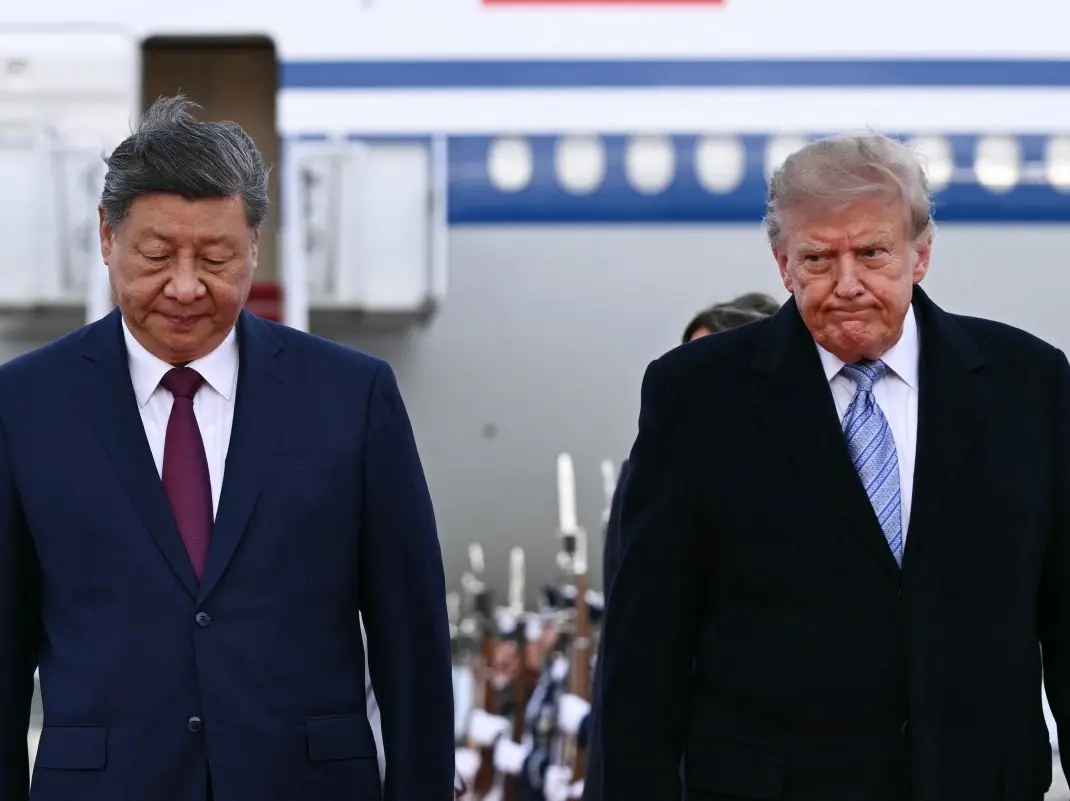)
'Partners rather than rivals': Xi Jinping's first message after landing in US for Trump summit
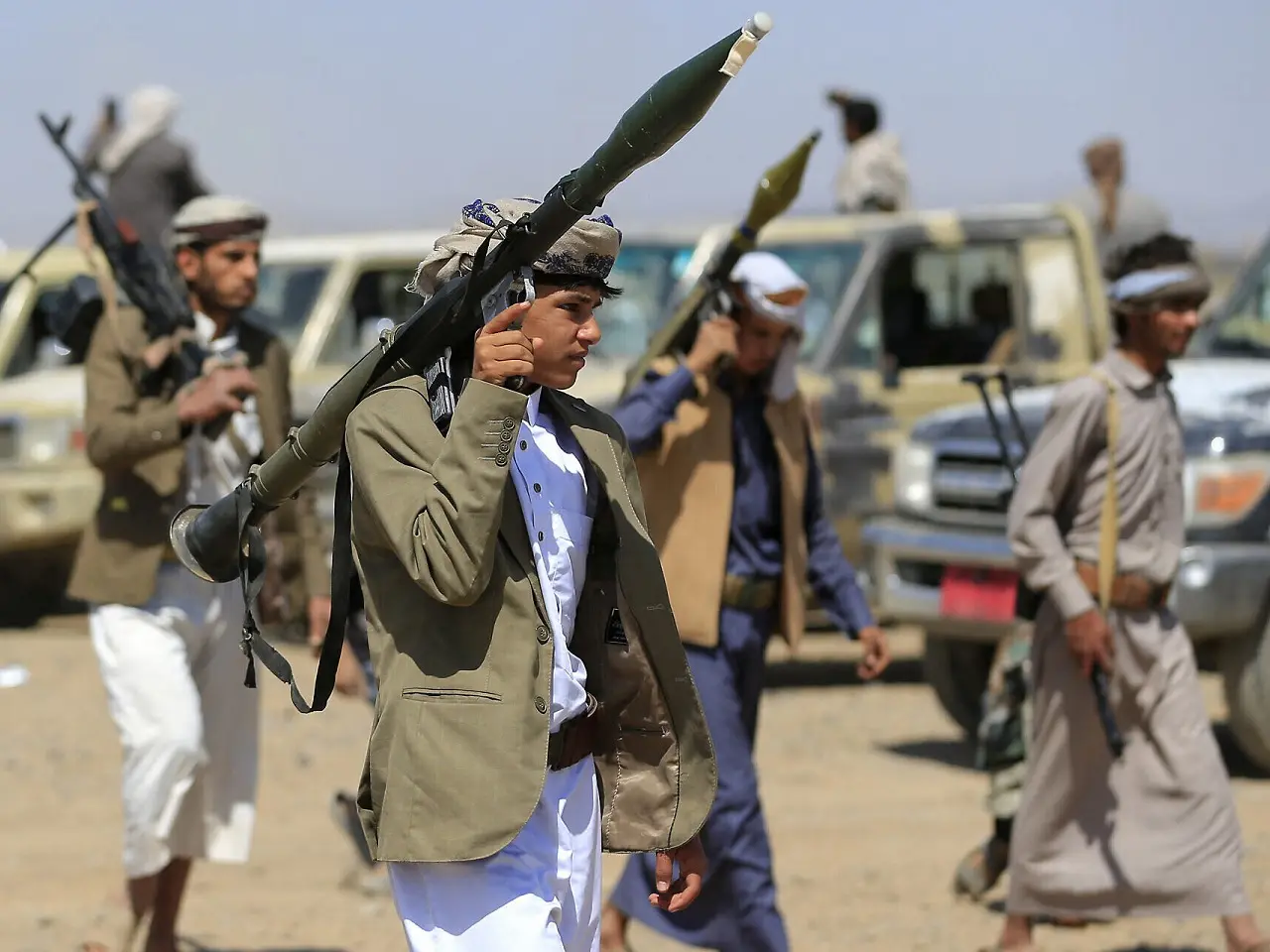)
Yemen called Trump for US military support in fight against Houthis: Official
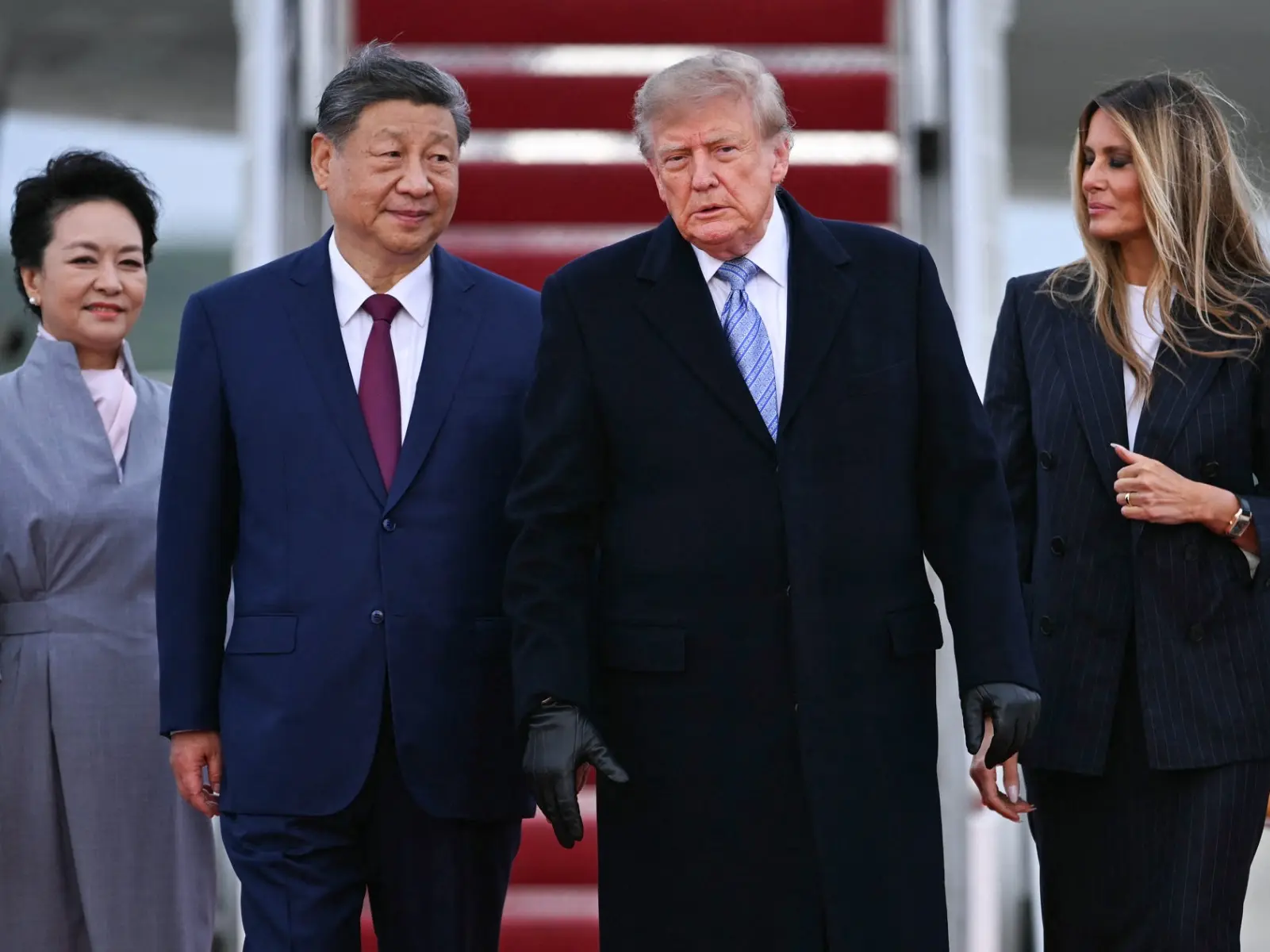)
2,000-foot tube, laser tests and more: China builds towns to expand nuclear arsenal, satellite images show
)
Meet Adrian Abraham: 9-year-old Indian-origin guitar prodigy aiming for a Guinness World Record
)
US faces fresh cost crunch as mortgage rates hit 7%, oil tops $107 and gas prices surge
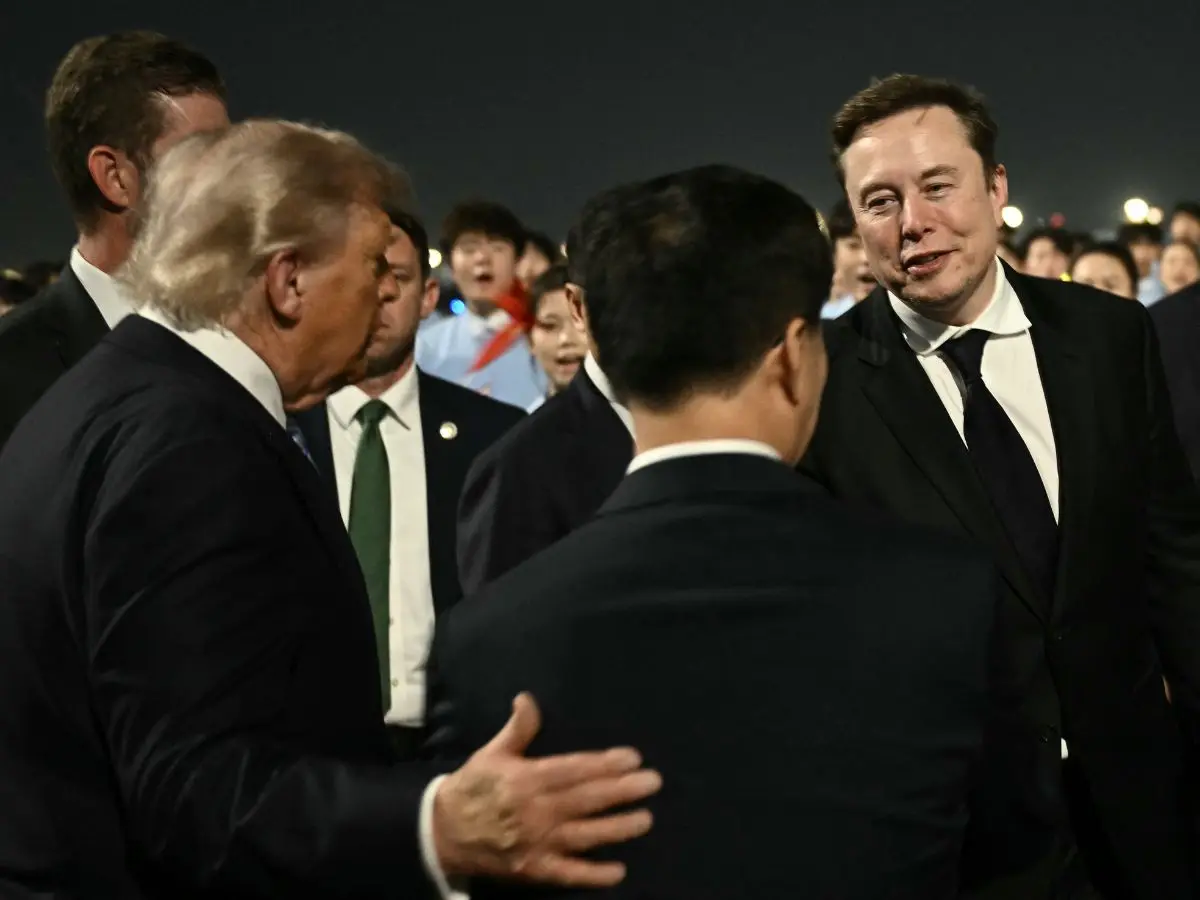)
Trump-Xi state dinner 2026: Who is invited? Full guest list of tech CEOs, business leaders and officials
)
Alarming video emerges as landslide damages houses in Sikkim’s Rimbi village. Watch
)
'Making history': Xi Jinping praises Trump as US-China leaders dine at White House
)
Australian PM Anthony Albanese calls OpenAI AI incident 'unacceptable' after restricted data access
)
'What kind of confession is this?': Pakistan PM Shehbaz Sharif’s 'terrorists would be roaming New York' remark goes viral, raises alarm online. Watch
&im=FitAndFill=(700,400))
Netanyahu at UN: Mass walkout, attack on Mamdani and Iran threats | In Pics
)
'We do not wish to continue. It's America that must choose': Iran president Pezeshkian calls on US to end war
)
WION Iconic Tourism Summit: How local tourism MSMEs must upskill for AI integration
)
Bollywood mourns Mushtaq Khan: Sunny Deol, Rajpal Yadav and others pay tribute
)
EC appointment law: Why is the 2023 act controversial, and what happens next? WION explains
)
Who is Lt-Gen Nauman Mahmood, Pakistan's first secretary general of Makkah Defence Alliance?
)
Israeli envoy to US Yechiel Leiter’s son critically injured in West Bank ramming attack
)
'Fund people, not bombs': Hundreds take to New York streets as Netanyahu delivers speech at UN; dozens arrested
Also Read | China condemns meeting between US House speaker and Taiwan president, vows 'resolute' response
For his contributions to the study of markets with search frictions, Christopher Pissarides received the 2010 Nobel Prize in Economics. According to Pissarides, technology like automated chatbotsmight still be utilised for evil purposesincluding spying or invasions of privacy as well. Yet if utilised properly, he claimed, it might make a tremendous difference to productivity.
“They could take away lots of boring things that we do at work … and then leave only the interesting stuff to human beings,” he said.
Some companies have been experimenting with the implementation of a four-day workweek and have reported positive results. Few of them said that it increased productivity, employee satisfaction, and reduced absenteeism too.
However, implementing a four-day workweek requires careful planning and consideration to ensure that it does not negatively impact business operations or cause undue stress for employees who may need to complete the same amount of work in less time.
“There’s just no limit to how much work humanity could generate if they really want to work,” Pissarides said. “It will take long to have a real impact and during that time people will adjust. What you need in this adjustment is basically upskilling.”
Earlier, according to Goldman Sachs experts, the most recent wave of artificial intelligence, which has given rise to websites like ChatGPT, has the potential to automate up to 300 million full-time jobs globally.
Watch | Gravitas: Is India emerging as a space leader?
In research published on 26 March, they anticipated that 18% of jobs may be digitised globally. Goldman Sachs estimates that widespread adoption of AI may ultimately raise worker productivity and increase global GDP by 7% annually over the next 10 years.
WATCH WION LIVE HERE
You can now write for wionews.com and be a part of the community. Share your stories and opinions with us here.