Can Trump really order Iran’s destruction if he is assassinated? Here’s what US law says

&imwidth=600&imheight=450&format=webp&quality=medium "Can Trump really order Iran’s destruction if he is assassinated? Here’s what US law says")
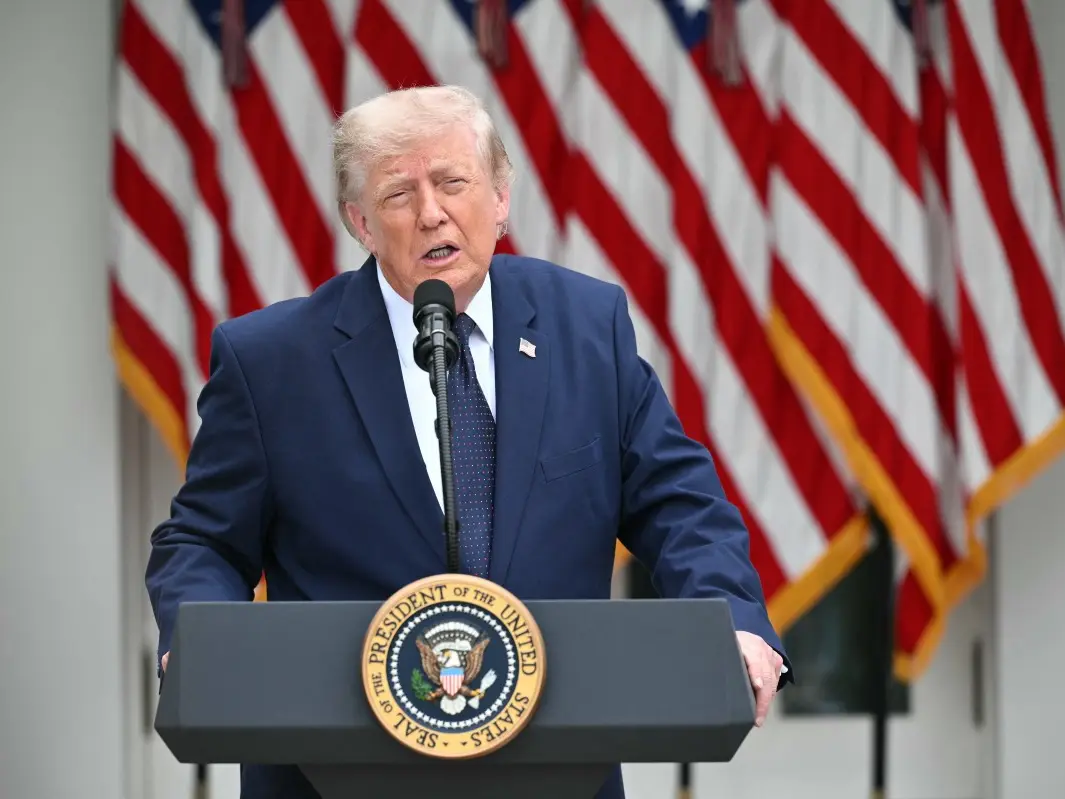
US President Donald Trump speaks during a Rose Garden Club event on the Rose Garden of the White House in Washington, DC, on July 6, 2026. Photograph: (AFP)
Trump warned Iran of massive retaliation if he is assassinated, claiming US strike orders are already in place. But can a US president legally leave military orders that survive their death?
US President Donald Trump has renewed threats against Iran, warning that any assassination attempts on him would follow US attacks on the Islamic Republic. He claimed that 1,000 missiles were “locked and loaded” and were aimed at Iran should it attempt or succeed in a plan to eliminate him. This comes after reports suggested that Israeli intelligence pointed to an Iranian plot to assassinate Trump. This raises a question: Can a US president order military action after their death?
What did Trump say?
In a post on his Truth Social platform, Trump wrote, “1000 Missiles are Locked and Loaded and aimed at the Islamic Republic of Iran, with thousands of more to immediately follow, should the Iranian Government act on its threat, pronounced in many corners of the Globe, to assassinate, or attempt to assassinate, the sitting President of the United States of America, in this case, ME!”
He further added, “Orders have already been given, and the U.S. Military is ready, willing, and able, for a one year period of time, subject to extension, to completely decimate and destroy all areas of Iran - PRAISE BE TO ALLAH!”
Can presidents leave behind orders?
Trending Stories
&imwidth=280&imheight=210&format=webp&quality=medium)
&imwidth=280&imheight=210&format=webp&quality=medium)
&imwidth=280&imheight=210&format=webp&quality=medium)
&imwidth=280&imheight=210&format=webp&quality=medium)
&im=FitAndFill=(700,400)&imwidth=280&imheight=210&format=webp&quality=medium)
&imwidth=280&imheight=210&format=webp&quality=medium)
&imwidth=280&imheight=210&format=webp&quality=medium)
&im=FitAndFill=(700,400)&imwidth=280&imheight=210&format=webp&quality=medium)
&imwidth=280&imheight=210&format=webp&quality=medium)
&imwidth=280&imheight=210&format=webp&quality=medium)
&imwidth=280&imheight=210&format=webp&quality=medium)
&imwidth=280&imheight=210&format=webp&quality=medium)
&imwidth=280&imheight=210&format=webp&quality=medium)
&imwidth=280&imheight=210&format=webp&quality=medium)
&imwidth=280&imheight=210&format=webp&quality=medium)
&imwidth=280&imheight=210&format=webp&quality=medium)
&imwidth=280&imheight=210&format=webp&quality=medium)
&imwidth=280&imheight=210&format=webp&quality=medium)
&imwidth=280&imheight=210&format=webp&quality=medium)
&imwidth=280&imheight=210&format=webp&quality=medium)
&imwidth=280&imheight=210&format=webp&quality=medium)
&imwidth=280&imheight=210&format=webp&quality=medium)
&imwidth=280&imheight=210&format=webp&quality=medium)
&imwidth=280&imheight=210&format=webp&quality=medium)
&imwidth=280&imheight=210&format=webp&quality=medium)
&im=FitAndFill=(700,400)&imwidth=280&imheight=210&format=webp&quality=medium)
&imwidth=280&imheight=210&format=webp&quality=medium)
&imwidth=280&imheight=210&format=webp&quality=medium)
&imwidth=280&imheight=210&format=webp&quality=medium)
&imwidth=280&imheight=210&format=webp&quality=medium)
&imwidth=280&imheight=210&format=webp&quality=medium)
According to the US Constitution, the president serves as commander-in-chief only while holding office. If a president dies, resigns or leaves office, all executive powers immediately pass to the next president under the Presidential Succession Act and the 25th Amendment. This means that no president can legally command the armed forces after death. Any military action taken later would have to be authorised, confirmed or allowed by the sitting president.
If Trump was referring to a pre-authorised military plan, it would still not bypass the constitutional chain of command. Once a new president assumes office, that person gains full authority over US military operations. Military commanders are legally bound to follow orders from the current commander-in-chief, not a former or deceased president.
While presidents can approve contingency plans to respond quickly in case of wars, terrorist attacks and other national security emergencies, they are not irreversible commands. They can be changed, delayed or cancelled by the next commander-in-chief.
Watch | Trump agrees to fresh Iran talks as us imposes new sanctions amid rising Middle East tensions

