BRICS Fire Power: Defence is not an area of cooperation, but the bloc can pack a punch when it comes to collective military capabilities, spending

&imwidth=600&imheight=450&format=webp&quality=medium "BRICS Fire Power: Defence is not an area of cooperation, but the bloc can pack a punch when it comes to collective military capabilities, spending")
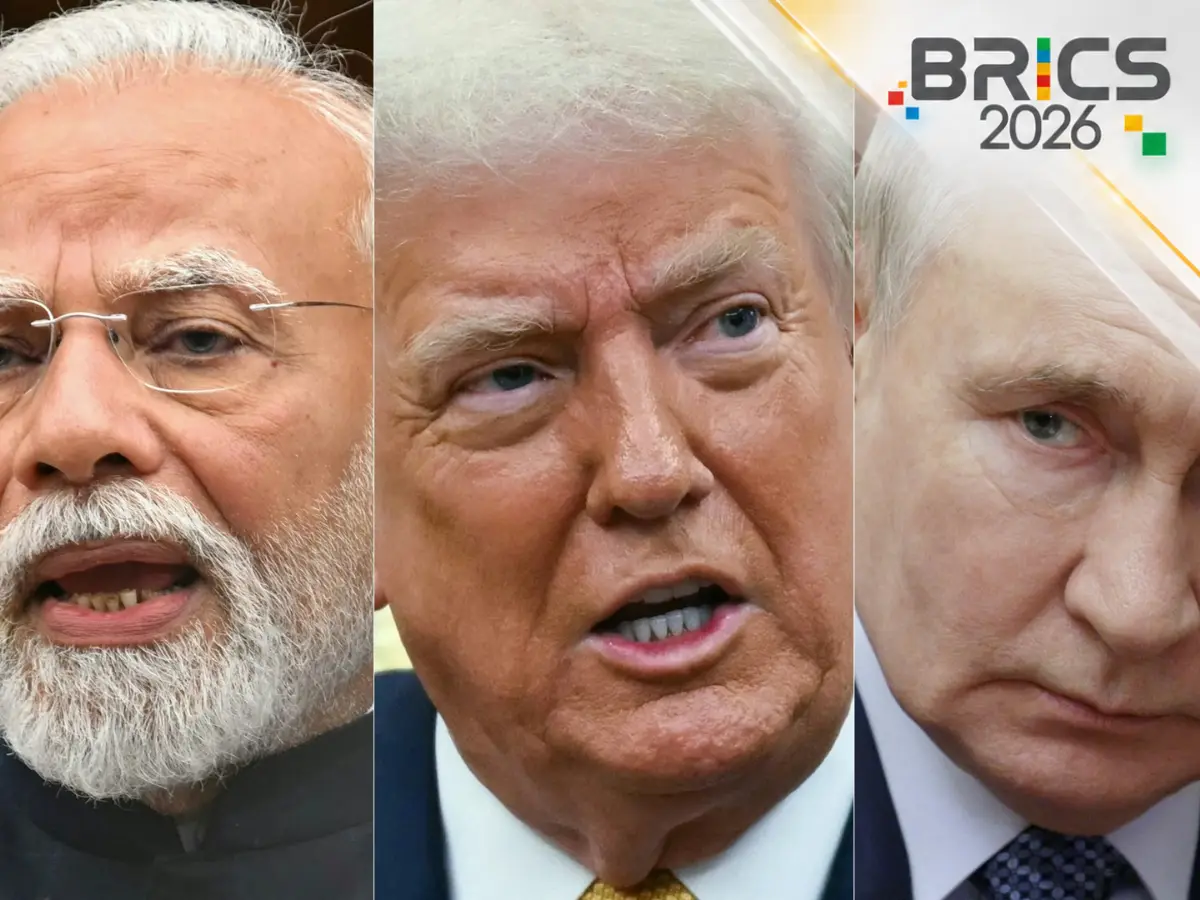
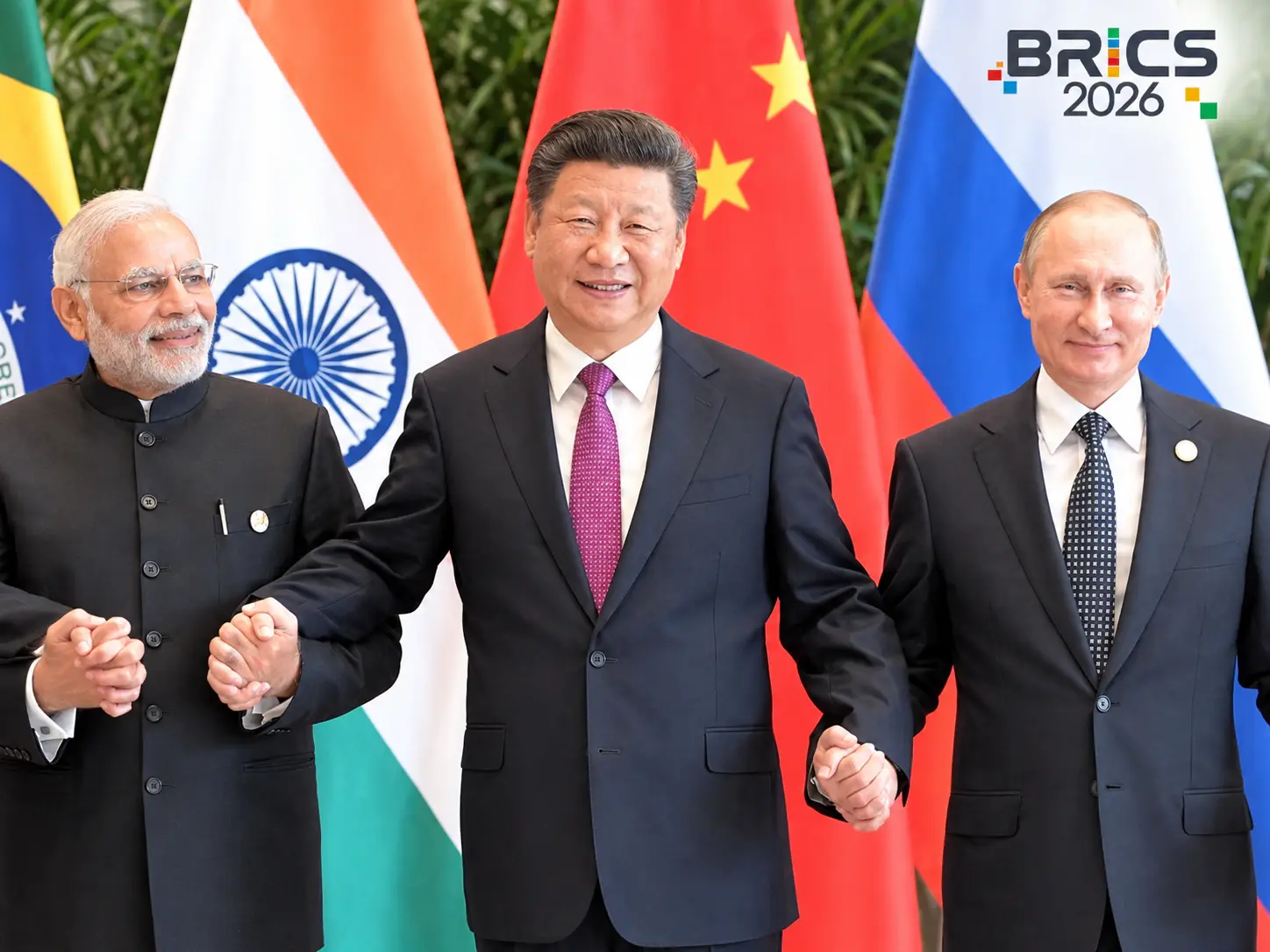
A file picture of India's Narendra Modi, China's Xi Jinping and Russia's Vladimir Putin at a BRICS event Photograph: (Others)
BRICS brings together three of the world's strongest conventional military powers - Russia, China and India. Could the 11-member bloc's vast defence industries and firepower ever fuel deeper strategic cooperation? A possibility or a far-fetched idea?
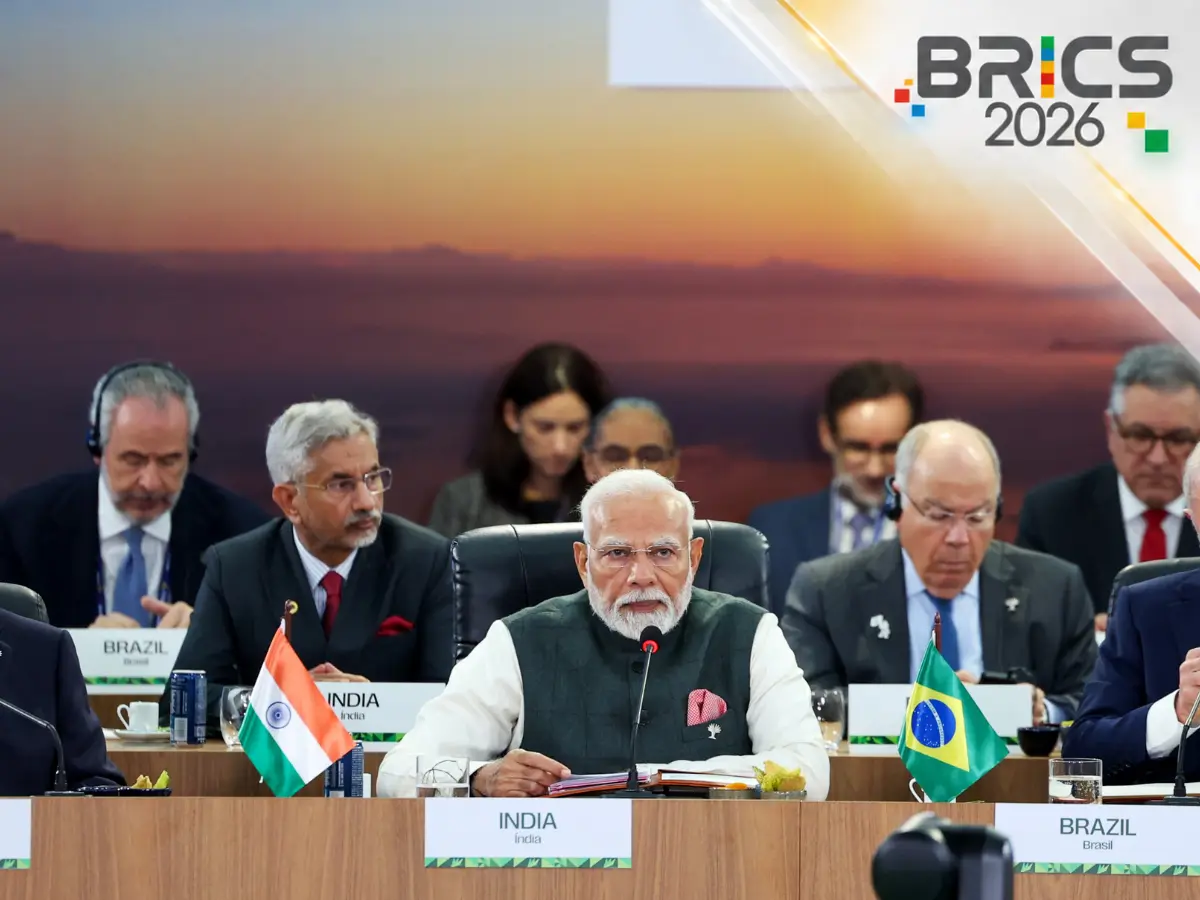
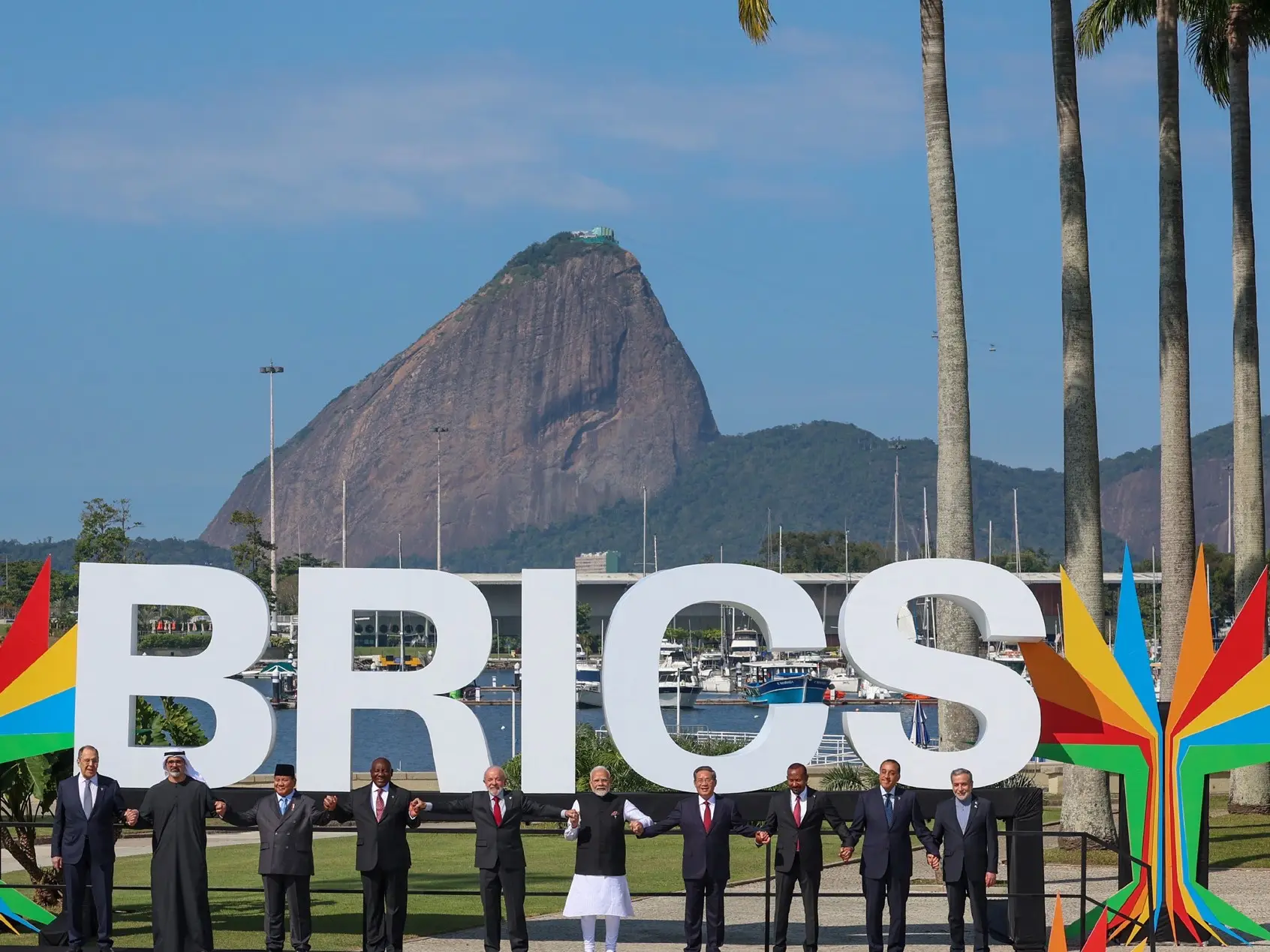
BRICS summit is around the corner. Though defence is not an aspect of this grouping, one can't miss the fact that the summit, being held this weekend in Delhi, brings together some of the biggest military powers in the world. BRICS, comprising the 11 members Brazil, Russia, India, China, South Africa, Egypt, Ethiopia, Indonesia, Iran, Saudi Arabia and the United Arab Emirates, is mostly a political and diplomatic coordination forum. It does not have a collective defence structure comparable to NATO, and its members do not operate under a mutual-defence commitment. Yet its expansion has created an unusual concentration of military capabilities, defence industries, manpower, strategic geography and financial resources. Could they one day channel their energies together? While that's up to debate, here is a look at their defence industries and firepower.
Russia: The military heavyweight of BRICS
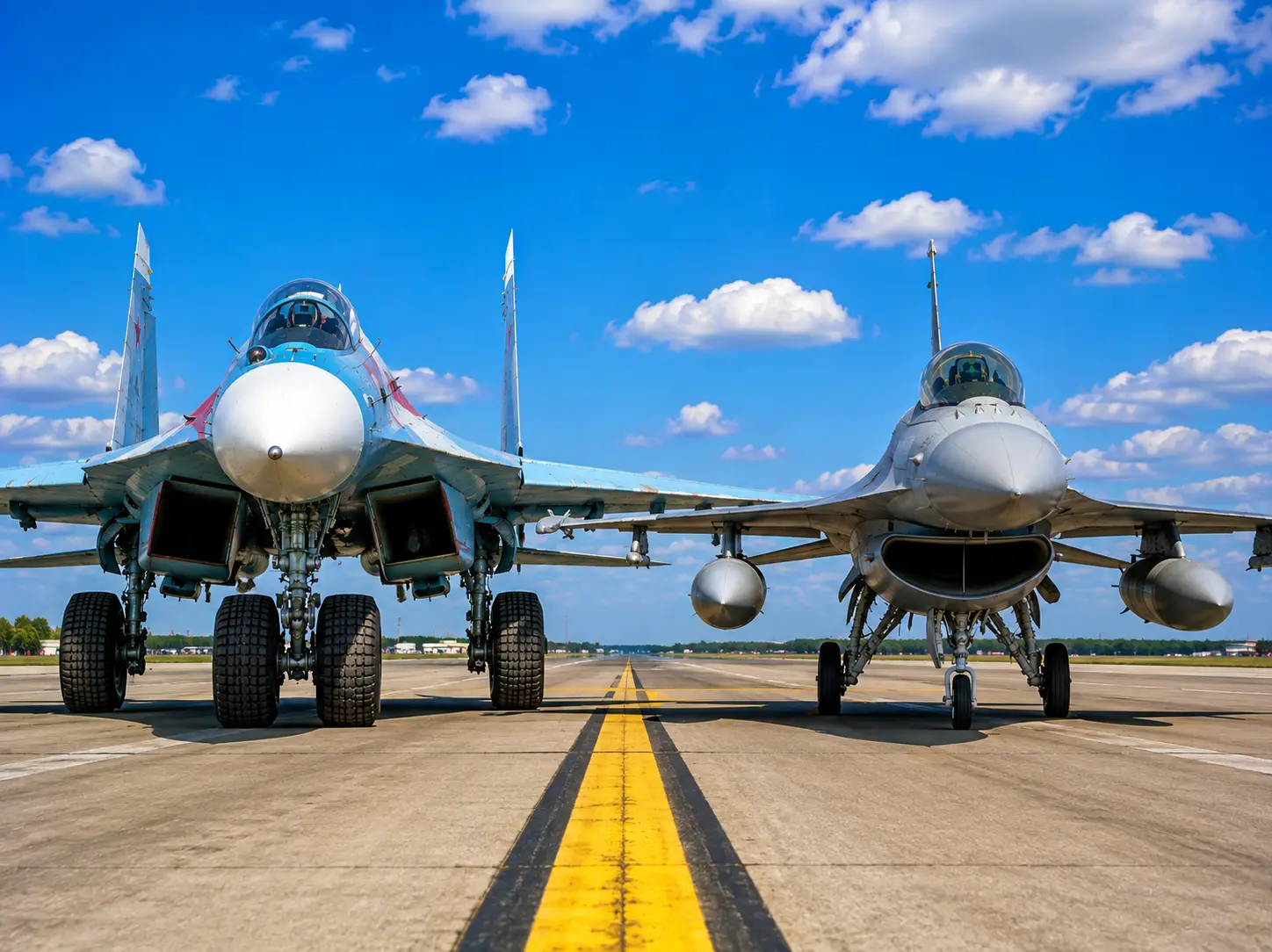
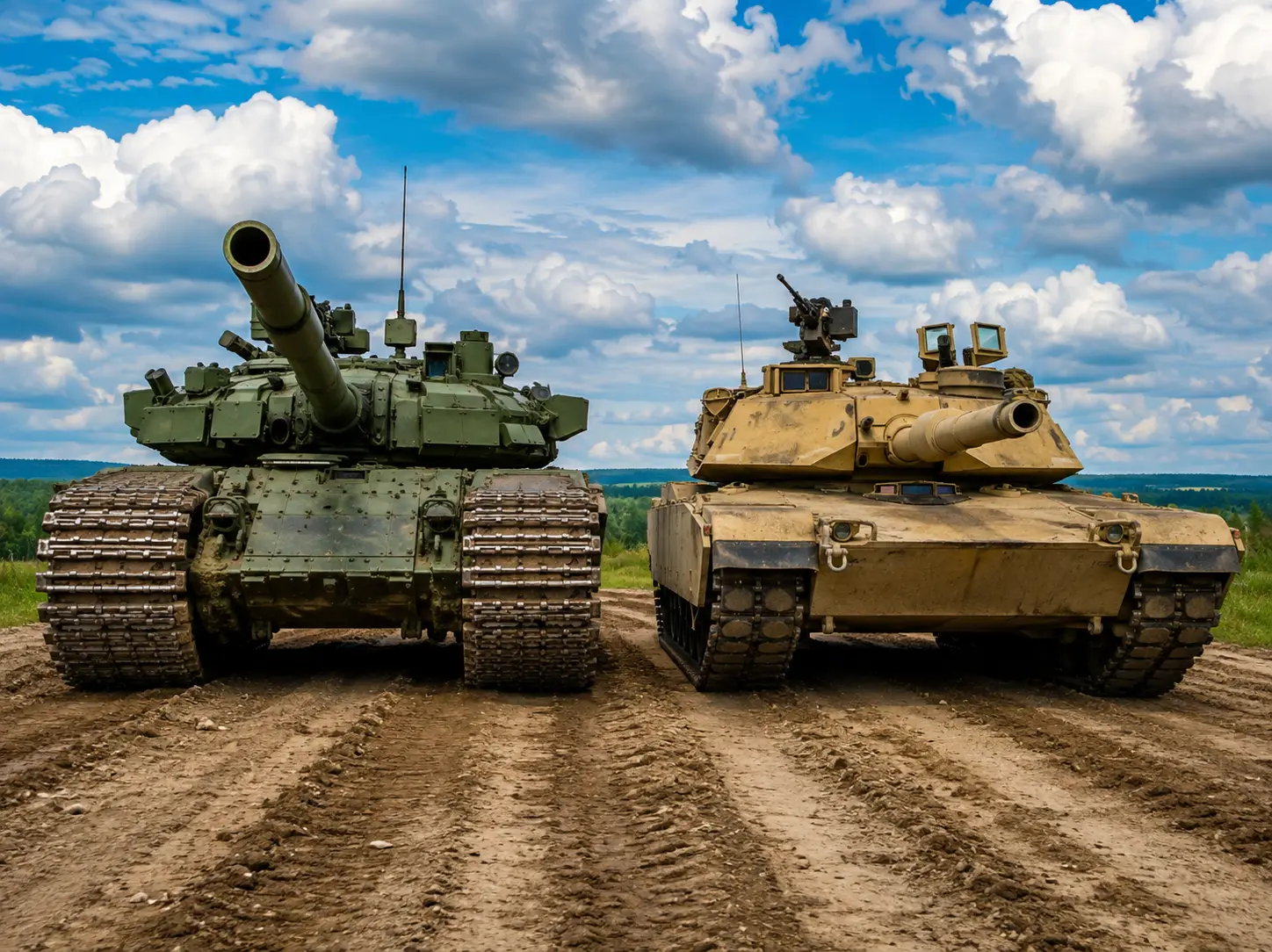
If one goes by the 2026 Global Firepower ranking, Russia is the strongest BRICS member, placed second globally, with a Power Index (PwrIndx) score of 0.0791. Its conventional military strength involves large land forces, extensive artillery and armoured inventories, a major air force and a powerful navy. Global Firepower estimated Russia's active military manpower at about 1.32 million. Its military-industrial complex also remains one of the world's largest, producing aircraft, air-defence systems, armoured vehicles, missiles, artillery and naval platforms.
SIPRI estimates that Russia spent $190 billion on its military in 2025, equivalent to 7.5 per cent of its GDP. That made Russia the world's third-largest military spender.
China: Manpower, navy and industrial scale
Trending Stories
)
)
)
)
)
)
)
)
)
)
)
)
)
)
)
)
)
)
&im=FitAndFill=(700,400))
)
)
)
&im=FitAndFill=(700,400))
)
&im=FitAndFill=(700,400))
&im=FitAndFill=(700,400))
)
China ranks third globally in the 2026 Global Firepower assessment, with a PwrIndx of 0.0919.
The People's Liberation Army has approximately 2.035 million personnel, making it the largest active military force among the BRICS members. China transformed itself into a major naval and aerospace power over the past decades, while rapidly expanding its missile capabilities and military-industrial production.
Its navy fleet is now the world's largest by number of ships. As per SIPRI, China's military expenditure at $336 billion in 2025, second only to the United States.
India: a major military and industrial power
India ranks fourth in the world in the 2026 Global Firepower ranking, with a PwrIndx of 0.1346.
At around 1.43 million, India has one of the world's largest armed forces. India is expanding its naval and air capabilities with new aircraft carriers, submarines, fighter aircraft, missiles, drones and indigenous defence systems.
India is on course to become a significant defence manufacturer and exporter, as opposed to its earlier status as an importer.
According to SIPRI, India's 2025 military expenditure stood at $92.1 billion, an 8.9 per cent on-year increase, which is also the world's fifth-highest military spending.
Together, Russia, China and India occupy the second, third and fourth positions in the Global Firepower ranking, giving BRICS an extraordinary concentration of conventional military power.
Brazil: Latin America's military leader
Brazil ranks 11th globally with a PwrIndx of 0.2374, making it the highest-ranked Latin American country.
It has around 376,000 active personnel, backed by sizeable land, air and naval forces.
Its submarine programme is important to its ambitions as a South Atlantic power.
Brazil spent approximately $23.9 billion on its military in 2025, SIPRI data shows.
Indonesia: An emerging maritime power
Indonesia ranks 13th globally in Global Fire Power, with a PwrIndx of 0.2582. Its approximately 404,500 active personnel operate across one of the world's largest archipelagos, making its naval and air power particularly important.
Indonesia's defence priorities are shaped by its geography that includes thousands of islands, critical sea lanes of communication, and a strategic position between the Indian and Pacific oceans.
Its 2025 military expenditure was around $15 billion, according to SIPRI.
Iran: A veteran of asymmetric warfare
Iran occupies 16th place globally, with a PwrIndx of 0.3199. Currently engaged in a conflict with US and Israel, Iran has around 610,000 active personnel. Iran's real capabilities are harder to capture through conventional rankings. The country has ballistic and cruise missiles, drones, air-defence systems and asymmetric naval warfare that has stood up to the US and Israel.
Iran's military expenditure was estimated at $7.4 billion in 2025. But SIPRI noted that official figures almost certainly are understated because off-budget oil revenues are also used to finance military activities.
Egypt: Africa's conventional military heavyweight
Egypt, which ranks 19th globally, with a PwrIndx of 0.3651, has nearly 438,500 active personnel, along with significant reserves and paramilitary forces. Its arsenal includes tanks, artillery systems and aircraft, while its navy gives it an important position around the Mediterranean and Red Sea. The Suez Canal also gives Egypt a strategic edge that goes beyond its numerical military ranking.
Saudi Arabia: Spending power meets advanced weaponry
Saudi Arabia ranks 25th globally, with a PwrIndx of 0.4473. At roughly 247,000 active personnel, its armed forces are smaller than those of the largest BRICS militaries. Yet, they are equipped with sophisticated Western-made aircraft, armoured systems and air-defence capabilities.
Money is a major part of Saudi military power, with SIPRI estimating that Riyadh spent $83.2 billion in 2025, making it the world's eighth-largest military spender and accounting for 6.5 per cent of its GDP.
South Africa, Ethiopia and UAE: Not small players
South Africa ranks 40th globally, with around 69,000 active personnel. It has a professional military with experience in peacekeeping and regional operations.
Ethiopia, ranked 47th, has one of Africa's largest armies by manpower. It has around 503,000 active personnel. The United Arab Emirates, ranked 54th, is the smallest of the group in terms of manpower, with about 65,000 active personnel. But its military is highly modernised, with sophisticated aircraft, air-defence systems, special forces and experience in expeditionary operations.
What if BRICS combined its military resources?
This is a tantalising thought, though only a remote possibility, but the numbers become significant when one thinks about it. The 11 BRICS countries include three of the world's top four conventional military powers: Russia, China and India. Brazil and Indonesia are ranked among the global top 15. Iran and Egypt are inside the top 20. Their combined military expenditure is also enormous: China, Russia, India, Saudi Arabia, Brazil, Indonesia and Iran alone account for roughly $747 billion.
A word of caution: Adding the numbers does not create a military alliance
The critical question is whether these countries could ever channel their military capabilities towards a common strategic goal. For now, there is little evidence of that happening.
BRICS is largely an ‘informal’ mechanism, with no treaty, secretariat or regular bureaucracy backing it, let alone a military pact. Its decision-making is based on consensus. The group itself describes BRICS as a political and diplomatic coordination.
BRICS members have competing interests, making military cooperation doubtful
Despite recent normalisation efforts, India and China have an unresolved border dispute and competing strategic interests across the Indo-Pacific. Saudi Arabia and Iran have been traditional rivals in the Middle East. Egypt, Ethiopia and others have competing regional priorities in Africa
This translates to enormous political barriers to turning BRICS' combined military strength into a single fighting force.
Potential areas of cooperation for a silent, collective military giant
Short of a military alliance, the BRICS countries could theoretically expand military-to-military dialogue, defence-industrial partnerships, joint research, exercises, logistics cooperation, satellite and space capabilities, drone technology, cyber capabilities and defence trade.
BRICS does not need a unified army like NATO to become strategically consequential. Its members already possess huge manpower pools, major defence industries, nuclear powers, missile capabilities, large navies, strategic waterways, energy resources and growing technological capabilities.
So what's the takeaway? If the question is whether BRICS could collectively rival a formal military alliance, the answer is no, as of now.
But if it's whether BRICS contains enough military and industrial power to become a major defence-industrial and strategic network, the answer is: the ingredients are already there.
The unresolved question is whether these 11 countries will ever find enough common strategic ground to put them together.