
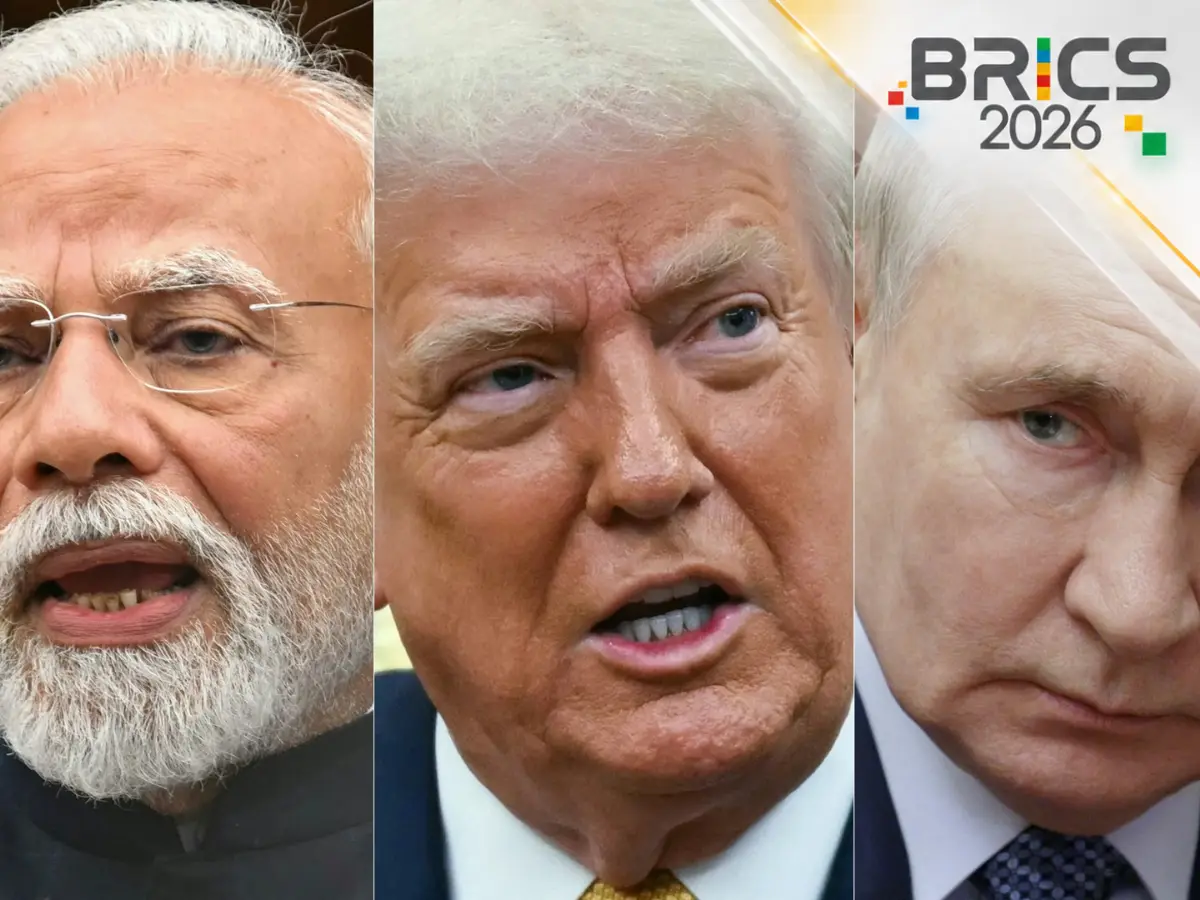
&imwidth=800&imheight=600&format=webp&quality=medium "BRICS Summit 2026: Trump must be watching amid pushbacks from member states on US tariffs, conflicts and energy trade")
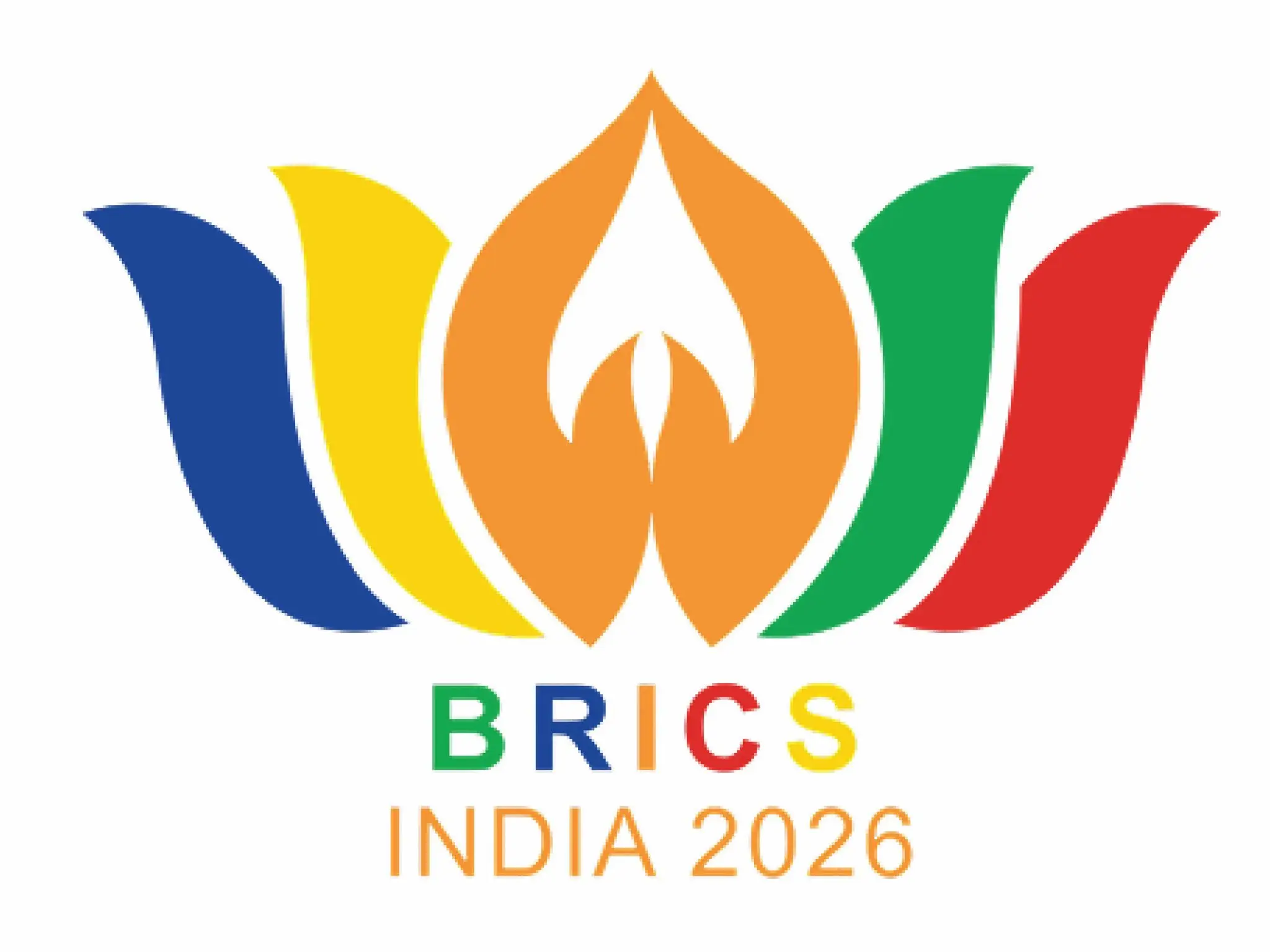
Donald Trump may not be sitting at the BRICS table in New Delhi, but his shadow will be hard to miss. As India hosts the 18th BRICS Summit on September 12–13, the grouping meets at a moment when almost every major fault line in the global economy and geopolitics runs through Washington, from tariffs and trade wars to the US-Iran conflict, energy security, sanctions on Russia and the future of the dollar. And that makes the Delhi summit about much more than another gathering of emerging economies.
The question is whether BRICS can merely discuss a changing world, or actually shape it. Trump's tariff policies have forced countries to rethink their dependence on the US market. His pressure on buyers of Russian energy has also put India and China in a difficult position, given their importance to Moscow's oil trade. At the same time, the US-Iran war and disruption around the Strait of Hormuz have turned energy security into an immediate economic concern for much of the Global South. For India, the stakes are particularly high.
New Delhi wants BRICS to become a stronger platform for the Global South, while resisting the idea that the grouping should simply become an anti-American or anti-Western alliance. That balancing act is central to India's strategic autonomy. The irony is striking. BRICS was initially conceived largely as an economic grouping. Twenty years later, it has become a platform through which emerging powers are demanding a greater say in global governance, finance and international decision-making. The expanded grouping now represents a substantial share of the world's population and economy.

But size is not the same as power, and numbers do not automatically translate into unity. China and India have competing strategic interests. Russia wants the grouping to challenge Western sanctions and financial dominance. Iran has its own expectations from BRICS amid the war with the US and Israel. Gulf members have to balance relations with Washington with their expanding ties with Beijing, Moscow and New Delhi. And then there is the question of the dollar.
Also Read: BRICS Summit 2026: Russia says Putin will update PM Modi on Ukraine conflict during their meeting
For years, BRICS members have discussed greater use of local currencies, alternative payment mechanisms and reducing dependence on Western-controlled financial systems. India, however, has remained cautious about turning BRICS into a vehicle for outright de-dollarisation. That distinction could matter enormously in Delhi. Does India want BRICS to confront America, or does it want BRICS to make the world less dependent on any one power? The answer could define India's presidency.
Trending Stories
)
The Early Spring is proof not everyone can talk about their real feelings, and it is perfectly OK
)
UN votes to ‘correct the map’ as India backs fairer world view
)
Nigerian Navy discovers 99,000 litres of suspected stolen, illegally refined products as it intensifies anti-crude oil theft operations
)
Who is Aditi Paudel? 17-year-old becomes Japan's first literacy ambassador
)
Bengaluru: Officials find 40 kg expired chilli at chairman's club
)
Jaishankar rejects trade link to ending Ukraine war
)
Israeli strikes on Lebanon kill three, injure 23 despite truce
)
Alpine glacier was covered with sheep wool sheets to prevent melting. It worked
)
South Korea mulls deploying military assets to Strait of Hormuz
)
World's fifth-largest economy, British army can't afford to train
)
Breaking | Vance takes the podium: First White House briefing since Leavitt's exit
)
Taiwan raises 'concerns' over China's missile test
)
BRICS 2026: $1 trillion sovereign capital set to converge in Delhi for first iBRICS Summit
)
What is Iran's Pickaxe Mountain that Trump has again threatened to bomb?
)
UN votes to correct world map that visually shrank Africa for 450 years
)
Former NewJeans member Danielle launches YouTube channel, hints at new solo journey
)
Bangladesh batter Towhid Hridoy creates history with 350 not out in South Africa
)
Brendan Fraser’s transformation fuels The Mummy 4 excitement as fans welcome back Rick O’Connell
&im=FitAndFill=(700,400))
Krishna Janmashtami 2026: From Dhaniya Panjiri to Makhana Kheer- 5 best sweet dishes perfect for celebrating Lord Krishna’s birth
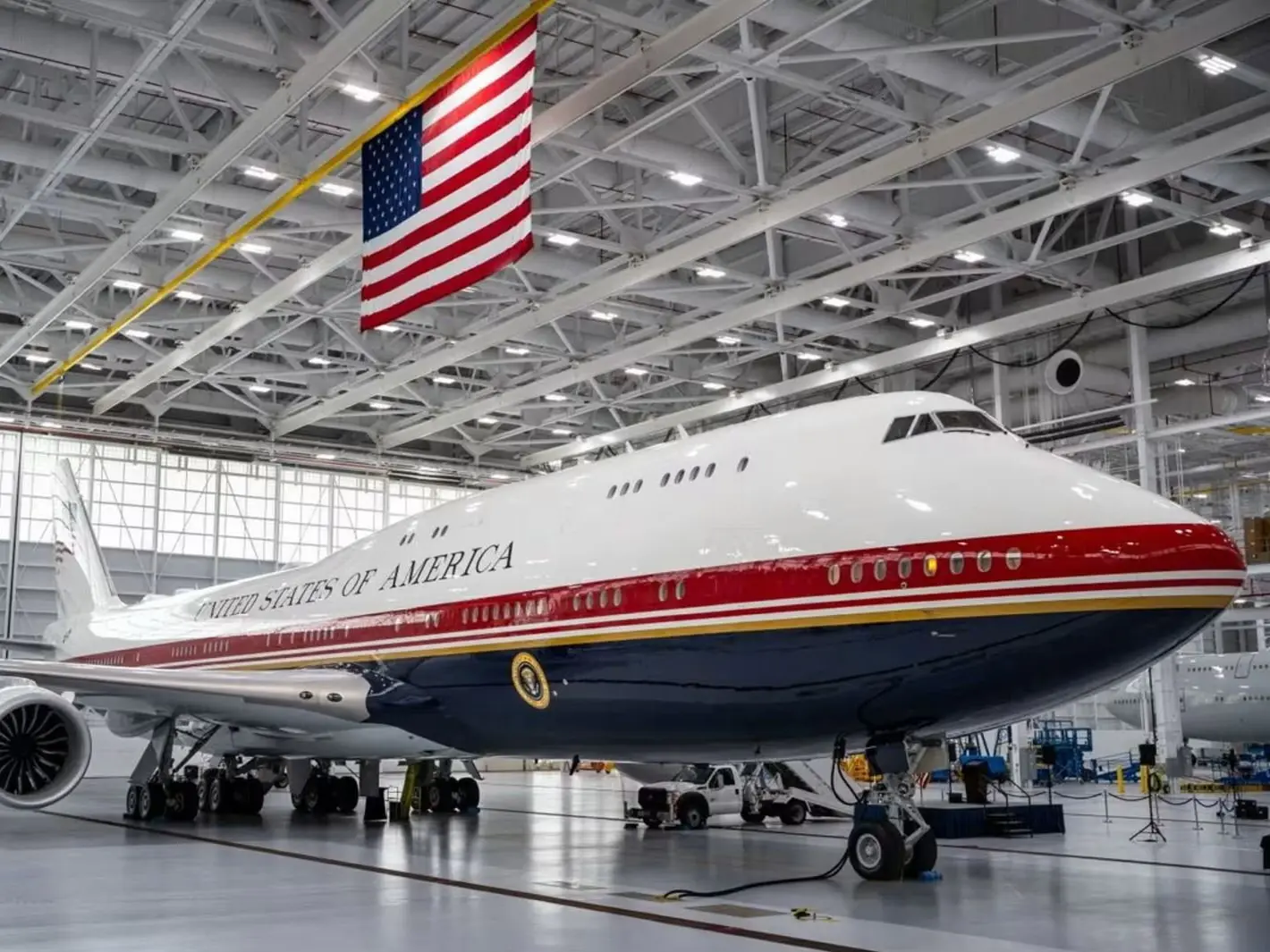)
Donald Trump plans to travel to Ireland on Qatari-donated jet amid security concerns
)
Nazi-looted art to return to Jewish heirs
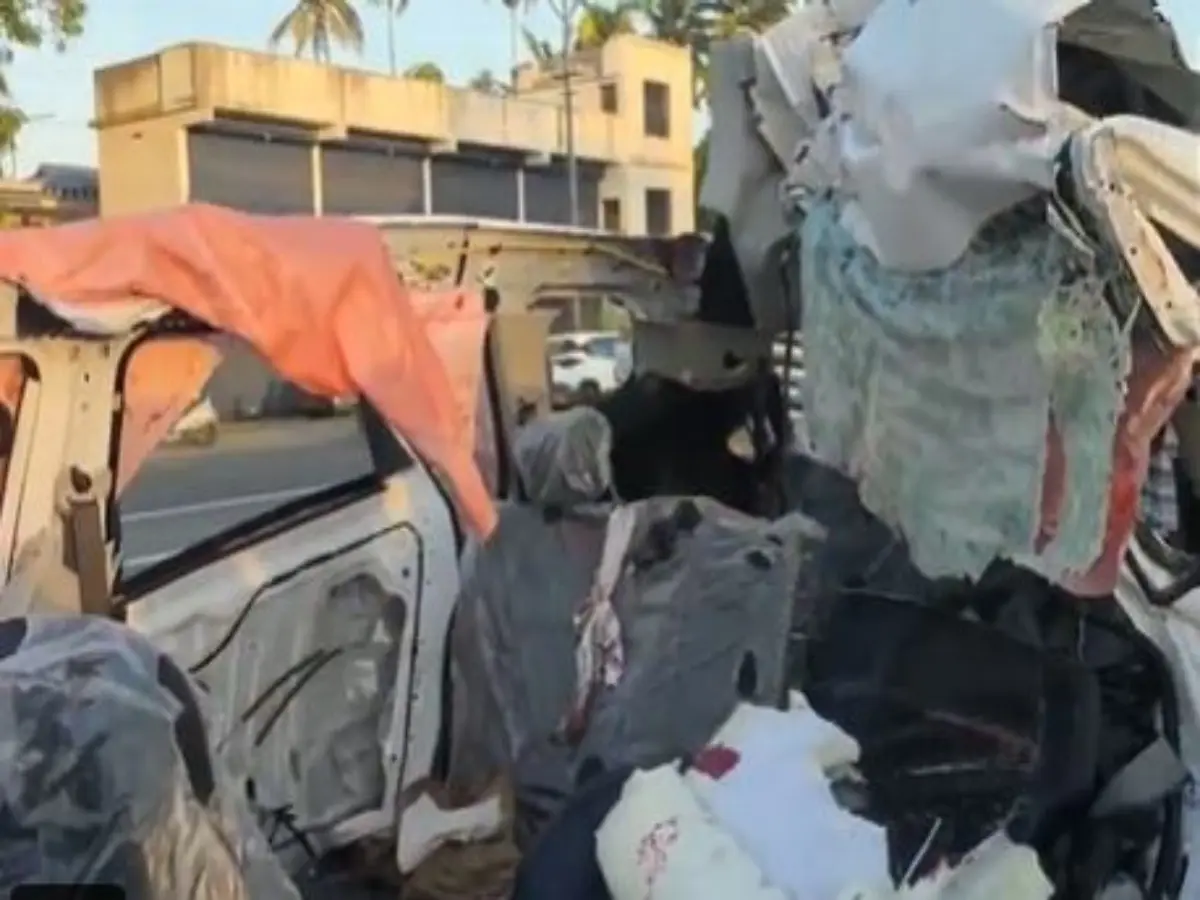)
Eight killed in Kerala’s Thrissur after car rams into lorry parked on highway
&im=FitAndFill=(700,400))
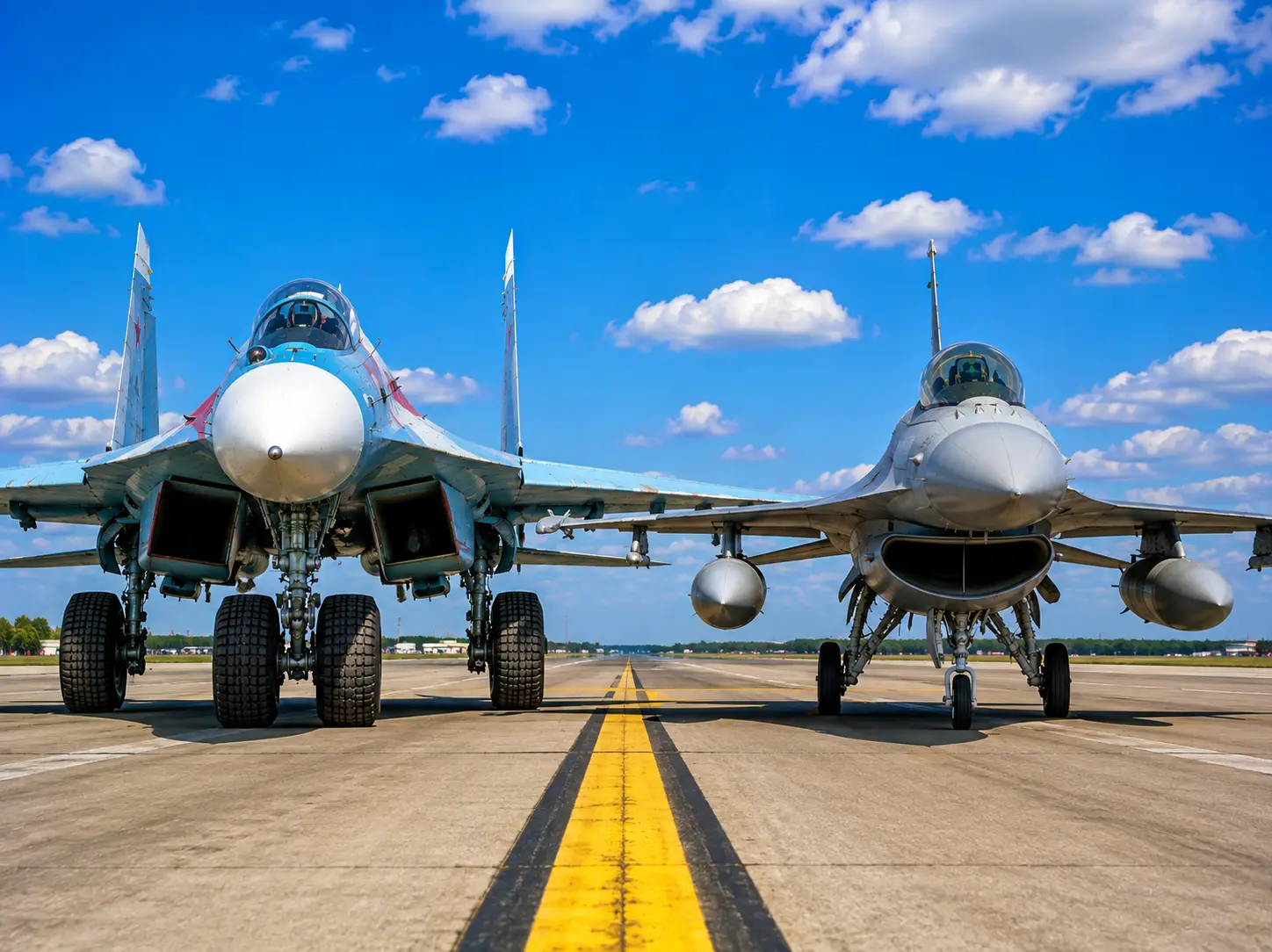
Why Russian fighter jets use bulky, low-pressure tyres compared to US jets
)
FBI-wanted fraud accused arrested in Jalandhar over $600,000 scam
&im=FitAndFill=(700,400))
Why US tanks weigh over 20 tons more than Russian tanks
&im=FitAndFill=(700,400))
New Friday OTT releases (September 4, 2026): GDN, Dhamaal 4, Jagamae Sangeetham- Watch 6 new movies and TV shows on Netflix, Prime Video and more
)
Killing the Himalayas slowly: Human urine is melting a glacier on Mount Everest
There are already signs that economic questions will sit alongside the larger geopolitical conversation. India and China are expected to use the summit as another channel to address trade, technology imports and investment restrictions, while the broader BRICS agenda includes economic and financial cooperation. Meanwhile, the energy question cannot be separated from geopolitics. India's relationship with Russian oil has become a major point of friction with Washington. Yet India and Russia have continued to strengthen mechanisms for bilateral trade and payments, with Russian and Indian banks increasingly facilitating transactions in national currencies.
So when Trump looks at BRICS, Washington is not simply looking at a diplomatic grouping. It is looking at India, China, Russia, Iran and major energy economies sitting around the same table, countries that collectively have the potential to reshape trade flows, energy markets and financial arrangements. But BRICS faces a fundamental test of its own. Can it produce a common position when its members have very different relationships with the US?
Can it talk about a multipolar world without becoming another rigid geopolitical bloc? Can it push for reform of institutions such as the IMF, World Bank and UN while still delivering practical economic alternatives? And, perhaps most importantly, can India use the BRICS presidency to turn the Global South from a diplomatic slogan into a genuine centre of influence? The Delhi summit therefore comes at an unusually consequential moment.
Trump's America is watching BRICS. But BRICS has an opportunity to look back, not necessarily with confrontation, but with a question of its own: If the world is becoming multipolar, who gets to write the rules? And in New Delhi, India wants to make sure the answer does not remain Washington alone. Current context: India is hosting the summit at Bharat Mandapam on September 12–13 under its 2026 theme of “Building for Resilience, Innovation, Cooperation and Sustainability.”

