BRICS beyond infrastucture: The next PPP revolution could be in citizen services

&imwidth=600&imheight=450&format=webp&quality=medium "BRICS beyond infrastucture: The next PPP revolution could be in citizen services")
BRICS PPP cooperation should also be about people-facing services, like those offered by VFS Global.
The PPP agenda of BRICS has so far been about physical infrastructure. But it should also be a story about counters, queues and certificates. About people facing services, like those offered by VFS Global.
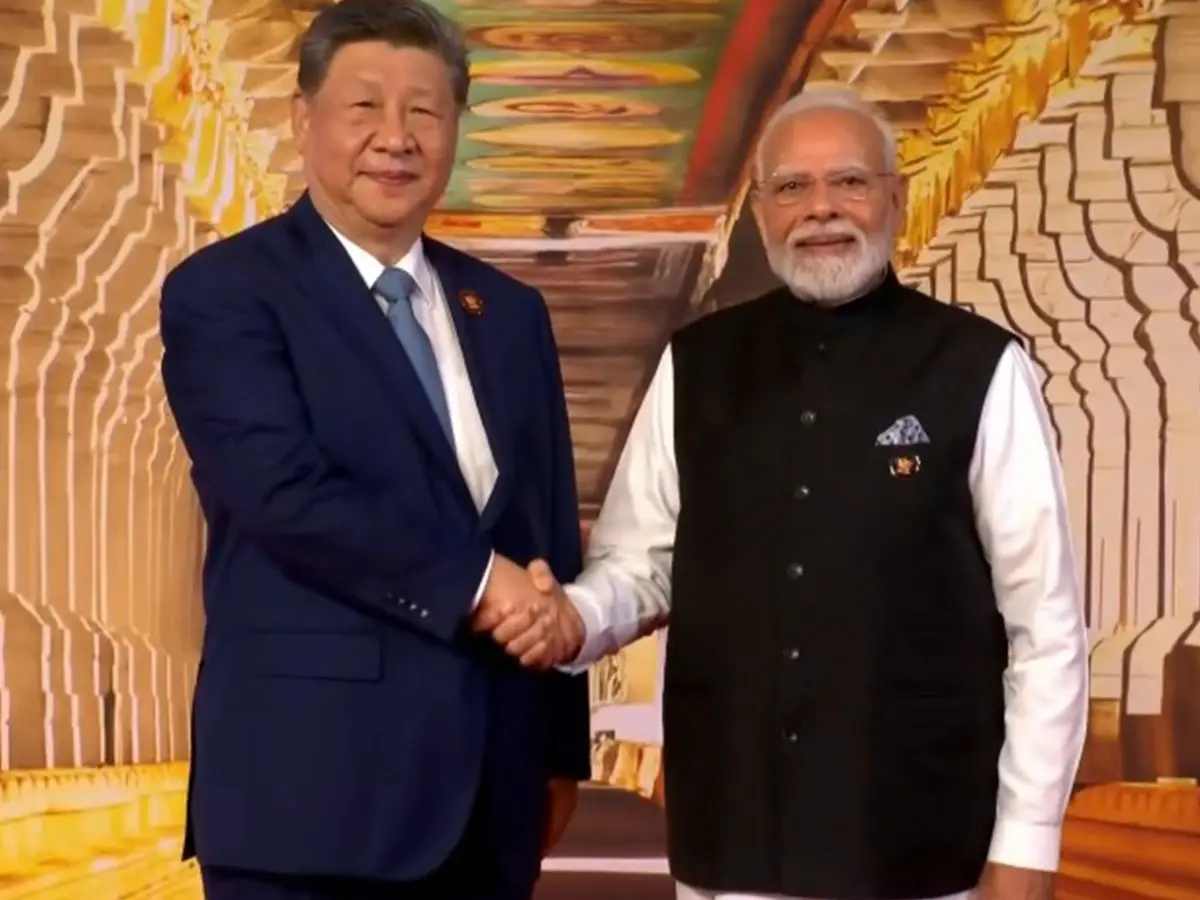
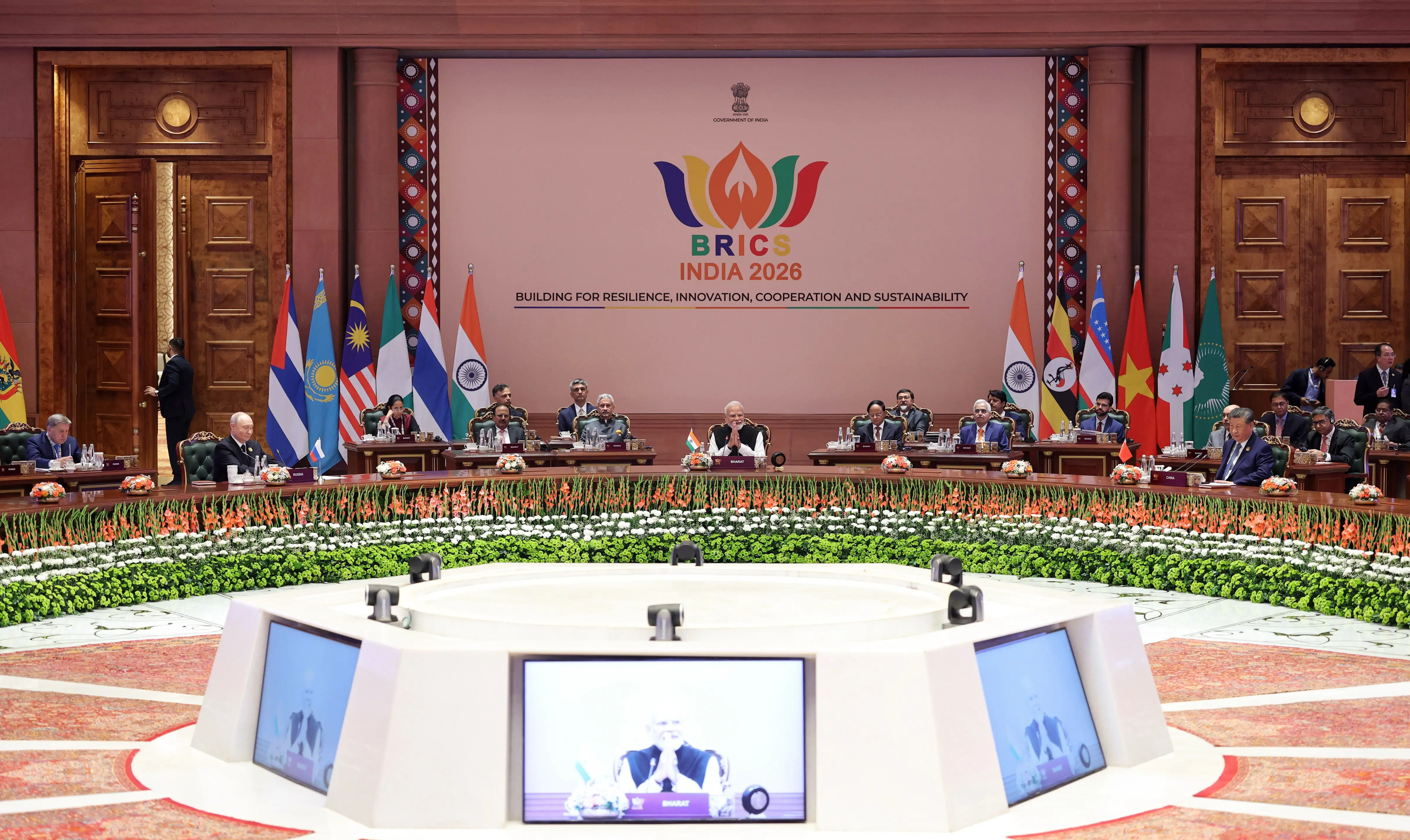
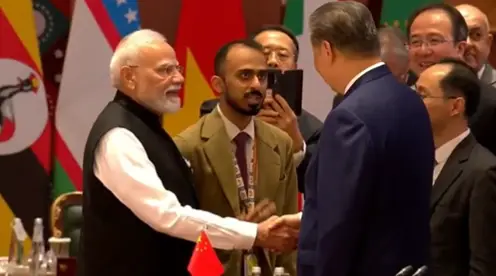
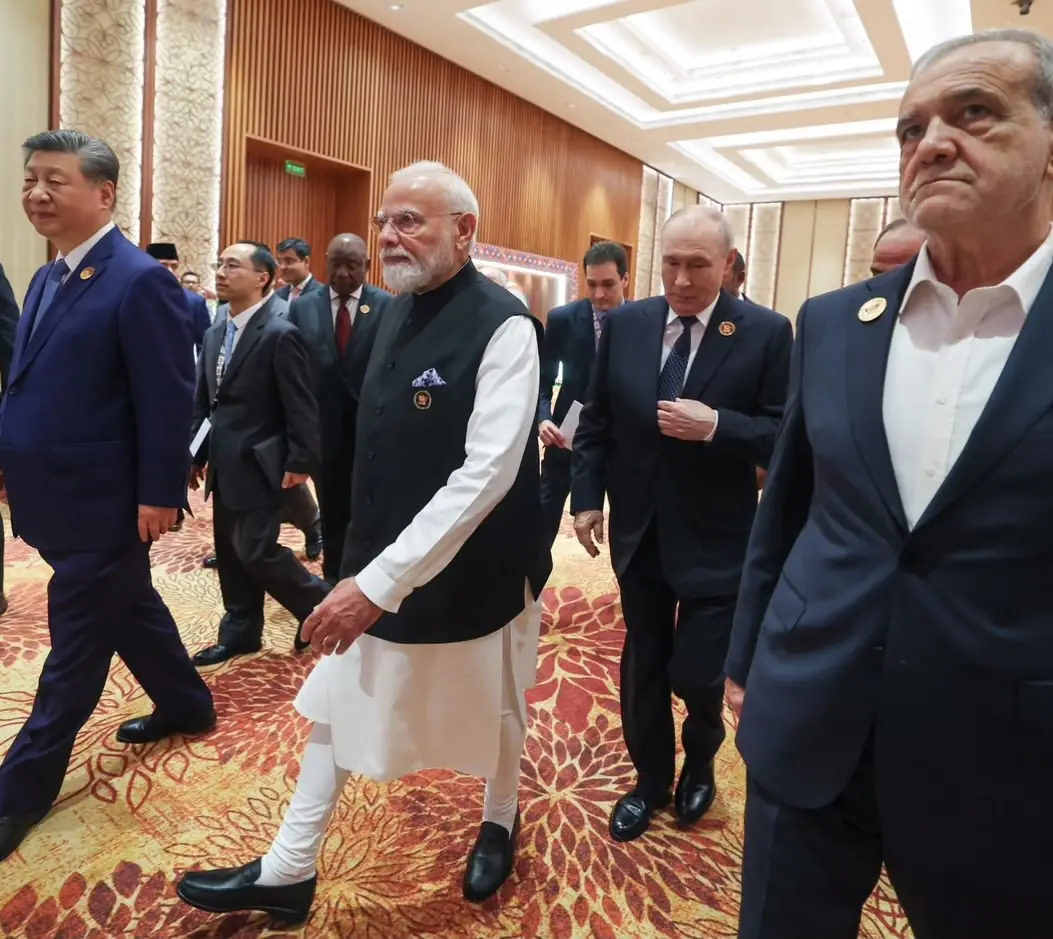
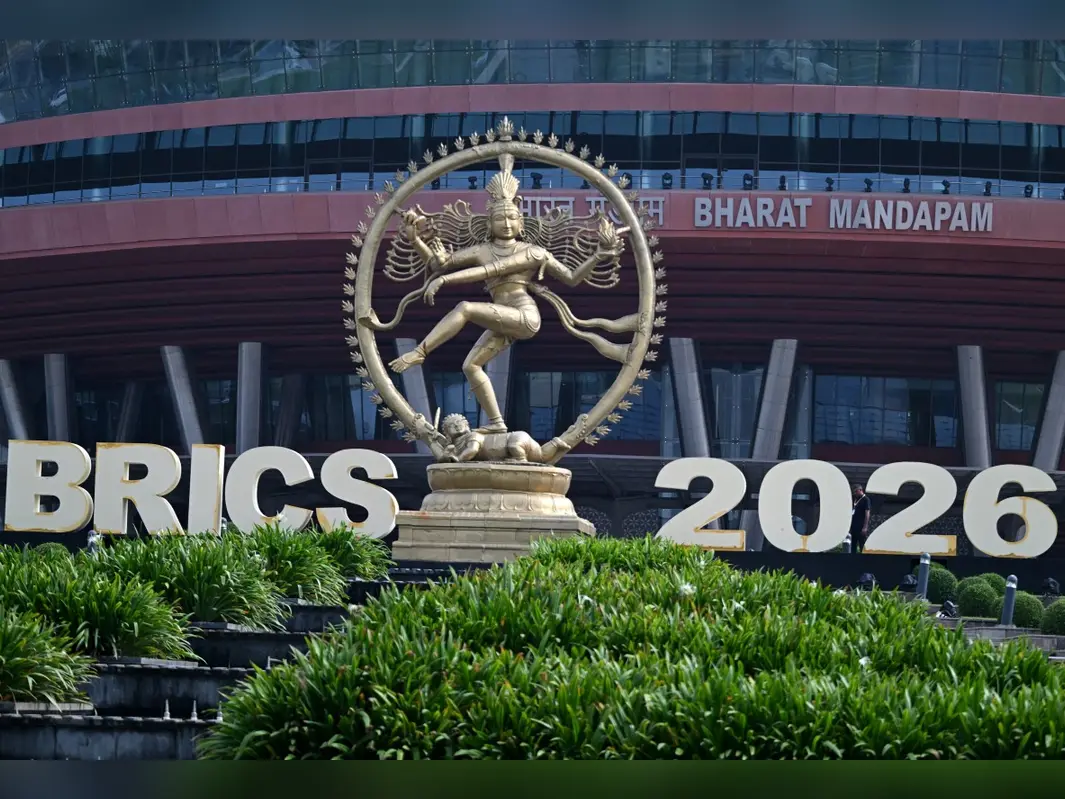
BRICS leaders gather at Bharat Mandapam on September 12 and 13 for the 18th summit, closing India's chairship under the theme "Building for Resilience, Innovation, Cooperation and Sustainability". The bloc's public-private partnership (PPP) agenda has so far been a story of physical infrastructure. But the question is whether it should also be a story about counters, queues and certificates. About people facing services.
The BRICS PPP story so far
BRICS formalised its PPP cooperation in 2016, and the BRICS Taskforce on Public-Private Partnerships was set up to manage that work and establish best practices among member states. The remit of this cooperation has been about infrastructure. At the finance ministers' meeting in October 2024, the task force flagged blended finance as the key instrument for pulling private capital into infrastructure aligned with the Sustainable Development Goals. Brazil's presidency opened its first task force meeting in March 2025 on climate-resilient infrastructure. In May that year, Abu Dhabi hosted the task force and a seminar on flexible financing models for education, healthcare, clean energy and transport. Running underneath it all is the New Development Bank, whose project pipeline and membership expansion have shaped the bloc's infrastructure conversation since 2018.
)
Roads and grids are measurable but public-facing service delivery is not. Yet, it is where citizens actually meet the state. A passport window, a sub-registrar's office, a civil registration counter, and so many other services. BRICS now speaks for close to half the world's population and roughly 40 per cent of global GDP. That is a very large number of queues for such services.
VFS: A 25-year proof of concept on service delivery for the people
The model for service delivery as PPP already exists. In 2001, a VFS Global pilot with the US Consulate in Mumbai led to the establishment of three small visa centres in western India. Twenty-five years on, VFS Global works with 71 client governments, runs more than 4,200 application centres across 169 countries with over 17,500 staff, and has processed more than 557 million transactions. The company handles the administrative, non-judgmental layer while the government keeps the decision powers.
From visas to registries: Potential proven, expansion is the need of the hour
The expansion of service category is already visible. In May 2026, a VFS Global-led consortium with WE Excel Software won a five-year contract from Maharashtra's Inspector General of Registration to set up 60 Model Sub-Registrar Offices. The offices stay under government control and are staffed by departmental officials, and citizens can still choose a regular SRO.
Elsewhere, a major milestone in this evolution was the acquisition of CiX Citizen Experience (CiX) in Brazil. Today, CiX Citizen Experience supports more than 170 million citizens through over 250 centres, delivering more than 200 public services. The acquisition has strengthened VFS Global’s position in citizen services and expanded its ability to help governments deliver more accessible and citizen-centric public services.
Trending Stories
)
)
)
)
)
)
)
)
)
)
)
)
)
)
)
)
)
)
)
)
)
)
)
)
)
)
)
)
)
)
)
&im=FitAndFill=(700,400))
There is huge possibility of expanding the success of VFS Global services into other BRICS nations. A strong impetus for this would come if service delivery is added to the PPP segment in BRICS.
South Africa's Department of Home Affairs contracted the company in 2010 for visa and permit intake at its missions abroad, and again in 2013 for intake within the country — an arrangement the Auditor General later recommended be restructured as a formal public-private partnership. Vehicle registration, vital record registrations, company incorporation, e-governance portals — each is administrative volume attached to a sovereign decision. That is exactly the seam the PPP model was built for. Whether BRICS names it in Delhi is the thing to watch.