Bill to quit NPT: All about the uproar in Iran over Nuclear Non-Proliferation Treaty amid war with US, Israel

&imwidth=600&imheight=450&format=webp&quality=medium "Bill to quit NPT: All about the uproar in Iran over Nuclear Non-Proliferation Treaty amid war with US, Israel")
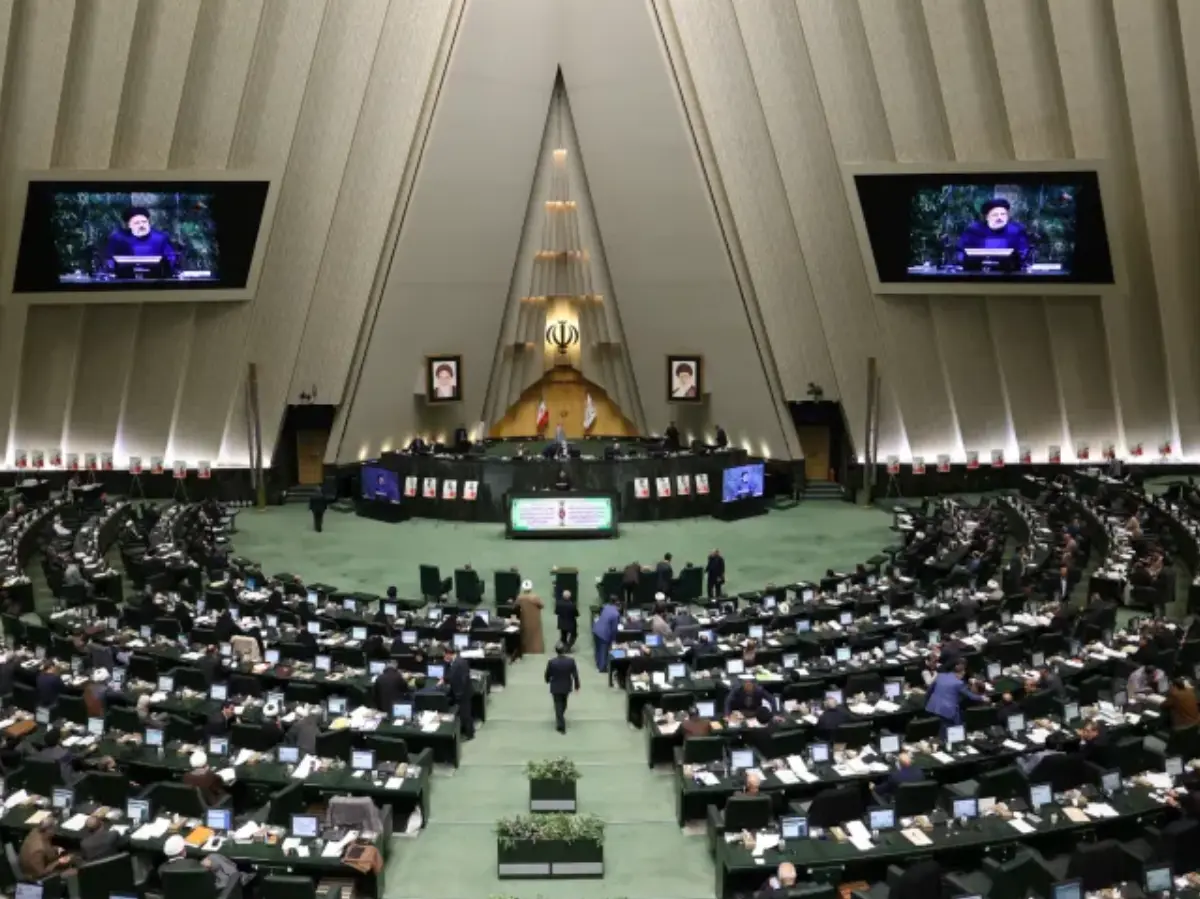
Iranian parliament (File) Photograph: (AFP)
Iran’s parliament is considering a fast-tracked bill to withdraw from the NPT, potentially ending IAEA oversight and signalling a strategic shift toward nuclear deterrence amid escalating regional conflict.
A fast-tracked bill proposing Iran’s withdrawal from the Nuclear Non-Proliferation Treaty (NPT) has been submitted to parliament, triggering a fresh political and strategic debate in Tehran as tensions escalate amid ongoing conflict involving the US and Israel. Iranian lawmaker Malek Shariati stated that the proposal encompasses significant changes to the country’s nuclear policy.
These include exiting the NPT, repealing legislation governing Iran’s commitments under the nuclear deal, and backing a new international framework with allied nations to develop peaceful nuclear technology. The move comes at a time when Iran’s parliament has not convened since the start of joint US-Israeli strikes, leaving uncertainty over when the bill could be formally debated or passed.
What is the NPT?
The Nuclear Non-Proliferation Treaty is one of the most significant global agreements aimed at preventing the spread of nuclear weapons while promoting the peaceful use of nuclear energy. Opened for signature in 1968 and entering into force in 1970, the treaty was negotiated by major powers including the US, the Soviet Union, and Britain. It divides countries into nuclear-weapon states and non-nuclear-weapon states.
The five recognised nuclear powers under the treaty, the US, Britain, France, China and Russia, are those that tested nuclear weapons before January 1, 1967. These states commit to eventually disarm, while non-nuclear states agree not to develop or acquire nuclear weapons.
Trending Stories
&imwidth=280&imheight=210&format=webp&quality=medium)
&imwidth=280&imheight=210&format=webp&quality=medium)
&imwidth=280&imheight=210&format=webp&quality=medium)
&imwidth=280&imheight=210&format=webp&quality=medium)
&im=FitAndFill=(700,400)&imwidth=280&imheight=210&format=webp&quality=medium)
&imwidth=280&imheight=210&format=webp&quality=medium)
&imwidth=280&imheight=210&format=webp&quality=medium)
&imwidth=280&imheight=210&format=webp&quality=medium)
&im=FitAndFill=(700,400)&imwidth=280&imheight=210&format=webp&quality=medium)
&imwidth=280&imheight=210&format=webp&quality=medium)
&imwidth=280&imheight=210&format=webp&quality=medium)
&imwidth=280&imheight=210&format=webp&quality=medium)
&imwidth=280&imheight=210&format=webp&quality=medium)
&imwidth=280&imheight=210&format=webp&quality=medium)
&imwidth=280&imheight=210&format=webp&quality=medium)
&imwidth=280&imheight=210&format=webp&quality=medium)
&imwidth=280&imheight=210&format=webp&quality=medium)
&imwidth=280&imheight=210&format=webp&quality=medium)
&imwidth=280&imheight=210&format=webp&quality=medium)
&imwidth=280&imheight=210&format=webp&quality=medium)
&imwidth=280&imheight=210&format=webp&quality=medium)
&imwidth=280&imheight=210&format=webp&quality=medium)
&im=FitAndFill=(700,400)&imwidth=280&imheight=210&format=webp&quality=medium)
&imwidth=280&imheight=210&format=webp&quality=medium)
&imwidth=280&imheight=210&format=webp&quality=medium)
&imwidth=280&imheight=210&format=webp&quality=medium)
&imwidth=280&imheight=210&format=webp&quality=medium)
&imwidth=280&imheight=210&format=webp&quality=medium)
&imwidth=280&imheight=210&format=webp&quality=medium)
&imwidth=280&imheight=210&format=webp&quality=medium)
&imwidth=280&imheight=210&format=webp&quality=medium)
&imwidth=280&imheight=210&format=webp&quality=medium)
&imwidth=280&imheight=210&format=webp&quality=medium)
&imwidth=280&imheight=210&format=webp&quality=medium)
At the same time, the treaty allows all signatories to pursue nuclear energy for peaceful purposes under strict safeguards monitored by the International Atomic Energy Agency (IAEA), the United Nations’ nuclear watchdog.
Importantly, the treaty contains a withdrawal clause that allows a country to exit with three months’ notice if it believes extraordinary events have jeopardised its supreme national interests.
Why would an Iranian withdrawal be significant?
Iran’s potential exit from the NPT would mark a major turning point in global nuclear politics. Kelsey Davenport of the Arms Control Association noted that the ongoing conflict has intensified internal debate in Iran over whether nuclear weapons are necessary for deterrence.
a
An NPT withdrawal, she said, would signal how seriously Tehran may be considering the development of nuclear weapons, even if it does not immediately pursue them. Iran signed the treaty in 1968 and ratified it in 1970 as a non-nuclear-weapon state, consistently maintaining that its nuclear programme is for peaceful purposes. Under the current framework, the IAEA conducts inspections and oversees compliance with its regulations.
However, exiting the NPT would free Iran from key obligations, including international inspections, transparency requirements, and the formal commitment not to develop nuclear weapons. The absence of International Atomic Energy Agency oversight would significantly reduce global visibility into Iran’s nuclear activities.

