Bangladesh Elections 2026: What's in store for Hindus if Islamists rise?

&imwidth=600&imheight=450&format=webp&quality=medium "Bangladesh Elections 2026: What's in store for Hindus if Islamists rise?")
Bangladesh Elections 2026: What's in store for Hindus if Islamists rise? Photograph: (AFP)
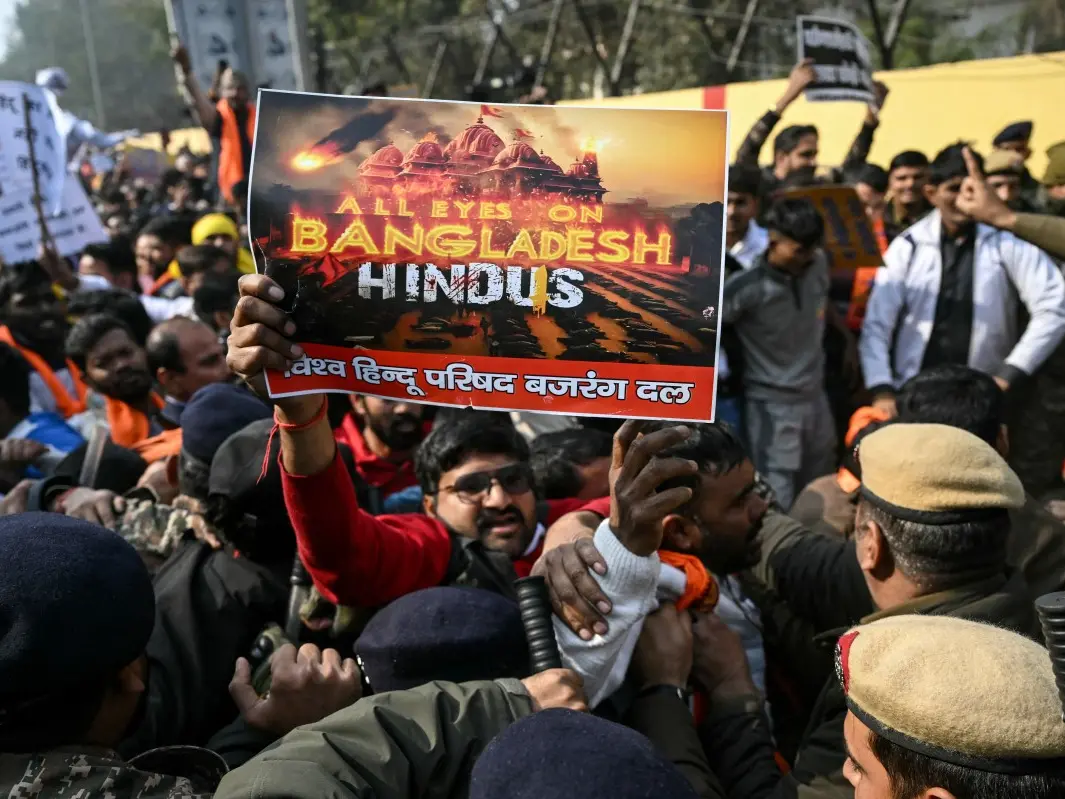
Recent attacks and political uncertainty ahead of Bangladesh’s elections have intensified fears among Hindus and other minorities about safety, rights, and representation
Bangladesh is heading toward a pivotal national election amid mounting concerns over the safety and political future of its religious minorities. Reports of sporadic attacks, political volatility, and the resurgence of Islamist forces have intensified fears within communities that already consider themselves vulnerable. Minority advocacy groups say recent incidents have revived long-standing anxieties. Hundreds of communal attacks were recorded in 2025, including dozens of killings, while thousands of incidents were reported in 2024 following the political upheaval that removed former Prime Minister Sheikh Hasina.
Community leaders say minorities are now “deeply insecure” ahead of the vote. The government, however, has disputed claims of widespread communal violence, maintaining that only a small portion of incidents were religiously motivated and that many were ordinary criminal acts. Officials have urged observers to distinguish between communal tensions and broader law-and-order challenges. The conflicting narratives underscore the tense environment in which Bangladesh is preparing for elections that could reshape its political trajectory.
Also Read: Yunus vows peaceful transfer of power, hails upcoming election as defining moment for Bangladesh
Rising insecurity and violence ahead of polls
Minority organisations warn that fear and insecurity could discourage voters from participating in the democratic process. Leaders have flagged concerns over safety, livelihoods, property, and dignity, arguing that these issues remain unresolved despite minorities’ willingness to vote. In the opening weeks of the election year alone, several incidents of communal violence, including multiple killings, were documented, reinforcing perceptions of vulnerability. The election atmosphere, according to community representatives, is marked by ongoing mob violence and persistent anxiety.
Some families have reportedly been forced to leave their homes, while minority business owners are struggling to operate normally amid security concerns. Watchdog findings from the past year also described a troubling pattern of attacks targeting Hindus, Buddhists, Christians, and Ahmadis, including cases of arson, sexual assault, and murder.
Trending Stories
&imwidth=280&imheight=210&format=webp&quality=medium)
&imwidth=280&imheight=210&format=webp&quality=medium)
&imwidth=280&imheight=210&format=webp&quality=medium)
&imwidth=280&imheight=210&format=webp&quality=medium)
&imwidth=280&imheight=210&format=webp&quality=medium)
&imwidth=280&imheight=210&format=webp&quality=medium)
&imwidth=280&imheight=210&format=webp&quality=medium)
&imwidth=280&imheight=210&format=webp&quality=medium)
&imwidth=280&imheight=210&format=webp&quality=medium)
&imwidth=280&imheight=210&format=webp&quality=medium)
&imwidth=280&imheight=210&format=webp&quality=medium)
&imwidth=280&imheight=210&format=webp&quality=medium)
&imwidth=280&imheight=210&format=webp&quality=medium)
&imwidth=280&imheight=210&format=webp&quality=medium)
&imwidth=280&imheight=210&format=webp&quality=medium)
&imwidth=280&imheight=210&format=webp&quality=medium)
&imwidth=280&imheight=210&format=webp&quality=medium)
&imwidth=280&imheight=210&format=webp&quality=medium)
&imwidth=280&imheight=210&format=webp&quality=medium)
&imwidth=280&imheight=210&format=webp&quality=medium)
&im=FitAndFill=(700,400)&imwidth=280&imheight=210&format=webp&quality=medium)
&imwidth=280&imheight=210&format=webp&quality=medium)
&imwidth=280&imheight=210&format=webp&quality=medium)
&imwidth=280&imheight=210&format=webp&quality=medium)
&im=FitAndFill=(700,400)&imwidth=280&imheight=210&format=webp&quality=medium)
&imwidth=280&imheight=210&format=webp&quality=medium)
&im=FitAndFill=(700,400)&imwidth=280&imheight=210&format=webp&quality=medium)
&imwidth=280&imheight=210&format=webp&quality=medium)
&imwidth=280&imheight=210&format=webp&quality=medium)
&imwidth=280&imheight=210&format=webp&quality=medium)
&im=FitAndFill=(700,400)&imwidth=280&imheight=210&format=webp&quality=medium)
&imwidth=280&imheight=210&format=webp&quality=medium)

&imwidth=280&imheight=210&format=webp&quality=medium)
Analysts warn that without stronger law enforcement, minority candidates may find it difficult to campaign freely, and voters could hesitate to cast their ballots. A separate assessment flagged a surge in violence in the months leading up to the election, raising alarms about communal harmony.
Islamist resurgence and political uncertainty
Adding to the unease is the political comeback of Jamaat-e-Islami, a once-banned Islamist party expected to perform strongly after nearly 17 years outside the electoral arena. Opinion surveys suggest the party could emerge as a key power broker in a future government. Jamaat has expressed openness to joining a unity government and has emphasised stability and anti-corruption as priorities, even as it advocates governance rooted in Islamic principles.
The broader political landscape has remained fragile since Hasina’s ouster in a mass uprising in 2024, a development that altered Bangladesh’s internal power dynamics and strained regional ties. Some minority representatives argue that the use of religion in political campaigns, combined with inadequate security, risks undermining confidence in the electoral process. At the same time, the interim government has rejected reports of escalating attacks as “false propaganda,” suggesting such claims are intended to disrupt communal harmony during a sensitive political period.
A defining moment for Bangladesh’s pluralism
The upcoming election is increasingly viewed as a test of Bangladesh’s ability to protect its multicultural fabric while navigating political change. Minority leaders insist that creating a secure and confidence-building environment is essential not only for voter participation but also for preserving democratic legitimacy.
With fears mounting and political forces realigning, the question remains whether Bangladesh can reassure its minorities, or whether uncertainty will continue to shadow the country’s democratic journey. For millions of minority citizens, the stakes go beyond electoral outcomes. The months ahead may determine whether they feel like protected participants in the nation’s future or vulnerable observers of a rapidly shifting political order.

