At Indian spaceport, Europe's Proba-3 clears 'fit check' ahead of Dec 4 launch

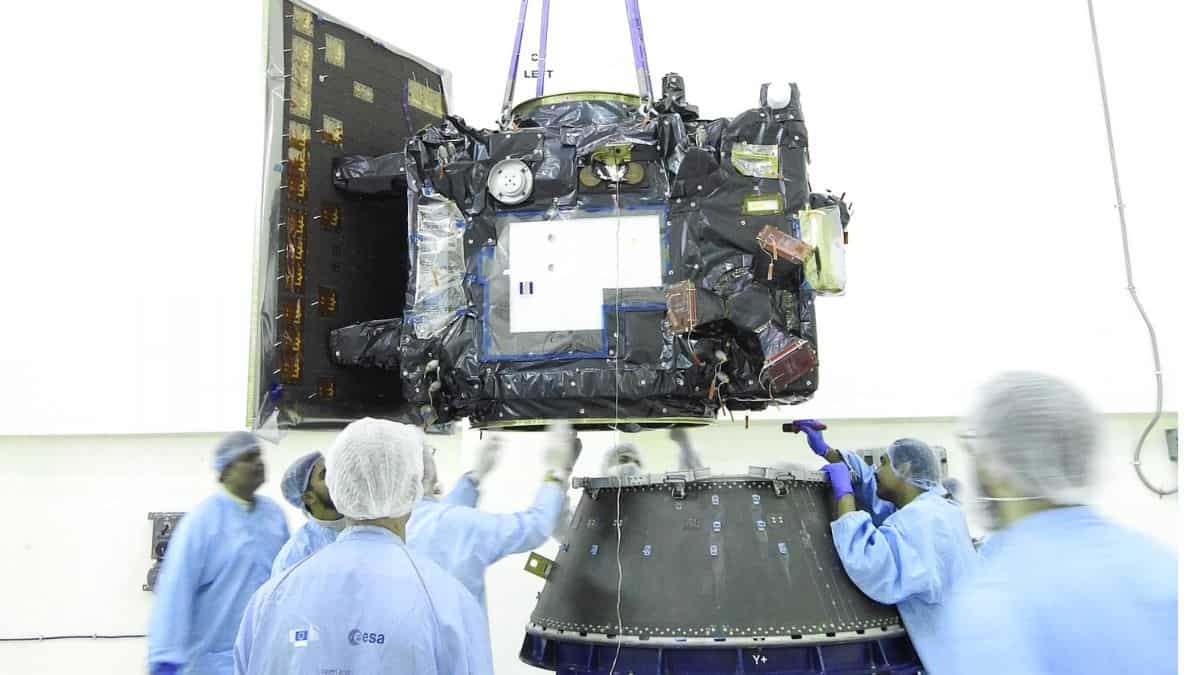
Over the last one week, ESA tech team was at the ISRO spaceport, assembling, testing, the Proba-3 spacecrafts
The twin Proba-3 satellites which arrived from Europe to Indiaa week ago, have successfully undergone their first phase of integration and testing at the Indian Spaceport, Satish Dhawan Space Centre. According to the European Space Agency (ESA), the satellites were initially tested to confirm that they were unaffected by the journey from Europe and the subsequent 100 km road transport from the Chennai airport to the spaceport.
Further, the satellites were put through a fit check, where they are mated with the payload adapter – a mechanical component that attaches the satellites to the topmost portion of the rocket.

"The Coronagraph satellite was carefully lowered and mated on the adapter. The clamp band holding the two together was then installed to ensure a perfect fit. The umbilical cables allowing the spacecraft to be monitored during fueling and launch were also put in place and tested to ensure they connected and, importantly, disconnected once the clamp band was opened again and the satellite separated from the adapter," ESA elaborated. While the Coronagraph spacecraft will sit atop the payload adapter, the second Proba-3 spacecraft (Occulter) will be mounted atop the Coronagraph spacecraft.
While such testing is routine for all missions, this is a crucial step to ensure that the satellite is perfectly interfaced with the rocket, and the satellite can flawlessly separate from the rocket at the desired time. In the case of the Proba-3 satellite, the craft is made by European firms, while the payload adapter for the PSLV rocket is made in India. Therefore, a 'fit check' has to be done to confirm that the spacecraft fits onto the adapter as designed. Only after this step can the spacecraft be fueled up.
)
Justice eludes Air India 1985 bombing victims as Canada probe goes 'inactive' | Gravitas
)
Trump revives India-Middle East-Europe economic corridor as India emerges central to West Asia’s future: What is it?
)
Erdogan again raises Kashmir issue at UNGA, calls for dialogue under UN Charter
)
Trump signs Greenland security deal with Denmark, paving way for two new US military bases
)
IND vs JPN T20I: How an overturned wide became point of difference between India's win and a tie
)
Trump-Xi summit: From trade to Taiwan, what will the US and Chinese presidents discuss in Washington?
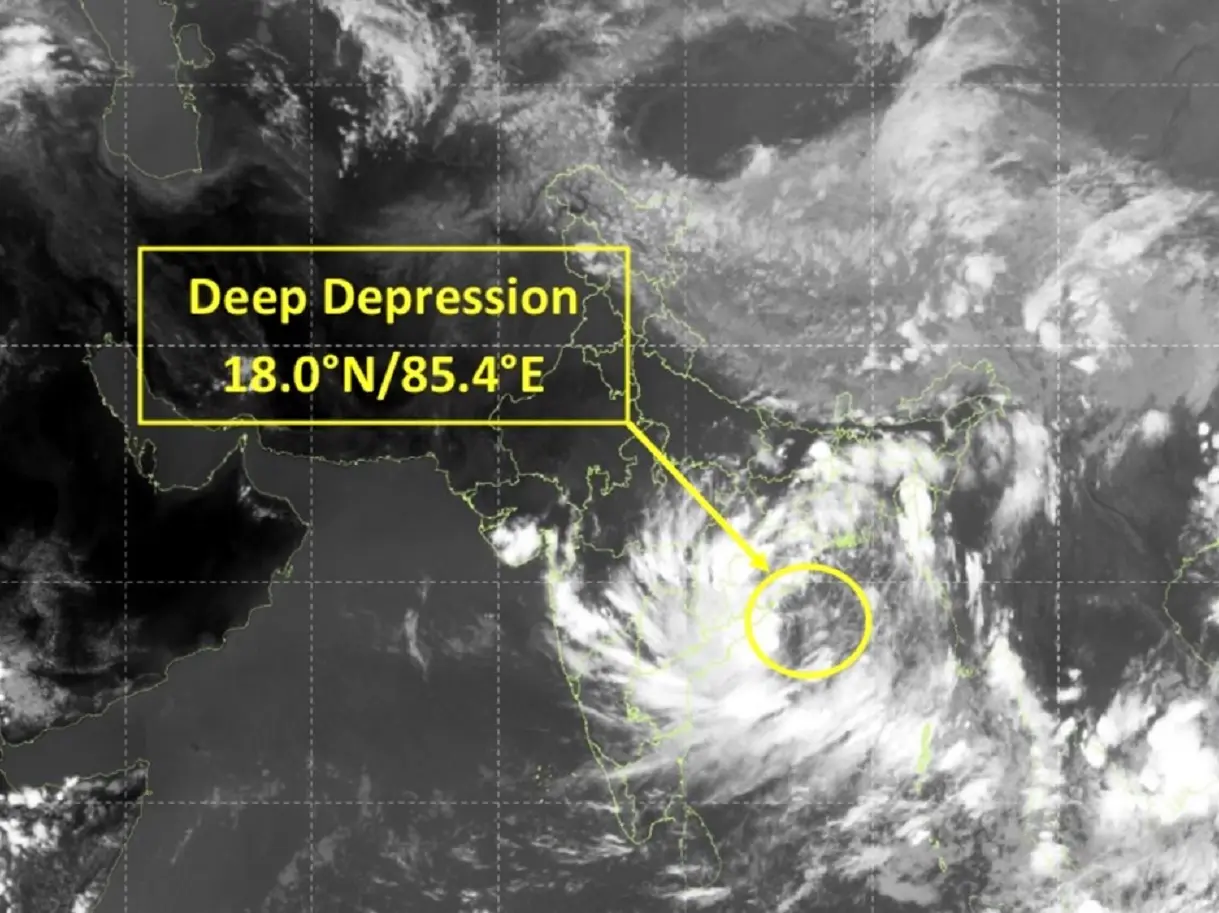)
Cyclone Arnab: Landfall expected before midnight tomorrow as IMD issues orange alerts across six states
)
ICC plans T20I expansion and fewer ODIs in 2027–2031 FTP cycle: Report
)
US-China tech war: Businesses in the front line
)
'Mumma’s boy from Gwalior who dared to dream': Kartik Aaryan pens long note after first National Award win
)
Gravitas | Boosting NHS productivity could save 20,600 lives in UK annually: Report
)
Nor'easter could batter 13 US states this week. What you should know
)
US and China vie for AI dominance as calls grow for regulation | Gravitas
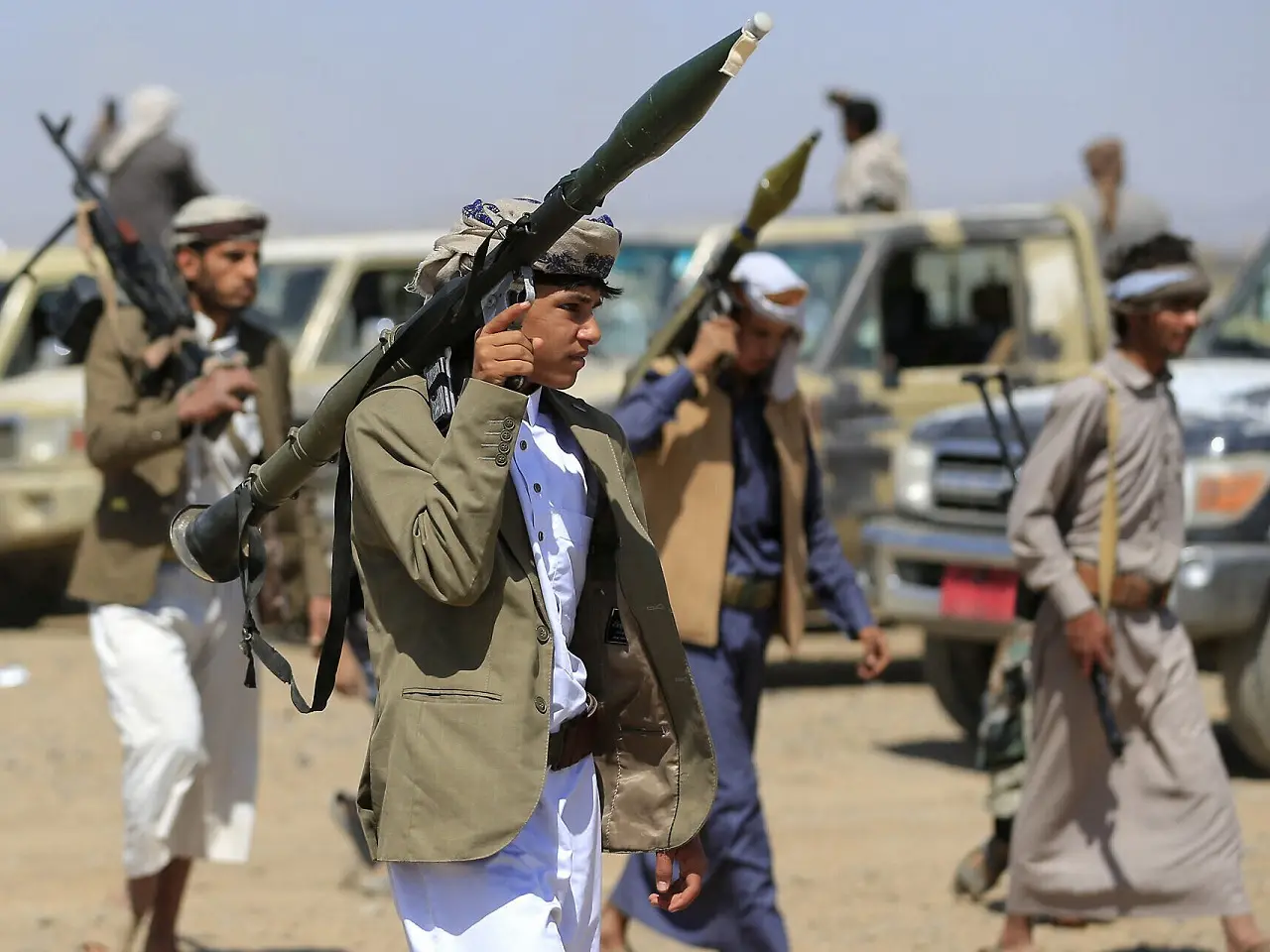)
Yemen clashes kill 154 people in two days as cornered Saudi battles Houthi offensive | Gravitas
)
Bomb scare in New York amid UNGA: Suspicious suitcase found near UN headquarters
)
IND vs JPN, one-off T20I: Japan captain Kendel on pushing India to the brink - ‘It was special’
)
Mikel Arteta verbally agrees to three-year extension with Arsenal after title-winning Premier League season
)
WION Iconic Tourism Summit and Awards 2026: Key voices to discuss India’s tourism future
)
WION Iconic Tourism Summit and Iconic Awards 2026: India's travel economy leaders gather in Delhi
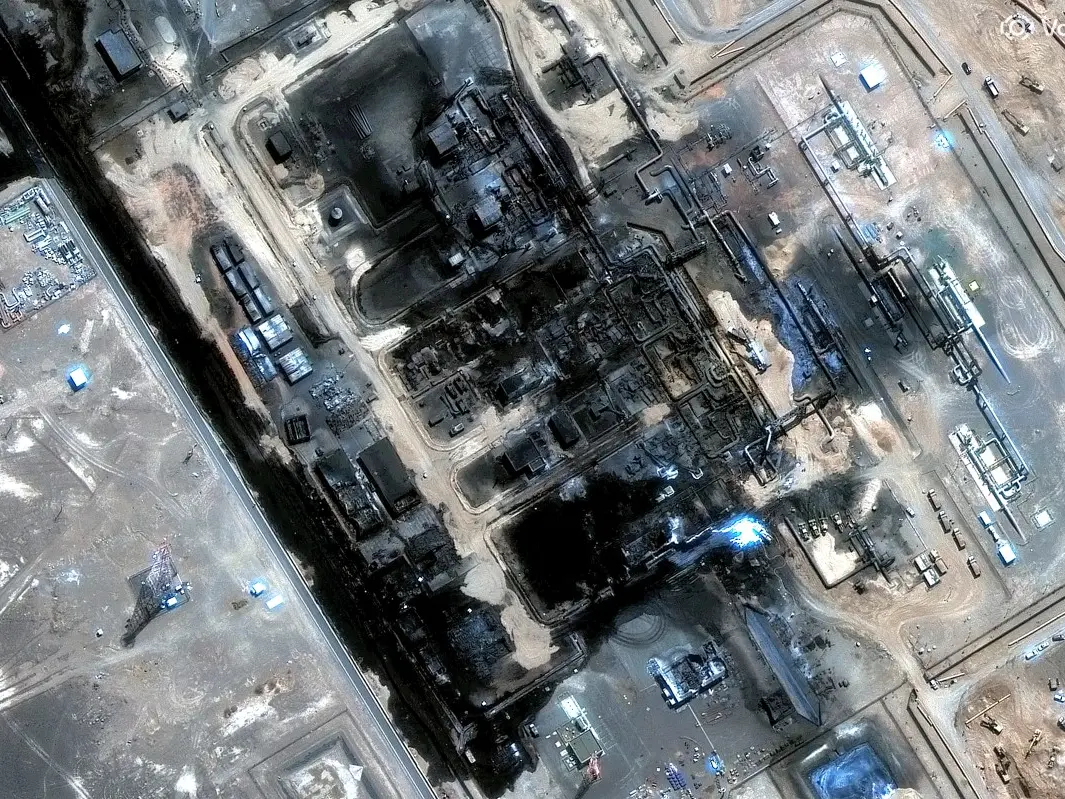)
Oil slips to $98 as Saudi Arabia restarts East-West oil pipeline
&im=FitAndFill=(700,400))
New OTT releases this week (September 21-27, 2026): Shaque: Trust No One, Hunkkaar, Don’t Be Shy- 5 new titles coming to Netflix, Prime Video and more
)
81st UN General Assembly: Burnham announces UK-US AI defence tie-up
)
Trump calls on nations to quit ‘rogue’ and ‘out-of-control’ International Criminal Court, rips UN
)
Infections transmitted from pregnant woman linked to autism risk
)
'What kind of confession is this?': Pakistan PM Shehbaz Sharif’s 'terrorists would be roaming New York' remark goes viral, raises alarm online. Watch
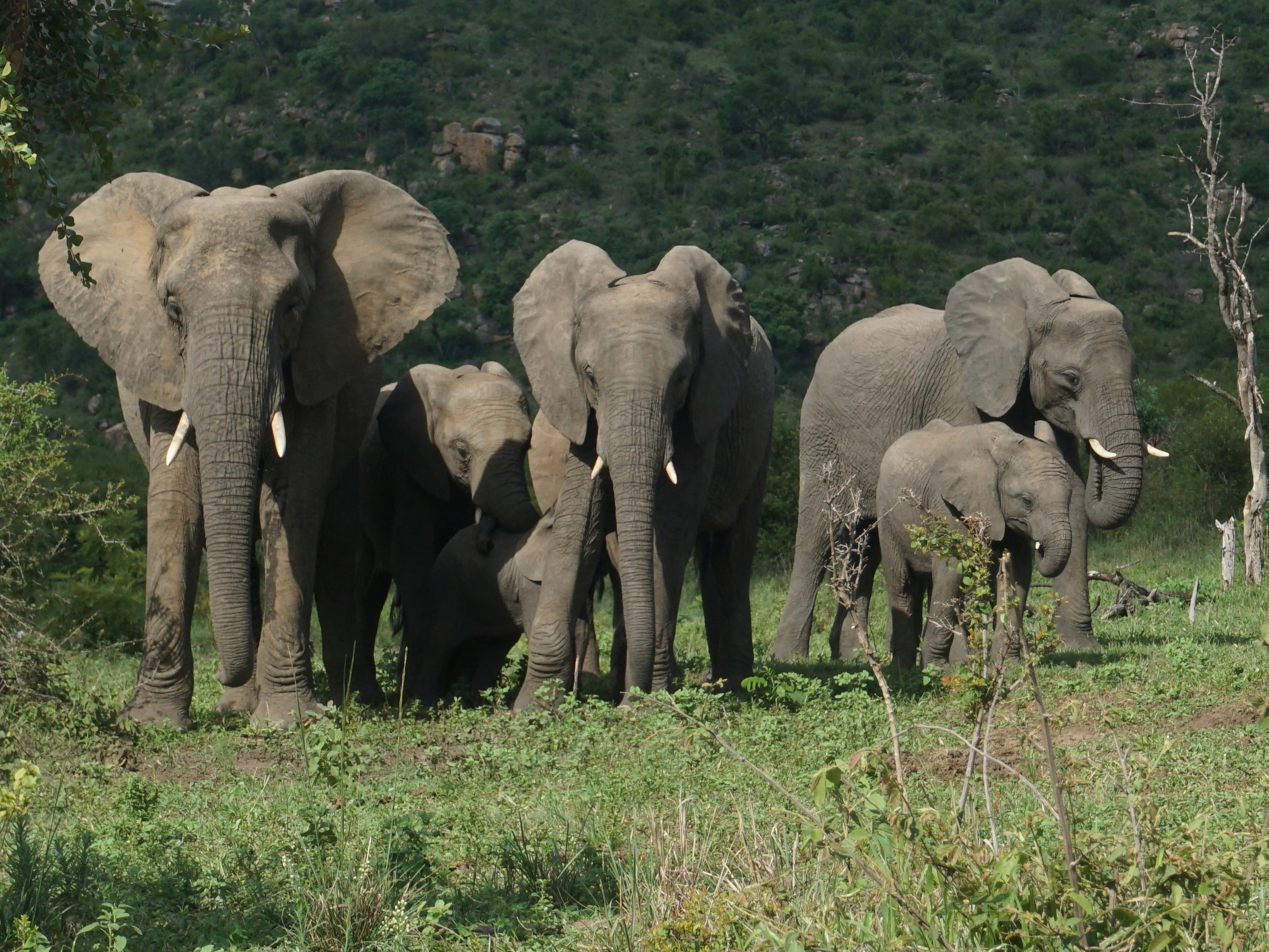)
Elephants hide behind trees, stage surprise attack on poachers targeting rhinos in South Africa
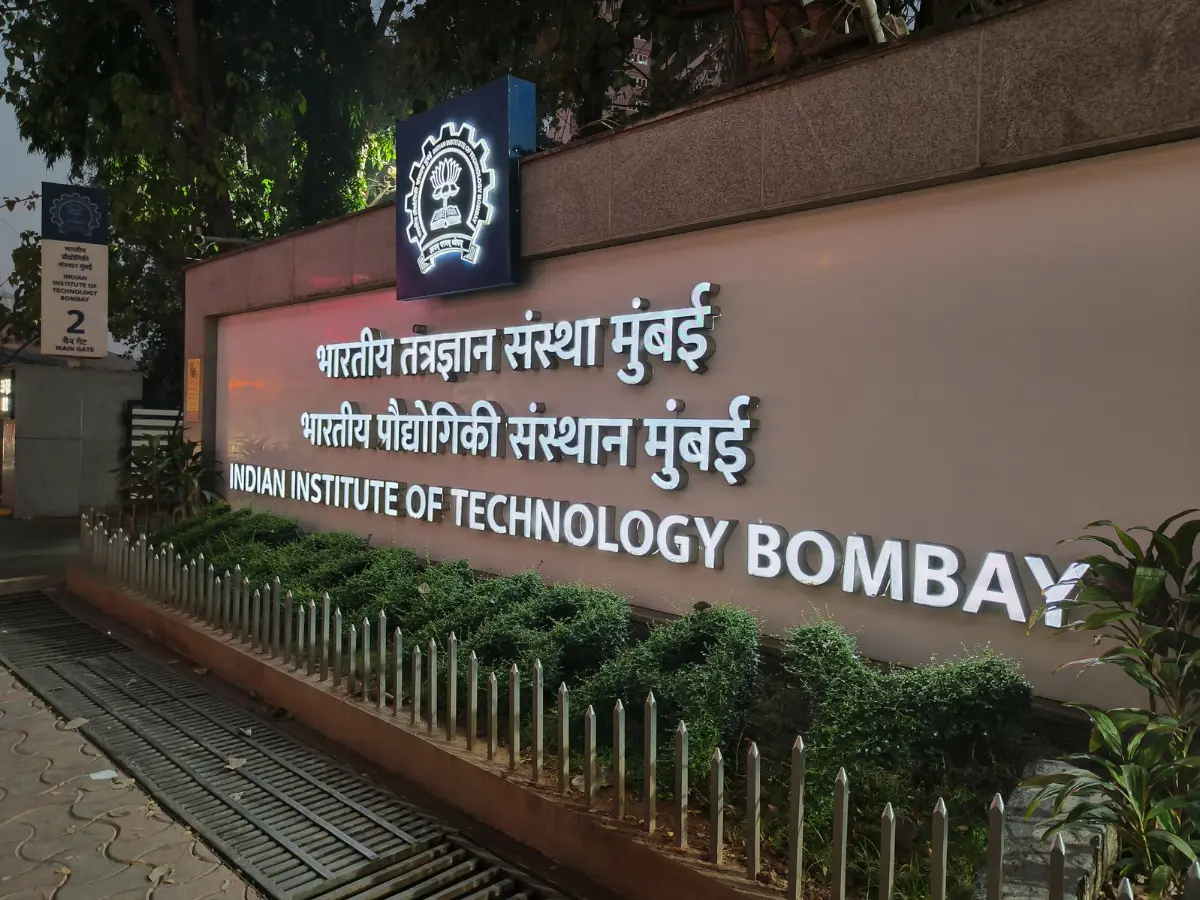)
IIT Bombay professor Suryanarayana Doolla sent on leave amid Sahil Wakode death probe
&im=FitAndFill=(700,400))
National Film Awards 2026: Kartik Aaryan, Mammootty, Yami Gautam, Randeep Hooda and other key winners
)
Anne Hathaway to run in supporting race for Nolan's epic
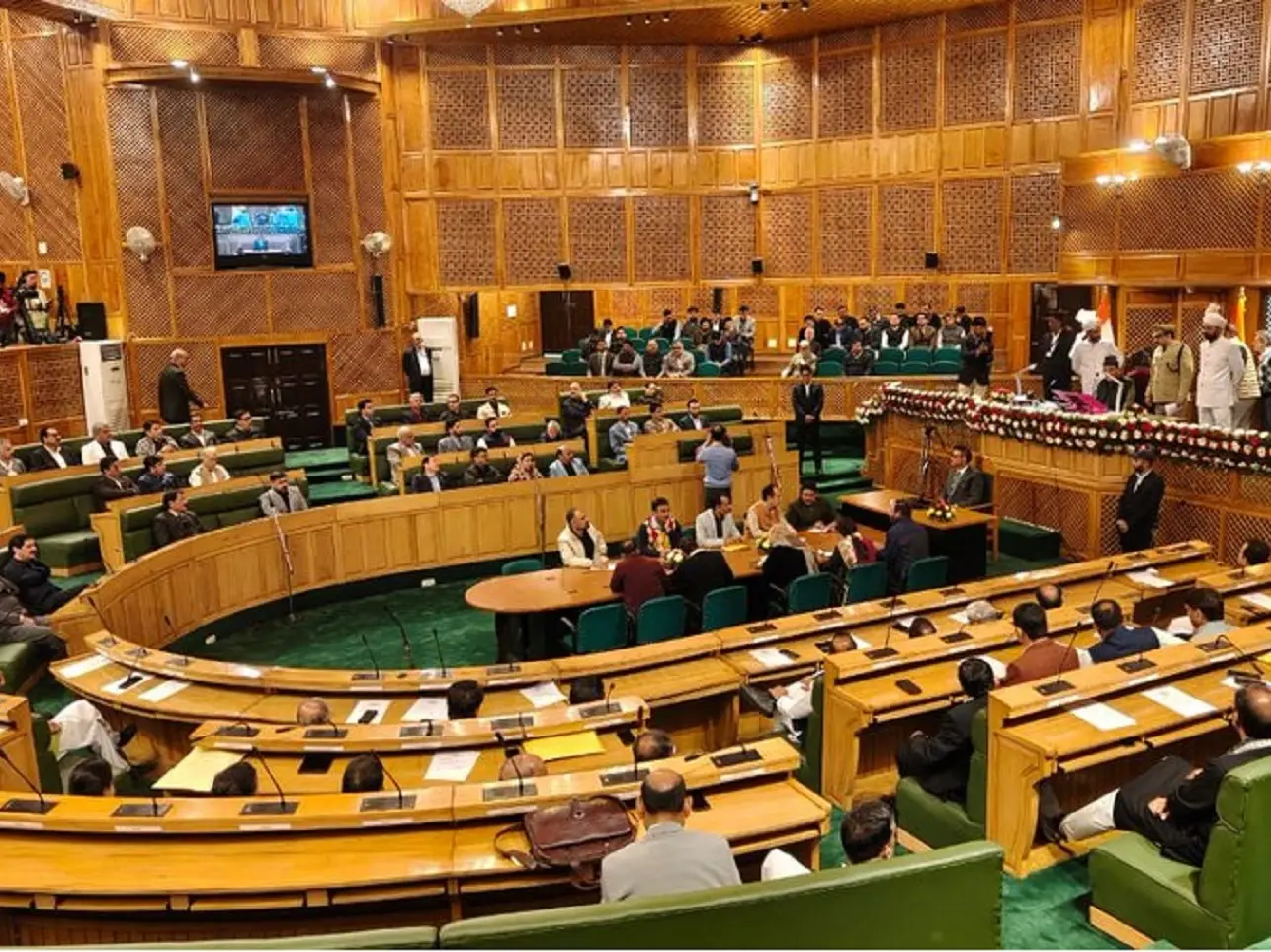)
Over 4,200 books withdrawn from circulation in J&K colleges, 94% from Kashmir
)
From Gaddafi tearing up UN Charter to Trump’s ‘escalatorgate’: Most unforgettable UNGA moments
)
Explainer: Why rare-earth export licences and Board of Trade are US priorities ahead of Trump-Xi summit
)
Asia prepares for record El Nino, food shock
)
Forget apps: Qualcomm CEO says AI agents will change how we use smartphones
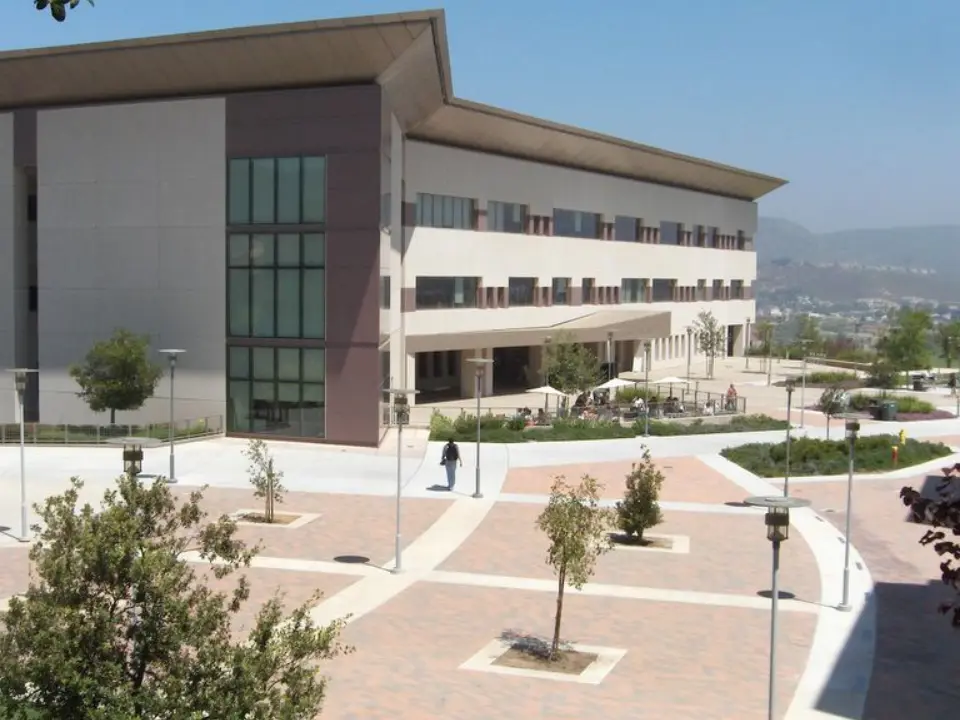)
Four female students raped during 'Red Zone' at California university. What we know
)
'Taiwan and human rights are red lines': China warns US ahead of Xi-Trump visit
Once in orbit, the disk-bearing Occulter spacecraft will block out the fiery face of the Sun to form an artificial solar eclipse in space, allowing sustained observations of the faint solar corona, where space weather and the solar wind originate, ESA added.
With the first phase of standalone test activities being completed successfully, ESA team members would hand the further tasks to teams from European private firms Redwire, Sener, Airbus (all of whom contributed hardware towards the mission), and the fueling team from ArianeGroup. If all goes well, Proba-3 will be launched on December 4aboard the PSLV-XL rocket.
What makes Proba-3 unique
Proba stands for ‘PRoject for OnBoard Autonomy’.
Proba-3 is the world’s first precision formation flying mission. It consists of two small satellites launched together that will separate apart to fly in tandem, to prepare for future multi-satellite missions flying as one virtual structure.
As a world first, its two satellites – the Coronagraph spacecraft and the Occulter spacecraft – will maintain formation to a few millimetres and arc second precision at distances of 144 m or more for six hours at a time. In effect, the pair will be forming a virtual giant satellite. This will be achieved autonomously, without relying on guidance from the ground.
What will Proba-3 study?
The solar corona (outermost part of the sun's atmosphere) has many mysteries associated with it. The solar corona is a million degrees warmer than the surface of the sun, and it is the origin of coronal mass ejections (highly charged particles) which can affect the functioning of satellites, or communication and power networks back on earth. There is immense scientific interest in better understanding the solar corona and related phenomena.
A Coronagraph is a device that can artificially block out the bright light of the sun, thereby enhancing the visibility of the faint corona. A solar eclipse, when the moon blocks out the sun, is a great natural opportunity to study the solar corona. But eclipses are rare and occur only for a few minutes.
The two Proba-3 satellites will be precisely aligned so that the Occulter spacecraft casts a shadow across the Coronagraph spacecraft, thereby enabling the visibility of the faint solar corona. If the two are not perfectly aligned, then the bright disc of the Sun will not be hidden from the instrument and the corona will be obscured by its bright light.
Why is Proba-3 being launched from India?
India's PSLV-XL launcher was chosen to ferry Proba-3 satellites to space, as the European Space Agency (ESA) does not possess a medium-lift rocket that can launch the 550kg Proba-3 satellites into the desired orbit. The mass of the satellites is above the capability of ESA's Vega-C small rocket, while the large Ariane-6 rocket would be too costly for a mission of this kind. PSLV offers the perfect balance in terms of lift capability and cost. ESA will be paying around €30 million (approx Rs.271cr) to avail the launch services from ISRO's commercial arm NewSpace India Limited (NSIL).
