As coronavirus reinfections surface across countries, what threats do such lapses pose?


COVID-19
As coronavirus appears to have peaked in major countries of the world, the global health infrastructure now faces a new challenge: reinfections!
In South Korea alone, over 163 people who had recovered from the virus have now contracted it again, as per data released by Korea Centers for Disease Control and Prevention (KCDC).
A similar pattern has been noted in China, especially in Wuhan. However, China has been very secretive about its figures, making it hard to track.

In South Korea, the relapse rate is as low as 2.1 per cent (for every 7,829 people), but it still leaves many questions about the virus unanswered.
South Korea has been very rigorously testing its citizens, has one of the highest testing rates, and was the first country to flatten the curve.
)
The Early Spring is proof not everyone can talk about their real feelings, and it is perfectly OK
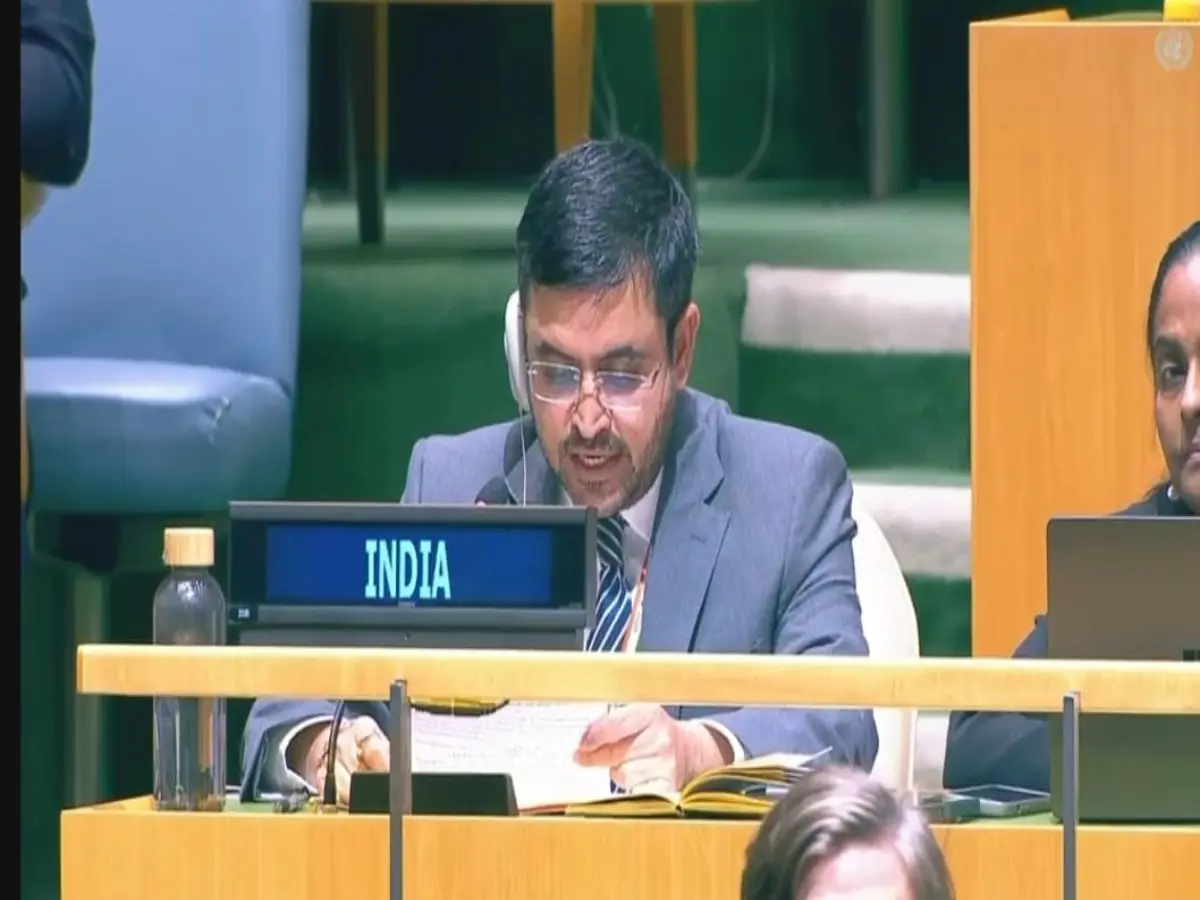)
UN votes to ‘correct the map’ as India backs fairer world view
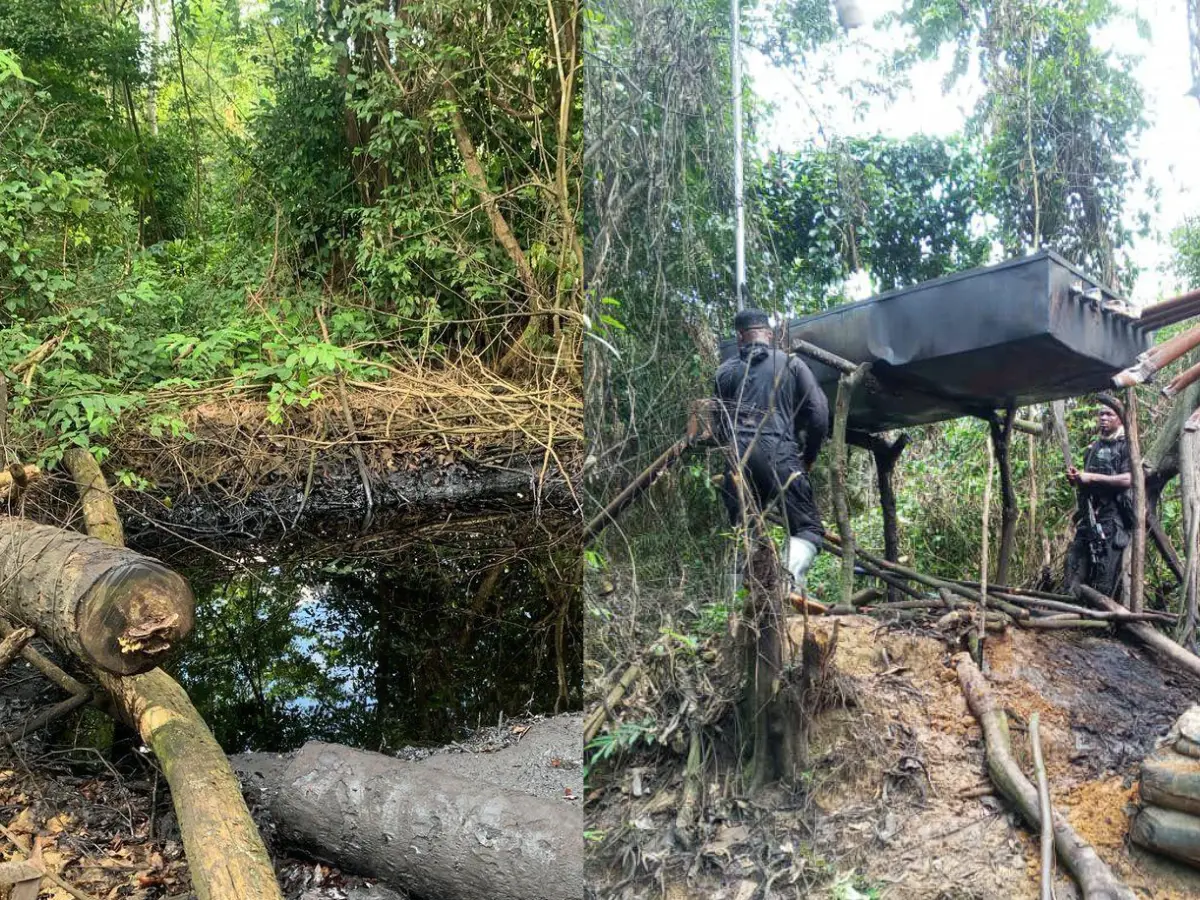)
Nigerian Navy discovers 99,000 litres of suspected stolen, illegally refined products as it intensifies anti-crude oil theft operations
)
Who is Aditi Paudel? 17-year-old becomes Japan's first literacy ambassador
)
Bengaluru: Officials find 40 kg expired chilli at chairman's club
)
Jaishankar rejects trade link to ending Ukraine war
)
Israeli strikes on Lebanon kill three, injure 23 despite truce
)
Alpine glacier was covered with sheep wool sheets to prevent melting. It worked
)
South Korea mulls deploying military assets to Strait of Hormuz
)
World's fifth-largest economy, British army can't afford to train
)
Breaking | Vance takes the podium: First White House briefing since Leavitt's exit
)
Taiwan raises 'concerns' over China's missile test
)
BRICS 2026: $1 trillion sovereign capital set to converge in Delhi for first iBRICS Summit
)
What is Iran's Pickaxe Mountain that Trump has again threatened to bomb?
)
UN votes to correct world map that visually shrank Africa for 450 years
)
Former NewJeans member Danielle launches YouTube channel, hints at new solo journey
)
Bangladesh batter Towhid Hridoy creates history with 350 not out in South Africa
)
Brendan Fraser’s transformation fuels The Mummy 4 excitement as fans welcome back Rick O’Connell
&im=FitAndFill=(700,400))
Krishna Janmashtami 2026: From Dhaniya Panjiri to Makhana Kheer- 5 best sweet dishes perfect for celebrating Lord Krishna’s birth
)
Donald Trump plans to travel to Ireland on Qatari-donated jet amid security concerns
)
Nazi-looted art to return to Jewish heirs
)
Eight killed in Kerala’s Thrissur after car rams into lorry parked on highway
&im=FitAndFill=(700,400))
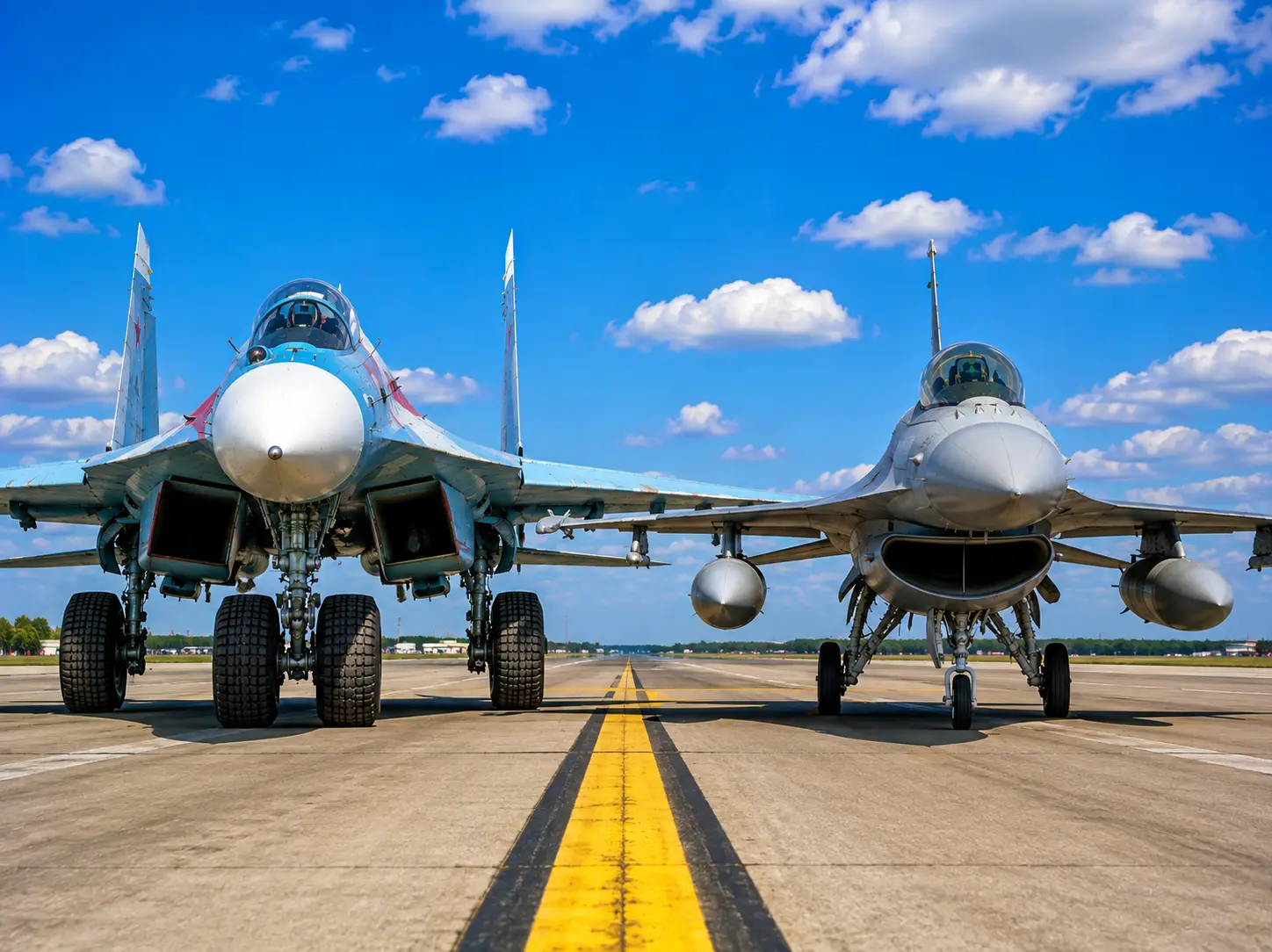
Why Russian fighter jets use bulky, low-pressure tyres compared to US jets
)
FBI-wanted fraud accused arrested in Jalandhar over $600,000 scam
&im=FitAndFill=(700,400))
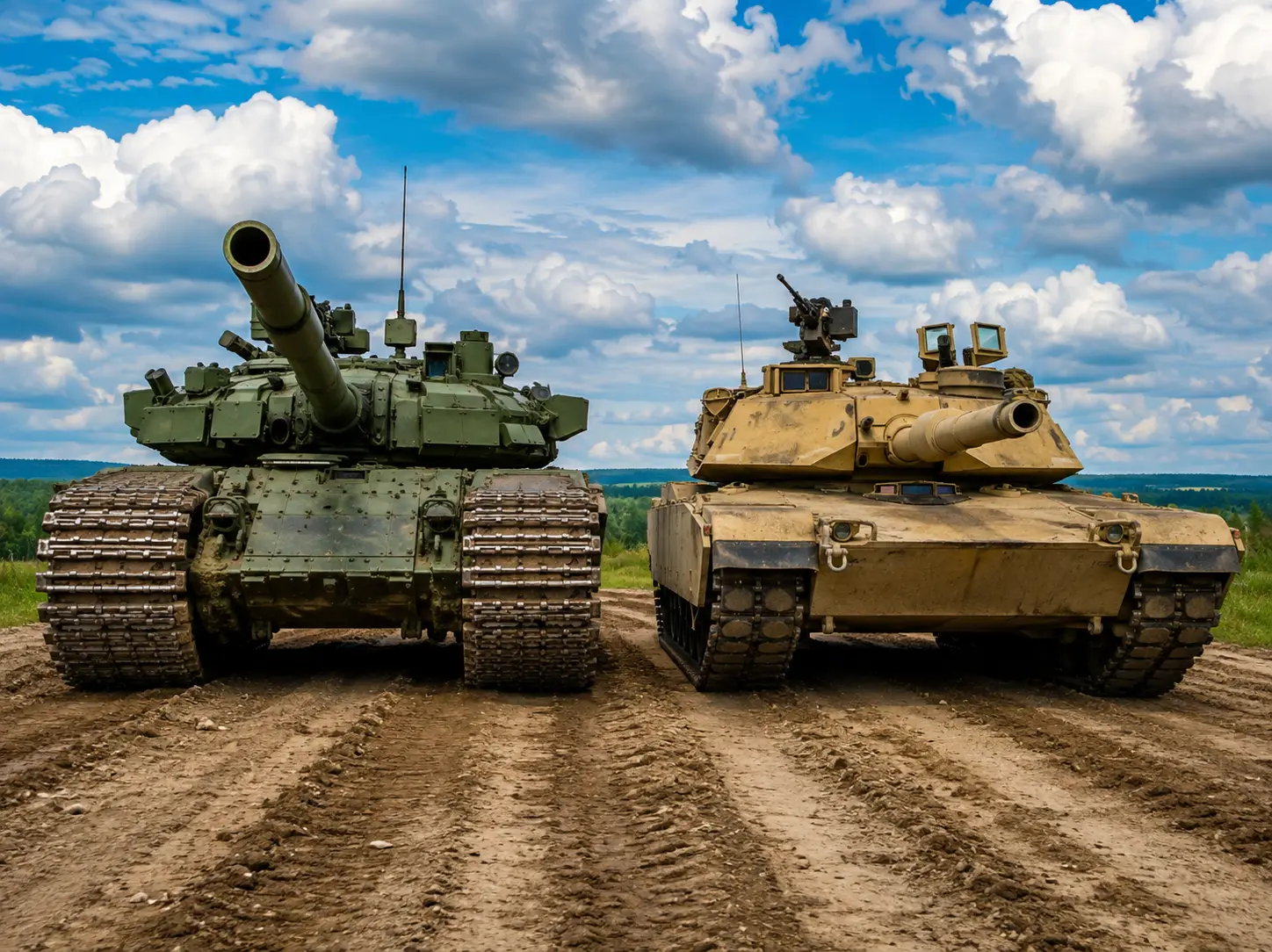
Why US tanks weigh over 20 tons more than Russian tanks
&im=FitAndFill=(700,400))
New Friday OTT releases (September 4, 2026): GDN, Dhamaal 4, Jagamae Sangeetham- Watch 6 new movies and TV shows on Netflix, Prime Video and more
)
Killing the Himalayas slowly: Human urine is melting a glacier on Mount Everest
Mild symptoms
It’s important to note that people who retest positive may or may not be contagious, for 44 per cent of them showed only mild symptoms.
KCDC’s deputy director Kwon Joon-wook told CNN that there is no clarity on naturally acquired immunity.
Kwon further called it the “most challenging pathogen” faced by humanity in recent decades.
KCDC believed that such reinfections could point to the existence of the remains left by the virus in one’s body, and may have little to do with its transmission.
The virus, then, in essence, could not be alive, as was found by the scientists who undertook retesting.
Zhong Nanshan, one of China’s top doctors also echoed the sentiments. He said that tests that are strong may be picking up “fragments of the disease”, and claims to not be “too worried about the issue”.
Of course, tests are volatile. There could be as many false positives as false negatives.
Precaution is key
Kwon further added that the risk of such relapse cases transmitting may be low, but still suggests people to exercise precaution. South Korea makes it mandatory for patients to test negative for the test twice in a row for them to be able to return home. Even then, they have to isolate for 14 days.
In essence, a lot about this disease remains unknown. And it’s best to practice social distancing and ensure personal hygiene until the rate of infections subsides across the globe.
Additionally, there also seems to be guarantee of people developing antibodies and whether the body could then fight the infection.